Overall impression is highly mixed: reviews describe both meaningful strengths and significant operational weaknesses. Positive accounts emphasize individualized, compassionate care from specific staff members, strong short-term rehabilitation results, and an engaging activities program. Several families reported smooth transitions from hospital to the nursing home, attentive therapists who produced measurable functional gains, and frequent real‑time family contact via FaceTime, photos, and window visits. The facility's smaller size and some well‑maintained rooms and common areas were cited as contributors to a more personal care environment.
Care quality and clinical oversight appear inconsistent. While some residents received attentive nursing, timely mobility support, and effective wound and therapy care resulting in successful discharges, other reports describe delays in basic care tasks (bathing, toileting assistance), late or missed medication administration, and concerns about wound/pressure‑injury management. A number of reviews reference serious adverse clinical events that required hospital transfer; these suggest gaps in clinical monitoring and escalation for a subset of residents. Staffing levels and turnover are a recurring theme and are frequently cited as a probable driver of delayed care, limited one‑on‑one attention, and an overburdened aide workforce.
Staffing and management dynamics are a central pattern. Praise is repeatedly directed at particular employees and teams who provide compassionate, family‑oriented care, and some reviewers point to positive changes under new management. Conversely, persistent complaints include chronic understaffing (especially evenings and weekends), frequent use of agency/contract personnel who may be unfamiliar with resident needs, and limited availability or visibility of leadership and social‑work services. Communication breakdowns — including unanswered phones, slow responses to family inquiries, and inconsistent discharge or visitation policies — were raised repeatedly and contribute to family frustration.
Dining and activities show divergent experiences. The activity program and an engaged activity director are strengths for many residents, with consistent reports of meaningful programming and family communication supports. Dining feedback is variable: some reviewers described fresh, hearty meals and good dining experiences, while others reported inconsistent food quality, missed dietary accommodations, and delays in meal service. Housekeeping and laundry processes likewise received mixed assessments, with positive comments about cleanliness balanced against reports of missing items, delayed laundry returns, and pest‑control concerns in particular units.
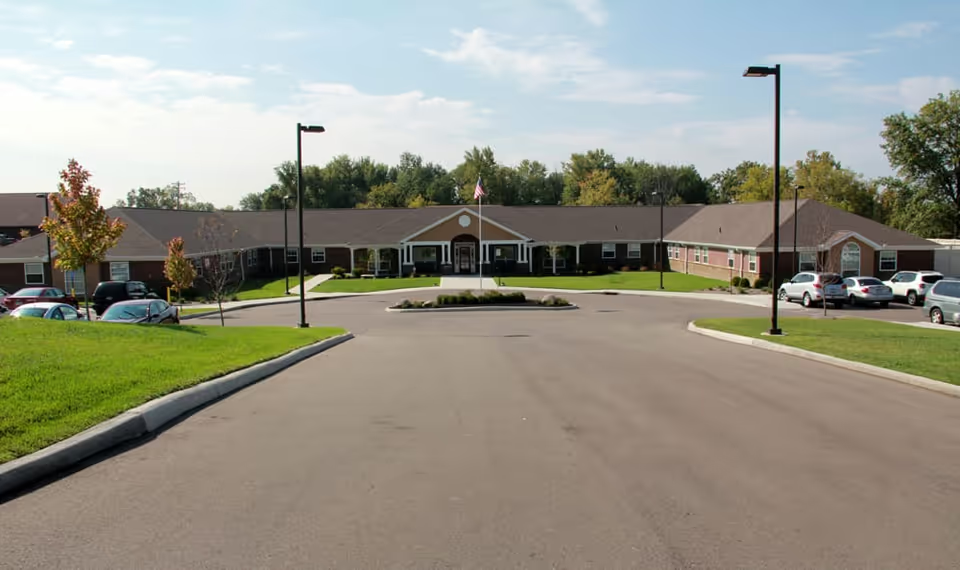
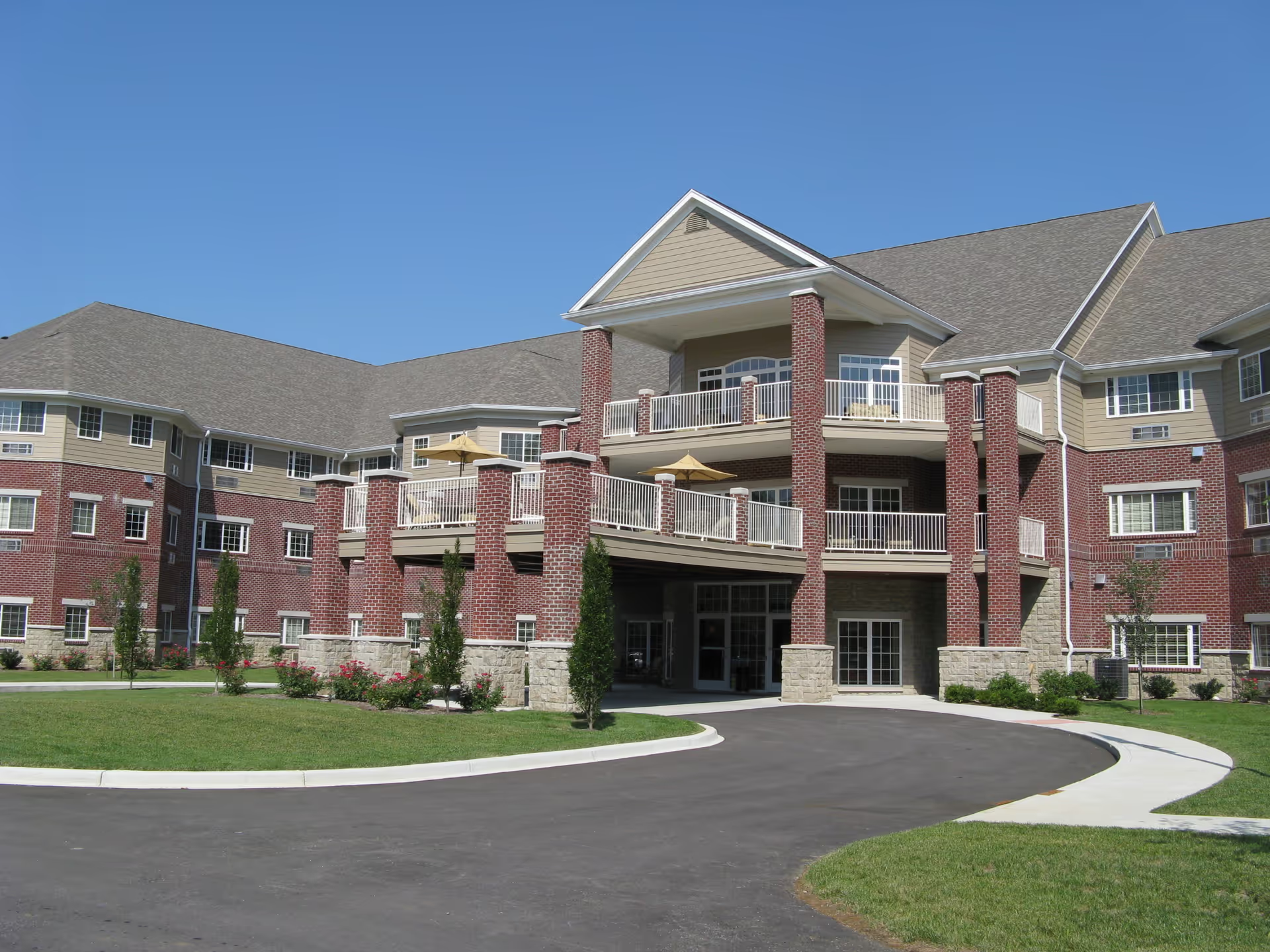
Facilities and ancillary services are similarly uneven. Positive notes include spacious rooms, walk‑in closets, and an overall tidy, small‑facility feel. Negative patterns include odor or sanitation concerns in some common areas, reported pest‑control issues on an upper floor, intermittent Wi‑Fi or technology limitations, and privacy worries related to in‑room cameras. Transportation limitations were specifically called out as a structural problem that impeded timely physician visits and outpatient appointments for some residents.
A number of reviews raise serious nonclinical concerns that prospective families should investigate directly: alleged financial and billing irregularities, reported issues securing residents' personal belongings, and variable adherence to visitation or discharge policies. While the term 'allegation' applies to some of the more serious claims, these items warrant verification through inspection, discussion with facility leadership, and review of facility documentation.
In summary, Liberty Nursing Center‑Riverside presents a polarized profile. It appears capable of delivering high‑quality short‑term rehabilitation and compassionate day‑to‑day care when staffing and leadership are aligned, but persistent operational weaknesses — most notably chronic understaffing, inconsistent clinical responsiveness, communication gaps, and procedural lapses in housekeeping, dietary, and billing controls — have contributed to multiple adverse experiences. Prospective residents and families should schedule an on‑site visit, request recent staffing and inspection records, meet clinical and administrative leads, and verify financial and property‑security practices before placement.