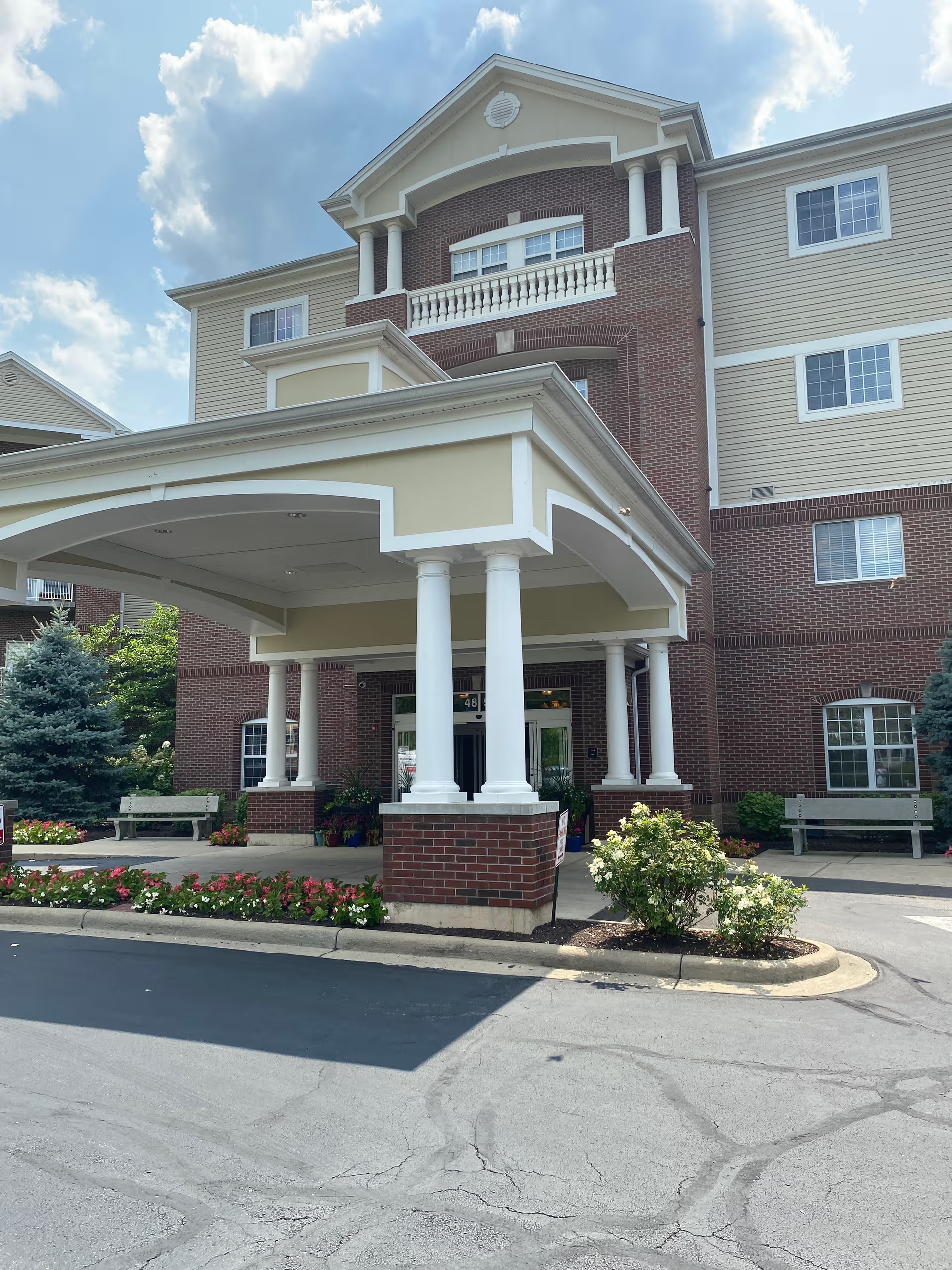
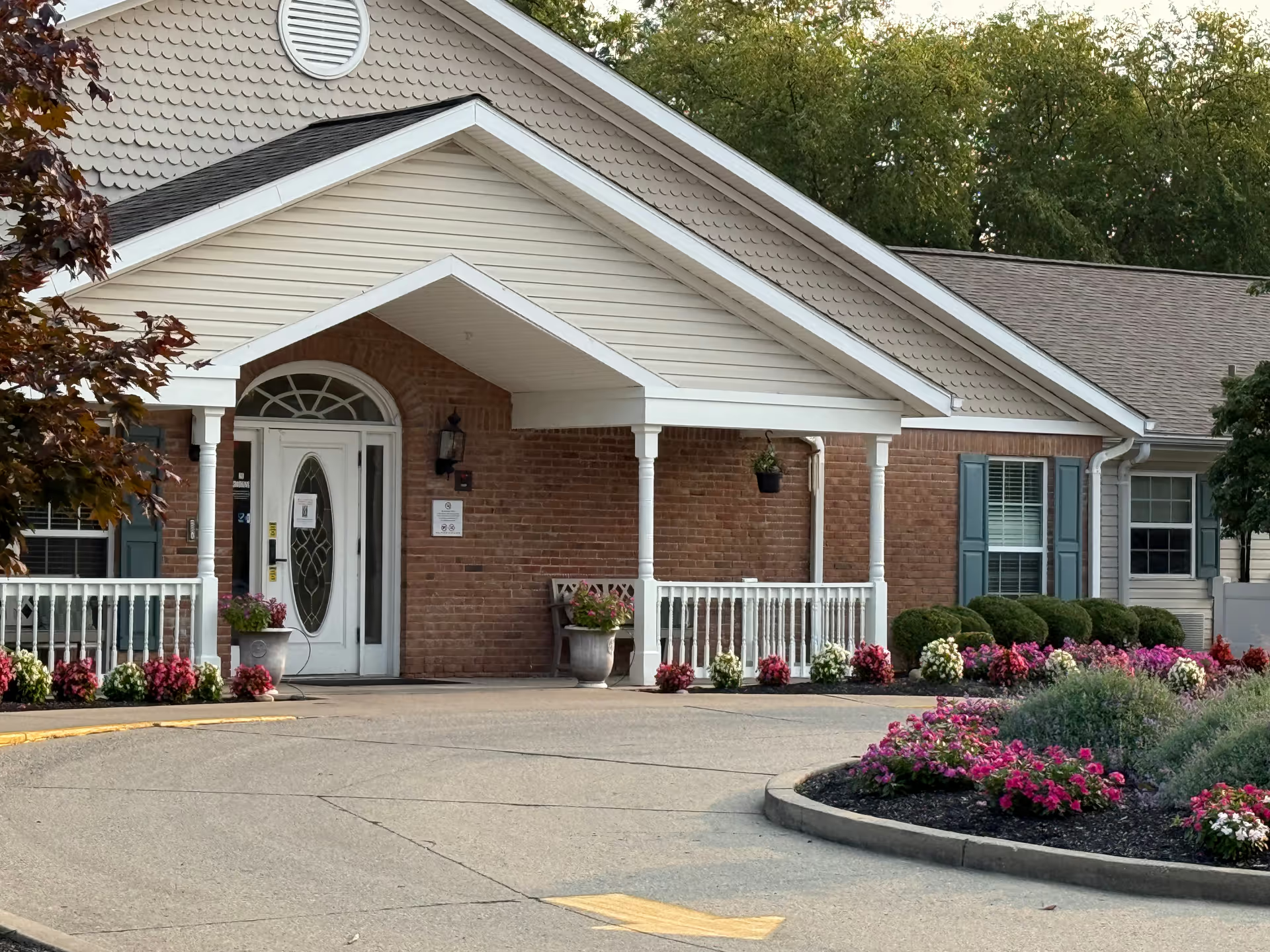
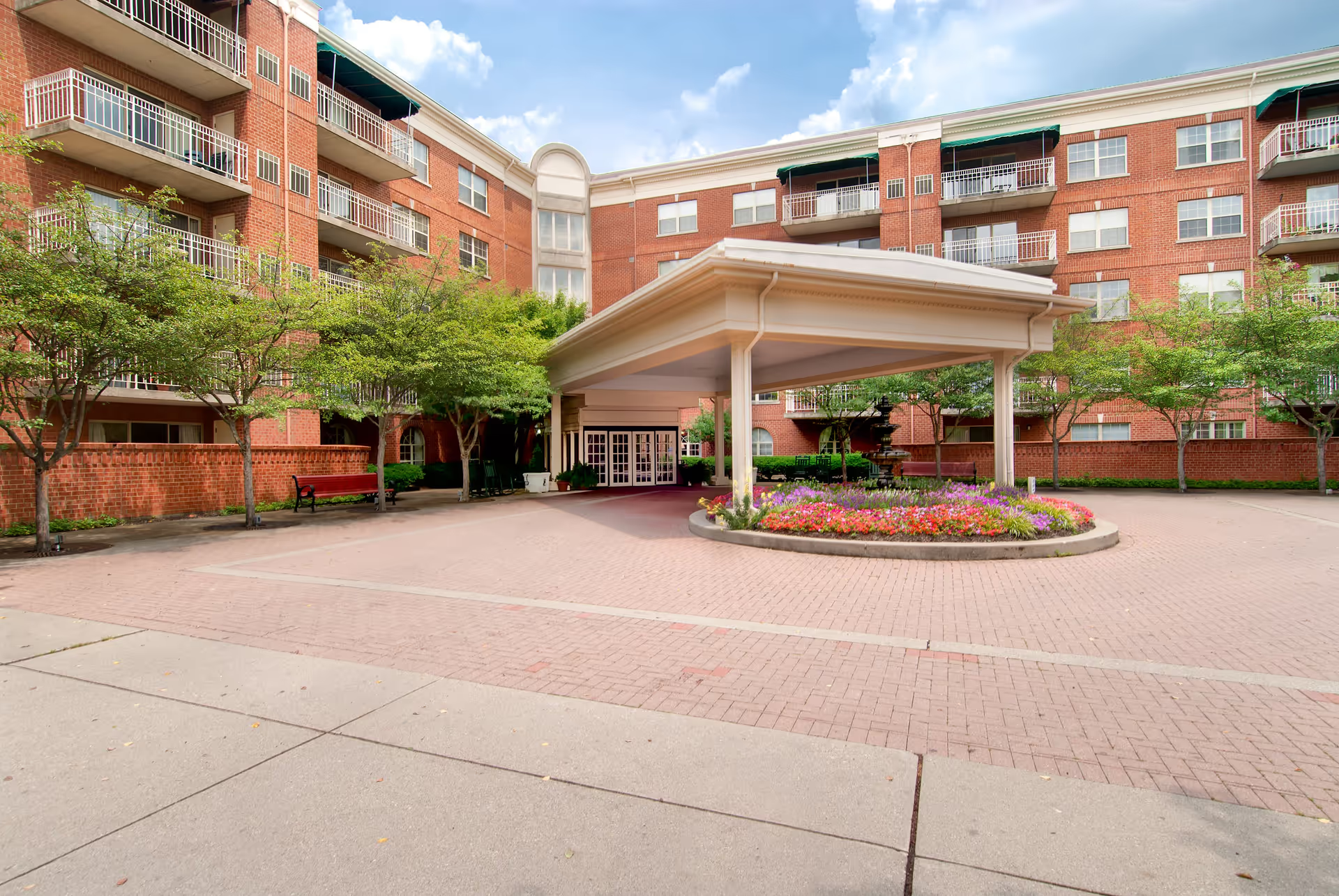
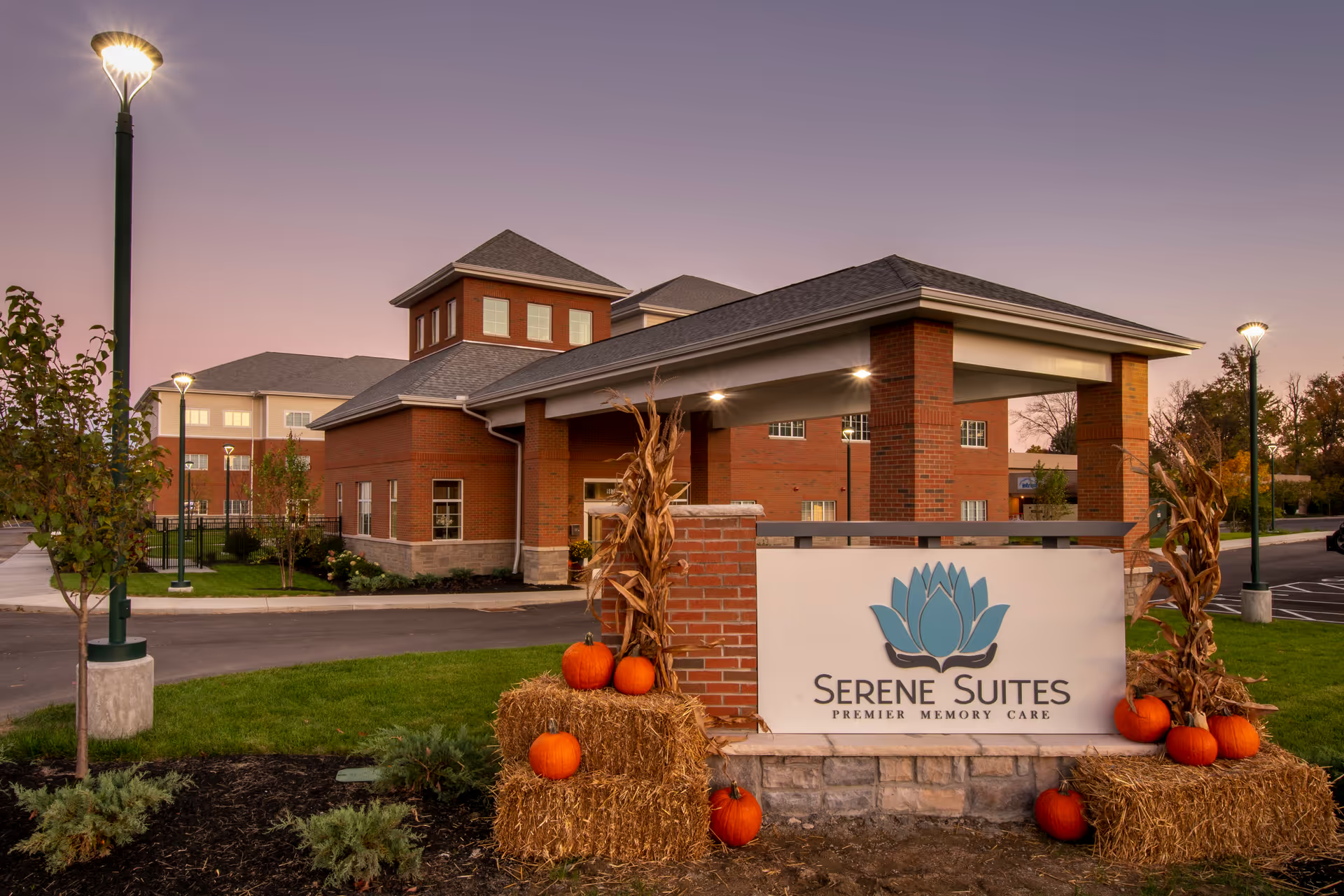
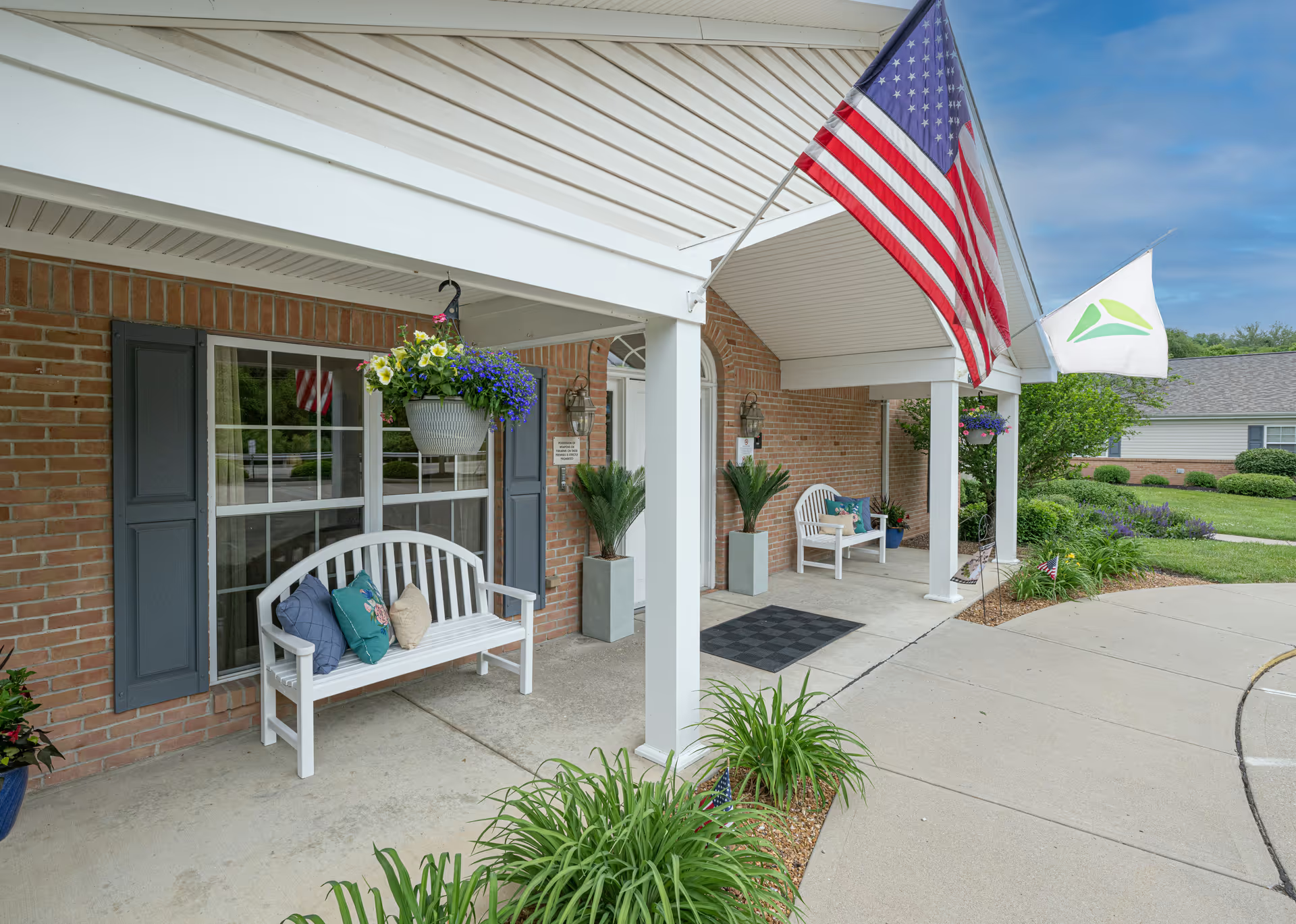
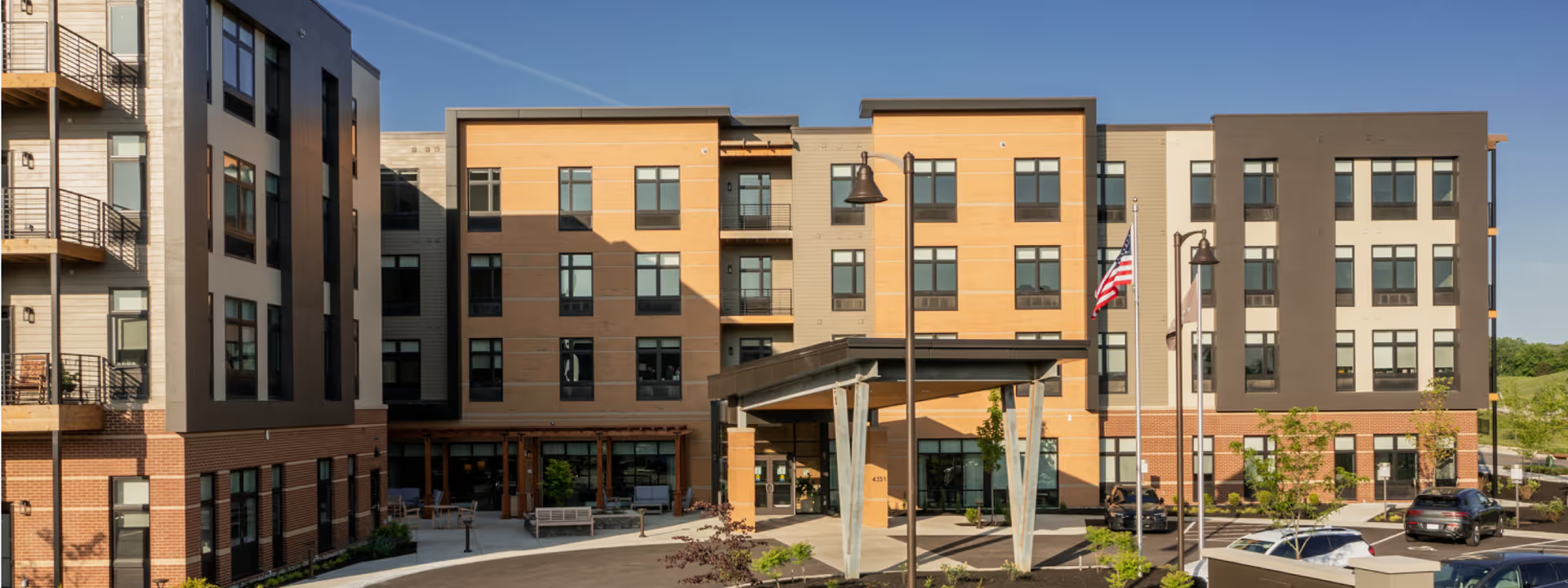
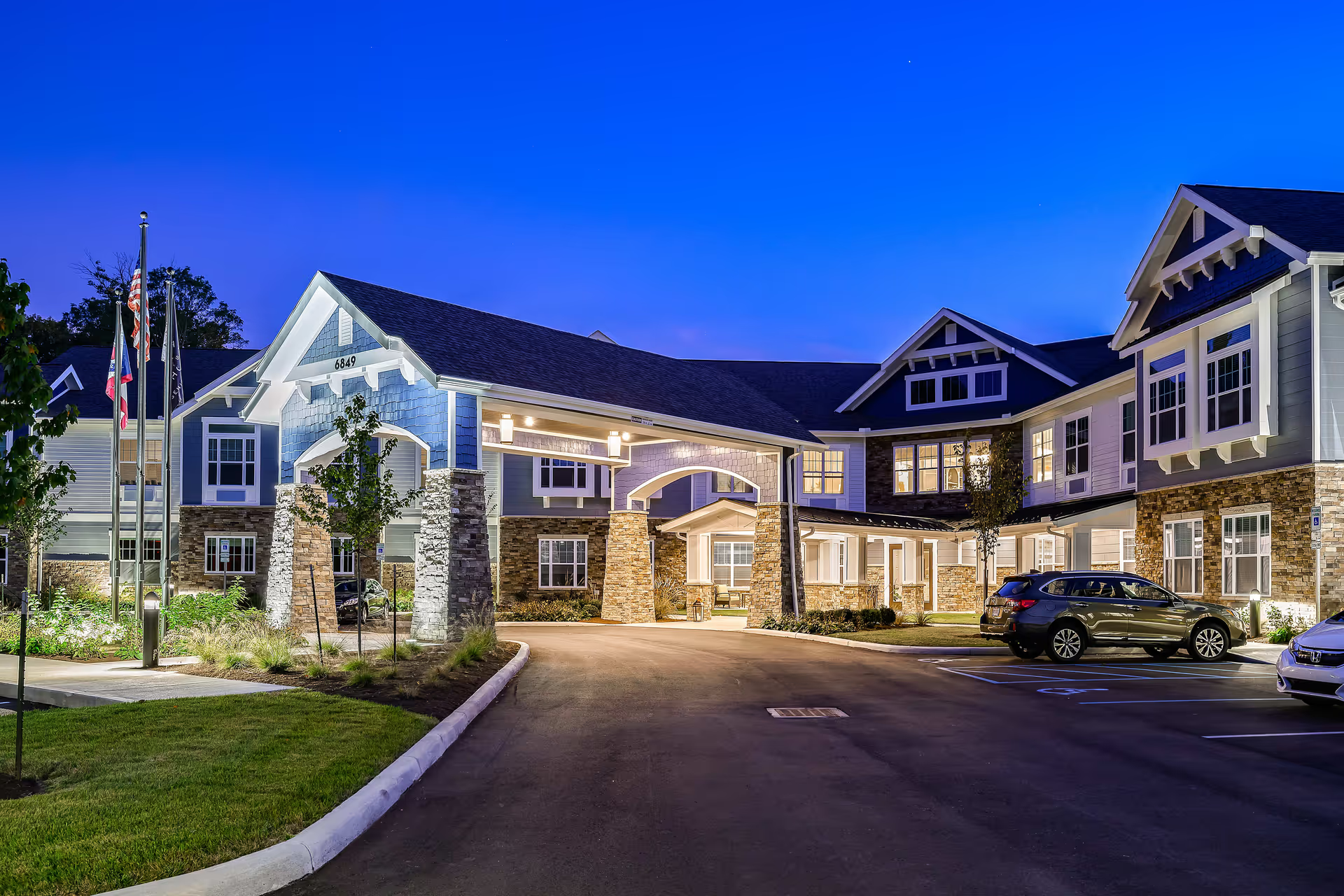
The reviews for Norwood Towers Post-Acute present a highly polarized picture. Many describe a recently renovated building with attractive common areas and suites, a striking dining room, and a warm community atmosphere where residents socialize and engage in activities. Several accounts praise a therapy team that achieves positive rehabilitation outcomes and nursing or aide staff perceived as compassionate and willing to go above and beyond. New ownership and management changes are frequently cited as drivers of visible facility improvements and a renewed focus on resident experience.
At the same time, a substantial portion of feedback highlights operational inconsistencies that affect day-to-day care. Families describe wide variability in care quality between shifts and units, with recurring concerns about staffing levels, frequent use of temporary agency personnel, and limited RN coverage. These staffing patterns are associated with delays in attending to personal-care needs, unanswered call bells, and uneven responsiveness to clinical issues. There are also repeated comments about the tone of staff interactions and lapses in timely family communication, including problems with phone responsiveness and unclear discharge or location updates.
Facility-related concerns appear in two areas. First, while renovated sections are described positively, other areas are reported to have sanitation issues and odor concerns, and there are multiple mentions of pest-control concerns. Second, reviewers point to specific environmental and safety management gaps and to failures in clinical documentation and scheduling systems (locked accounts, incomplete charting, and booking problems) that can impede continuity of care. Privacy provisions such as curtains and room dividers were also noted as inadequate or unclean in some units.
In summary, Norwood Towers shows signs of meaningful improvement under new leadership and offers several strengths—updated facilities, strong therapy outcomes for some residents, and staff who are praised for compassion and engagement. However, prospective residents and families should be aware of variability in operational reliability: staffing stability, RN availability, consistent sanitation and pest-control practices, communication processes, and clinical documentation systems have been identified as recurring weaknesses. An on-site visit that checks current staffing patterns, sanitation standards, pest-control measures, privacy arrangements, and how the facility handles documentation and family communication would help determine whether the facility’s recent improvements have resolved these operational concerns.