Reviews for Delhi Post Acute are strongly polarized, with a substantial number of families and former residents describing positive, rehabilitative short-term stays while others raise serious operational concerns for longer-term placements. The facility is frequently praised for its therapy team, many staff members, and attractive grounds; however, recurring themes in negative comments indicate inconsistent execution of basic care and facility operations.
Care and clinical oversight: Many reviewers describe attentive nursing and aide support, particularly during short-term rehabilitation stays and therapy courses. The therapy department and rehabilitation teams receive consistent positive mention for effectiveness and teamwork. Conversely, other accounts raise concerns about medication-administration reliability, missed clinical checks (including blood-glucose monitoring), and inconsistent follow-through on care plans. These discrepancies suggest variability in clinical performance between shifts or units and point to the need for clearer protocols and oversight.
Staff and culture: A large portion of feedback highlights friendly, welcoming staff who treat residents with respect and provide emotional support, contributing to a family-like atmosphere. At the same time, there are repeated comments about inconsistent staffing, rotating personnel, and variable training that produce uneven resident experiences. Several reviewers cited delays in response to call lights and instances where staff conduct or responsiveness did not meet expectations, indicating gaps in supervision and staff development.
Dining and activities: Dining opinions vary. Positive reviewers note a varied menu, hospital-style comfort foods, and recent improvements under a new chef. Negative feedback focuses on inconsistent meal temperature and preparation, lack of appropriate diet accommodations for specific needs (for example, diabetic-friendly options), and occasional service lapses. Activity programming and social engagement are generally seen as strong, with residents describing engaging and home-like recreational offerings.
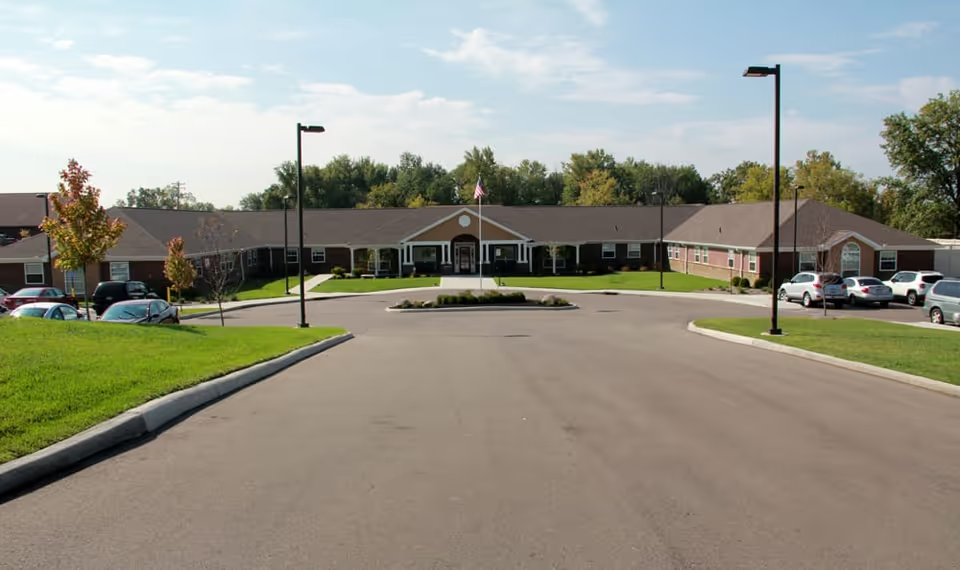
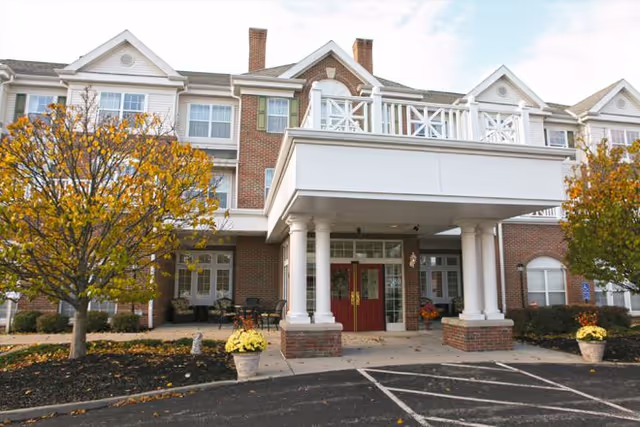
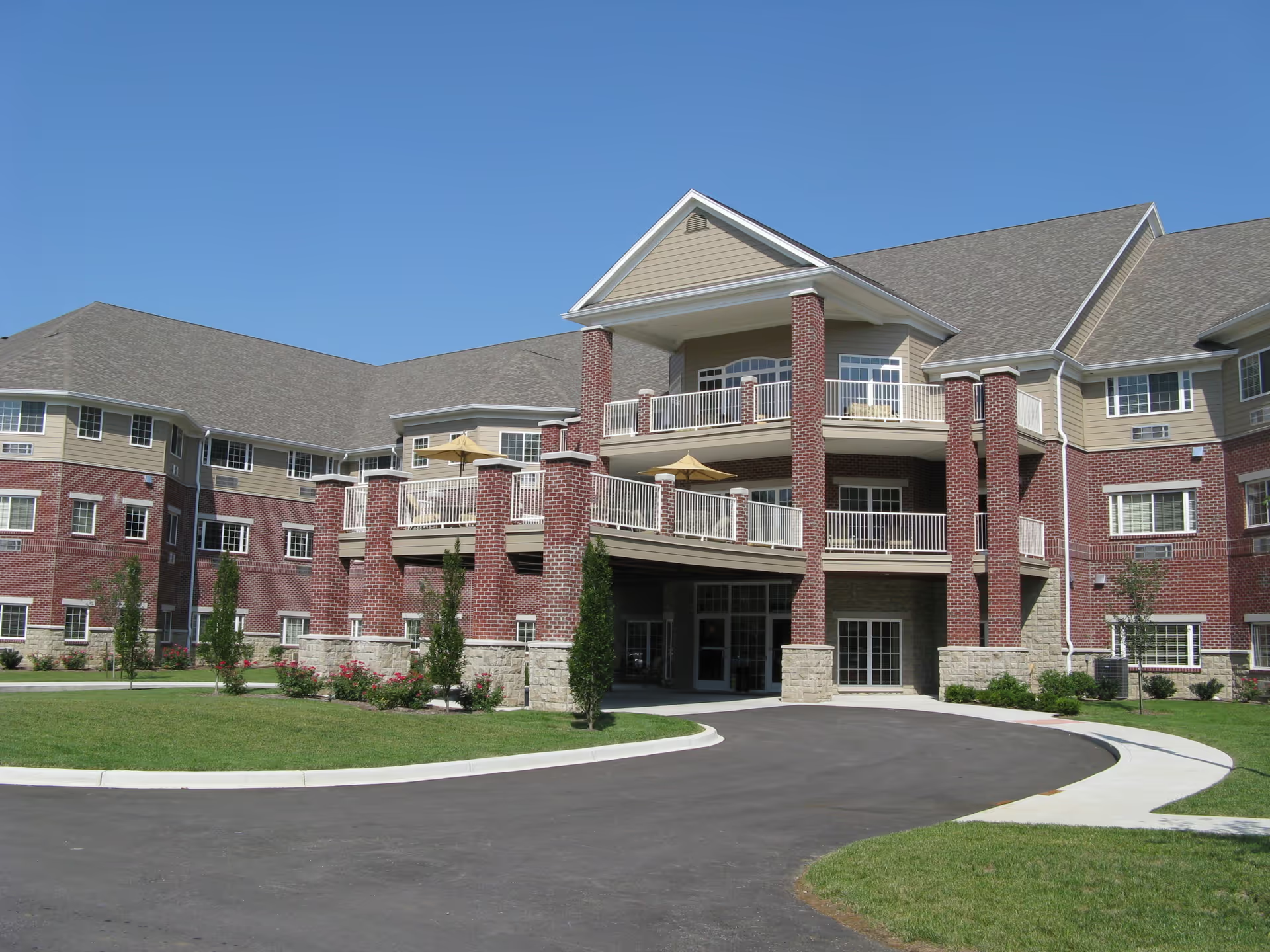
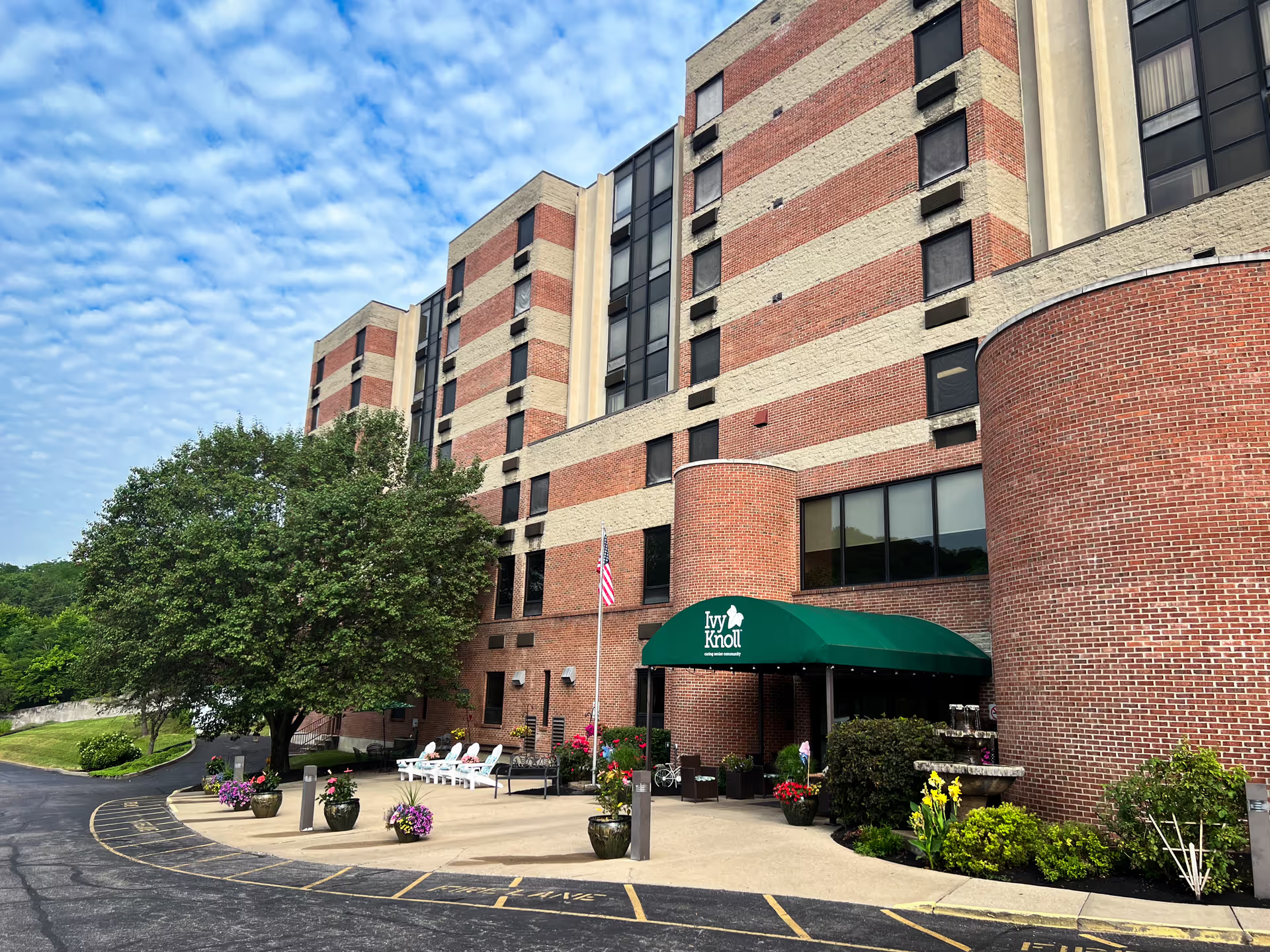
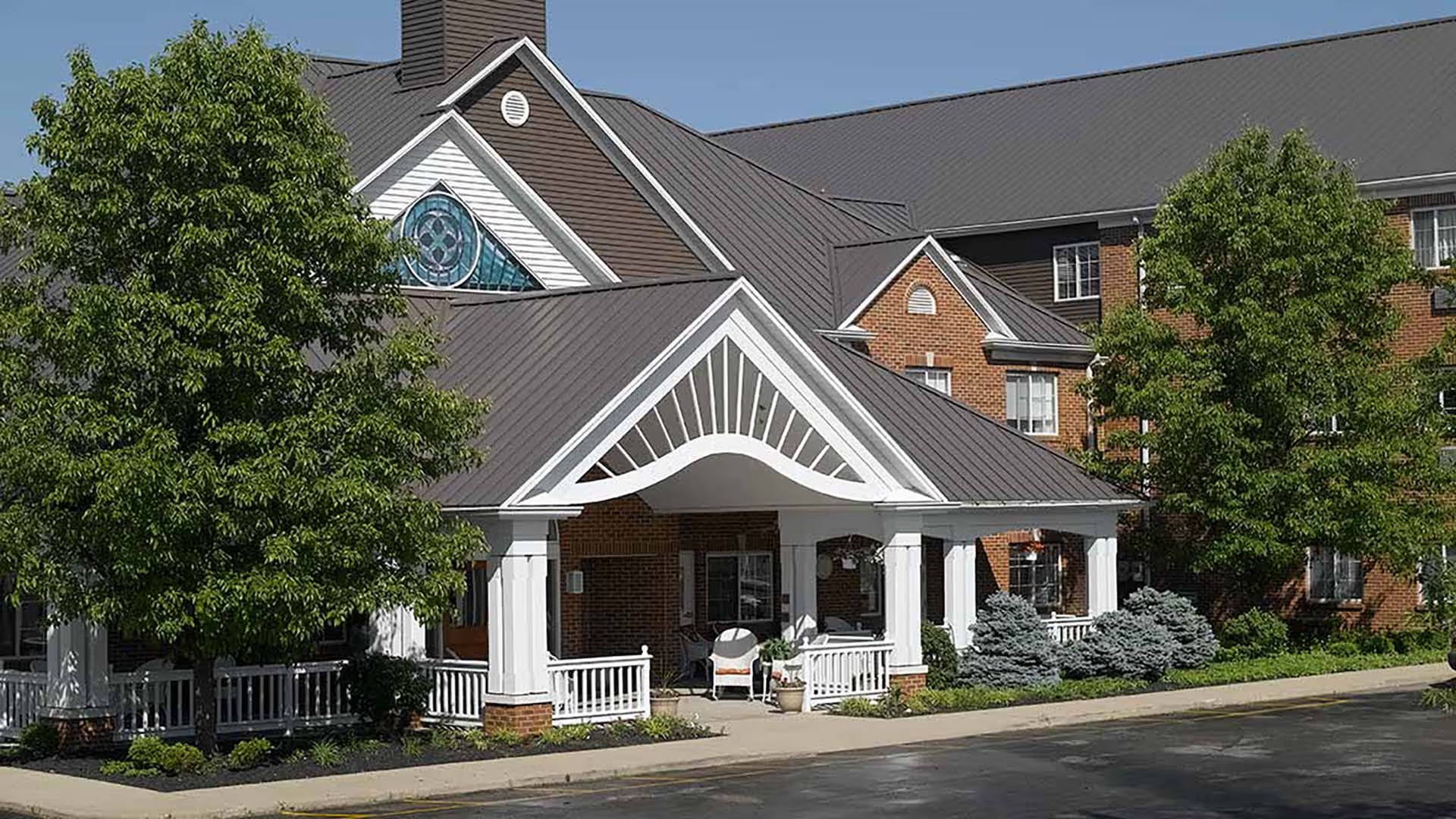
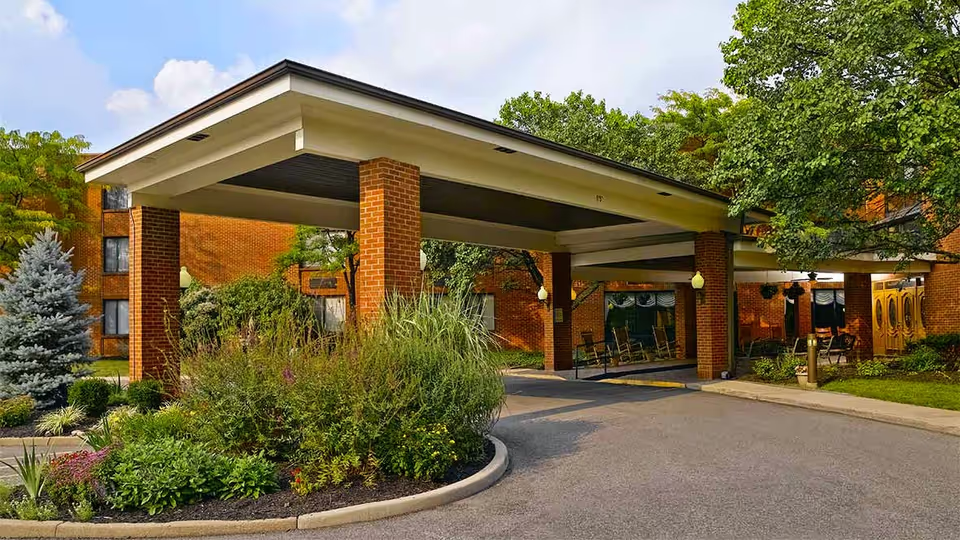
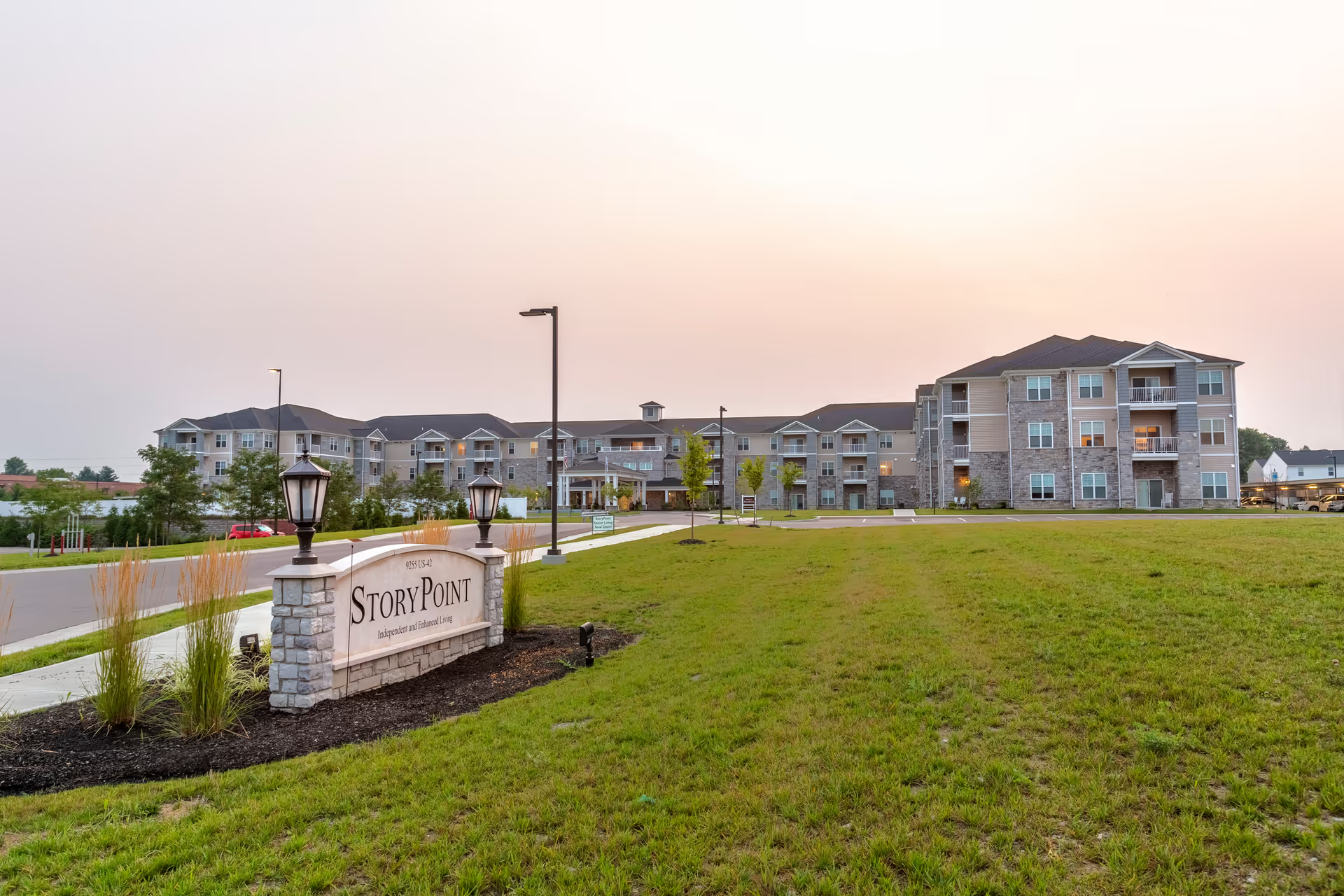
Facilities and housekeeping: The facility’s grounds and outdoor areas receive consistent praise for being park-like and well maintained. Interior spaces are described as bright and cheery by many. In contrast, several critiques concern sanitation processes, odor issues in some areas, inconsistent linen and bedding change practices, and pest-control concerns. These observations point to variability in housekeeping standards or maintenance follow-through across units or time periods.
Management and communication: Experiences with administration are mixed. Some families credit responsive management and visible improvement during remodeling or staffing changes. Others report difficulty reaching leadership, unanswered phone calls, limited availability of senior clinical leaders (DON/ADON), and rigid visitation or transfer policies that intensified family frustration. There are also serious allegations in the record, including theft and camera tampering, and concerns following a resident’s death; these items indicate the importance of confirming a facility’s incident-investigation processes and security protocols.
Notable patterns and recommendations: The dominant pattern is one of inconsistency—many strengths are present but are not reliably experienced by all residents. Positive short-term rehab outcomes and strong therapy services coexist with operational weaknesses in housekeeping, medication management, communication, and security. Prospective residents and families should schedule an in-person visit, observe multiple shifts if possible, and ask targeted questions about staffing ratios, medication-administration checks, infection-control and pest-control logs, dietary accommodations, property-security measures, incident reporting procedures, and visitation flexibility. Verifying recent survey results and speaking with current families can help clarify whether improvements are sustained over time.