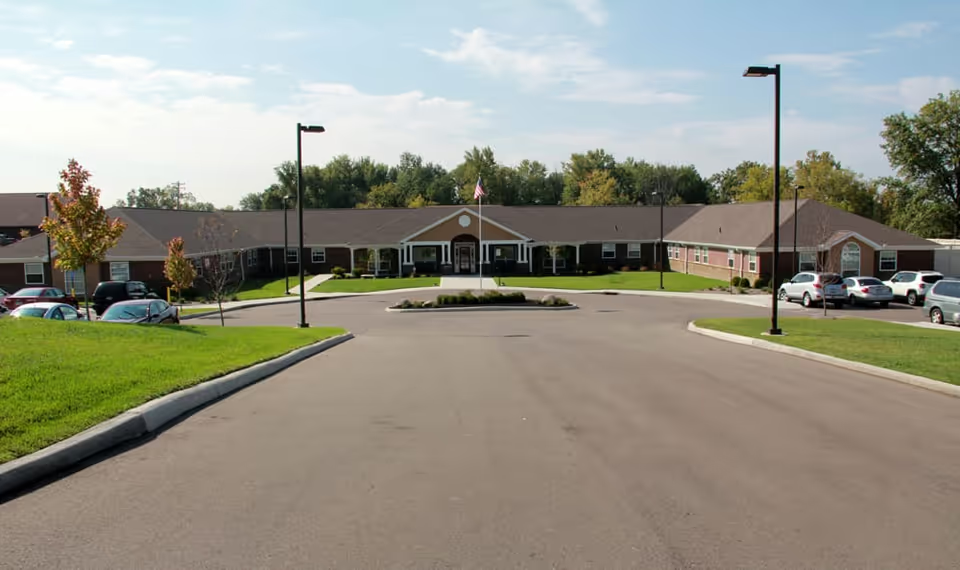
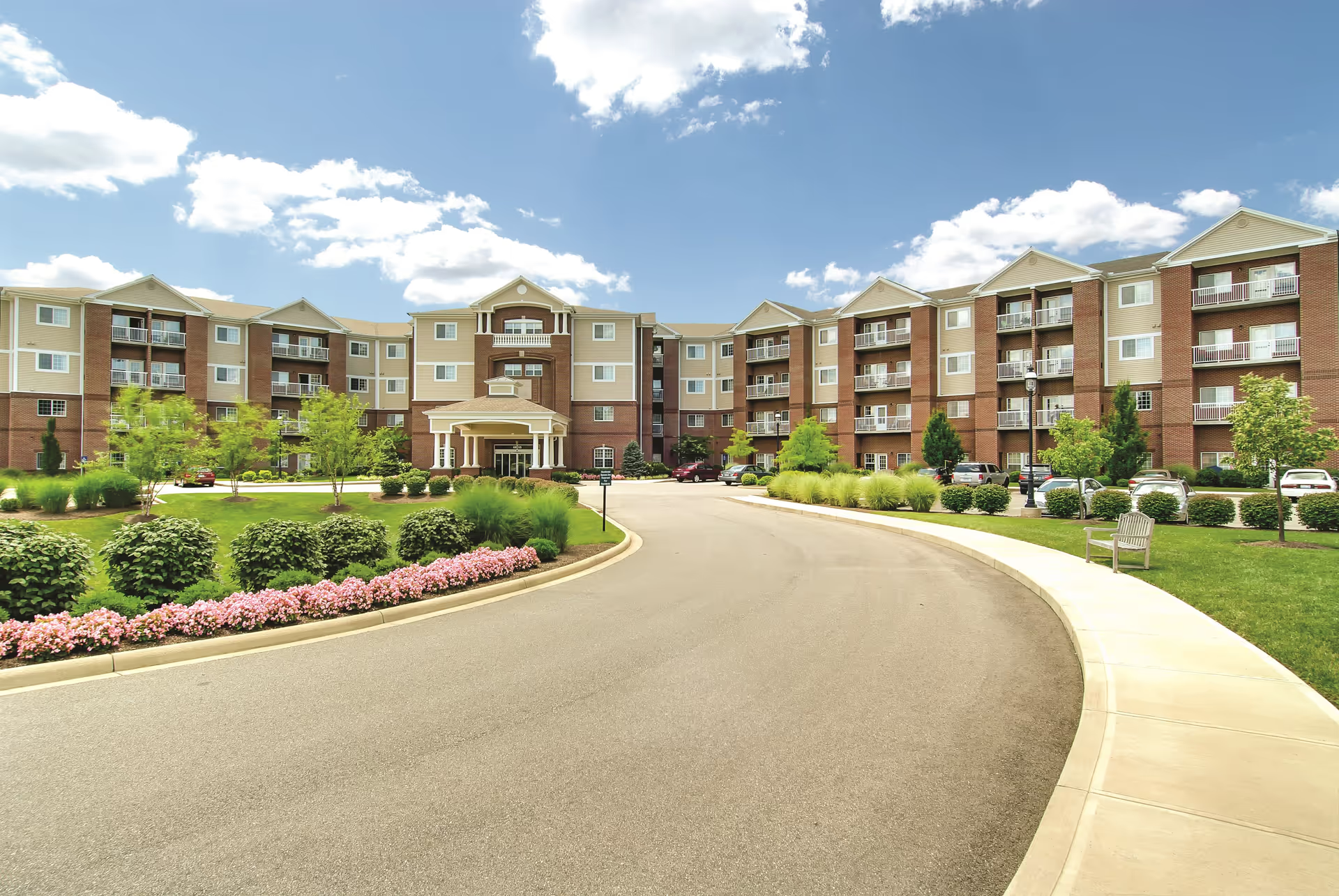
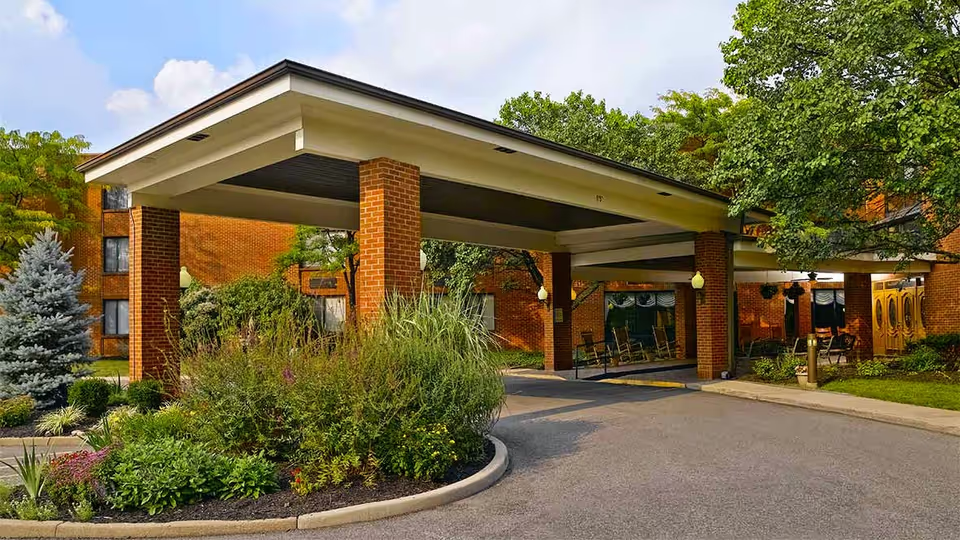
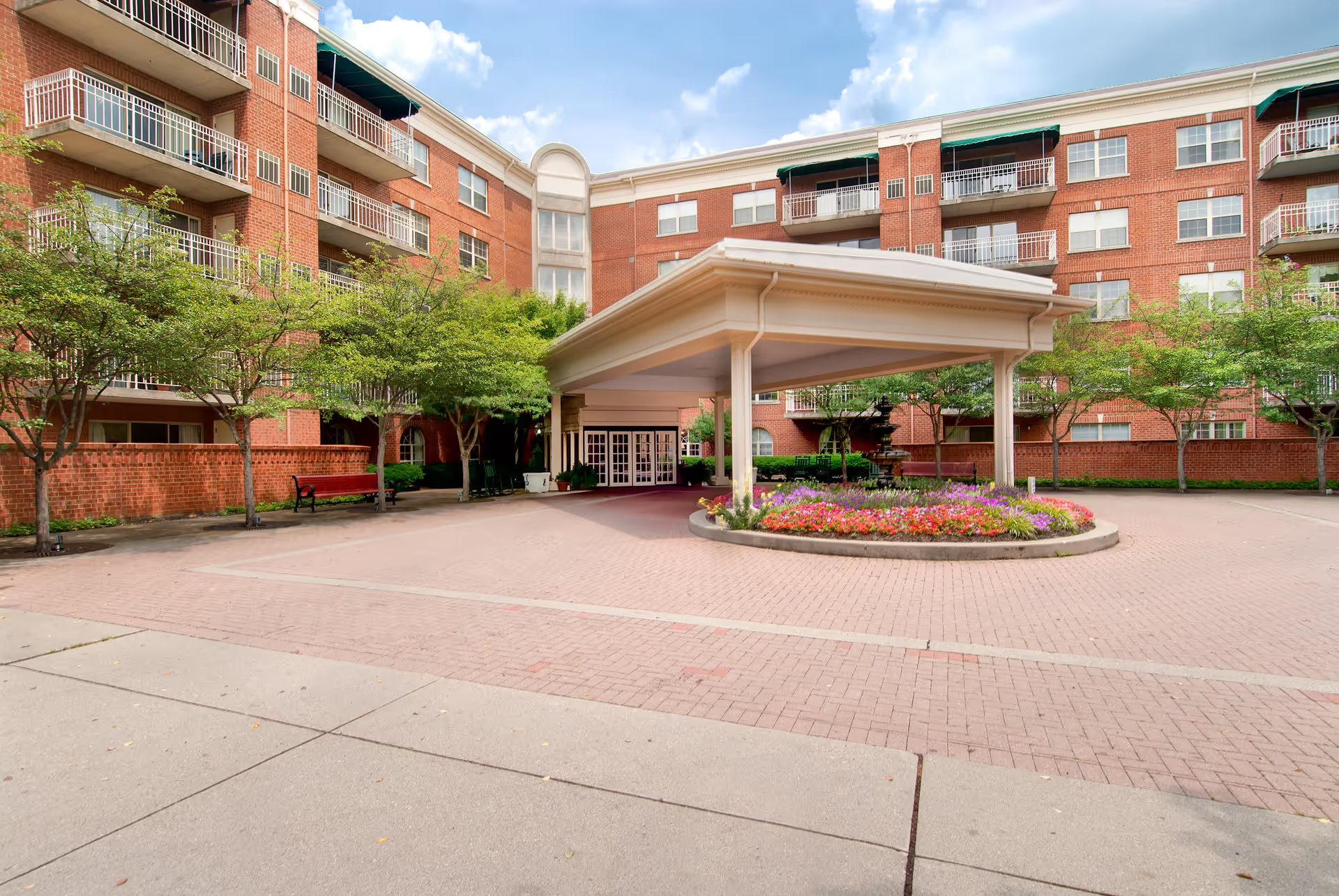
Scarlet Oaks presents a strongly mixed picture. Many reviewers praise the campus setting, the historic mansion and wooded grounds, renovated apartments, and a well‑equipped therapy gym. There are consistently positive accounts of individual caregivers, nurses, therapists and an engaged admissions team; these staff members are described as compassionate, family‑oriented and effective in facilitating transitions and rehabilitation. The community offers a broad activities program (religious services, bingo, arts and crafts, concerts and outings), on‑site skilled therapy including respiratory support, and practical services such as weekly maid service and transportation to appointments.
At the same time, a substantial portion of feedback identifies operational and environmental shortcomings. Staffing levels and continuity are a recurrent concern: reviewers describe frequent turnover, reliance on temporary staff, and particular weaknesses on nights and weekends. Those staffing issues are linked to delays in responding to call lights and family requests, inconsistent personal‑care assistance and gaps in grooming and basic support. Clinical coordination also appears uneven — while some therapists and nurses receive high praise, others are described as poorly coordinated or limited in the frequency of sessions, producing variable rehabilitation outcomes.
Dining and activities are similarly mixed. The facility runs an active calendar and communal events that residents often enjoy, but meal quality and menu variety are noted as inconsistent, with limited special‑diet accommodation reported in some accounts. The dining room and communal spaces are frequently described as attractive and social, yet food preparation and scheduling reliability have been questioned.
Facility condition and housekeeping are prominent areas of concern. Reviewers contrast renovated, resort‑like areas with older wings that show deferred maintenance: issues cited include air‑conditioning reliability, broken blinds, cracked sidewalks, water outages and other building‑maintenance shortfalls. Sanitation and odor control issues and pest‑control concerns in parts of the facility are recurrent themes; these have implications for housekeeping practices and infection‑control oversight. Safety and security process gaps are also raised, including access control and mechanical issues such as elevator safety.
Management and administration comments are polarized. Some families describe positive, responsive leadership and ongoing improvements under new management; others describe weak communication, unexpected billing or insurance changes, and even allegations of theft and billing irregularities. Given the variability in accounts, prospective families should verify current management practices, staffing ratios, and written financial and clinical policies.
Recommendation for evaluators: an in‑person visit is essential. Observe cleanliness and odor control in both public and residential areas, ask about current staffing ratios (including nights/weekends), review therapy schedules and documentation of care plans, request written policies on billing and insurance changes, and confirm pest‑control and maintenance records. Speak directly with current families, sample a meal, and visit during an activity period to assess programming. The facility offers clear strengths in setting, certain clinical programs and dedicated staff members, but the operational inconsistencies identified warrant careful, up‑to‑date verification before placement.