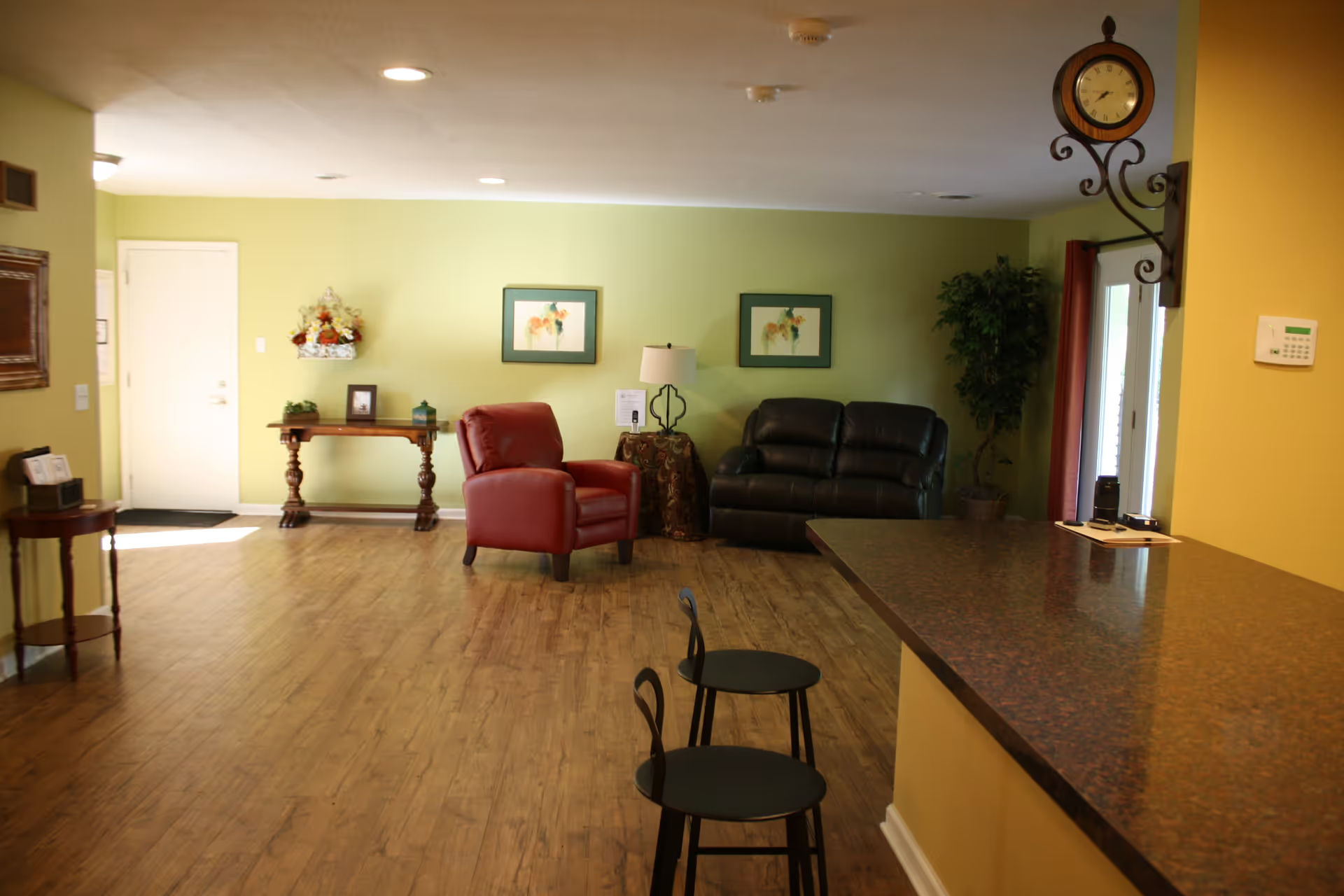
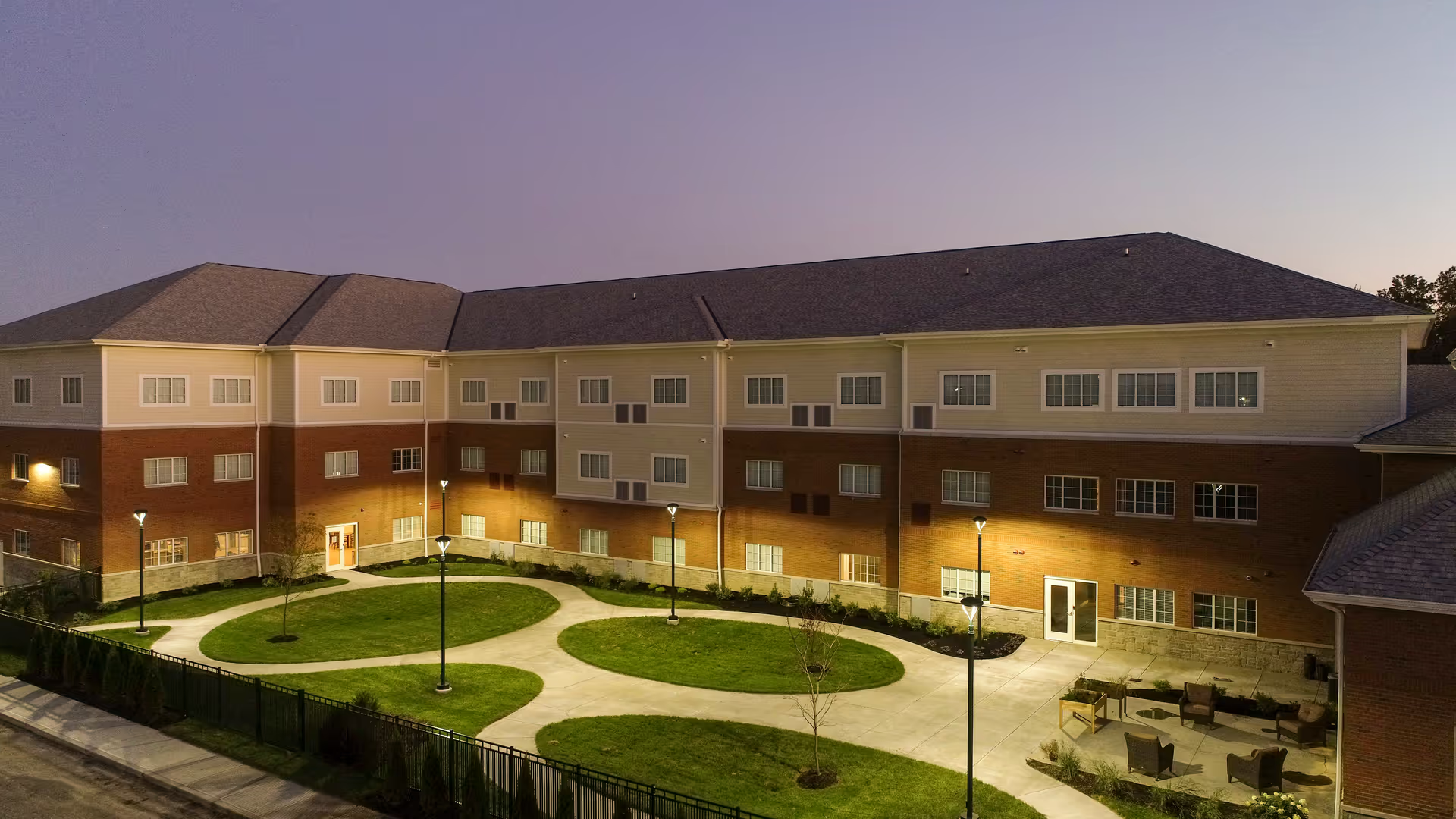
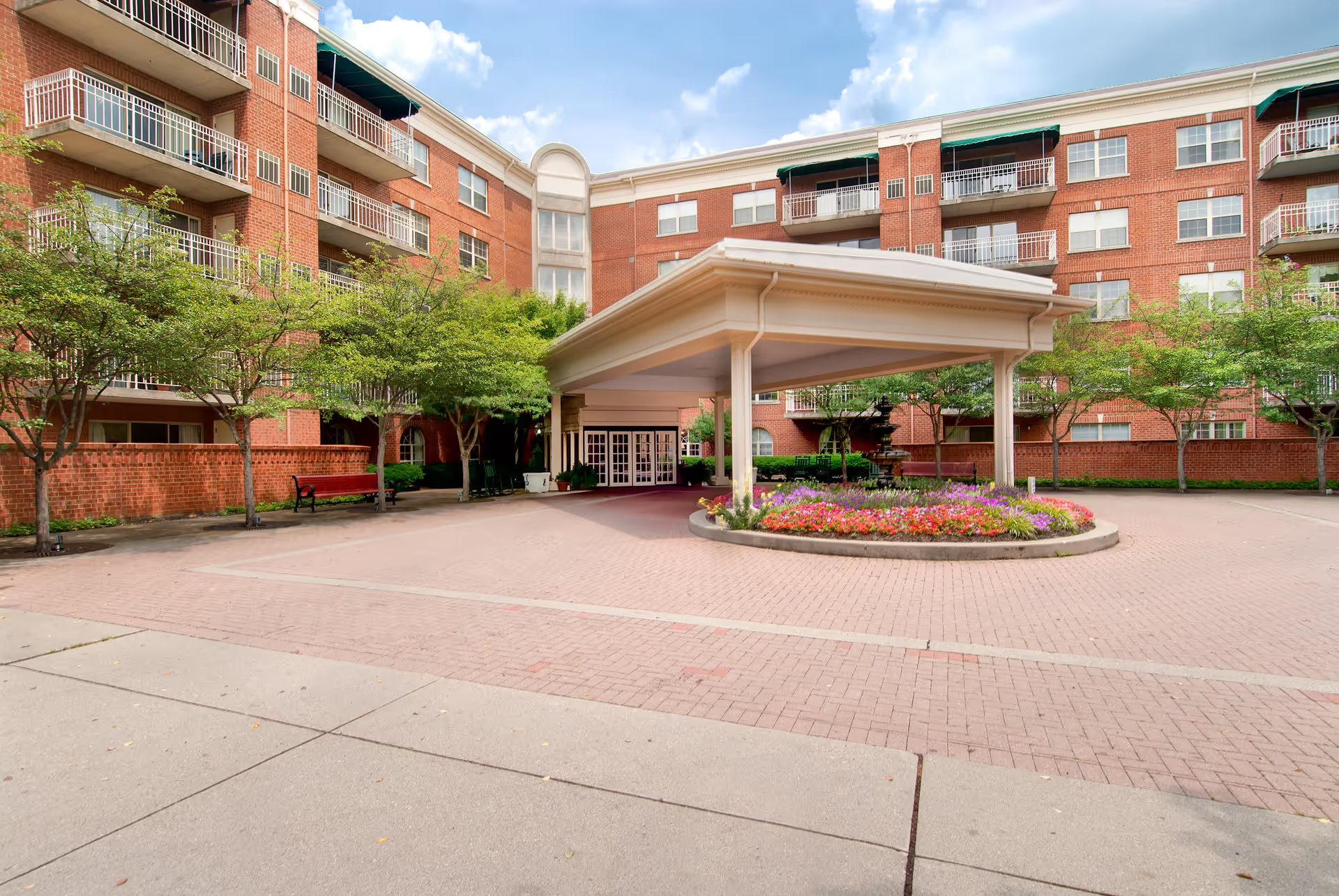
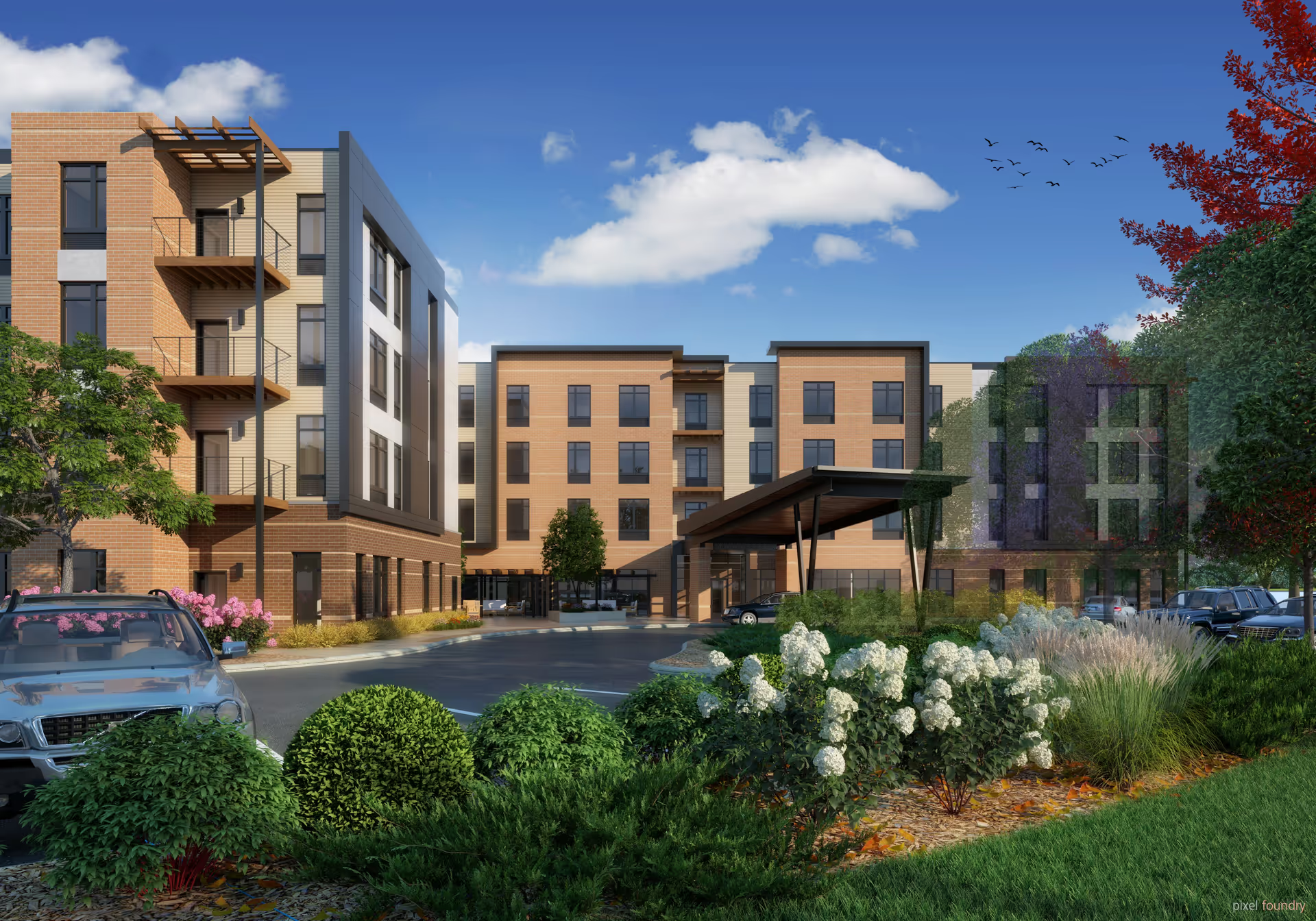
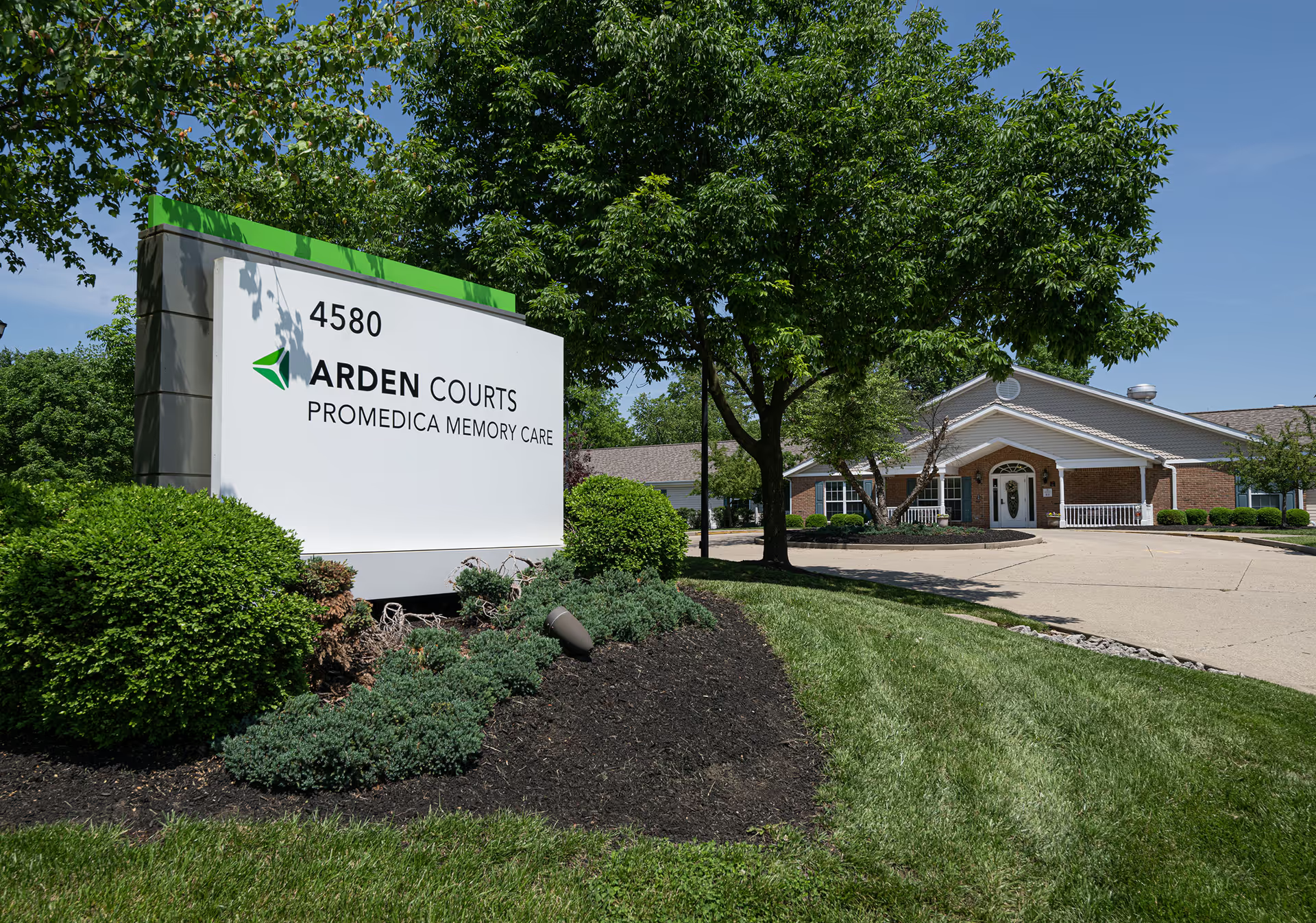
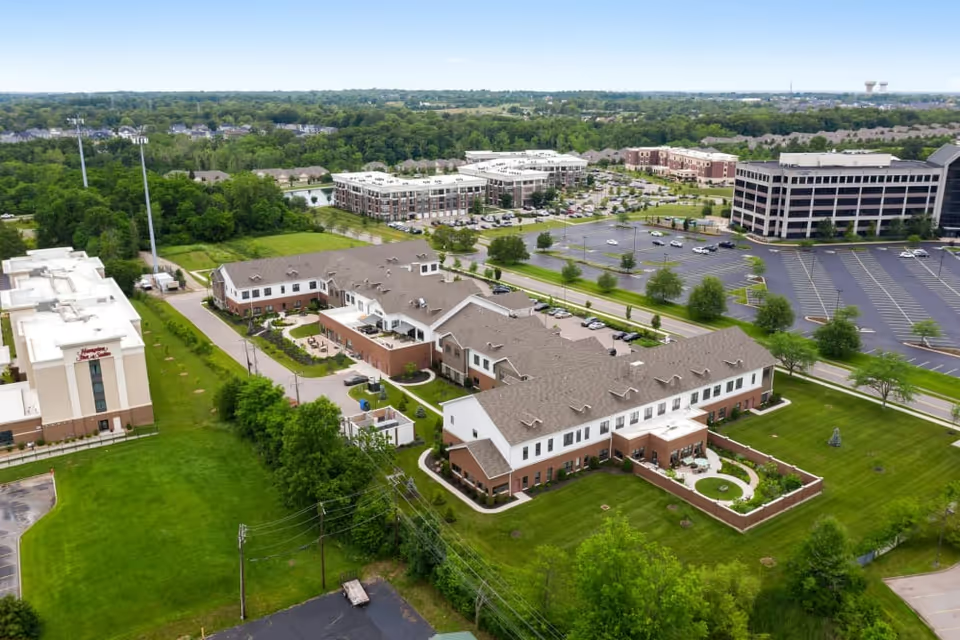
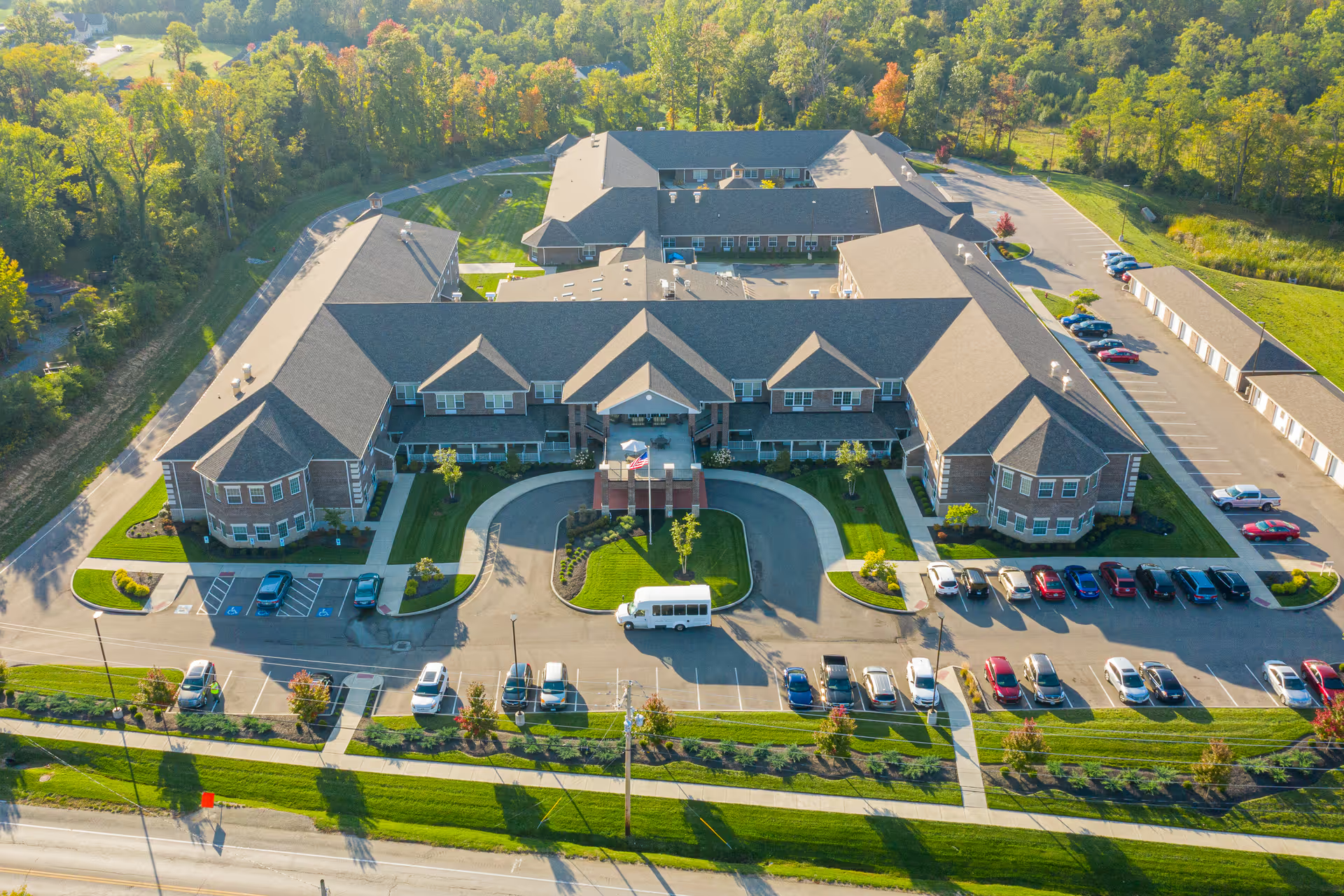
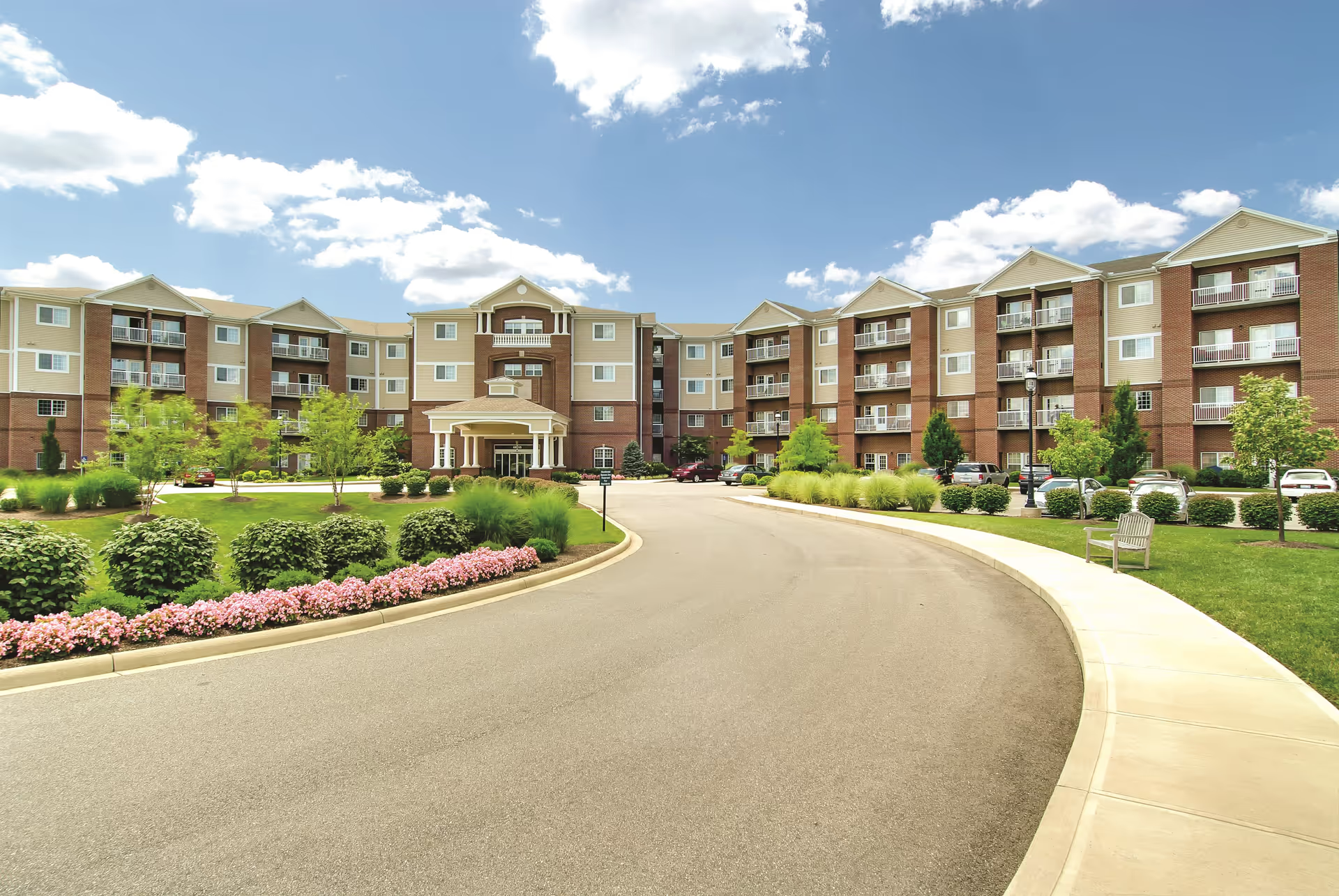
The reviews present a mixed but actionable picture of Twin Lakes Senior Living Community. Physically the campus is frequently described as attractive and upscale: well-maintained grounds, resort-like architecture, bright interiors, and a range of apartment and villa configurations with provided appliances. Onsite amenities such as an indoor pool, health club, parking/garage, and multiple campus offerings, together with walkable grounds and customizable unit finishes, are consistent strengths. Many families and prospective residents praised the activities program and described an environment that supports social engagement and wellness.
Care quality and clinical practices emerge as the most significant area of concern. Several reviews describe specific incidents that point to gaps in monitoring, delays in clinical response, and problems with medication handling and identification. Memory-care families raised particular worries about the unit's operational controls and lockdown procedures. These accounts suggest variability in how clinical needs are triaged and attended to; prospective residents with higher nursing needs should explicitly verify the facility's clinical staffing, emergency-response procedures, and medication-safety protocols during a visit.
Staffing and management present a mixed pattern. Some reviewers described friendly, knowledgeable, and accommodating staff who contributed to a warm atmosphere. Others described limited staff visibility on busy days, poor follow-up, unresponsiveness to family inquiries, and examples of staff using personal devices in communal spaces. There are also comments suggesting workforce morale and management-stability issues, which can affect consistency of care and service. Clear communication channels, expected response times, and the facility's approach to staff training and retention are reasonable topics to probe when evaluating this community.
Dining and programming are generally viewed positively but with caveats. The food quality is frequently praised and take-home meal options are available; however, reviewers noted that dining spaces can feel small relative to demand and that meal pricing is on the higher side. The activities calendar and wellness programming are seen as strengths that support socialization and an active lifestyle, particularly for independent and healthier seniors.
Cost and scale are important practical considerations. The community carries a high upfront fee and premium monthly costs in line with its upscale positioning. The campus size and layout were described by some as large and occasionally impersonal, with some units located a distance from elevators or dining areas — factors that may matter for residents with mobility limitations. Reviewers also raised privacy concerns related to persistent marketing outreach.
Overall, Twin Lakes offers strong facility amenities, a polished physical environment, and robust social programming that appeal to independent and active seniors. At the same time, reviewers indicate variability in clinical responsiveness, medication controls, staff consistency, and management practices. Prospective residents and families should arrange an extended tour that includes: direct observation of staff–resident interactions, specific questions about clinical staffing levels and emergency response times, verification of medication-safety and identification procedures, a review of memory-care safeguards if applicable, and a detailed breakdown of fees and dining capacity. These focused inquiries will help determine whether the community's operational practices align with an individual’s care needs and expectations.