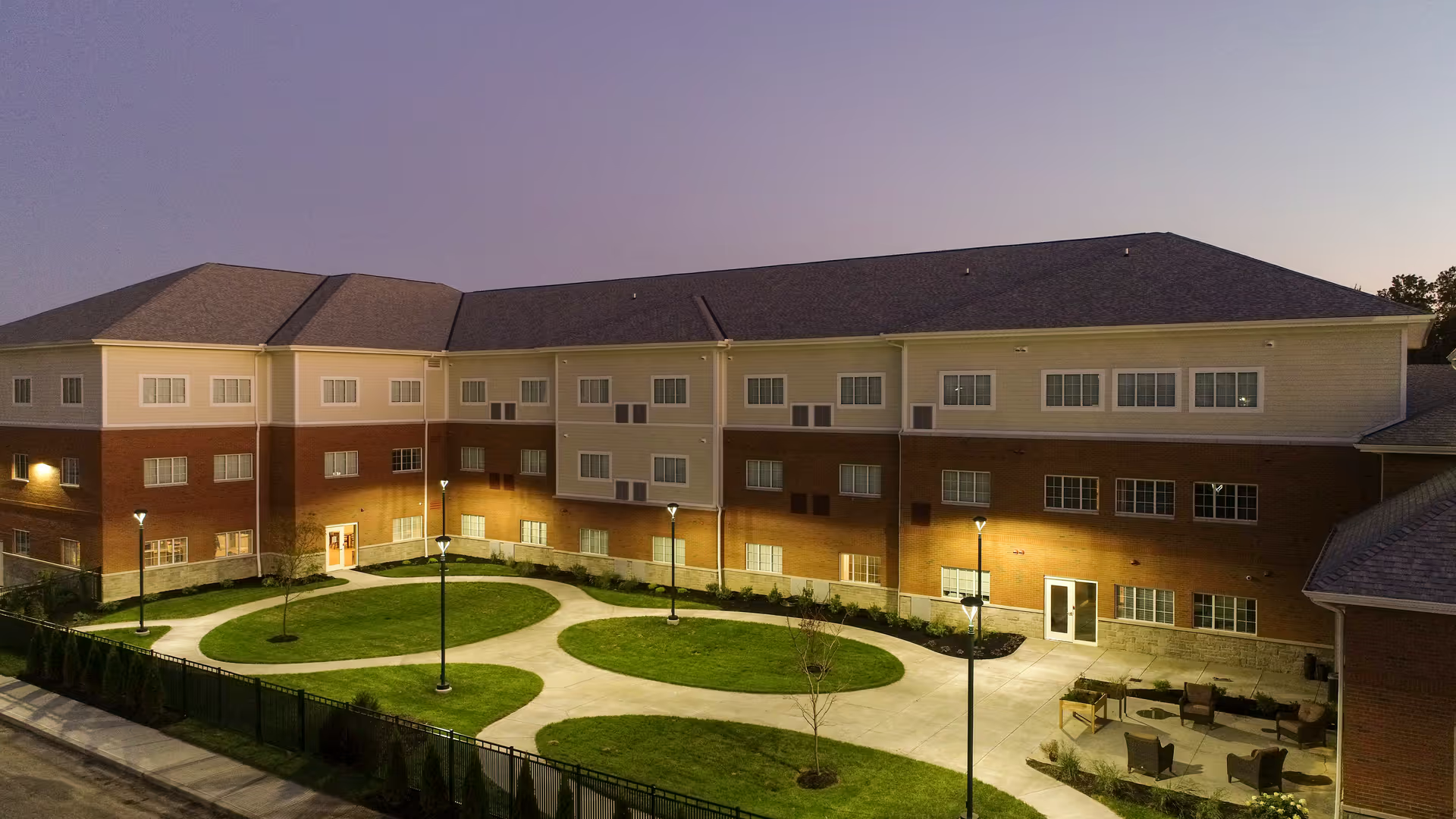
The reviews present a mixed picture of care at Wellspring Health Center. Many families and residents praise the interpersonal side of the operation: nursing staff, therapy teams, social services, and some unit teams are described as compassionate, knowledgeable, and proactive. The facility offers a number of practical conveniences that families value, including on-site specialty visits (dental, podiatry, audiology), assistance with Medicare and transportation, organized private-room transitions, and a robust rehabilitation program that has supported notable functional gains for several residents. Dining and landscaping receive frequent positive remarks: food quality is often described as good and the grounds are accessible and attractive.
At the same time, there is a recurring pattern of operational concerns that prospective families should weigh. Staffing consistency and responsiveness emerge as central issues: reviewers describe variable staff availability across shifts, delays in answering call lights or assisting with personal care, and inconsistent room upkeep. Related clinical risks are noted — including medication-administration problems, delayed clinical follow-up, and transfer practices that reviewers felt increased fall risk — suggesting gaps in clinical oversight and safety protocols. Several accounts also raise concerns about incontinence-care timeliness and general sanitation maintenance.
Communication and leadership are described as uneven. Some families praise specific leaders and social-work staff for being organized and approachable, while others describe slow or poor communication about incidents, missed calls, and limited physician availability (physician coverage was noted as restricted in some instances). Management turnover and inconsistent follow-through on concerns are mentioned as factors that affect continuity of care and family confidence. There are also accounts that characterize interactions with some staff as lacking in dementia sensitivity or warmth, which is relevant for residents needing memory-focused care.
Activities and social programming are strengths in many reports: daily events, dementia-friendly engagement, outings, and occasional special touches (ice-cream cart, holiday meals) were appreciated and linked to improved resident mood. However, activity levels and staff engagement during meals and social times were described as variable, with some families observing lower participation or inattentive staff at certain times.
In summary, Wellspring Health Center offers notable clinical and social resources — particularly in rehabilitation, social services, specialty visits, and outdoor amenities — and many families have had positive experiences with specific staff members and programs. The principal areas for due diligence are staffing consistency, timely clinical response and medication oversight, transfer and fall-prevention practices, and reliable communication with families. Prospective residents and families should consider visiting at different times of day, ask about staffing ratios and physician coverage, review fall-prevention and medication-administration policies, and observe staff–resident interactions in both care and dining settings to assess fit and safety.