Reviewer feedback for Western Hills Retirement Village is mixed, with families and residents describing both reliable strengths and significant operational weaknesses. Positive experiences center on direct-care staff, on-site clinical services, dining and activity options, and some aspects of the physical plant. However, the facility also shows recurring administrative and clinical-process gaps that prospective residents and families should evaluate closely.
Care and staff: Many families complimented cheerful, attentive nursing and caregiving staff and named individual employees who were particularly helpful. Reviews describe caregivers and kitchen staff who can create a warm, family-like atmosphere for some residents. At the same time, there are consistent concerns about responsiveness to assistance requests, delays in attending to personal-care needs, and variability in clinical knowledge among staff. Several reviews raise concerns about medication management and at least a few serious medication-related allegations; additionally, reviewers describe circumstances where emergency or urgent clinical response and physician escalation were slower or less coordinated than expected. Overall, staffing and bedside manner appear capable in many cases but uneven, with variability in timeliness and clinical oversight.
Administration and management: Multiple reviewers cite problems with intake and discharge coordination, missing or incomplete paperwork, and poor communication from management and the site director. Families describe instances of administrative follow-through gaps, calls going to voicemail, and difficulty obtaining timely updates. These issues suggest a management culture and communication processes that may require improvement to reliably support transitions of care and family engagement.
Dining and activities: The facility offers on-site dining (lunch and dinner), varied meal experiences that some residents found tasty, and a range of daily activities (bingo, games, activity room). There is outdoor green space and a seasonal pool for recreational walking and exercise. That said, some residents reported not being encouraged to participate in activities or feeling isolated from the programmed offerings, indicating inconsistent engagement efforts.
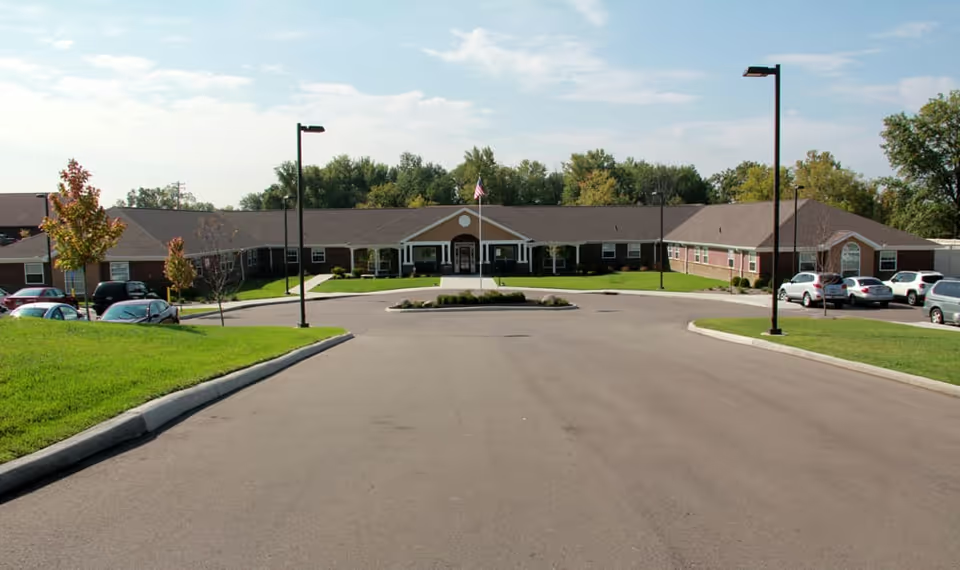
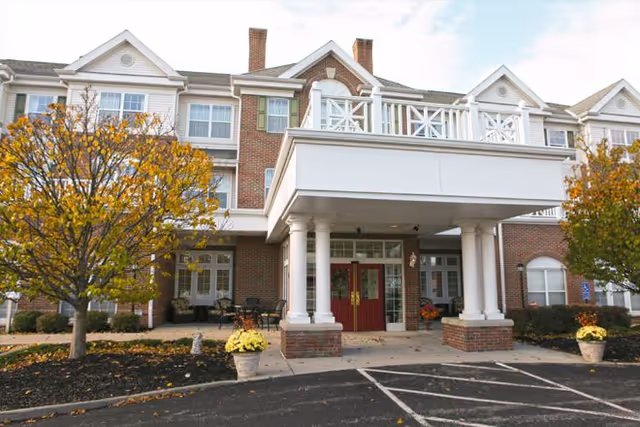
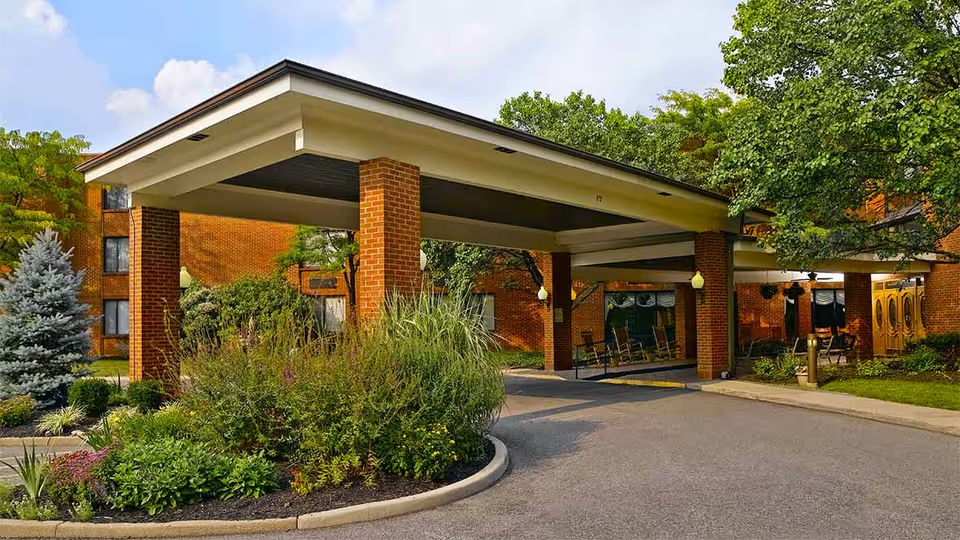
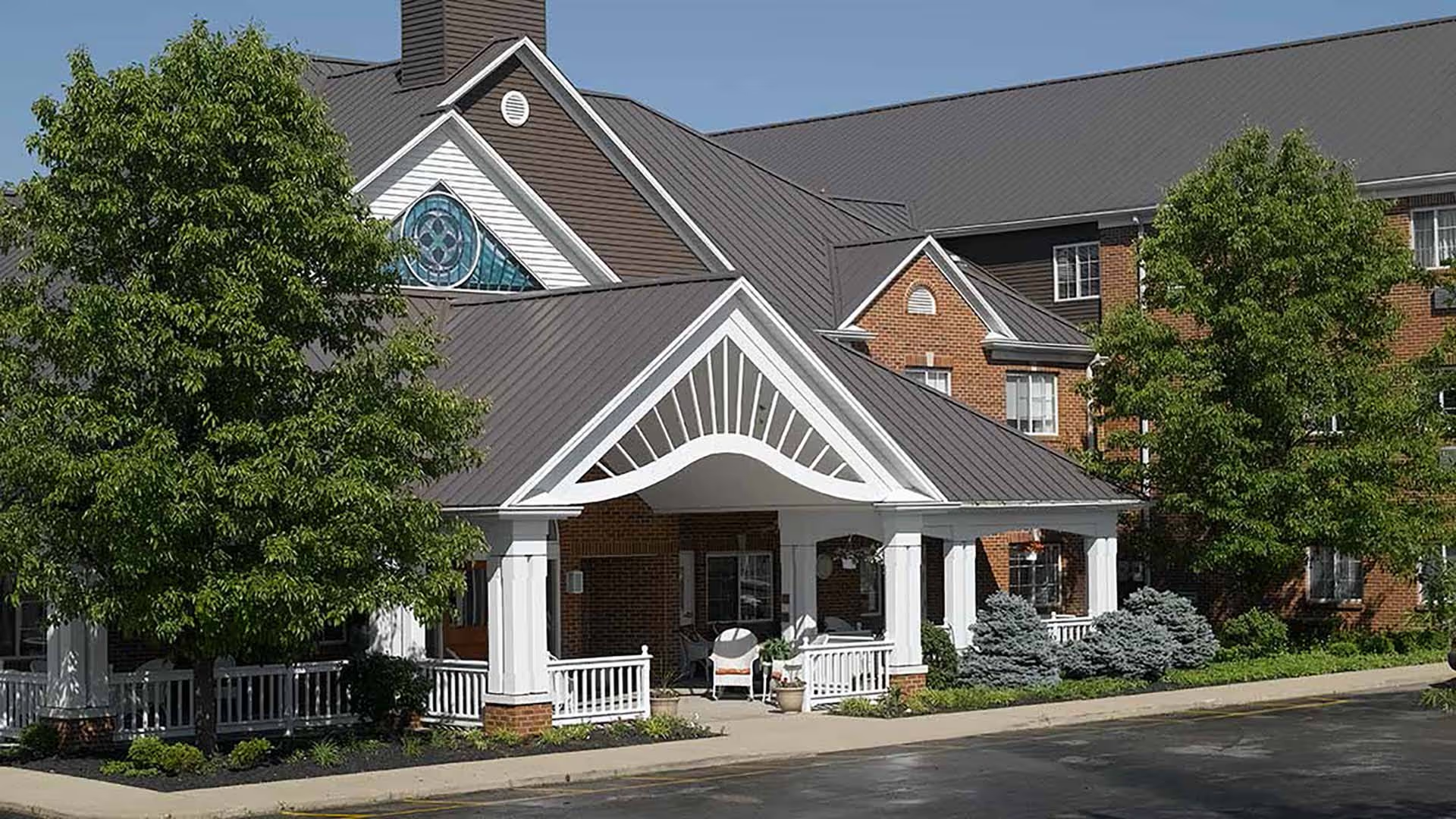
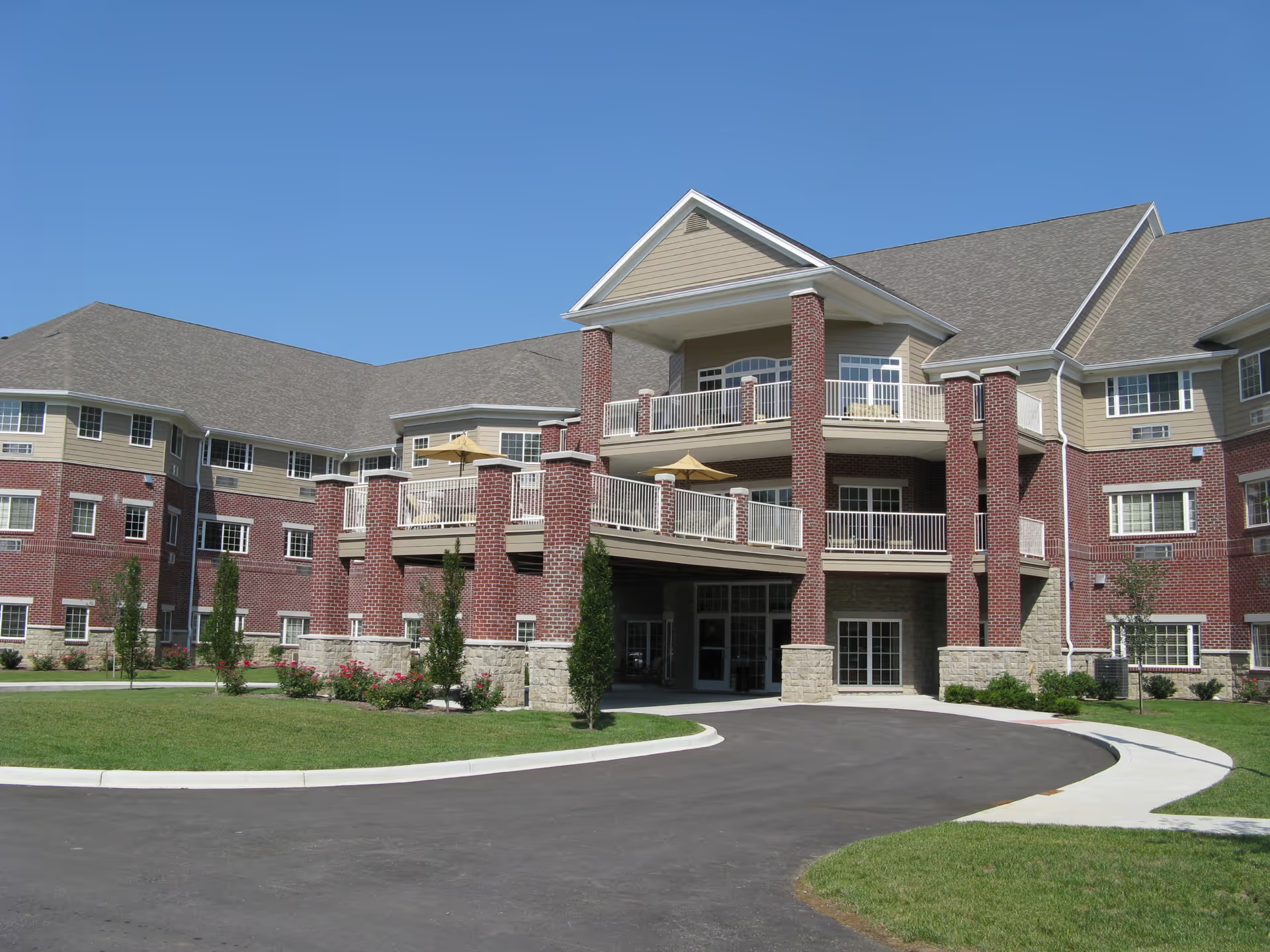
Facilities and environment: Some visitors found rooms and common areas clean and well-maintained, appreciated in-room kitchenettes and walk-in showers, and valued the location. Conversely, others raised sanitation and maintenance concerns in parts of the building, described dim lighting in areas that could benefit from upgrades, and noted very small room footprints that are not always wheelchair-friendly. Shared rooms can pose noise and privacy challenges, and private rooms may be limited.
Notable patterns and guidance: The reviews are polarized — several families report positive, attentive care and a comfortable environment, while others report substantive operational lapses in medication oversight, clinical response, discharge processing, and documentation. A small number of serious allegations (including medication-related events and involvement of external authorities) were raised and should prompt careful inquiry. Prospective residents and families should tour the specific unit they would occupy, meet nursing leadership, ask for details on medication administration and emergency escalation protocols, review discharge procedures and paperwork workflows, confirm staffing ratios and physician availability, inspect room dimensions for accessibility, and sample meals and the activity schedule before committing.
In summary, Western Hills appears to offer meaningful strengths in direct care, therapy services, dining, and community amenities, but consistent administrative and clinical-process issues reported by families indicate the need for due diligence and direct assessment of the facility’s current practices before making a placement decision.