Woods Edge elicits strongly mixed impressions. A substantial portion of reviewers praise the clinical and rehabilitative side of the operation: nursing and therapy staff are frequently described as caring, competent, and effective, with several families specifically noting positive short-term rehabilitation outcomes and successful returns to mobility. The facility also offers a large, well-equipped therapy gym, active programming and holiday events, in-house transportation for outings, and admissions staff who are reported as knowledgeable and helpful during transitions.
At the same time, there is a persistent set of operational concerns. Multiple reviewers describe inconsistent cleanliness and sanitation in certain units and common areas, including odor concerns in elevators and hallways, and delays or gaps in incontinence-related care. These issues point to uneven environmental services and hygiene practices that may vary by unit or shift. Several comments also raise broader staffing and leadership issues: reports of high staff turnover, chronic understaffing on some shifts, and frequent administrative changes that families feel affect continuity of care and the facility’s responsiveness.
Dining experiences are notably variable. Some families describe home-style, satisfying meals, while others describe pre-prepared or high-sodium menu items, poor accommodation of dietary restrictions, and an unresponsive kitchen. This inconsistency suggests that dietary quality and flexibility may depend on timing, staffing, or the particular team on duty; prospective residents should confirm policies for special diets and substitutions during intake.
Communication and care coordination are another recurrent theme. Positive accounts highlight staff who know residents and families well and who provide compassionate, personalized attention. Conversely, a number of reviews cite delayed responses to clinical concerns, gaps in medical oversight, and poor communication around transfers or discharges. These patterns indicate variability in how incidents and family questions are handled, and they reinforce the importance of asking about staffing ratios, on-shift clinical leadership, and family communication protocols when evaluating placement.
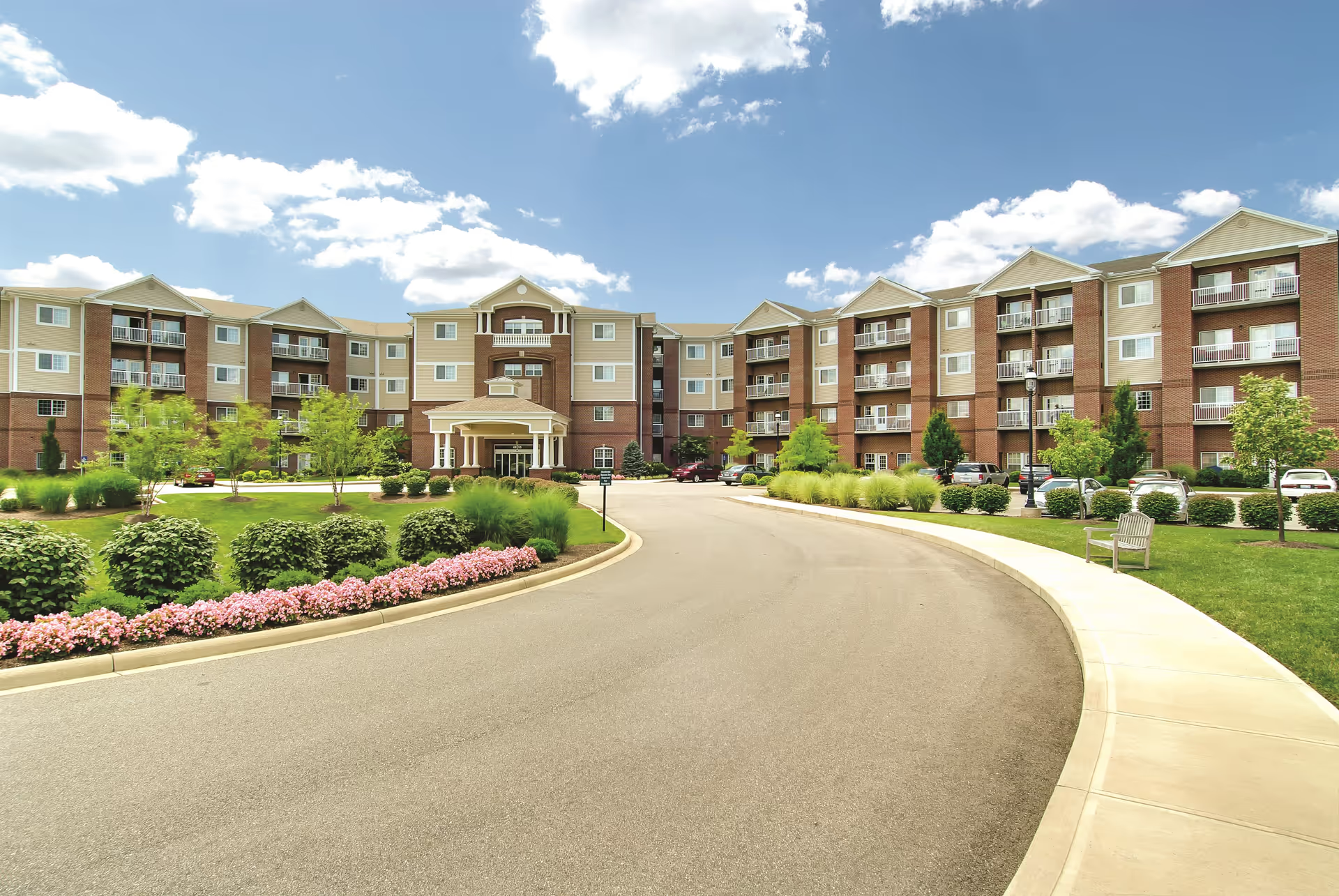
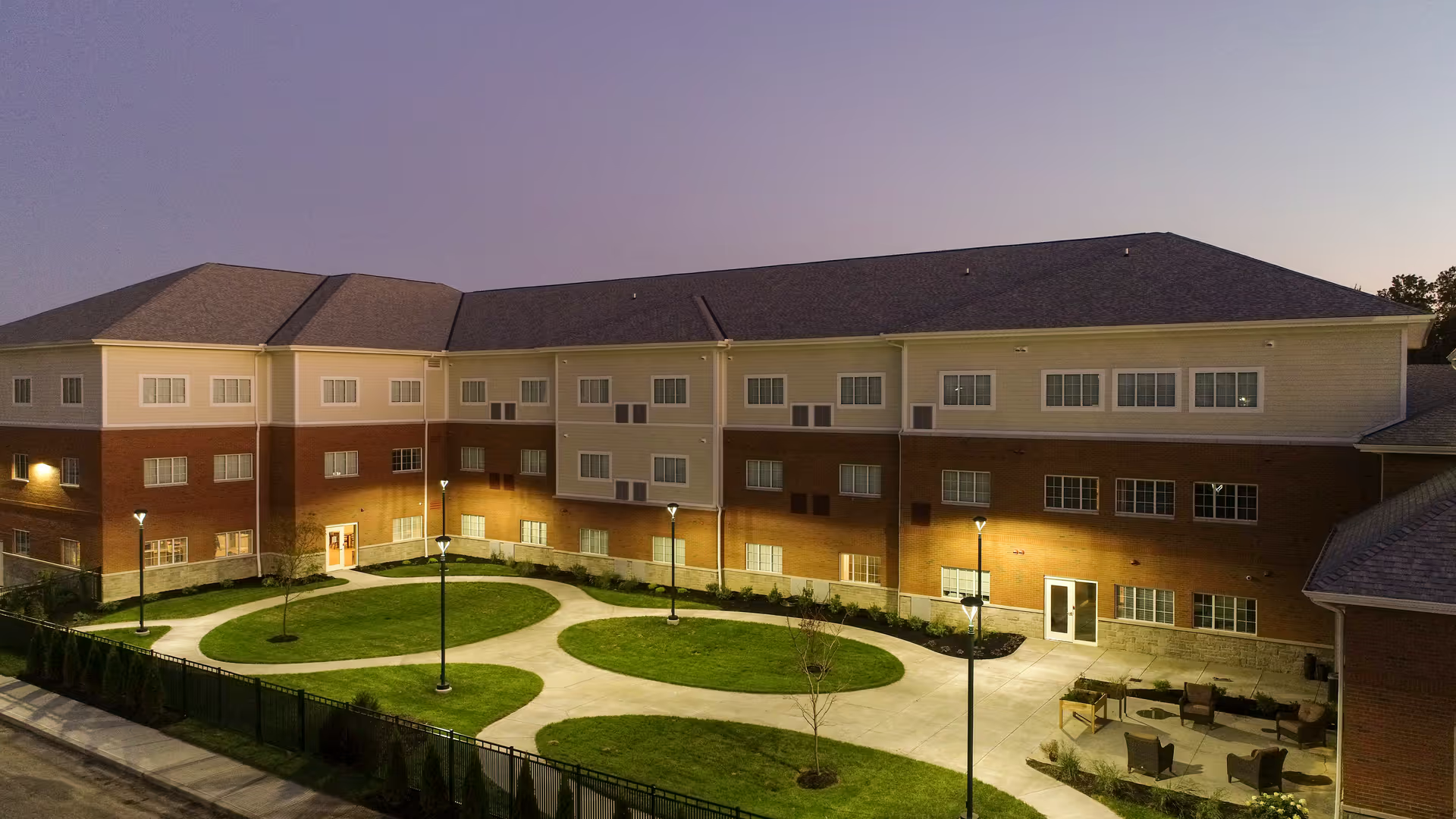
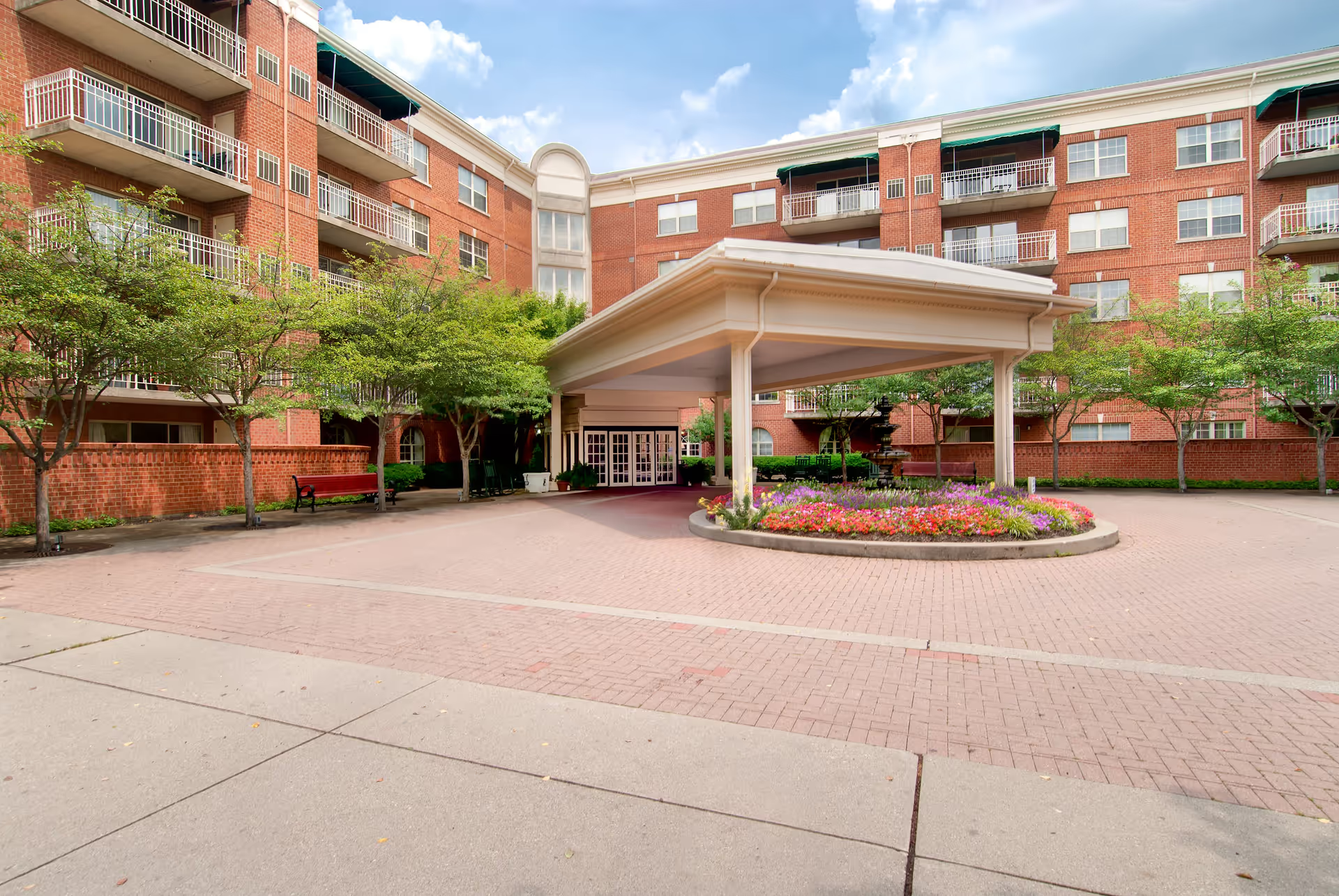
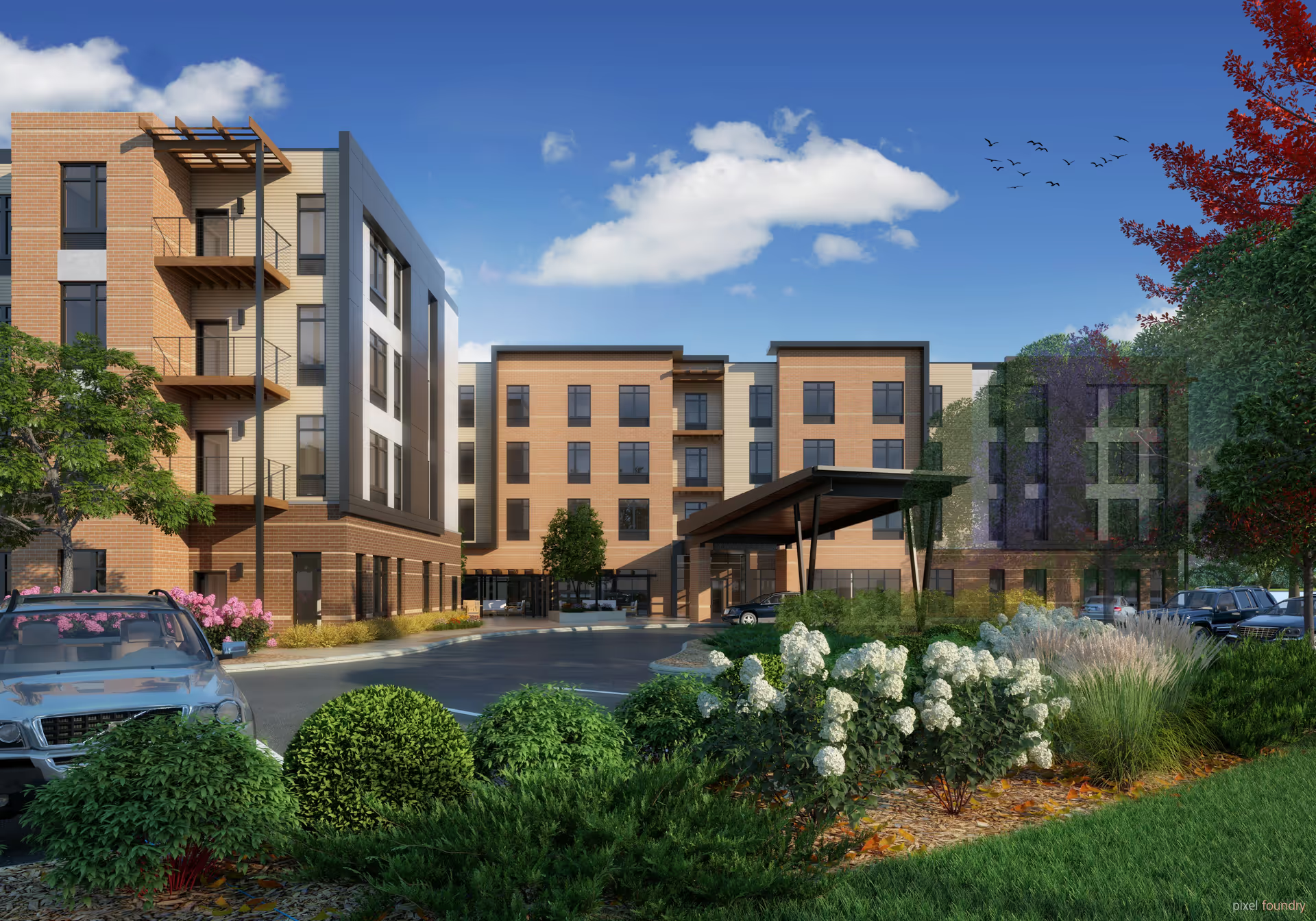
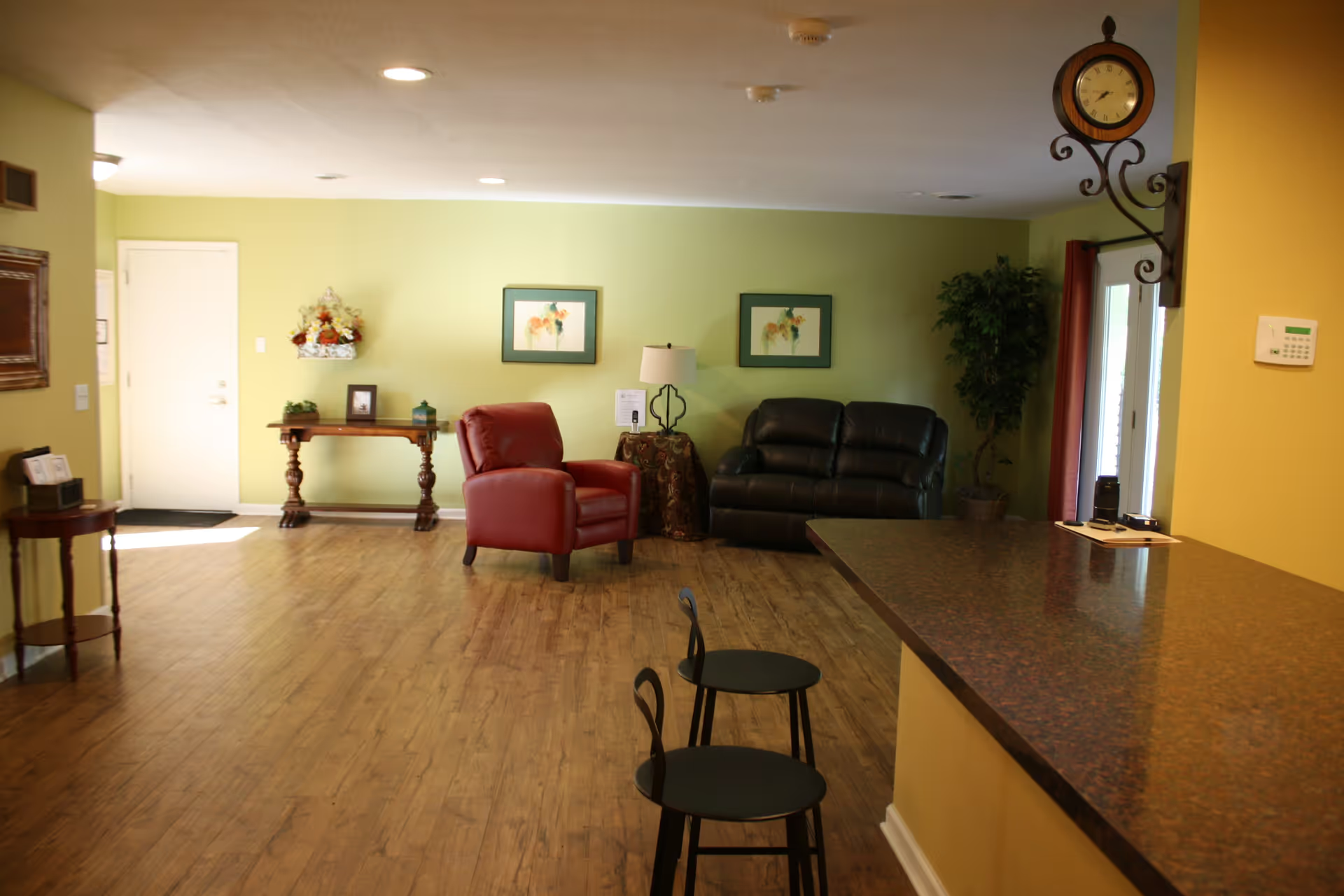
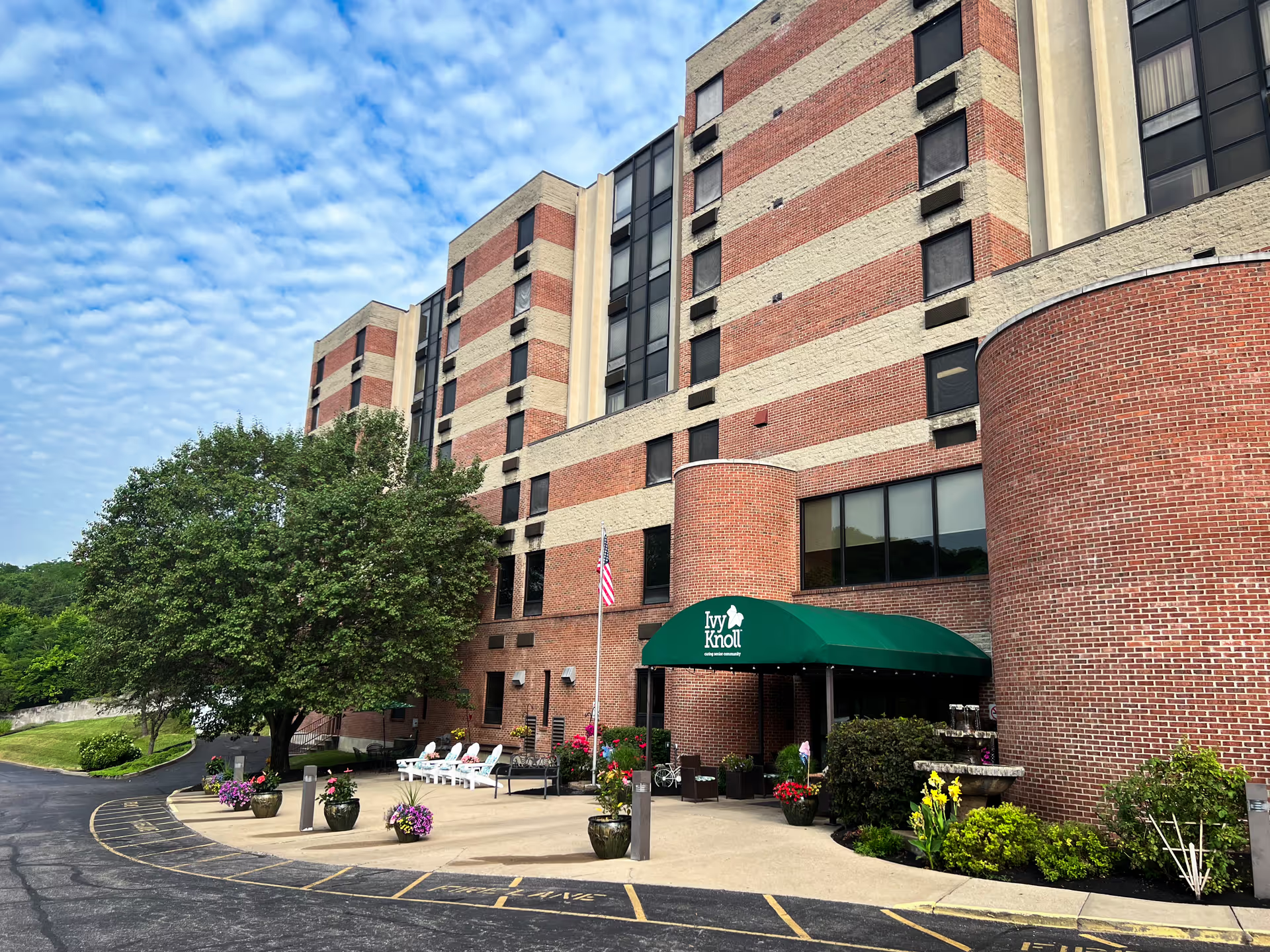
Facility condition feedback is split: many reviewers call the building attractive, bright, and comfortable, while others point to areas that need updating, poorer lighting in parts of the building, and deferred maintenance. Taken together, the reviews suggest that Woods Edge can provide strong short-term rehabilitation and personable caregiving in many cases, but that long-term experiences are more mixed and appear sensitive to staffing levels, leadership stability, and unit-level housekeeping and dietary management.
For prospective residents and families: arrange an in-person tour during a mealtime and an activity period; ask to see the specific unit where the resident would be housed; request current staffing ratios, turnover metrics, and examples of how dietary restrictions are handled; and inquire about recent leadership tenure and quality-improvement actions addressing sanitation and communication. Those steps will help assess whether the facility’s strengths align with the prospective resident’s clinical and daily-living needs.