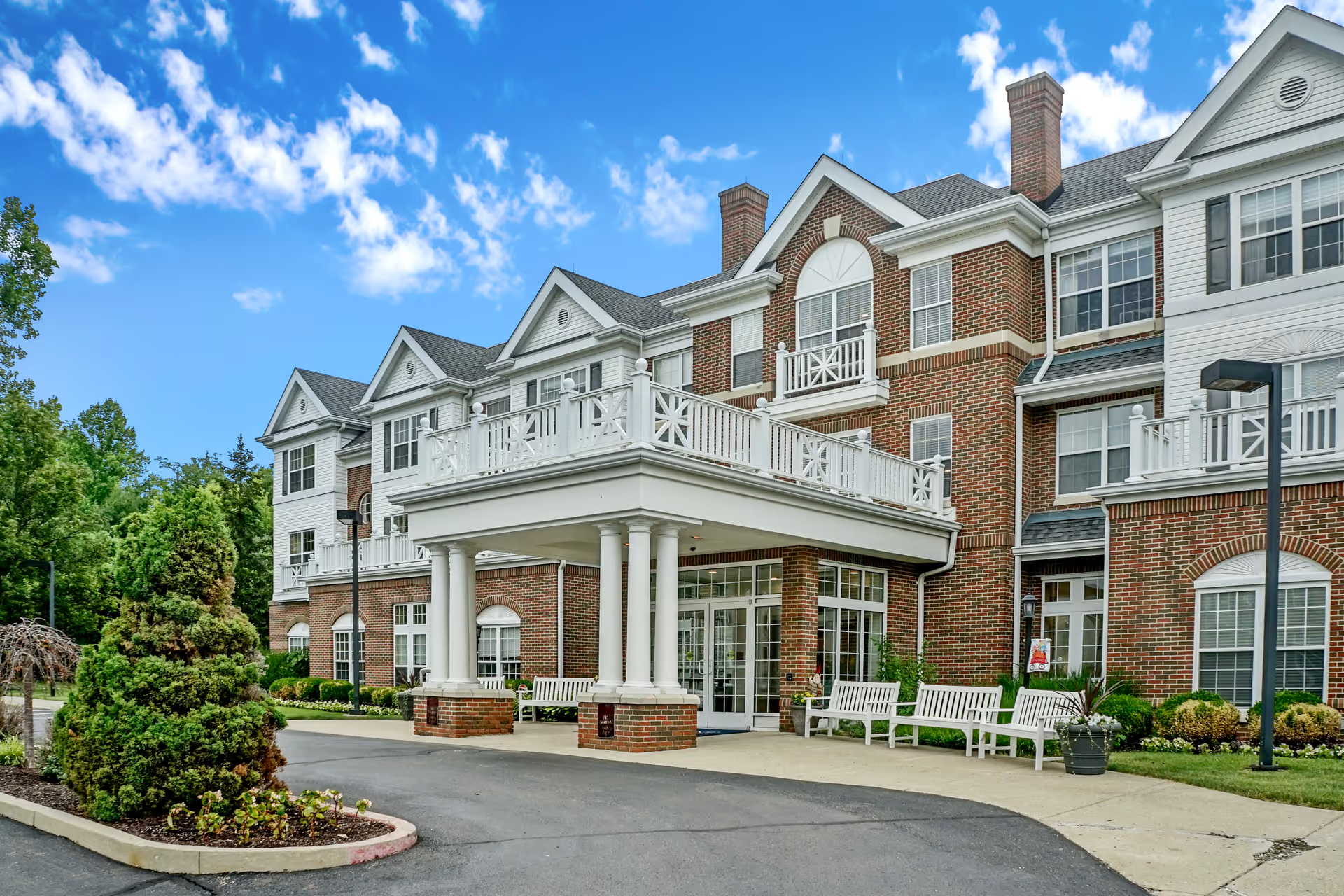
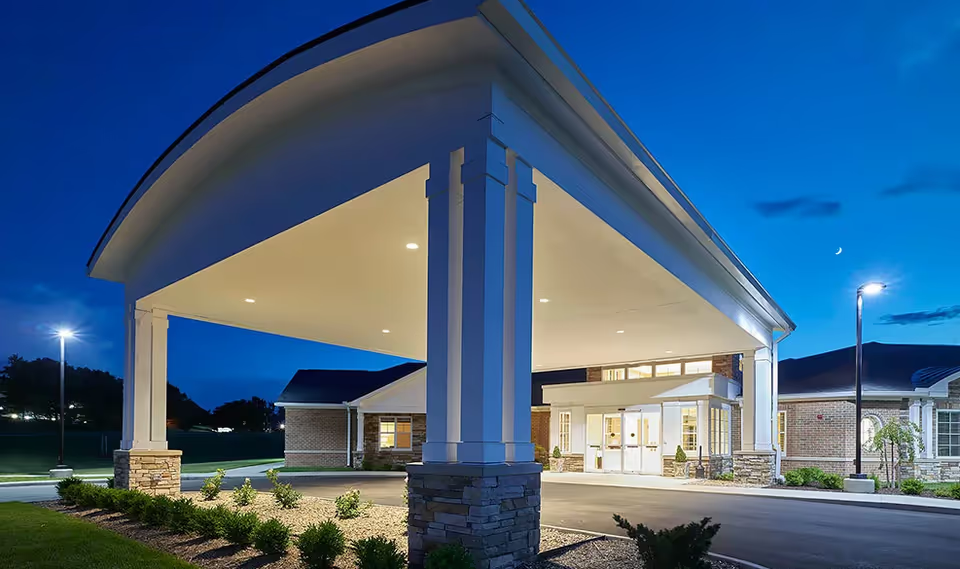
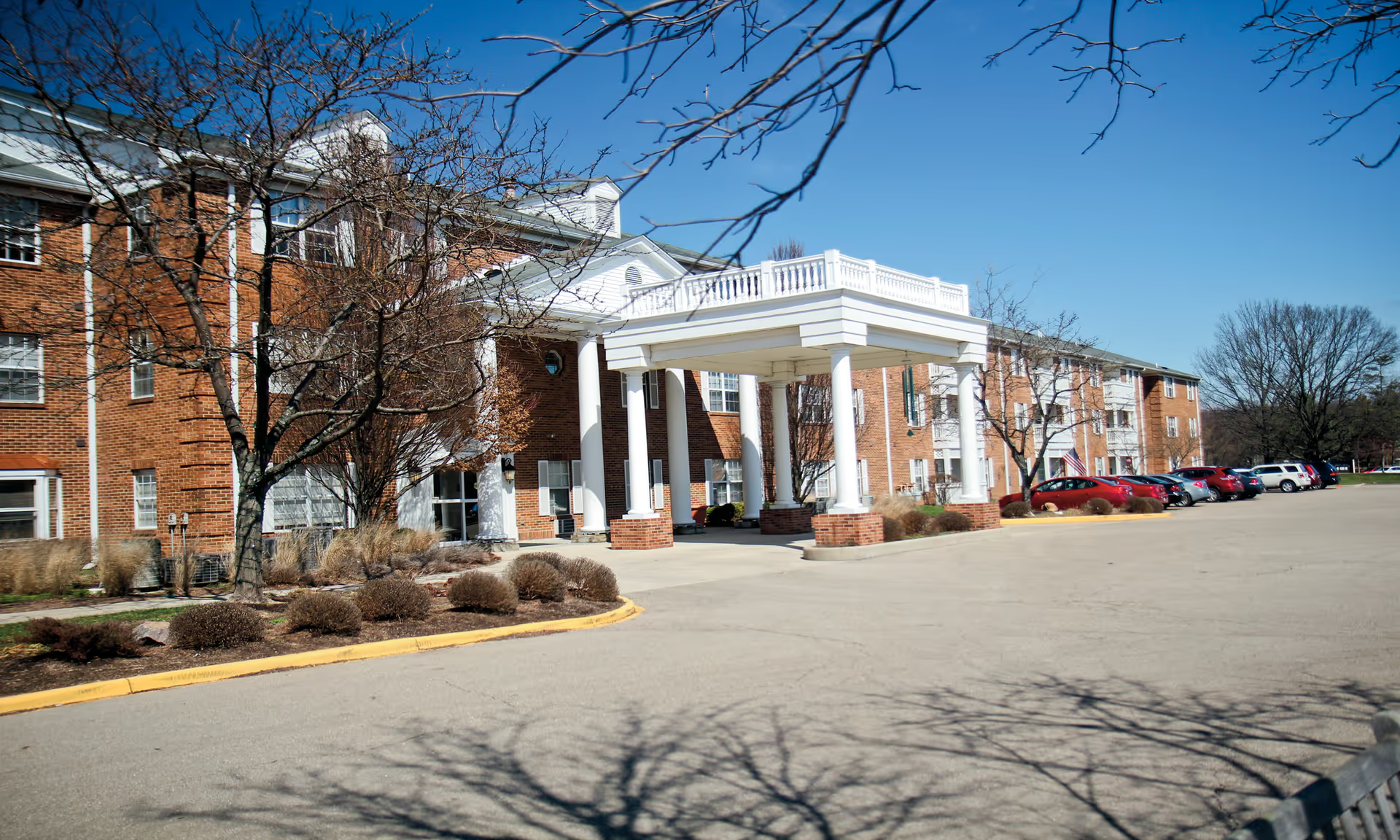
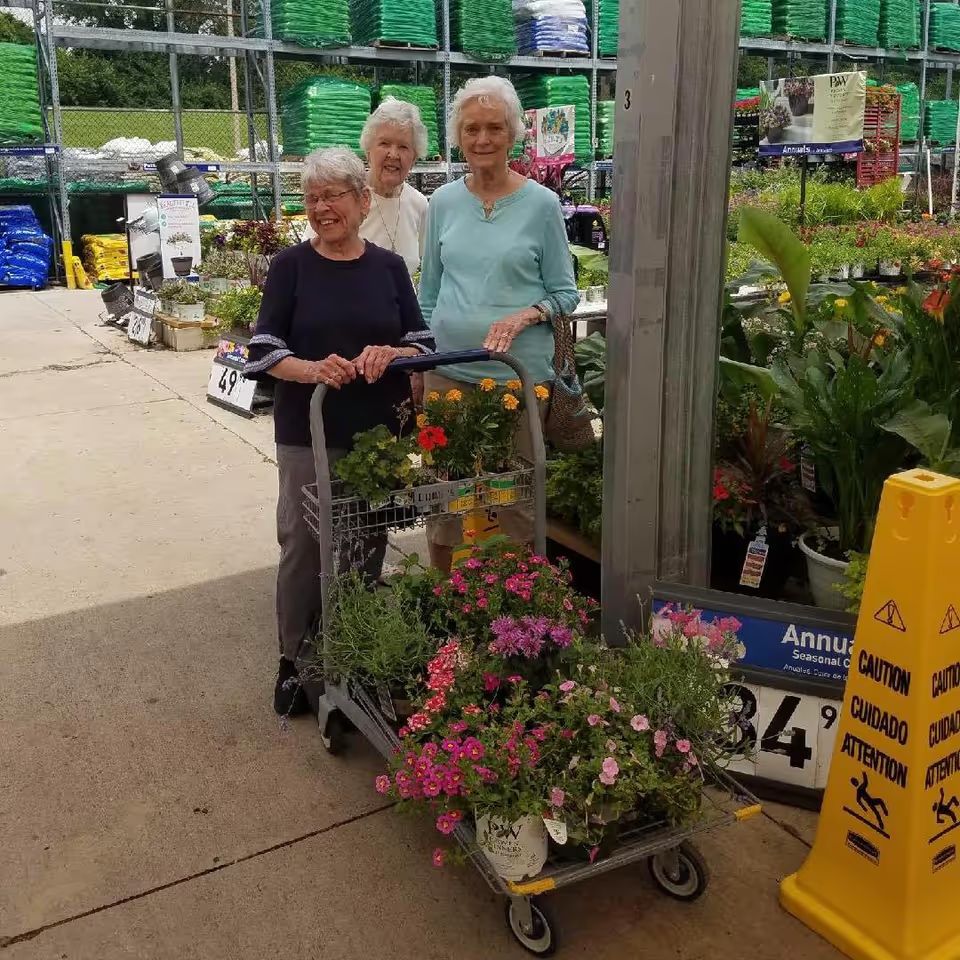
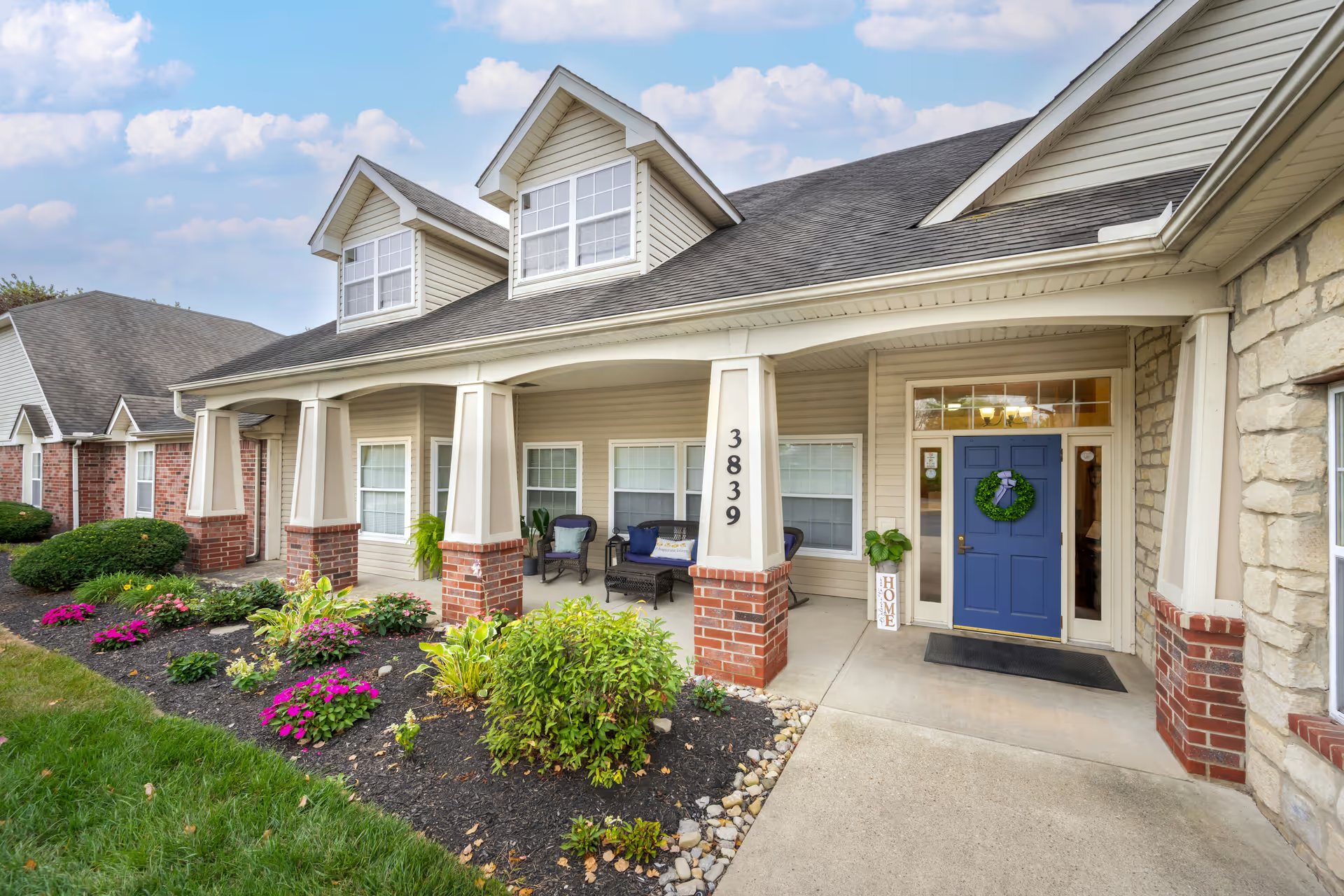
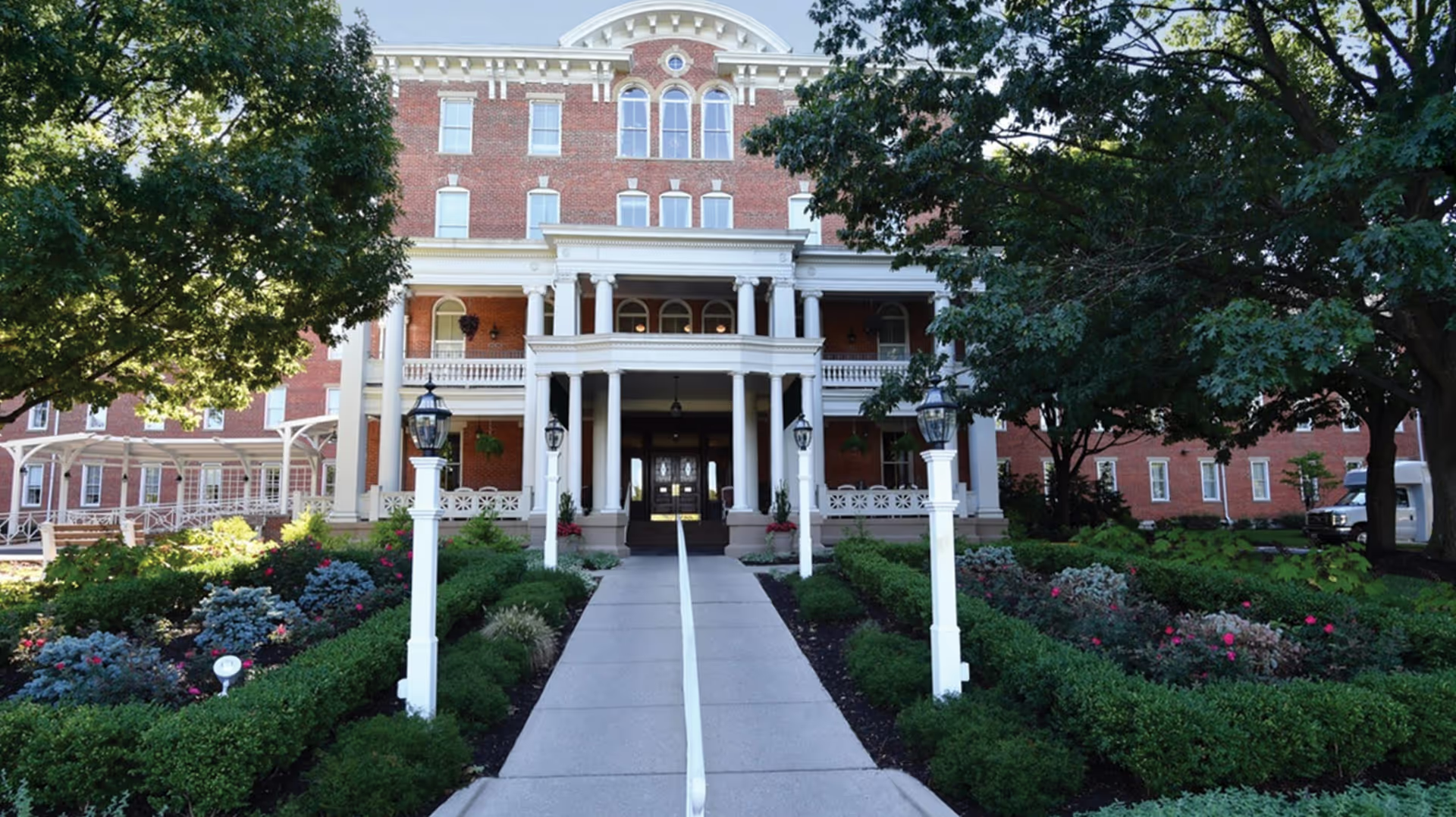
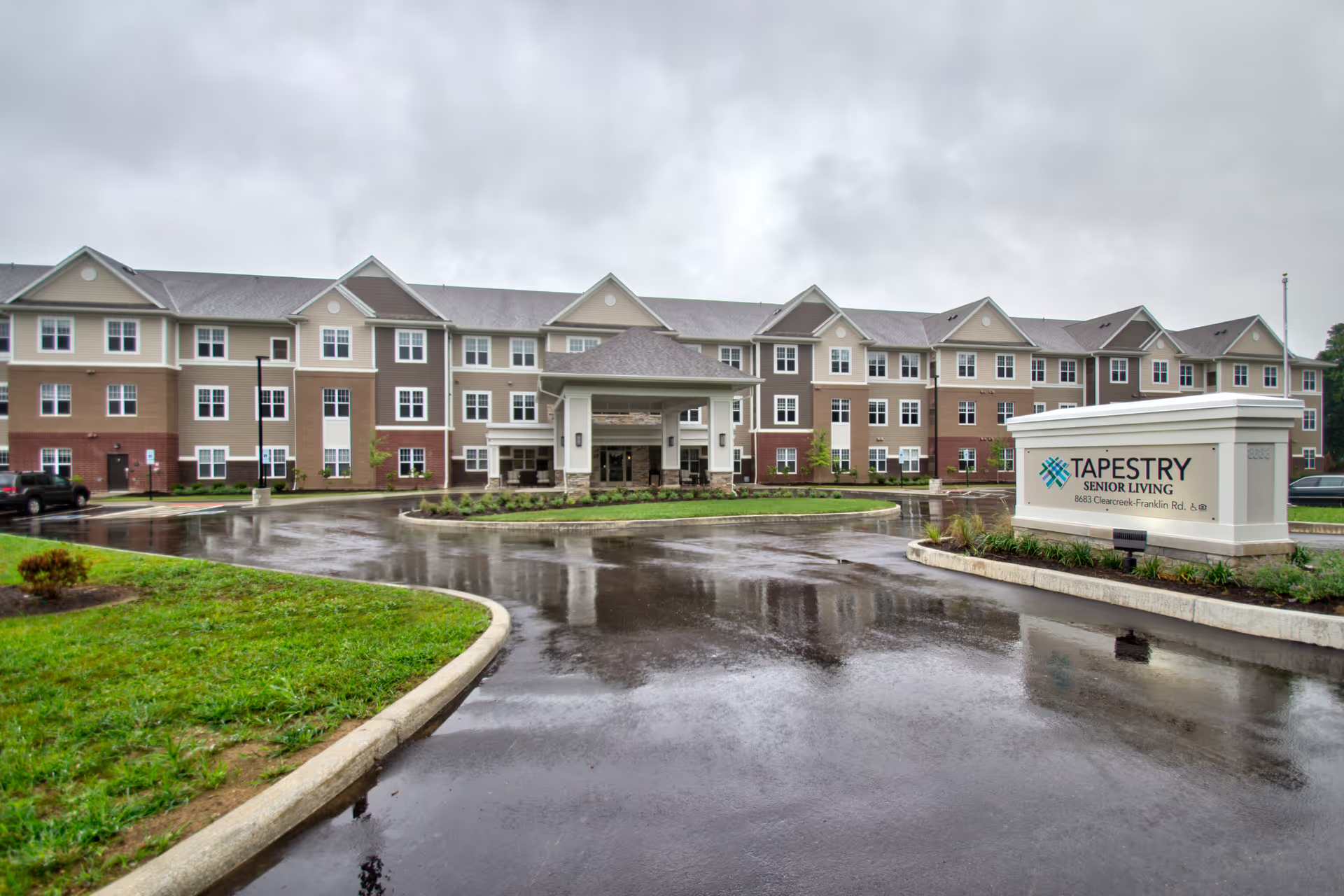
The reviews describe a facility with strong physical assets and a broad service model, paired with recurring operational inconsistencies. Many families praise the campus: attractive grounds, contemporary architecture, abundant natural light, lake views, multiple dining venues, a gym and activity spaces, and a full continuum of care from independent living through memory care and skilled nursing. Several accounts describe effective on-site rehabilitation programs and therapy teams that produced meaningful recovery for some residents. The activity program and lifelong-learning offerings receive frequent positive notes, including book clubs, music, classes, and transportation for events.
Care and staffing are the most mixed areas. Positive reports highlight compassionate, professional caregivers and strong night-shift teams; other reviews describe staff who appear hurried, distracted, or inconsistent in their approach. A recurring pattern is delayed responsiveness to calls for assistance and variability in staffing levels and continuity across shifts. These operational issues manifest as longer wait times for basic assistance, inconsistent bathing and linen access, and differing experiences with aide conduct and interpersonal tone.
Clinical and safety concerns surfaced in multiple accounts. Some families praised therapy outcomes, while others described short or irregular therapy sessions and difficulty obtaining posted schedules or a reliable point person in the rehabilitation team. More serious concerns include infection-control and wound-care issues, gaps in follow-up for specialty needs (for example podiatry and diabetic support), and examples of hospitalization after care complications. A number of reviewers referenced regulatory attention and formal complaints; these are serious matters that prospective families should investigate directly with the provider and through public records.
Dining and housekeeping receive polarized comments. Several reviewers commend high-quality, varied menus and skilled culinary staff, while others note inconsistent food quality, packaging choices, and food-handling or odor concerns in certain contexts. Cleanliness is generally described as good in common areas, but some reviewers report maintenance and sanitation inconsistencies at the unit level.
Management, communication, and administrative processes are additional areas of variability. Praise for helpful admissions staff and social-work support is balanced by accounts of unclear points of contact, cumbersome HR or admissions procedures, perceived lack of managerial accountability, and situations where billing or administrative tasks appeared to distract from bedside priorities. Cost is frequently flagged: the community is positioned at a premium price point, and several families judged the cost to be high relative to the consistency of care they experienced.
Overall, Bethany Village appears to offer extensive amenities, a pleasant living environment, and a comprehensive care model that works well for many residents—notably those who benefit from active programming and effective rehabilitation. At the same time, there are repeated operational themes prospective residents and families should probe: staffing ratios and continuity, response times to resident needs, infection-control and wound-care processes, therapy scheduling and supervision, the specific staffing model in memory care, and contractual and billing details. A thorough in-person tour, conversations with clinical leaders about staffing/quality metrics, review of recent regulatory records, and direct references from current resident families will help clarify whether the facility’s strengths align with an individual’s care priorities.