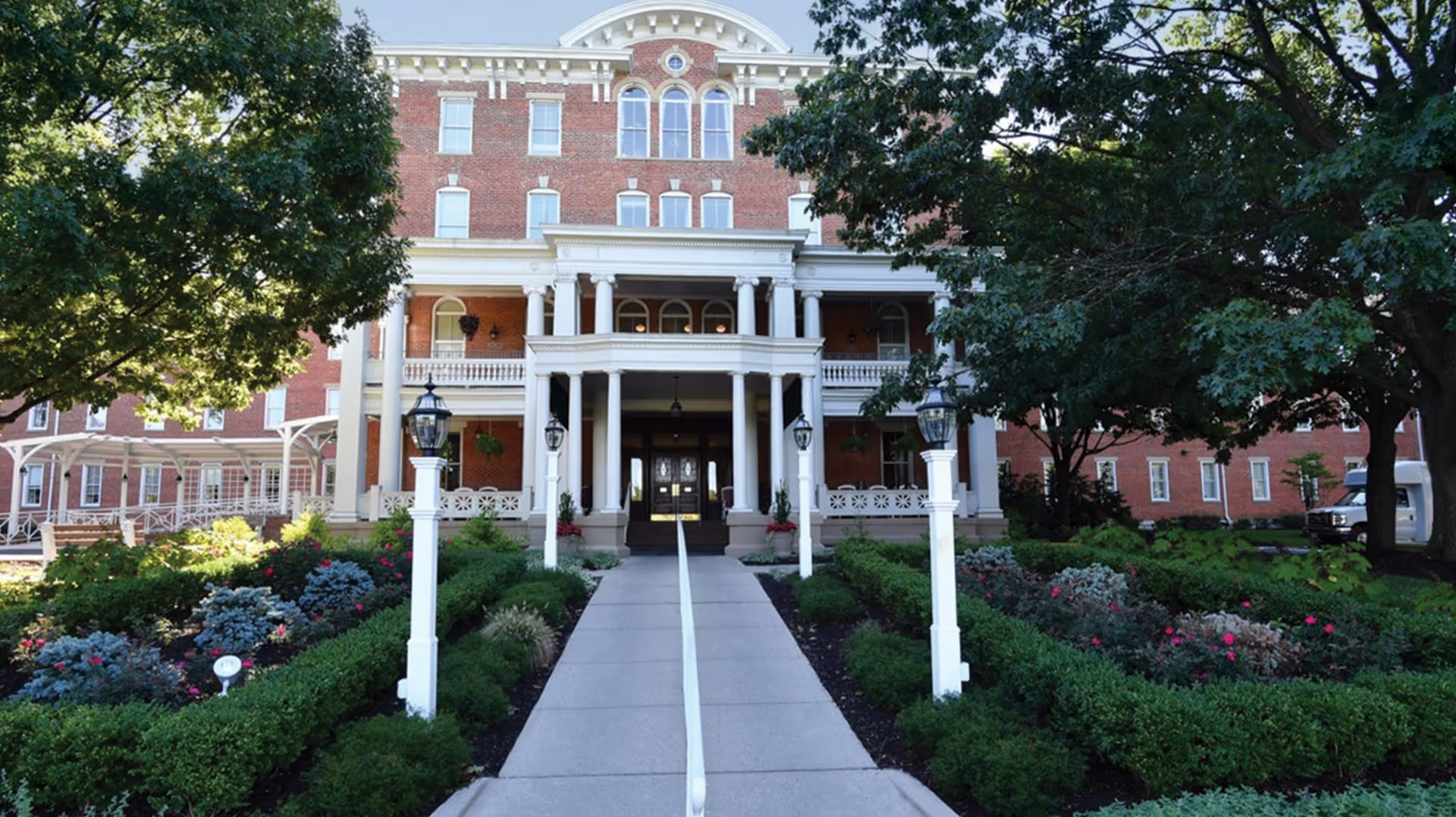
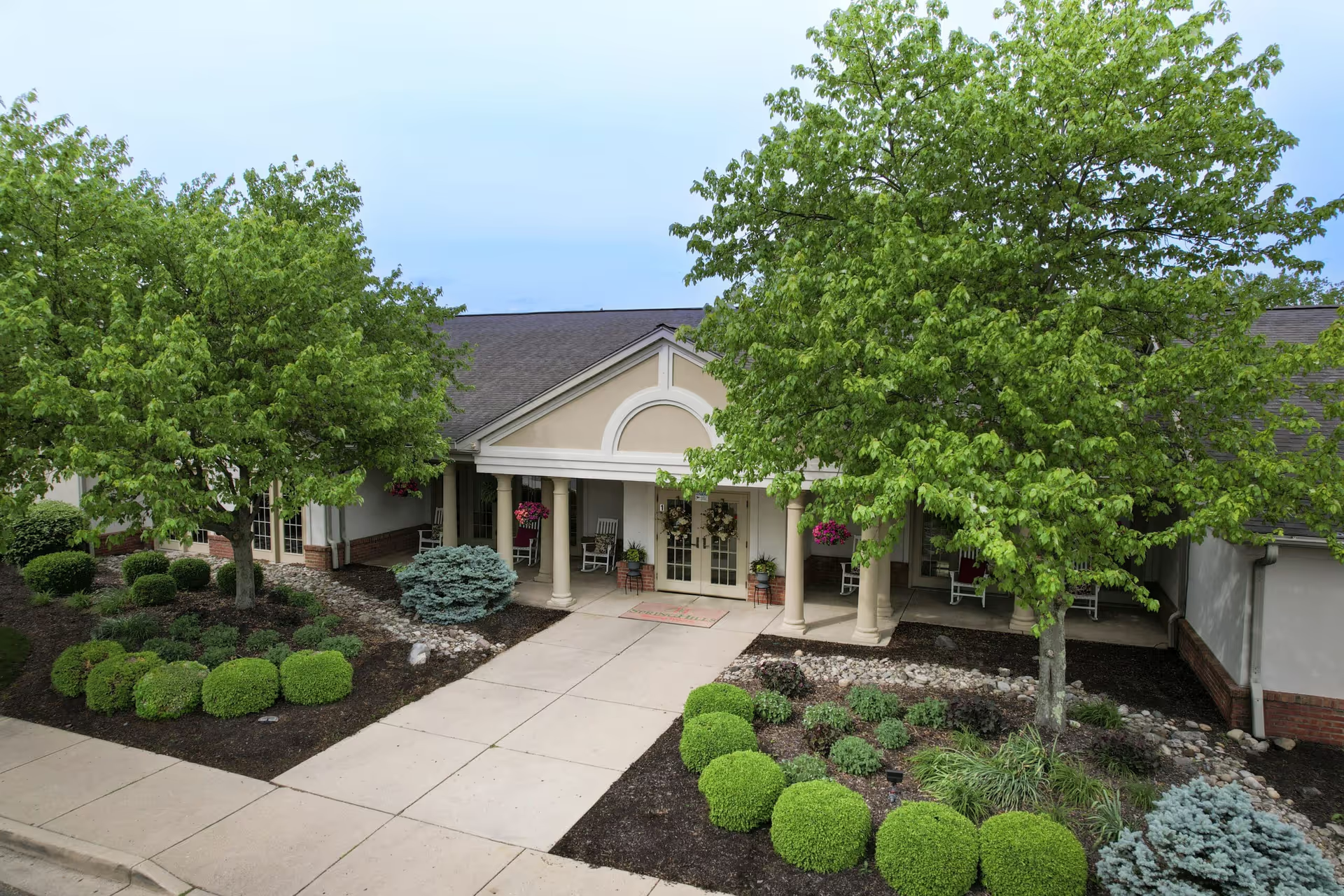
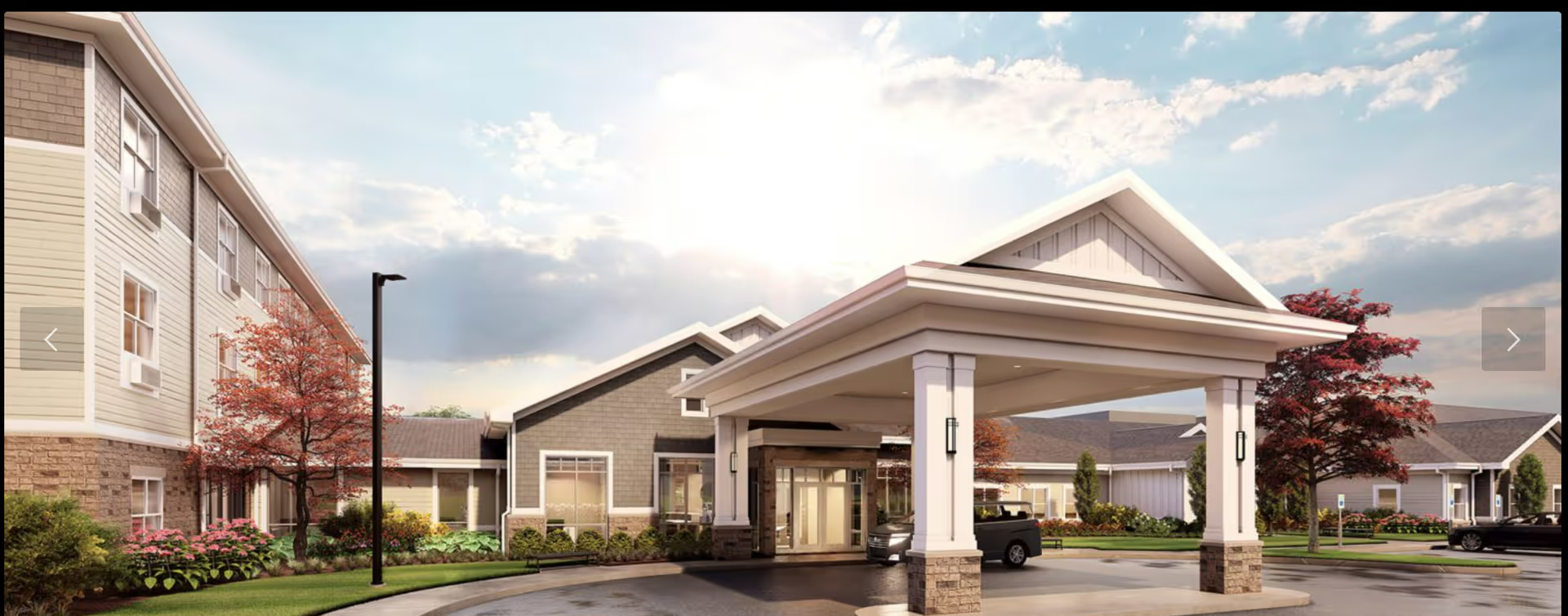
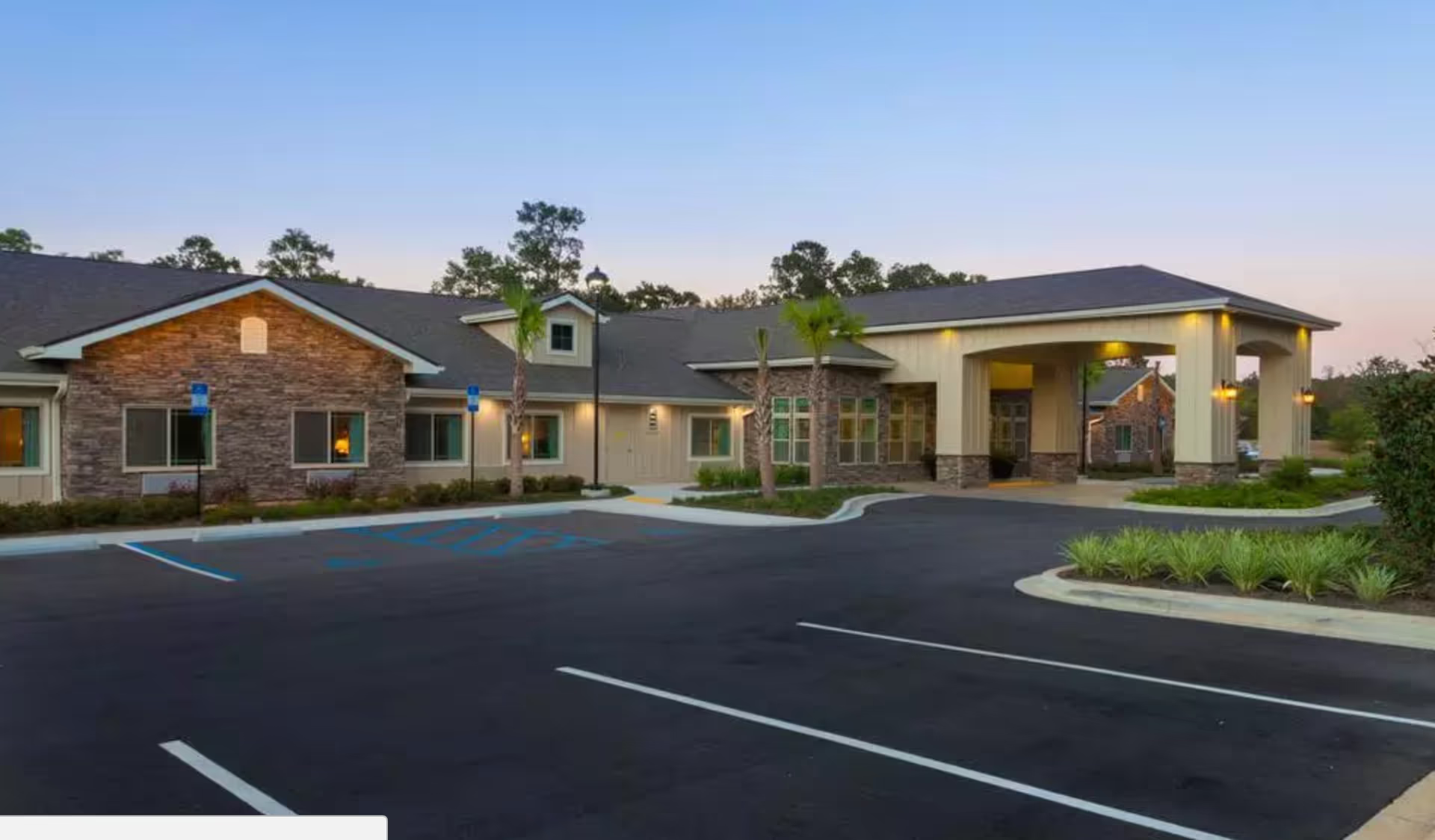
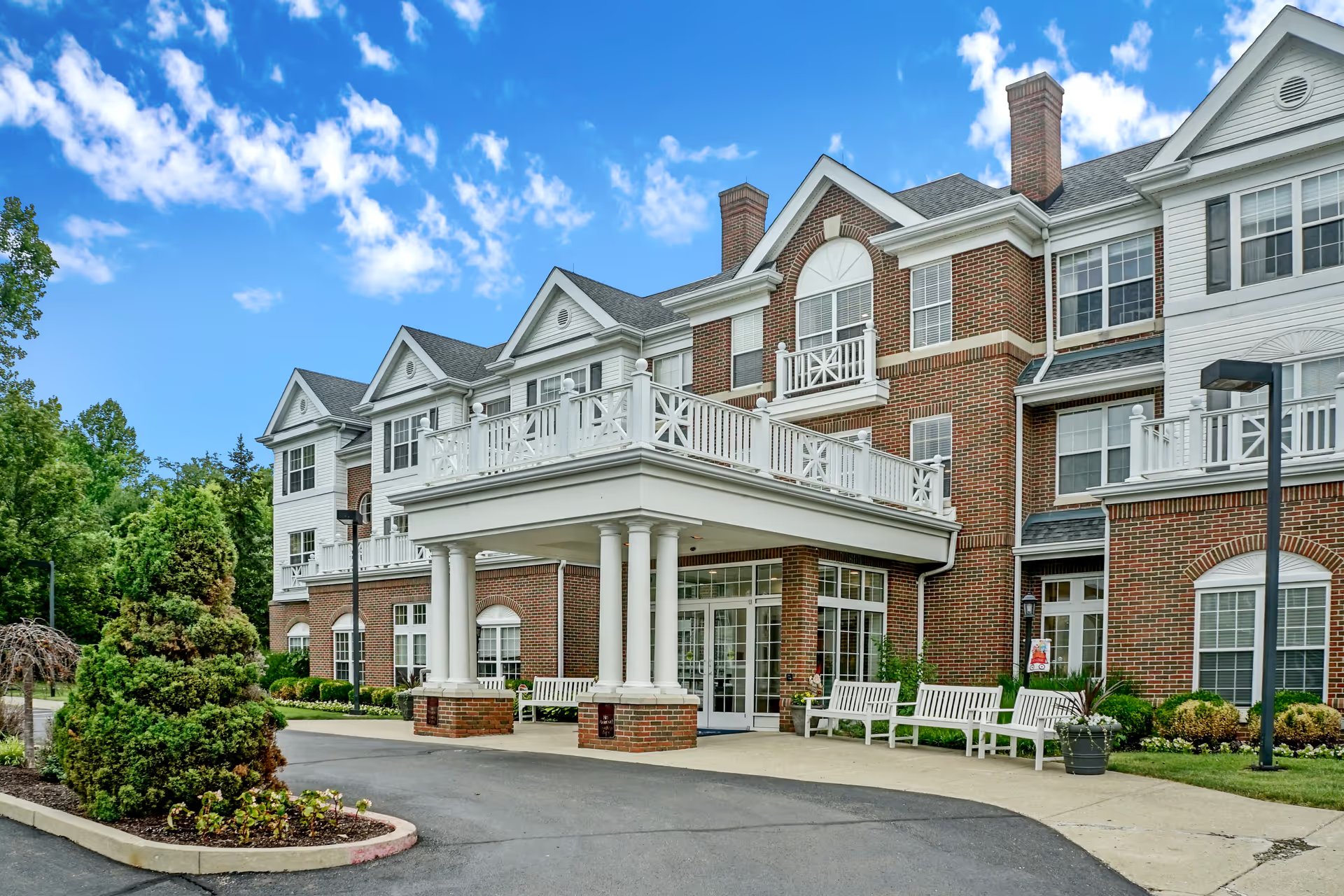
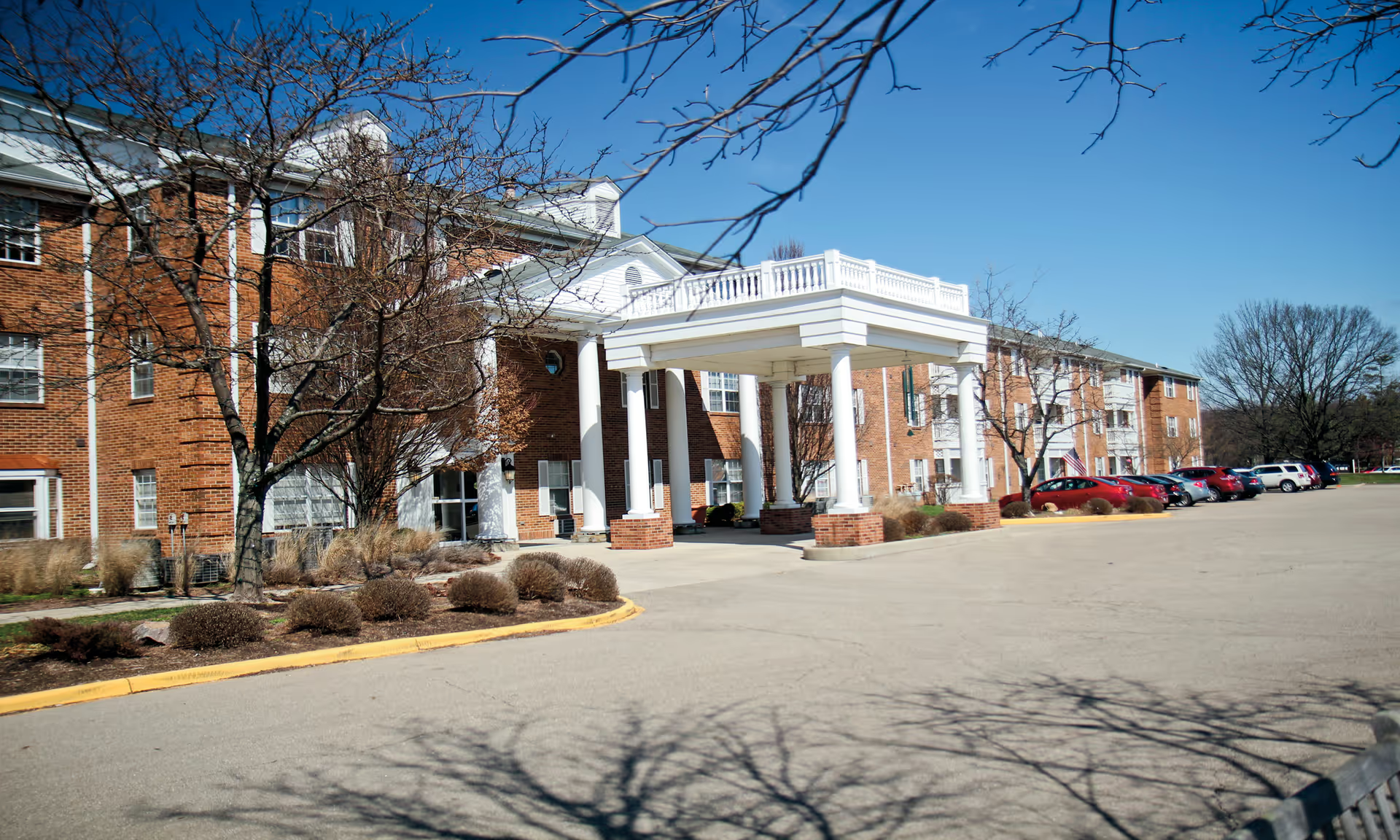
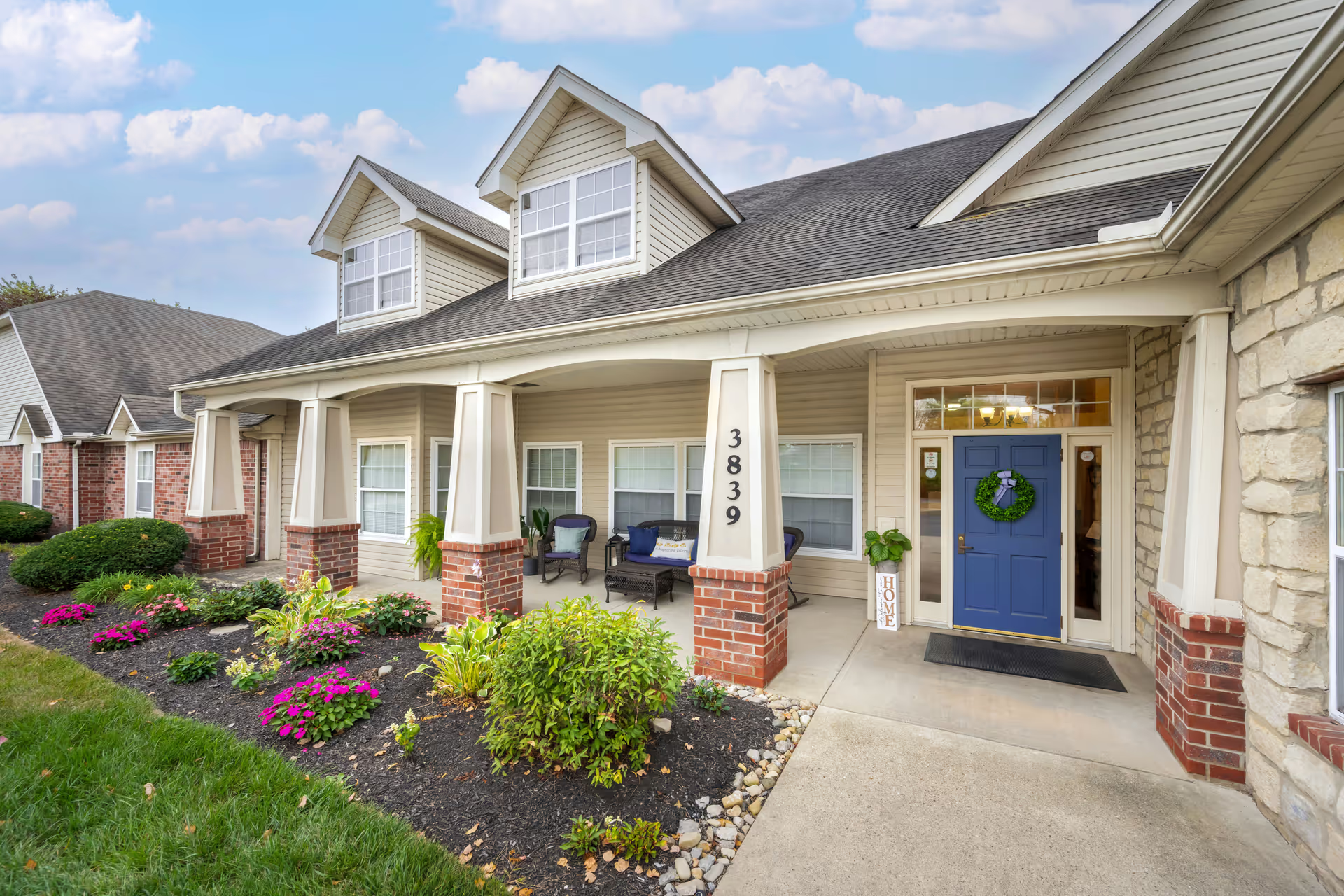
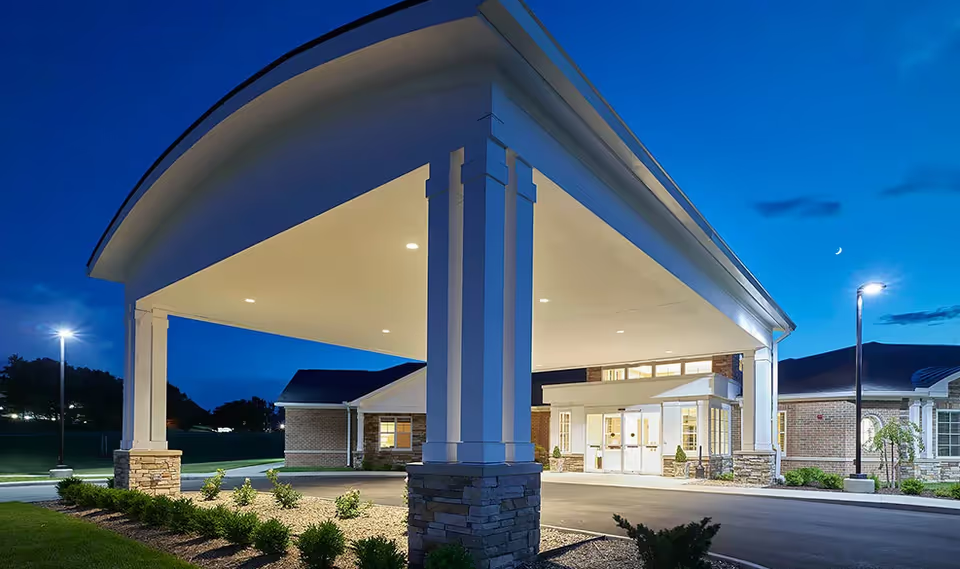
Reviews of Carillon Health & Rehab present a polarized picture. Many families and residents praise the facility’s rehabilitative strengths — particularly physical and occupational therapy — and identify individual clinicians and departments (including respiratory therapy and certain nurses) as highly effective and compassionate. Several accounts describe successful rehab outcomes, improved mobility, and staff who create a family-like, welcoming environment. The activities program and housekeeping/maintenance services also receive frequent positive mention, with some reviewers noting a clean, pleasant atmosphere.
Counterbalancing those positives are recurrent operational and clinical concerns. A number of reviewers described delays and inconsistencies in medication administration, missed or delayed clinical treatments, and uneven wound and complex-care follow-up. These issues point to gaps in care coordination for residents with higher-acuity needs (for example, dialysis or wound management). Reviewers also flagged staffing shortfalls and absenteeism that appear to contribute to slower response times, inconsistent personal-care routines (including incontinence-care delays), and variable attention to scheduled care tasks.
Staffing and conduct are described inconsistently across accounts. Many reviewers singled out individual staff members and teams as attentive, courteous, and effective; however, others described unprofessional conduct, poor communication tone, and aides or nurses who were inattentive or dismissive. Front-desk responsiveness and family communication are frequent areas of dissatisfaction: unanswered calls, slow callbacks, and limited managerial follow-through are recurring themes. Several reviewers also said they perceived limited meaningful corrective action following complaints.
Dining and facility observations are mixed. Some residents compliment the food, portion sizes, and overall cleanliness; others reported inconsistent meal quality, small portions, and incidents involving missing personal items or snacks. Sanitation and odor concerns appear in some reports alongside independent accounts praising a well-maintained environment, indicating variability by unit or shift. Maintenance-related safety issues were also mentioned (for example, disconnected emergency systems or understaffed reception areas) and merit prompt attention.
Taken together, the pattern suggests a facility with notable clinical strengths — especially in therapy and some individual caregivers — alongside systemic operational weaknesses that affect reliability and safety. Key areas for improvement include staffing stability and training, medication and complex-care coordination, consistent sanitation practices, secure handling of resident possessions, and more responsive family communication and incident resolution processes. Prospective residents and families should consider on-site observations across different shifts, ask detailed questions about staffing ratios and clinical protocols for complex needs, and request documentation of corrective-action processes when evaluating this facility.