Experiences at Laurelwood vary considerably. Many residents and families describe friendly, patient staff, positive relationships with caregivers, and a welcoming community. Some families say staff helped residents adjust, supported daily routines, and provided attentive nursing care. Other accounts raise concerns about staffing coverage and inconsistent follow-through with medication administration, personal care, and escorting residents to meals. These concerns appear particularly salient in memory care, where residents may need more active prompting and supervision. The reviews span different periods and include reports of management and staffing changes, so they may reflect different operating conditions over time.
Dining is a mixed area. Some residents praise the food as plentiful, varied, or restaurant-quality, and visitors have described enjoyable meals and special dining events. Other accounts cite bland or overly elaborate dishes, limited choices, inconsistent temperature or portions, and meals not reaching residents who cannot attend the dining room. The difference in experiences suggests that food quality and service consistency may vary.
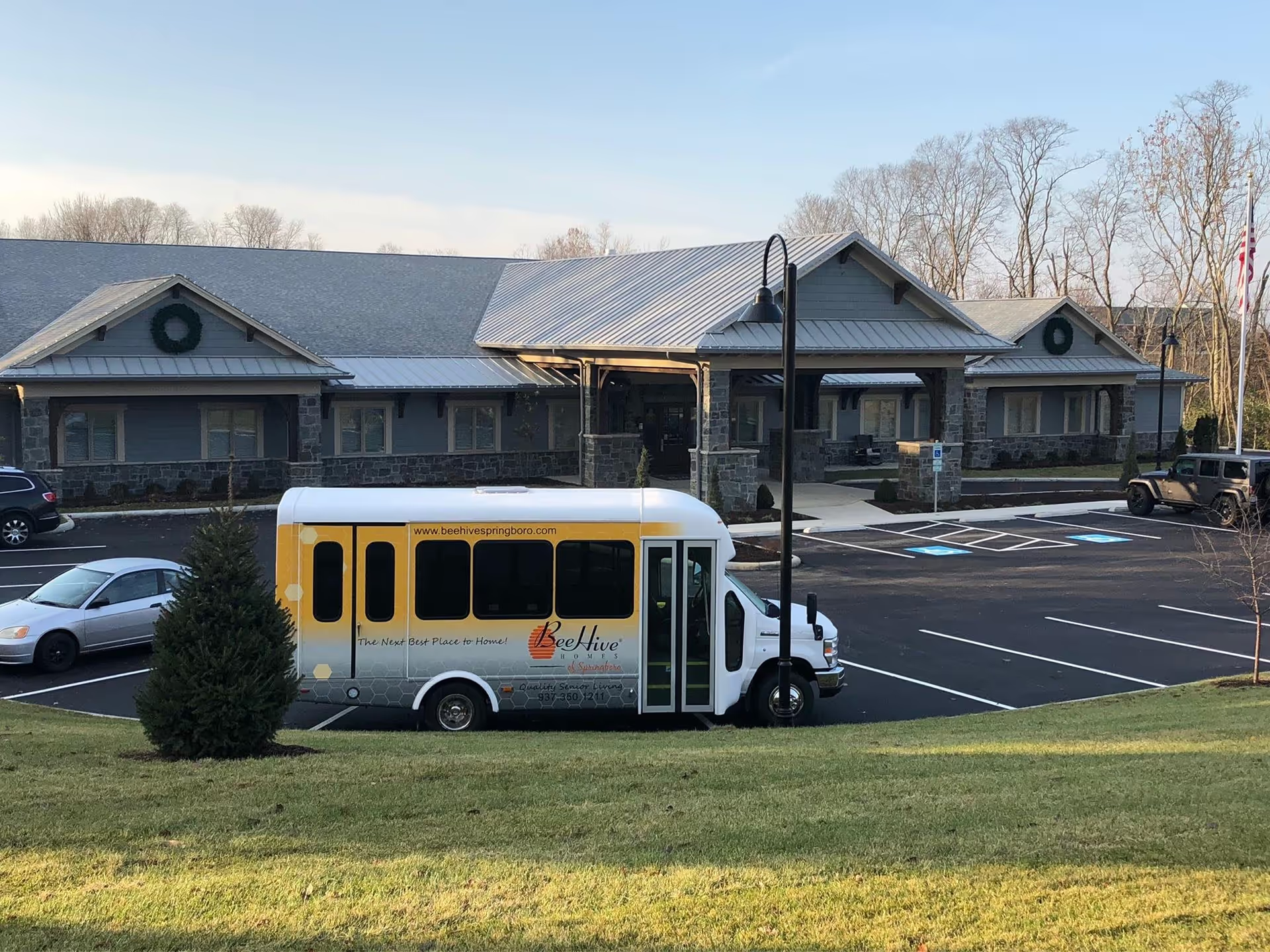
Activities are a notable strength in many accounts. Residents and visitors describe music, karaoke, games, crafts, exercise, religious services, social events, and group outings. Several reviews portray residents as engaged and socially connected. However, some visitors describe less activity or interaction in particular areas, including memory care. The building offers amenities such as activity rooms, a salon, transportation, and outdoor space; secured memory-care settings may involve more restricted movement and access to outdoor areas.
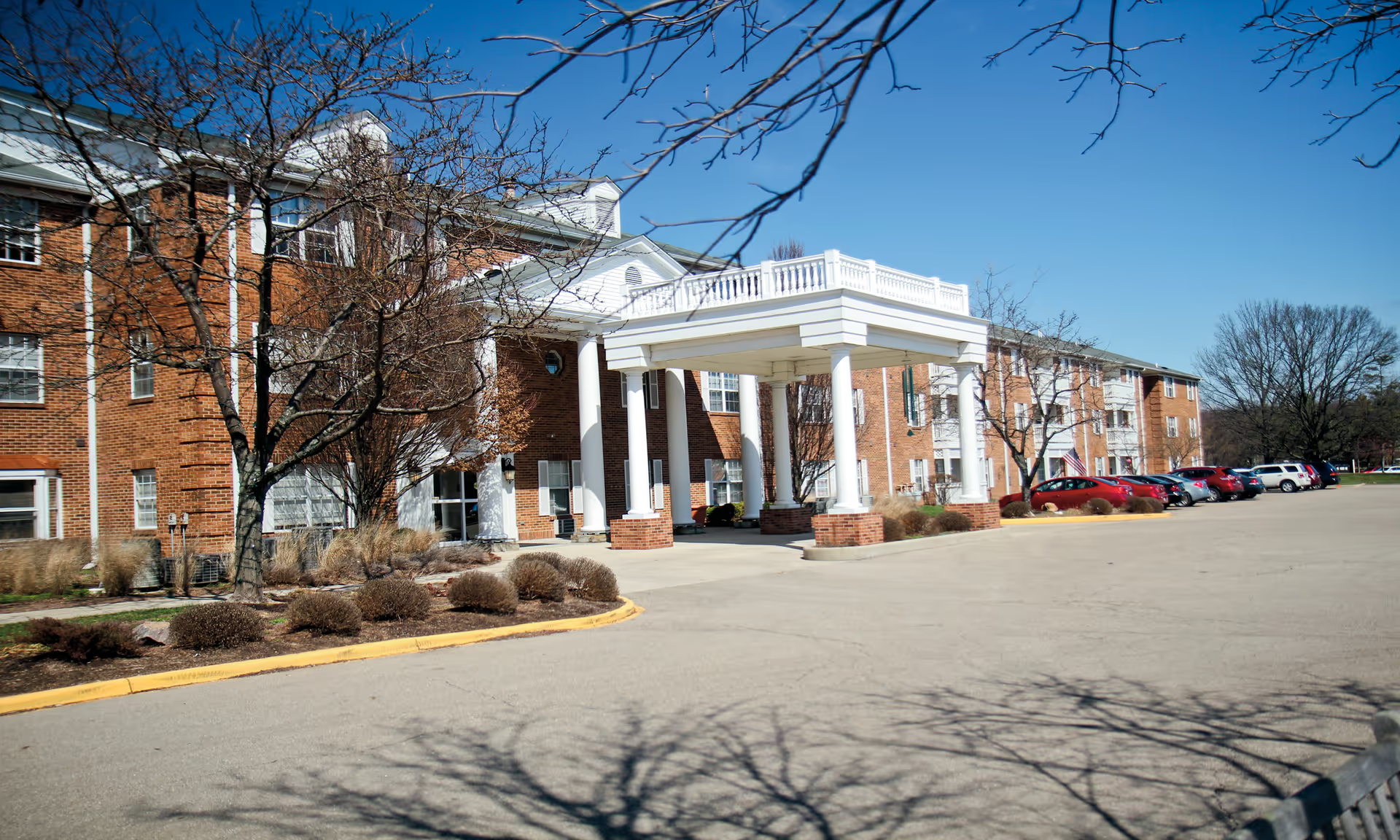
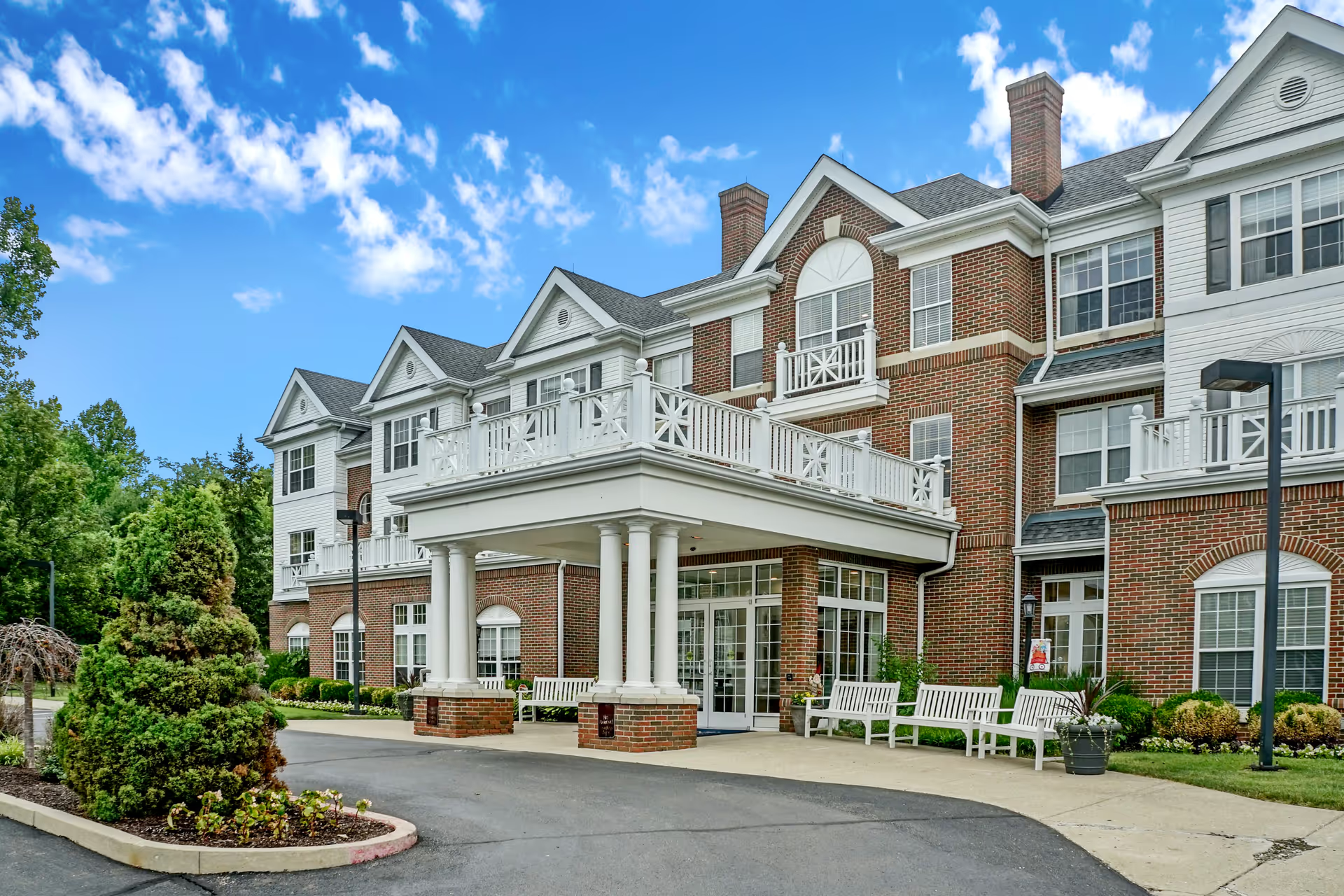
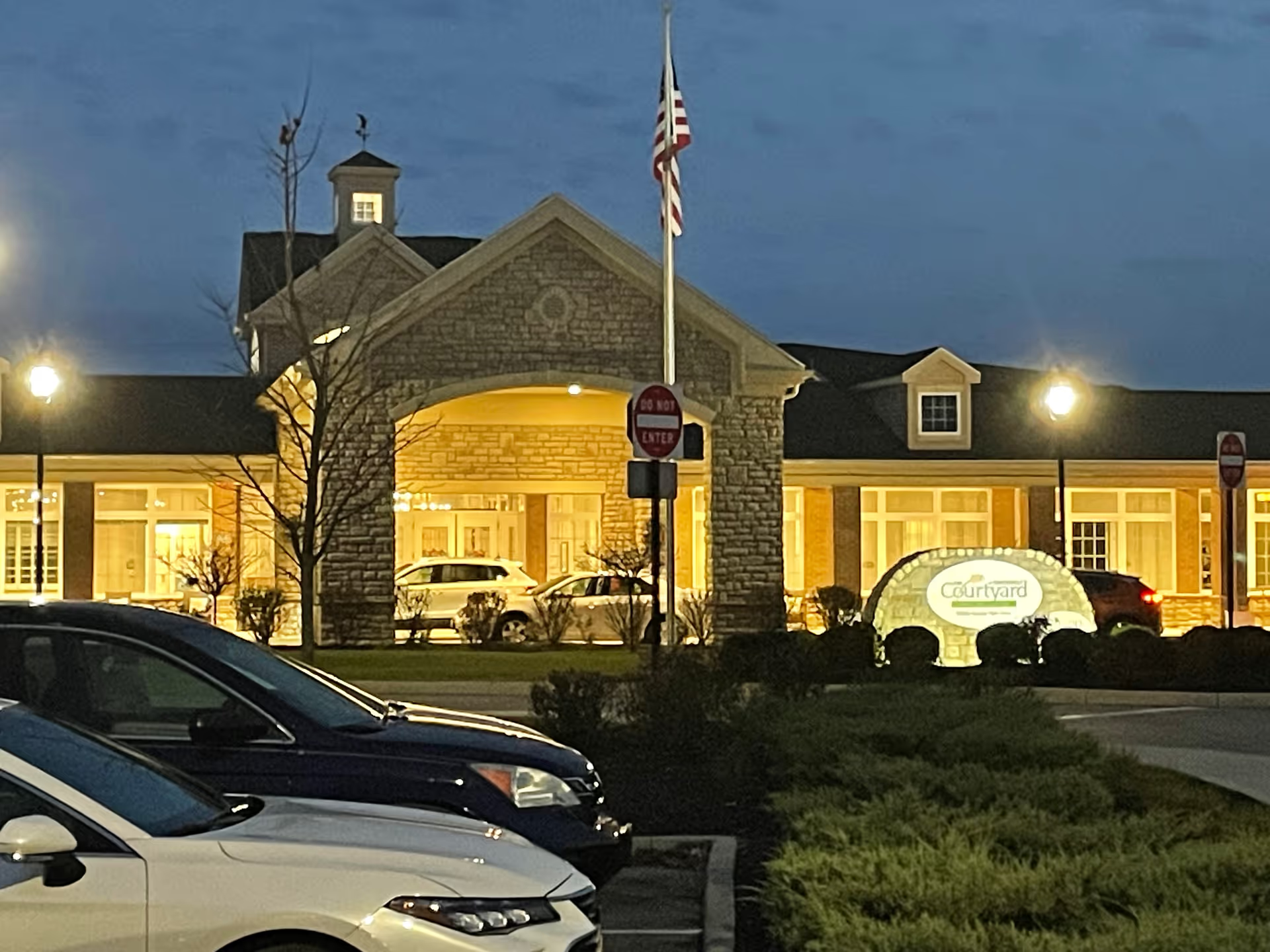
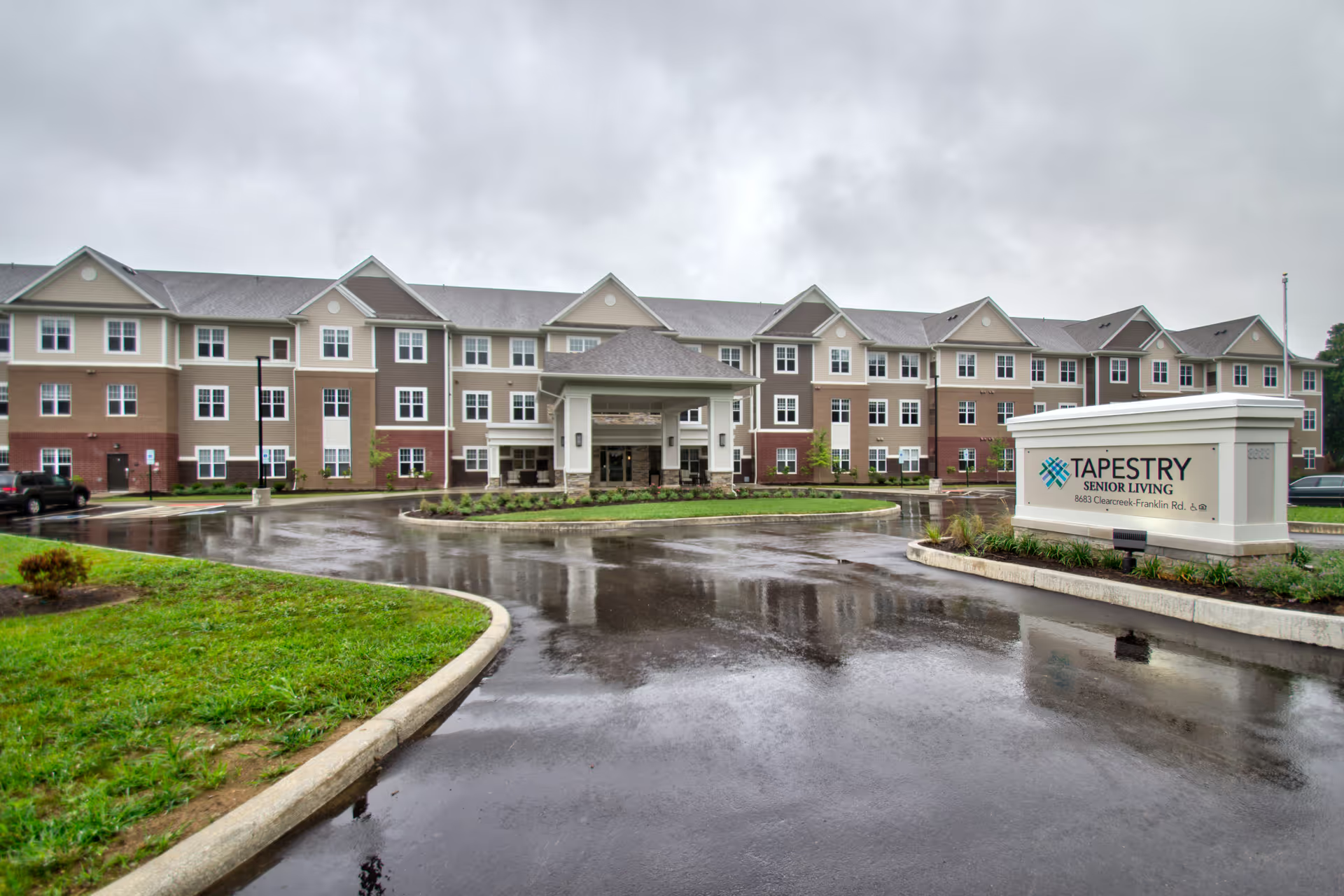
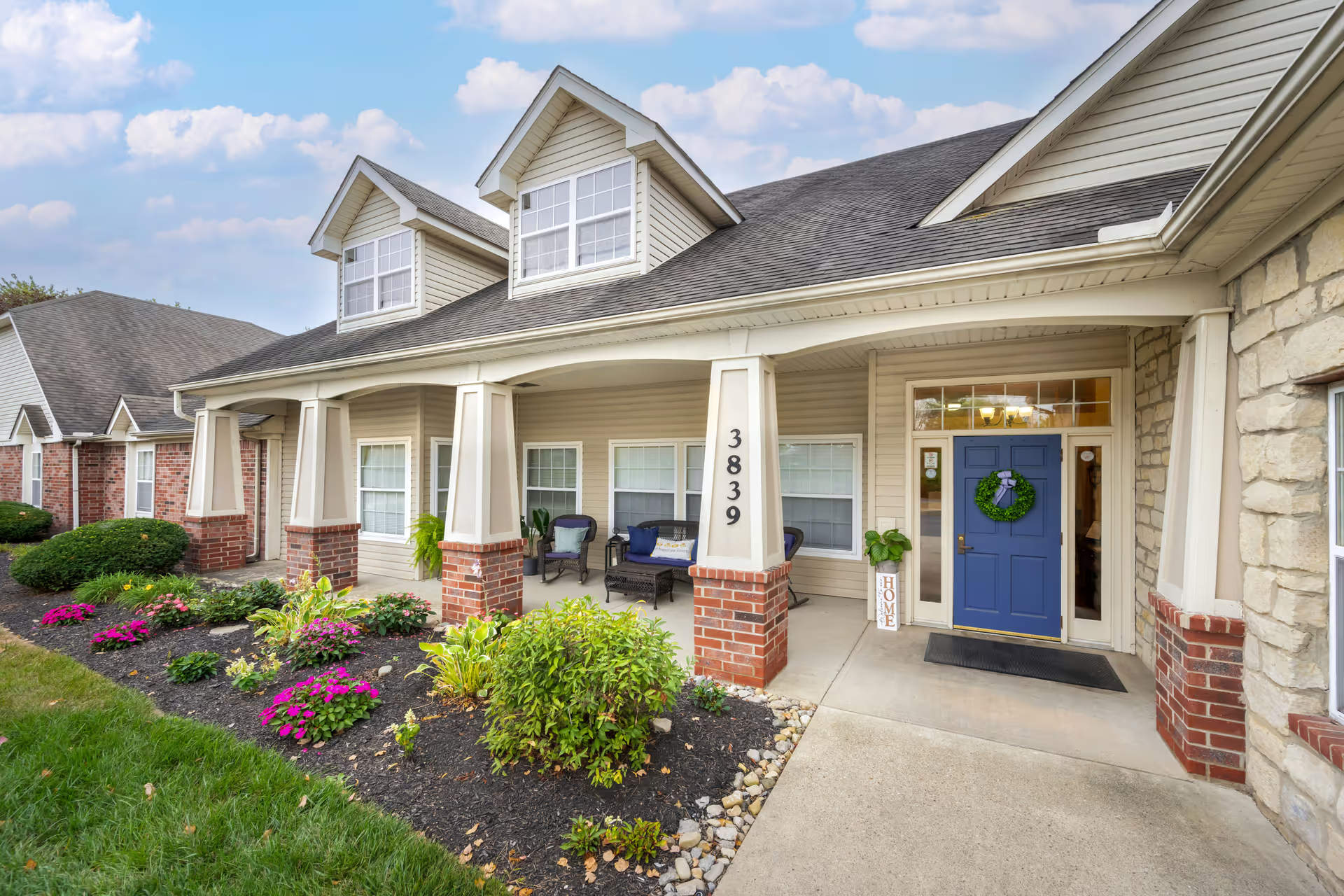
The facility is often described as clean and functional, with well-kept common areas, private bathrooms, grab bars, and other safety features. Reviews also characterize the building as older or institutional in feel. Room layouts and sizes vary, and some rooms have limited closet space or no kitchenette; furniture and small appliances may need to be supplied by residents. Families also describe admissions staff as helpful with care assessments and financial options, including Medicaid waivers. In contrast, other accounts cite delayed responses, uneven management follow-through, and unclear communication about admissions, care-level decisions, or transitions after hospitalization. Prospective residents may wish to ask specifically about staffing coverage, medication and personal-care procedures, meal delivery, room features, current activity schedules, and communication practices with families.