Overall impression: Reviews present a polarized and inconsistent profile of the facility. Many accounts praise the respiratory program and a subset of staff for technically strong, outcome-focused care, especially for ventilator-dependent and complex pulmonary patients. At the same time, there are repeated operational concerns that suggest variability in day-to-day care quality depending on unit, shift, and leadership presence.
Care quality and clinical operations: The facility is noted for its specialized respiratory capabilities — ventilator management, weaning success, and onsite dialysis support are recurring positive themes. Conversely, reviewers identify systemic clinical-process issues: medication timing problems, delayed responses to clinical needs, and instances where transfers to higher-acuity care were perceived as late. These items cluster into a pattern of inconsistent clinical reliability; when units are well staffed and led, outcomes appear better, while staffing shortfalls and process gaps correlate with adverse events or additional hospitalizations.
Staffing, conduct, and communication: Many reviewers describe direct-care staff as dedicated, compassionate, and willing to go beyond basic duties. However, there are also consistent reports of poor responsiveness (especially evenings), variable communication tone, and occasional unacceptable staff conduct or phone etiquette. These descriptions point to uneven staff performance across shifts and potential gaps in supervision, competency oversight, and incident follow-up. There are also specific allegations of property loss that raise concerns about personal-property controls and investigative follow-through.
Dining, activities, and resident life: Several reviews indicate limited activity programming and restricted outdoor access for residents. Meal quality and dining service received mixed feedback, with some families noting poor meals or service and others describing routine dining without issues. Overall, activity engagement and outdoor opportunities appear to be areas with room for improvement.
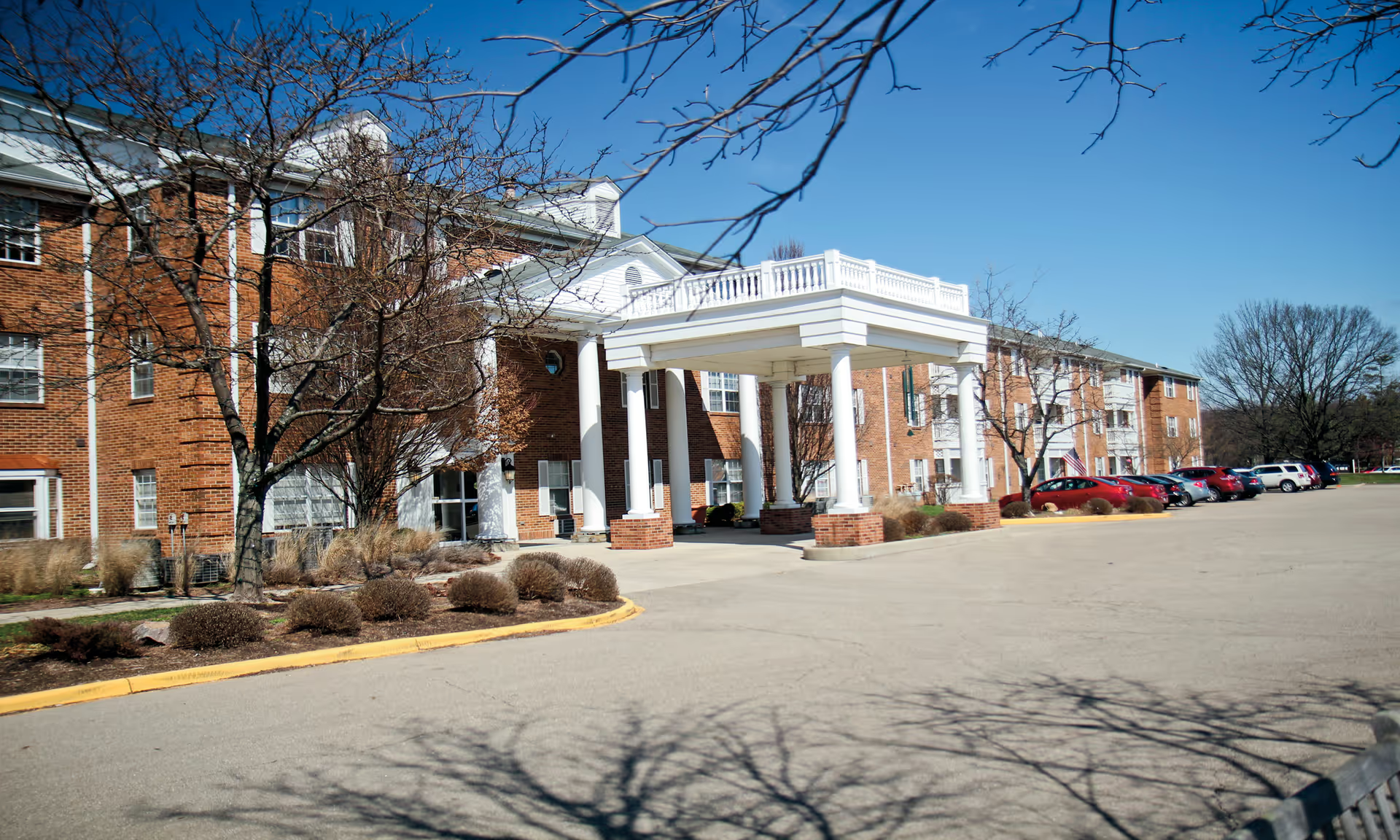
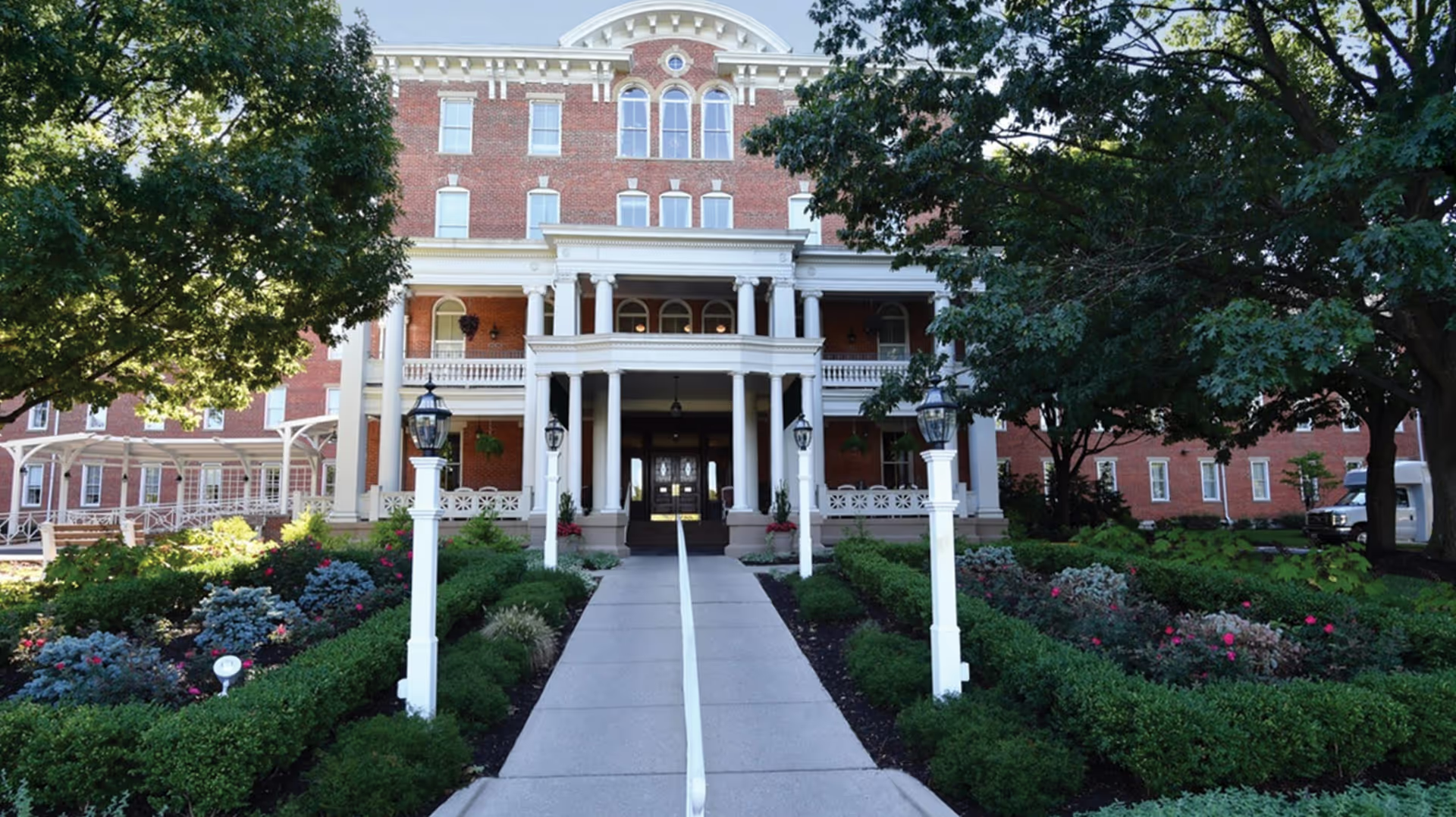
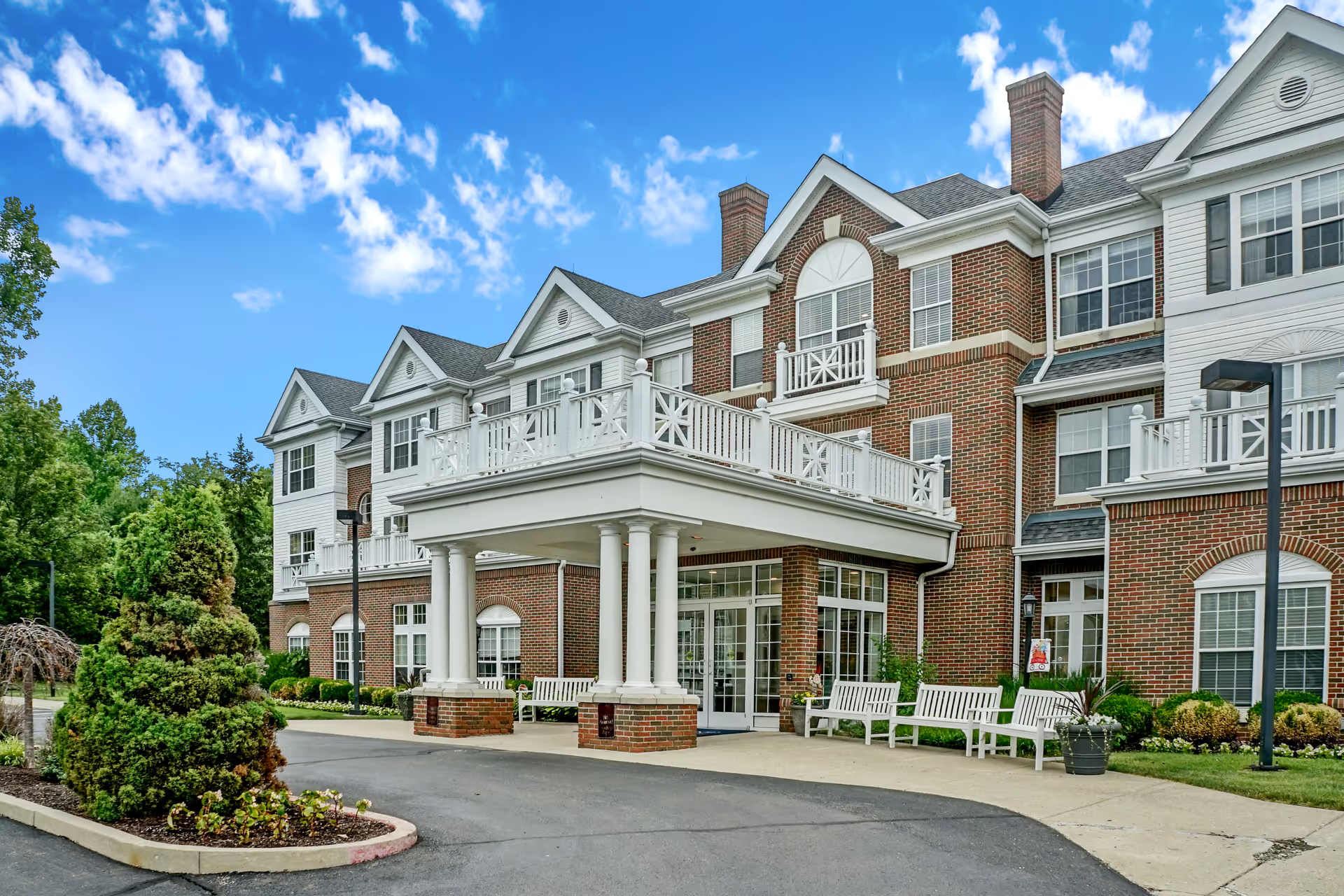
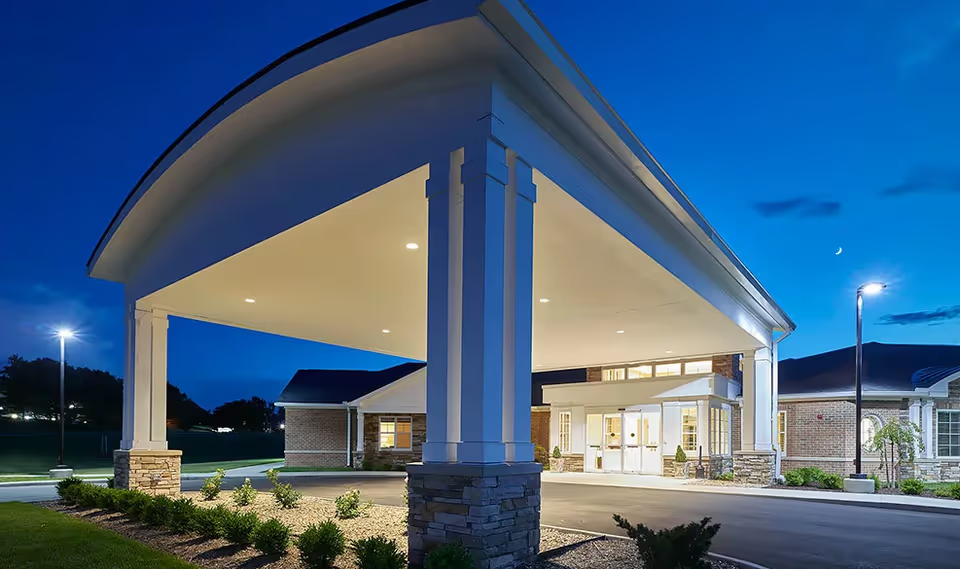
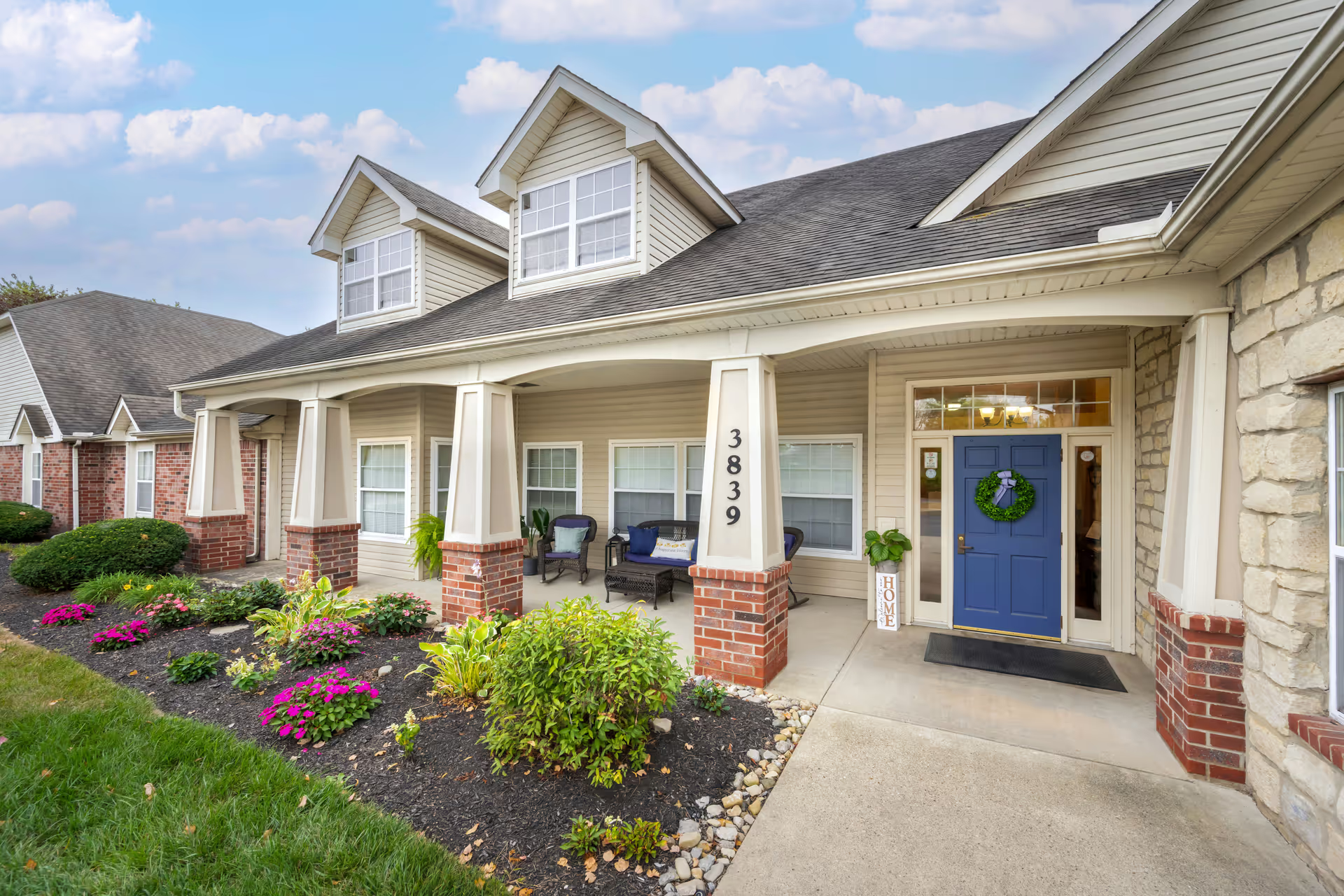
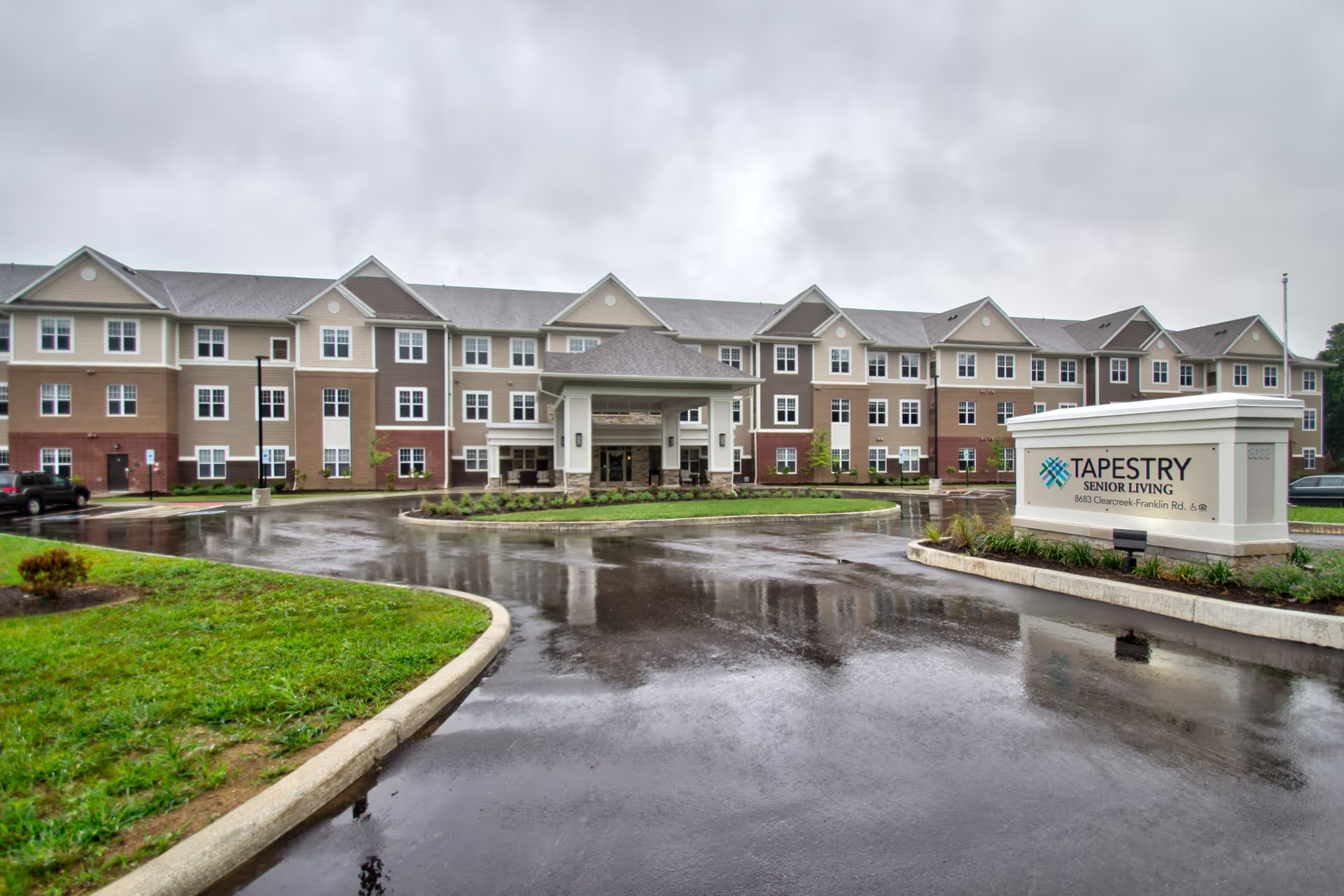
Facilities and maintenance: The physical plant shows a mixed picture. Some units have been remodeled and are described as clean and welcoming. Other accounts highlight sanitation and cleanliness issues in particular areas, signs of insufficient routine maintenance, and slow repair timelines for equipment and environmental systems. These maintenance concerns occasionally overlap with infection-control and resident-comfort issues.
Management and oversight: Reviewers offer divergent views of leadership. Some note responsive administrators and measurable improvements following leadership attention; others report inadequate follow-up on complaints, insufficient investigation of staff conduct, and a perception that operational priorities sometimes emphasize cost over care. These split assessments suggest that management effectiveness may be variable over time or between units.
Notable patterns and takeaways: The dominant pattern is variability — excellent specialized respiratory and therapy services coexist with operational weaknesses in staffing consistency, medication administration, responsiveness, and maintenance. Prospective residents and families may find strong clinical expertise in certain programs but should verify current staffing levels, incident-investigation practices, specialty access (pulmonology), and observable day-shift and evening-shift routines during a tour. Asking for recent quality metrics, staffing ratios by shift, and examples of how leadership addressed past complaints can help clarify whether the strengths noted align with the current standard of care.