Overall impression: Reviews present a mixed picture. The facility is repeatedly praised for its compassionate direct-care staff, strong therapy team, housekeeping, and campus environment, yet multiple operational and clinical patterns raise concerns for families considering skilled nursing care. Assisted living and lower-acuity placements are described more positively than higher-acuity skilled nursing stays; prospective residents should match level of need to available services.
Care quality and clinical concerns: Clinical strengths include an engaged physical and occupational therapy staff and several nurses and aides described as attentive and proactive. However, recurring operational weaknesses undermine consistency of clinical care. Key clinical themes include medication-administration delays and errors, limited after-hours medical coverage, and apparent gaps in wound and infection-management processes. Reviewers also cite slow call-light responses, inconsistent bathing and personal-care schedules, and concerns about skin integrity and incontinence-care timeliness. There are multiple descriptions of falls and other safety events; these point to gaps in fall-prevention and transfer-safety practices rather than isolated one-off incidents. A limited number of reviews included serious allegations that families may wish to verify through inspection reports and regulatory records.
Staffing, communication, and management: Staffing variability across shifts is a consistent theme—day shift performance is often described as acceptable to strong while evenings and nights are more likely to be characterized as short-staffed or reliant on agency nurses. That reliance appears to affect continuity of care and handoffs between aides and nurses. Many families also described poor communication from administration and a defensive tone when concerns were raised, with extended complaint-resolution timelines. Conversely, social-work and certain admissions/therapy staff are frequently highlighted as helpful and communicative.
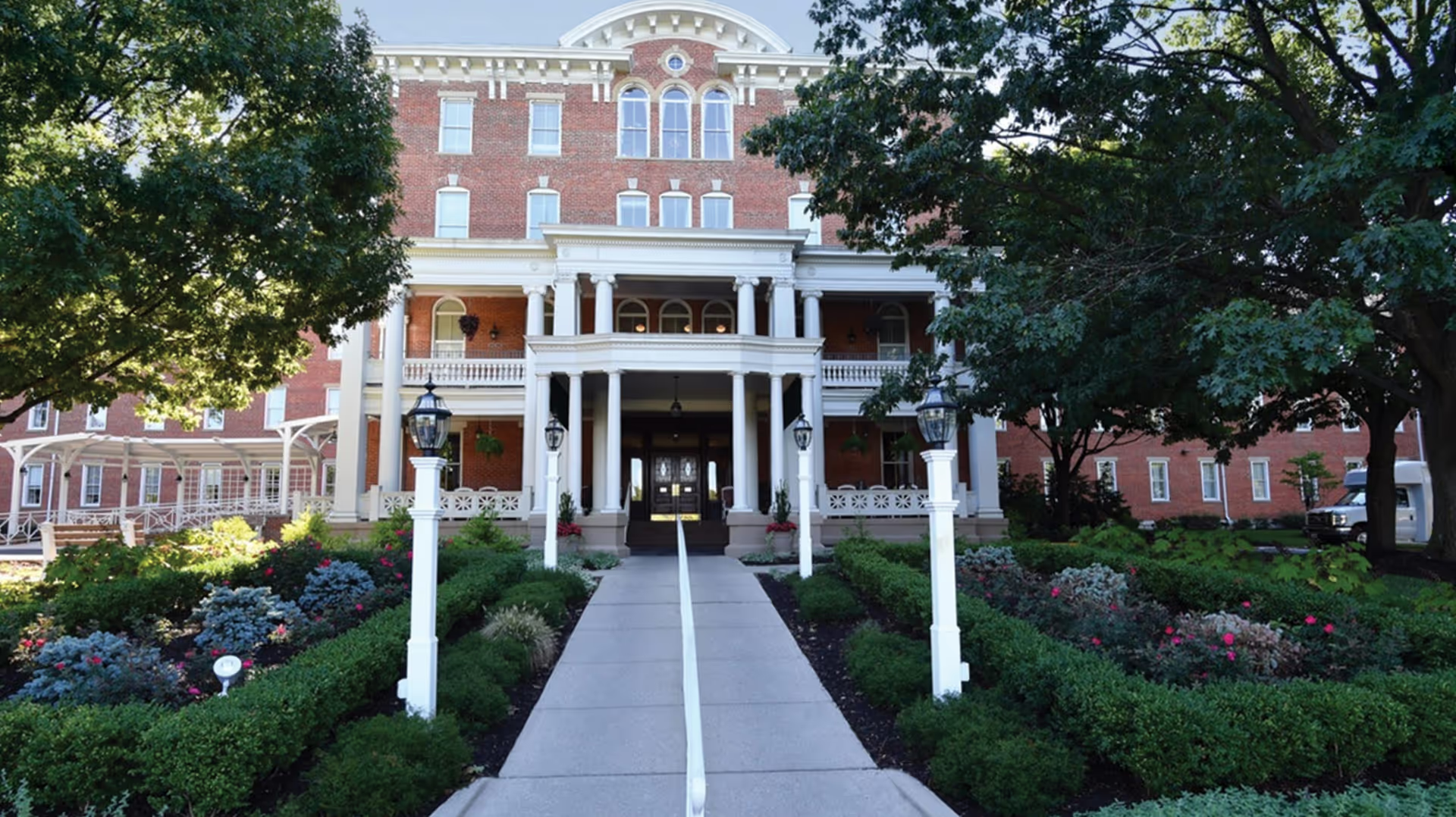
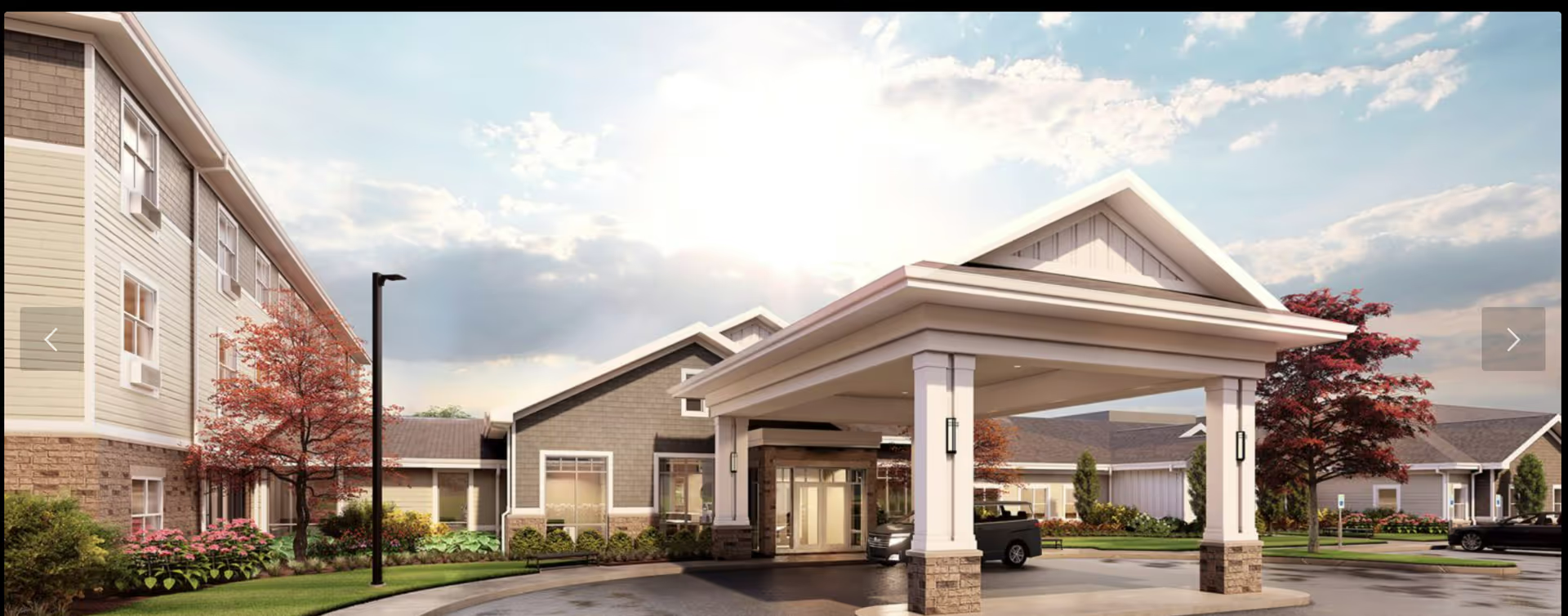
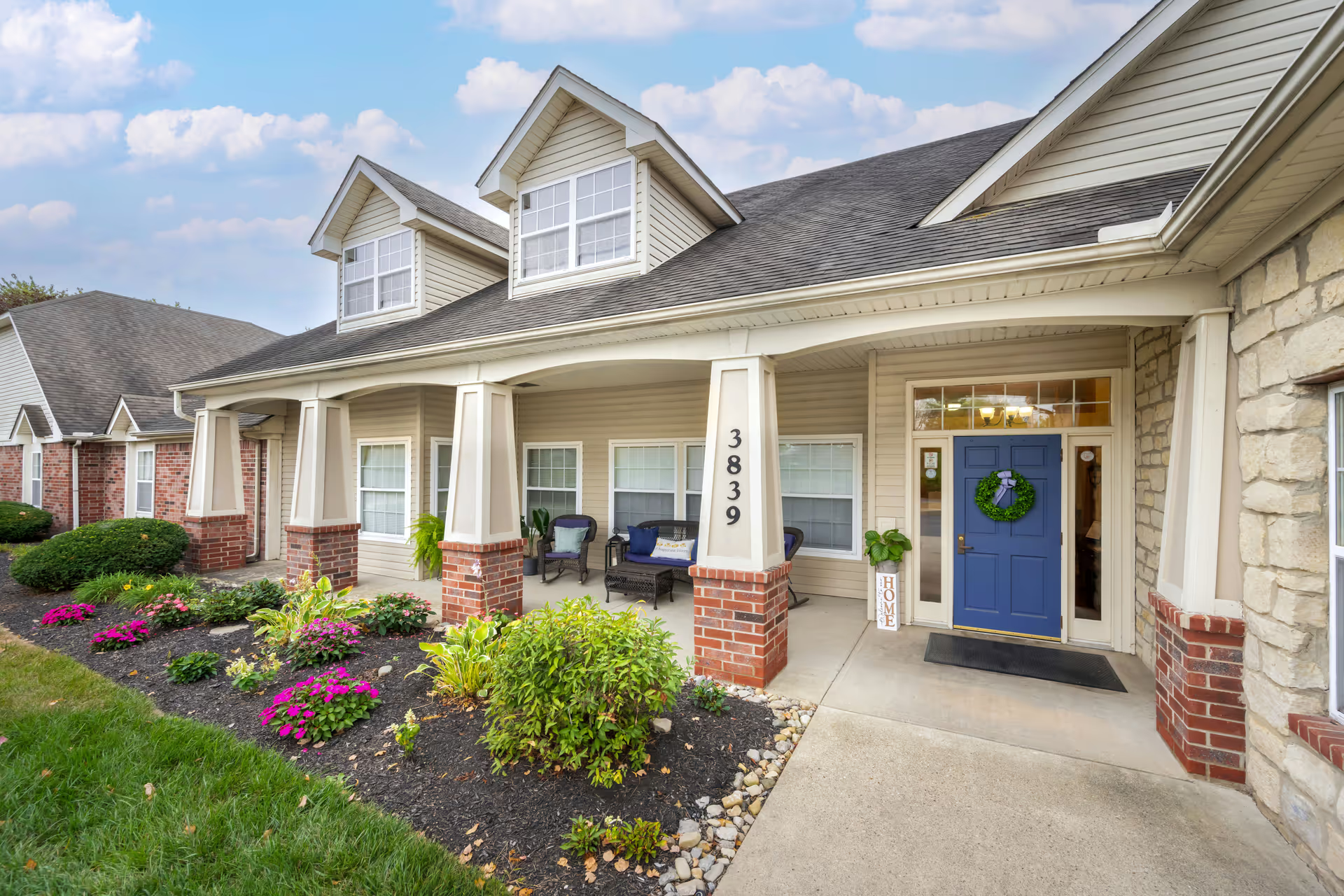
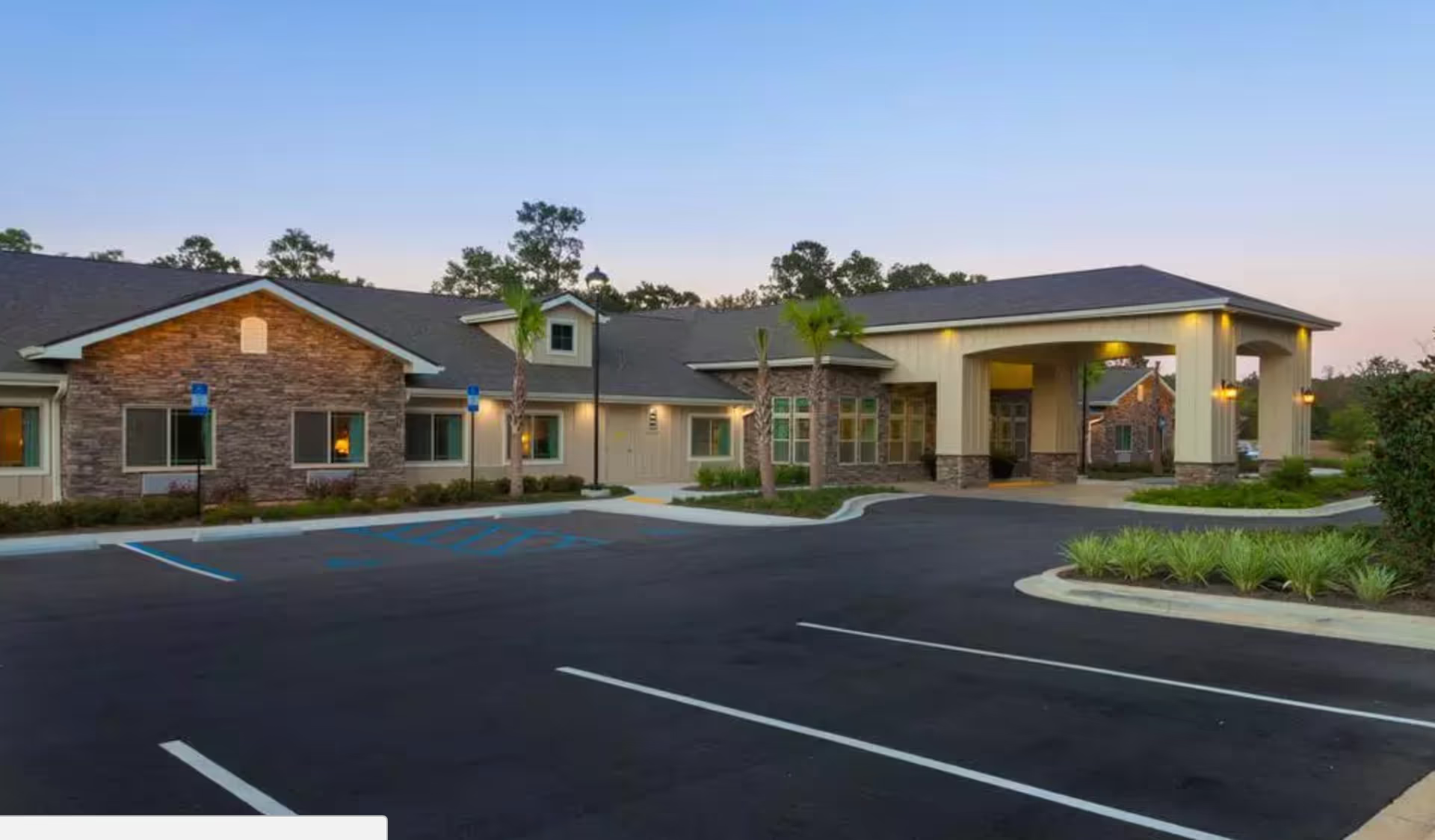
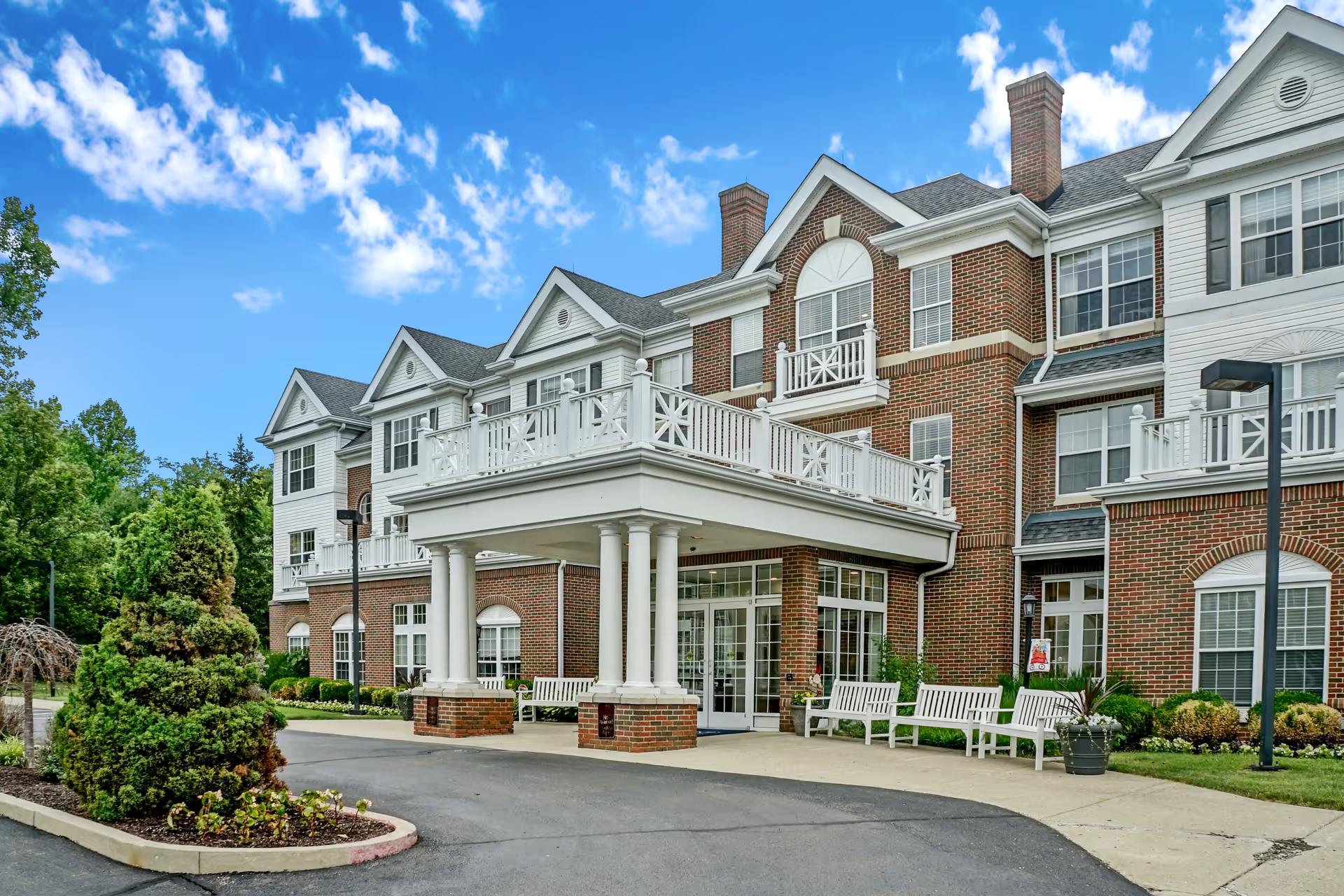
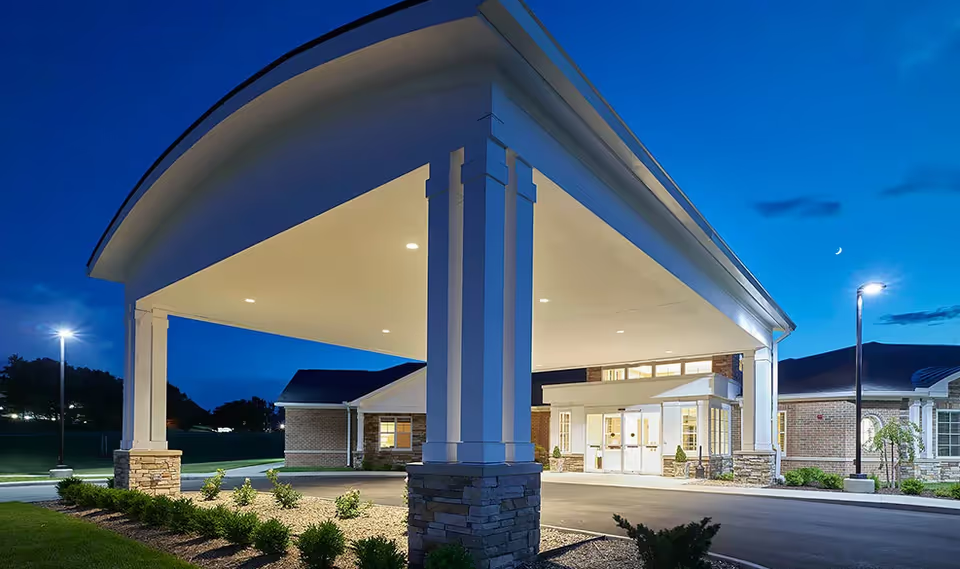
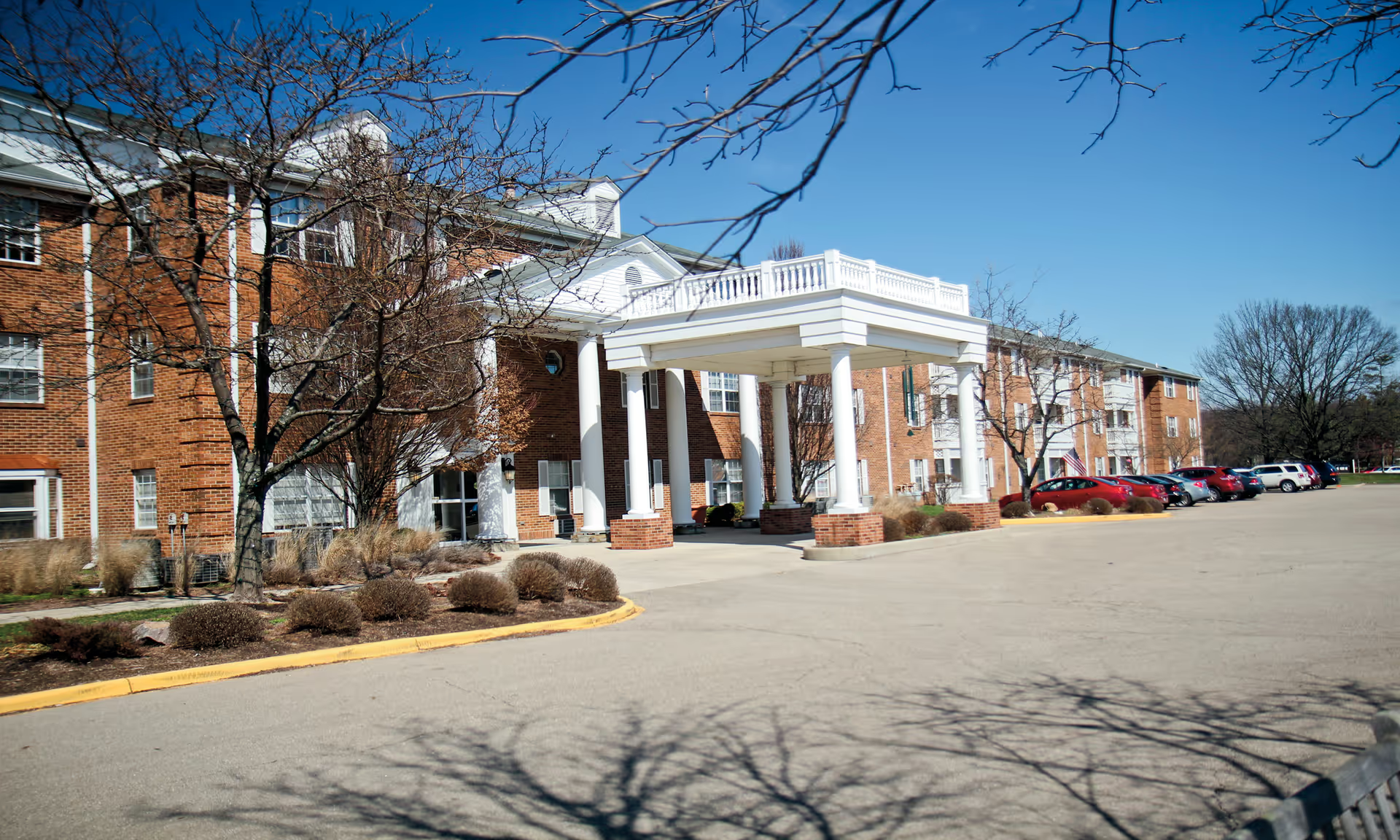
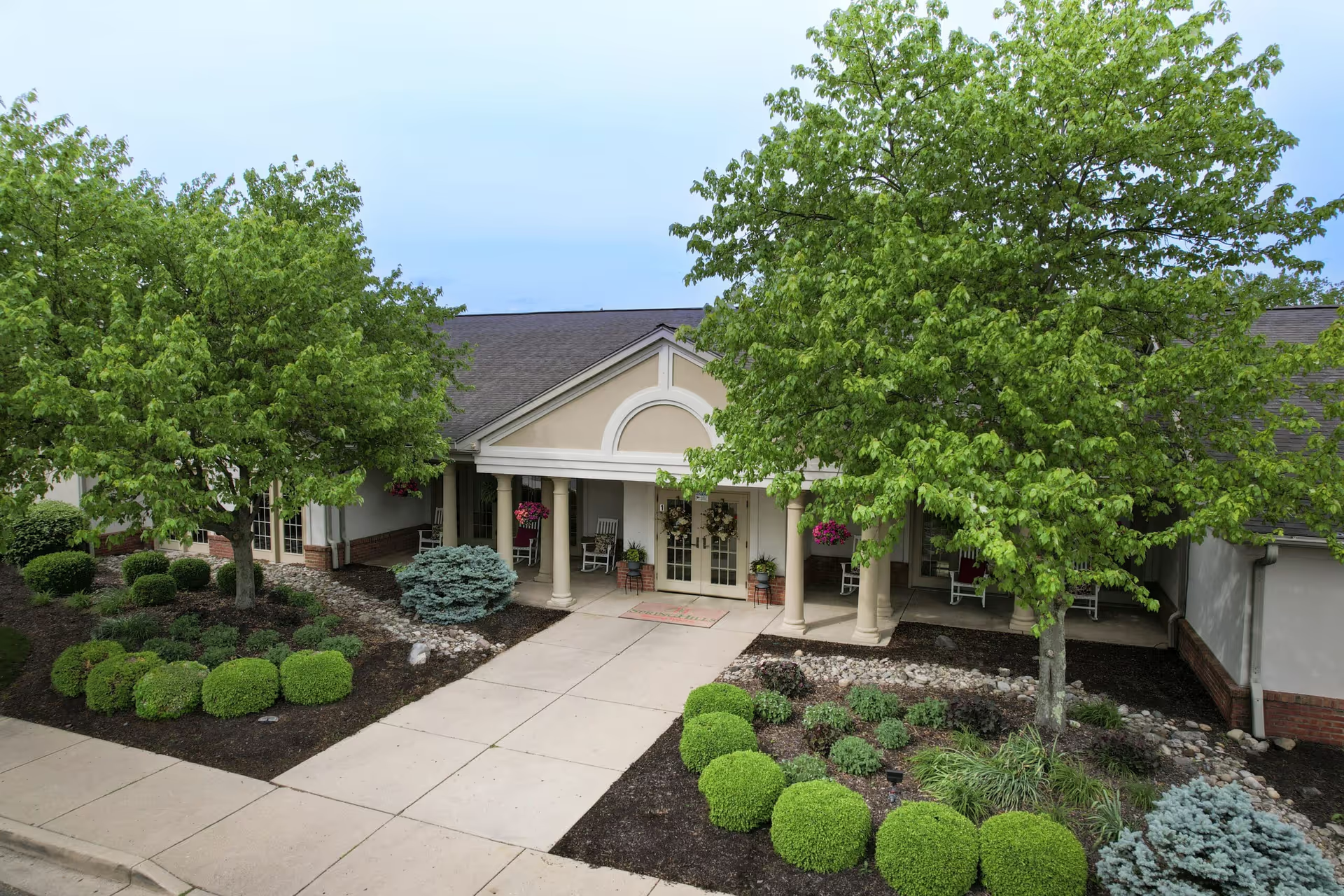
Dining, activities, and facilities: The facility's physical environment is a clear strength: clean grounds, well-kept common areas, apartment-style rooms with kitchenettes, and adequate visitor parking. Housekeeping and an efficient laundry system are noted positively. Activities such as bingo, card nights, ice-cream socials, and scheduled outings (including off-site shopping trips) contribute to resident engagement. Dining receives mixed comments—several reviewers praised nutritious and well-prepared meals, while others noted inconsistent quality, portion sizing, and bite-size appropriateness for some residents.
Rehabilitation and transitions: Rehabilitation services are a highlight for many families, with proactive therapy staff and good short-term outcomes for appropriate candidates. At the same time, reviewers describe variable rehab quality and limited therapy scheduling (for example, constrained to weekday mornings in some accounts), and families indicate the program may be insufficient for residents with more advanced or complex rehabilitation needs. Post-discharge communication and planning have been described as inconsistent.
Patterns and practical takeaways: The facility appears to offer a generally pleasant environment with several high-performing departments (therapy, housekeeping, admissions). However, persistent operational issues—most notably inconsistent staffing, medication and wound-care processes, communication gaps, and variable clinical oversight—create risk for higher-acuity residents. Prospective residents and families should ask targeted questions during a tour: staffing ratios by shift, use of agency nurses, medication-administration and wound-care protocols, after-hours physician/NP coverage, therapy hours and availability, fall-prevention measures, sanitation and pest-control processes, and recent state inspection or complaint history. For families considering skilled nursing rather than assisted living, corroborating clinical capabilities and a clear plan for managing complex needs is particularly important.