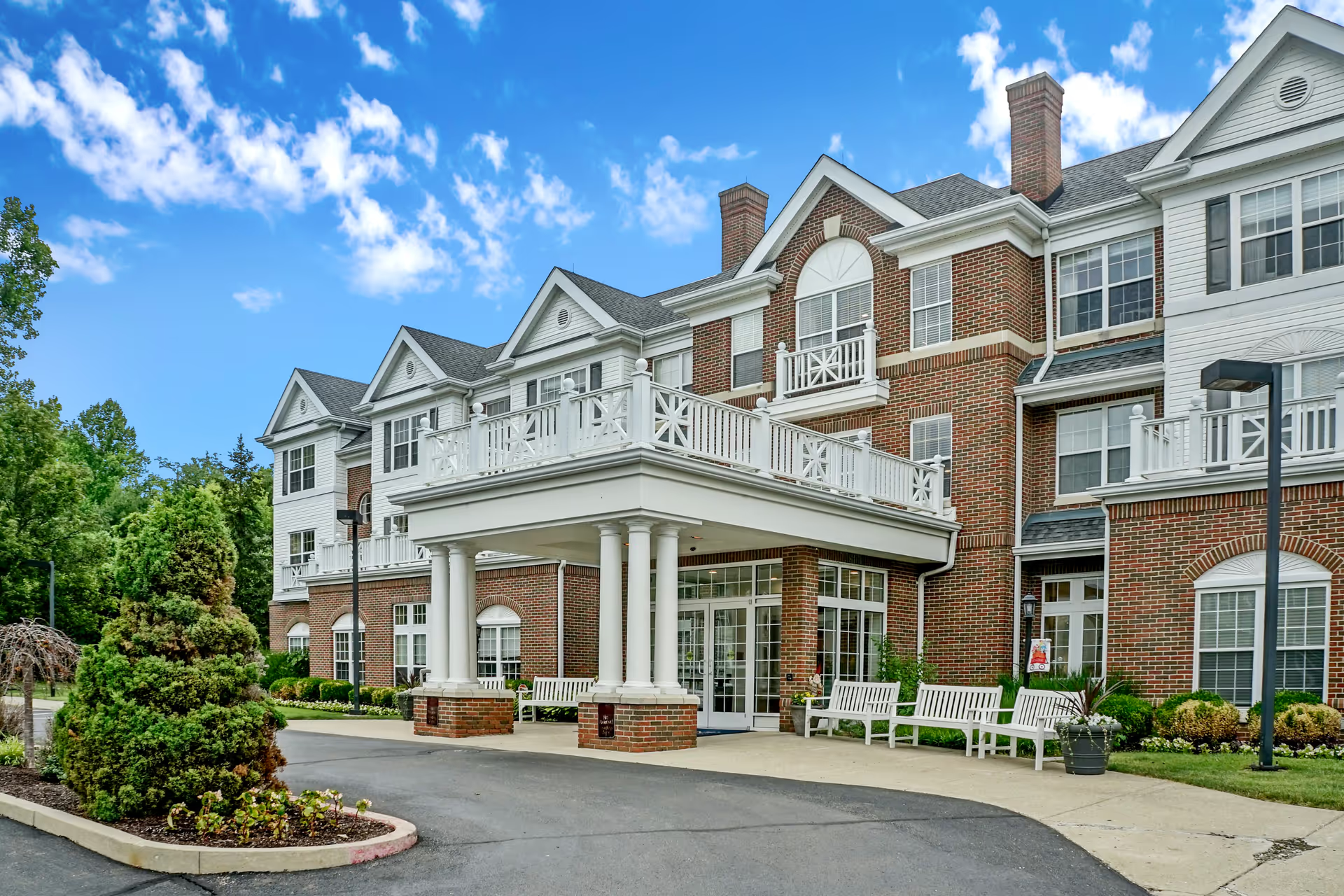
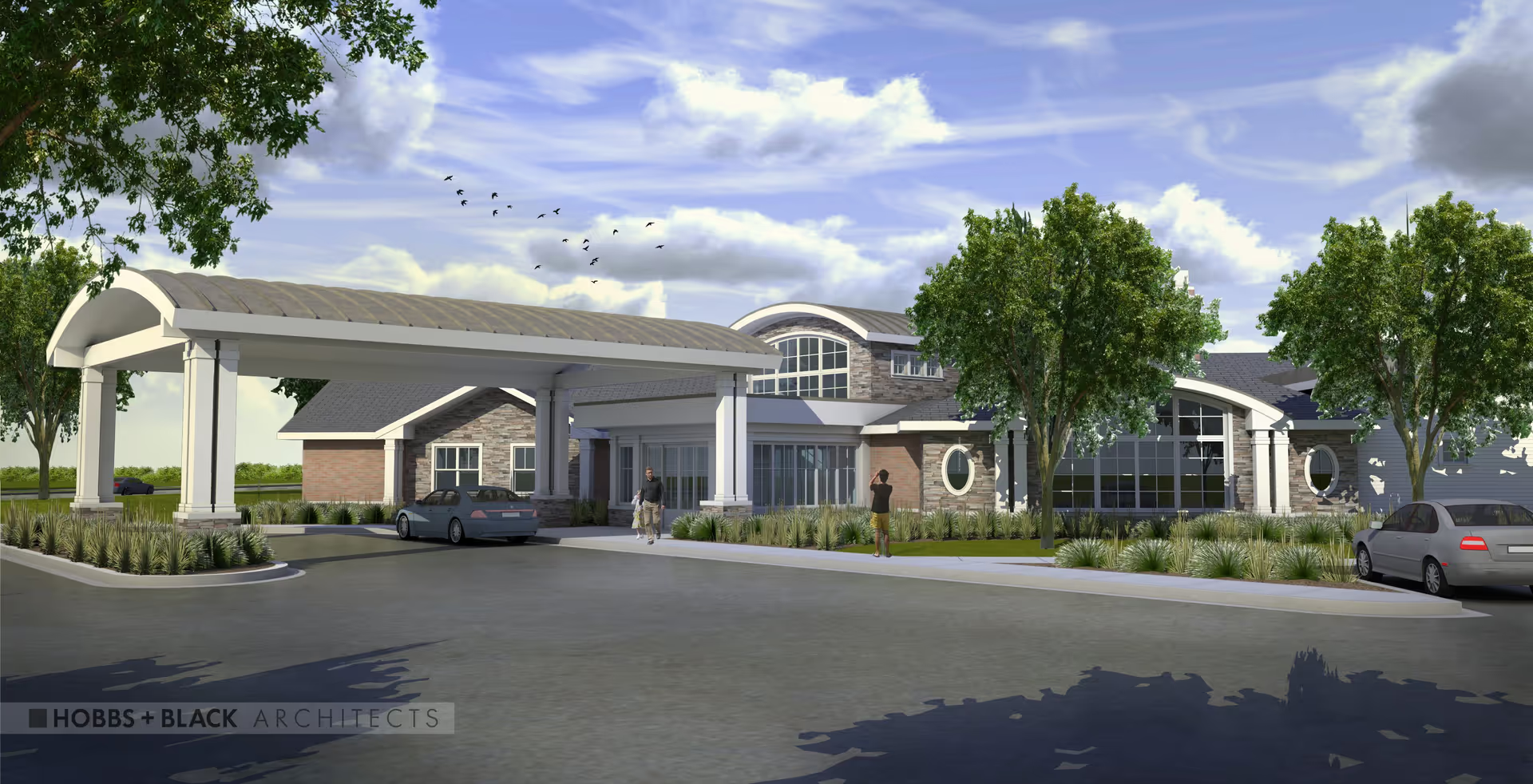
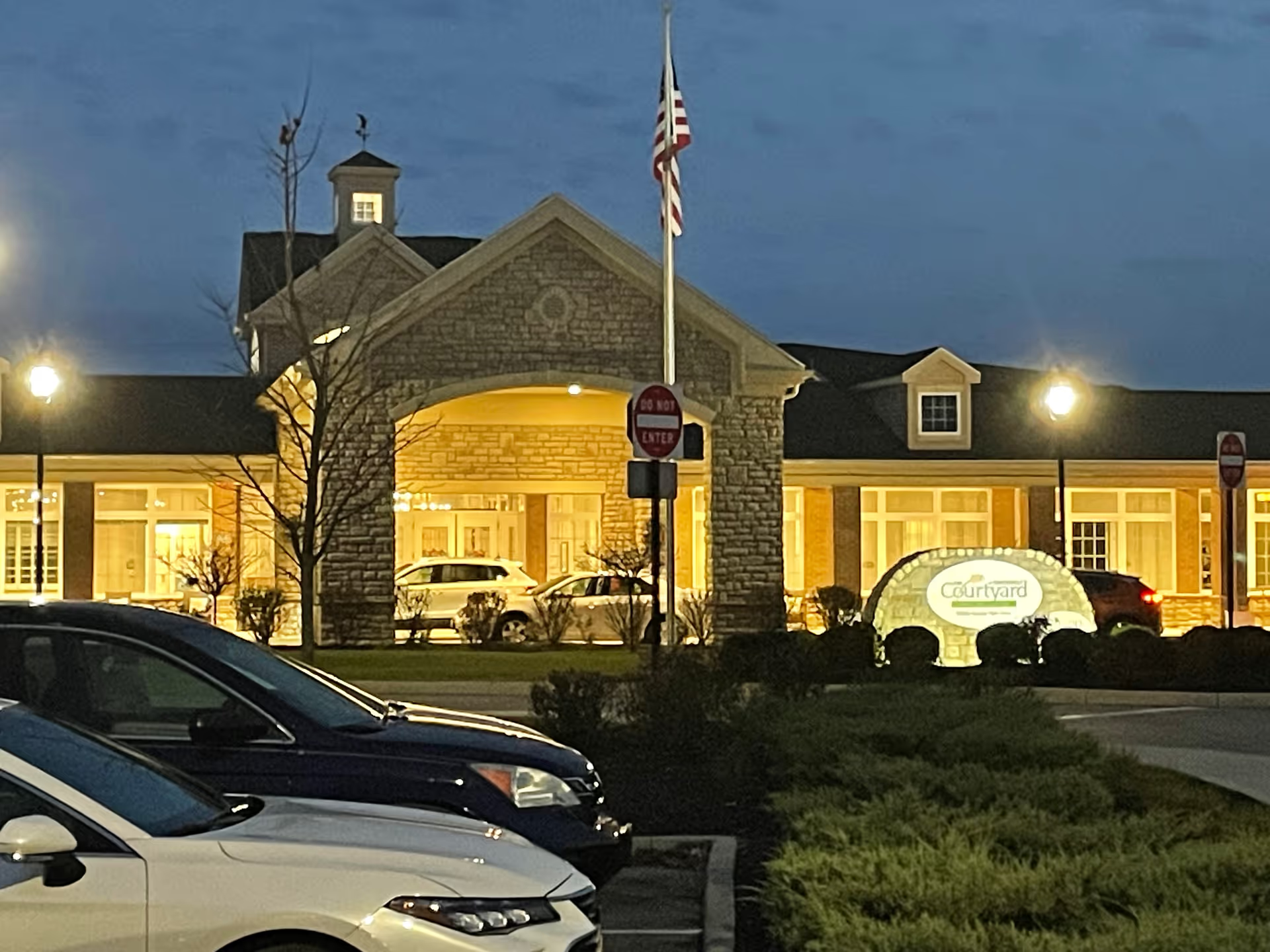
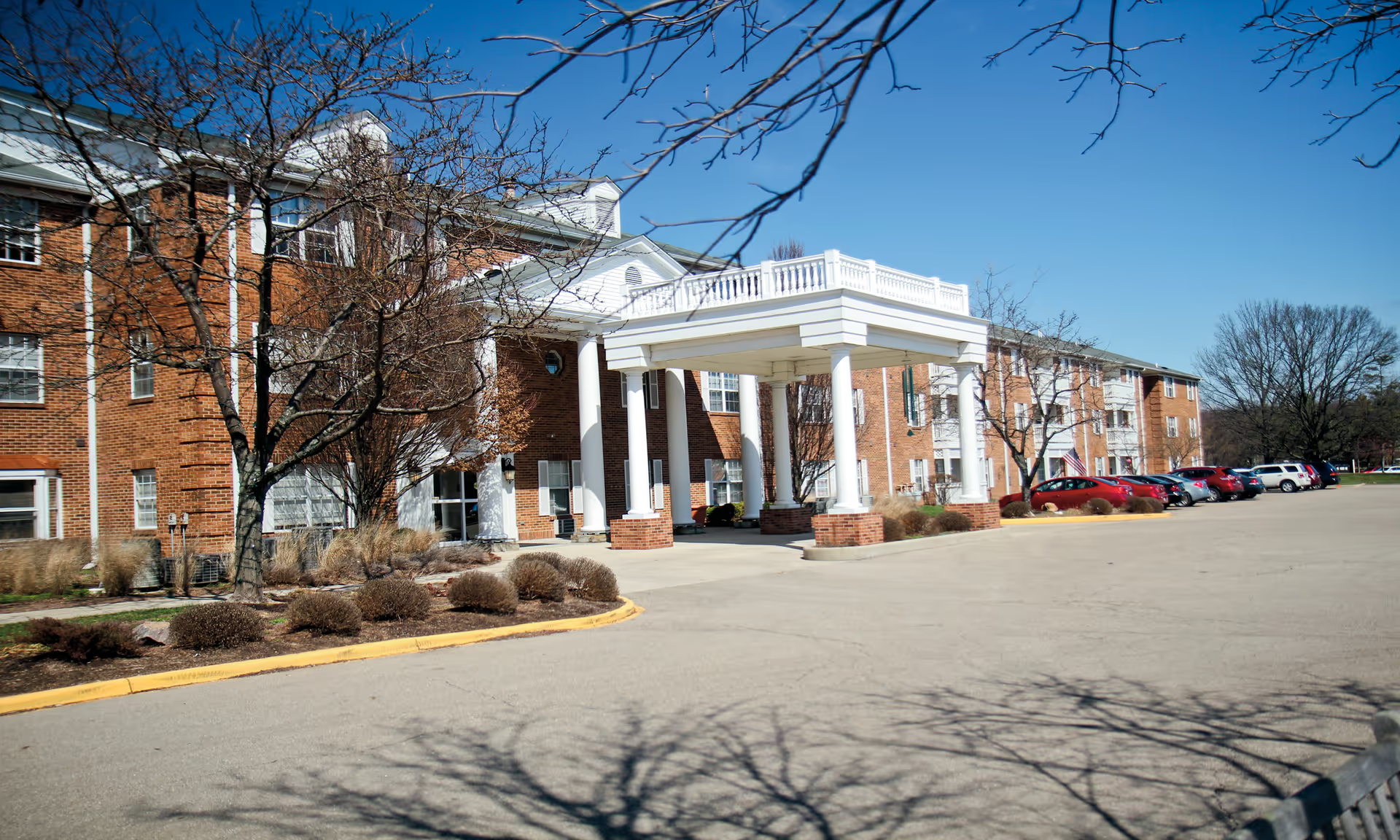
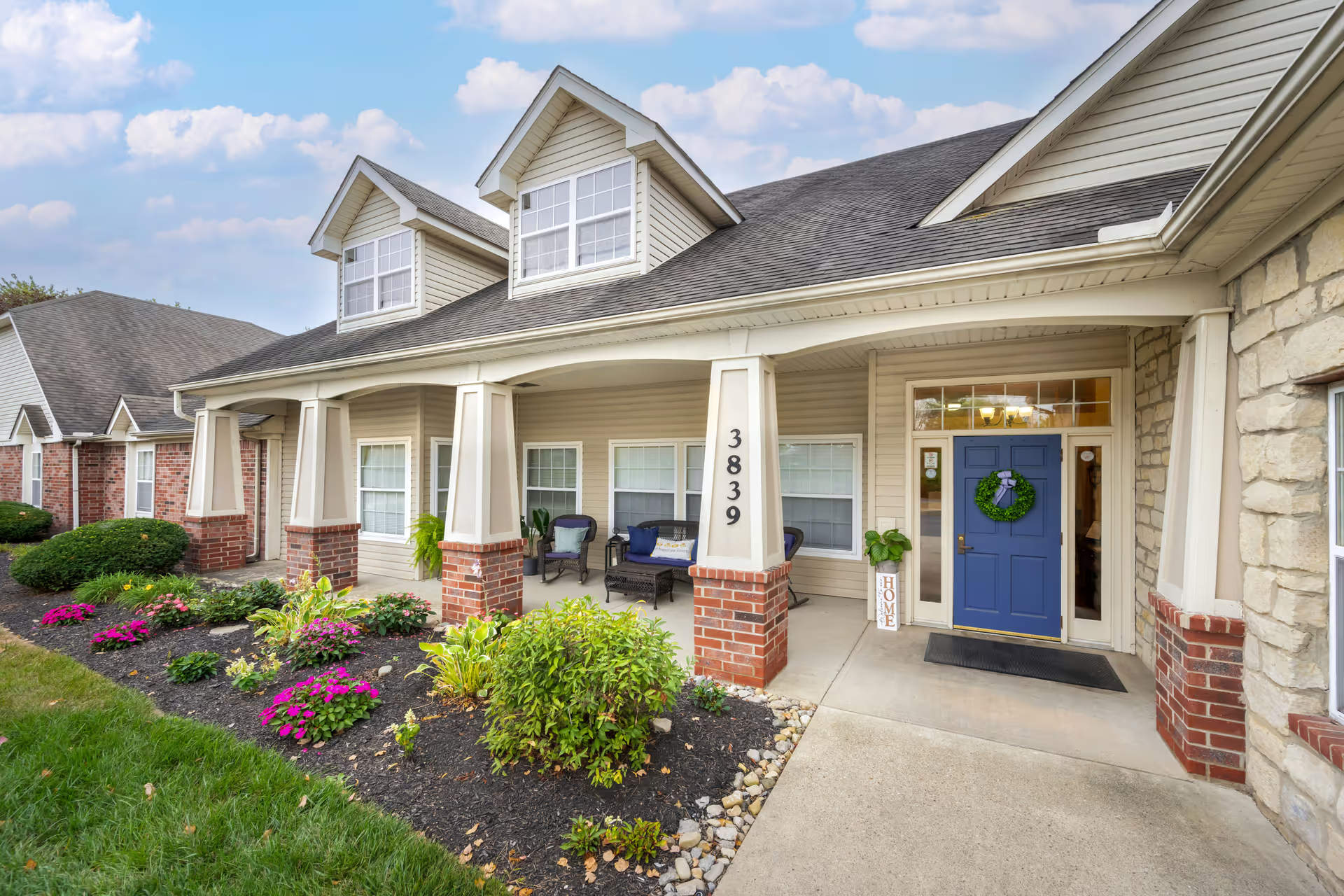
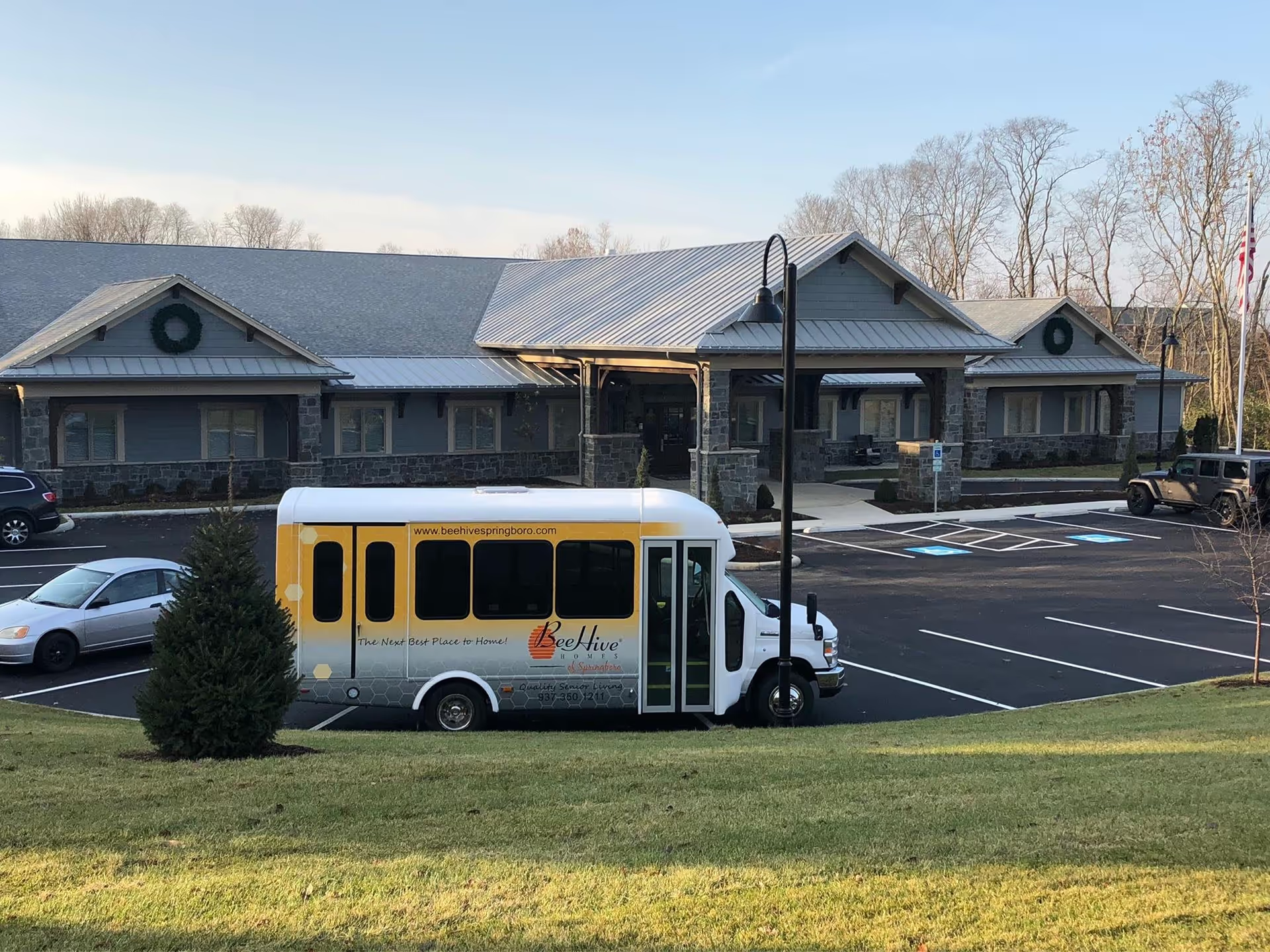
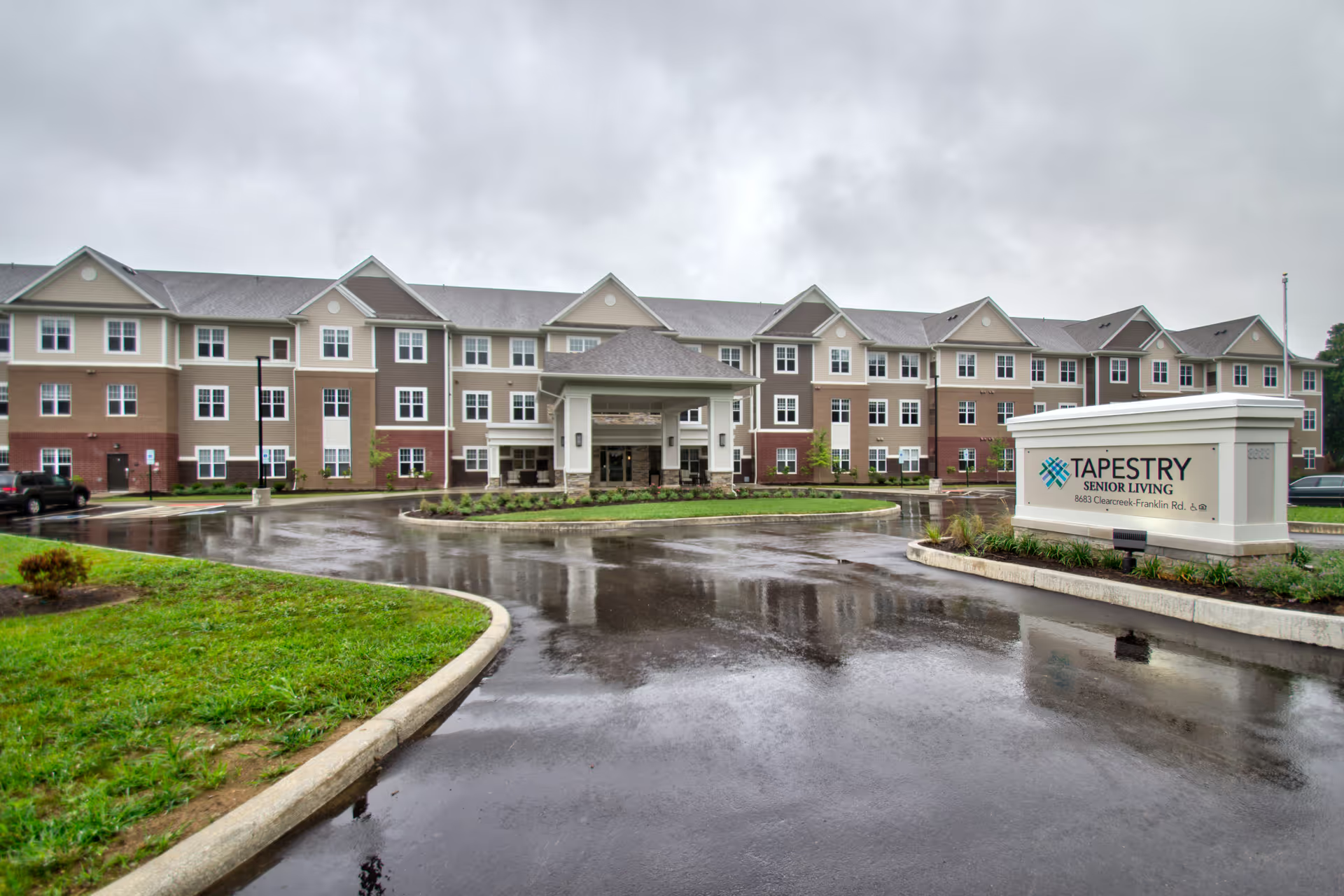
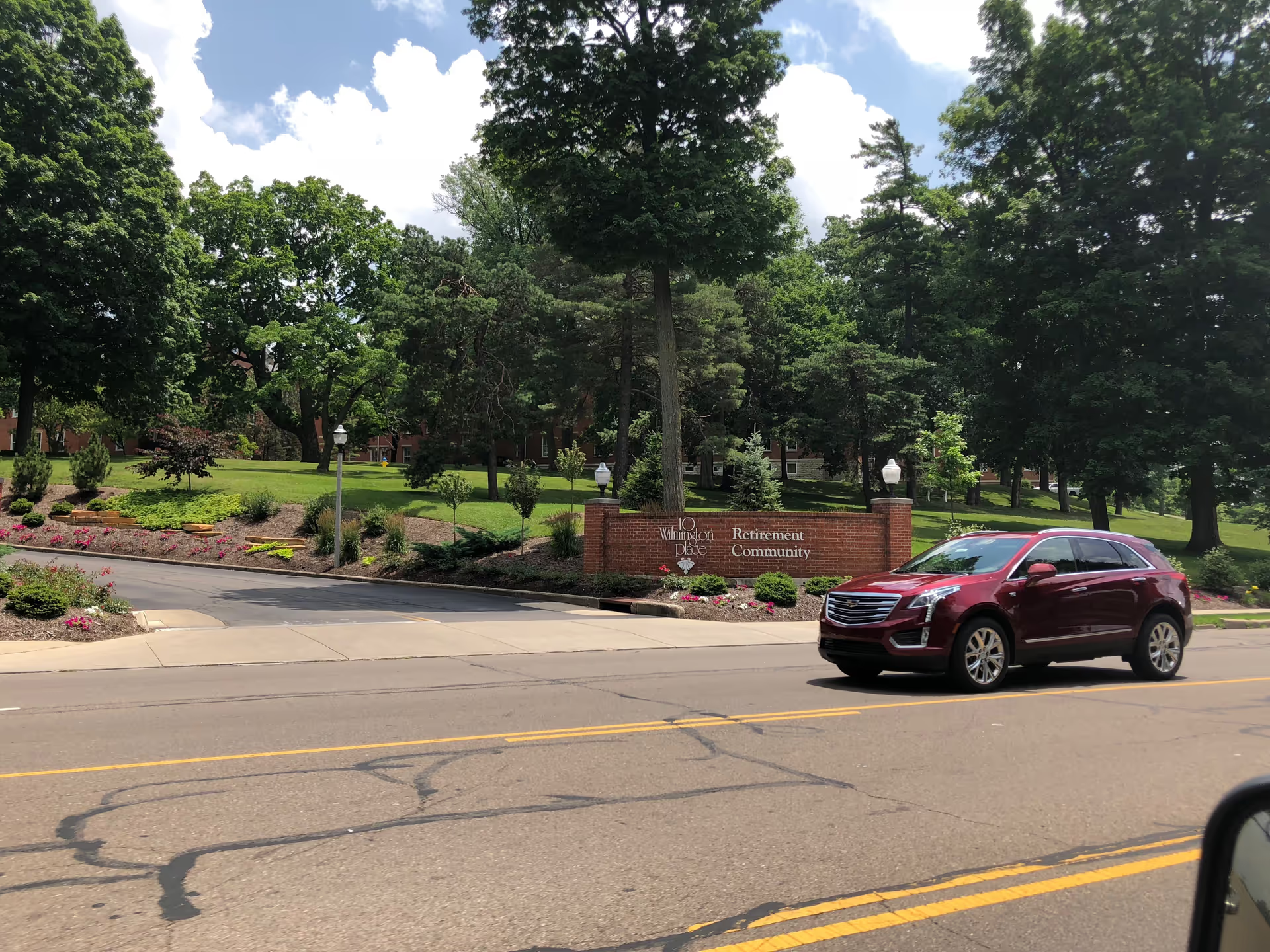
The reviews reflect a facility with clear strengths and important operational weaknesses. Strengths most commonly cited are the campus environment and community life: the grounds, chapel and outdoor spaces are consistently described as attractive and well cared for, and small unit sizes contribute to an intimate dining and social atmosphere. The campus offers a full continuum of care—independent cottages and apartments, assisted living, memory support and skilled nursing—which families value for continuity. Activities programming, volunteer events and community festivals are robust and well organized, and many reviewers praised an engaged activities team, on-site transportation and a strong sense of neighborly community.
Staffing and direct-care quality emerge as a polarizing theme. Numerous comments highlight compassionate, personable aides, nurses and therapists who create positive resident relationships and meaningful care experiences. At the same time, a persistent pattern of inconsistent staffing levels, frequent agency use and shift coverage gaps is linked to delays in assistance, difficulty reaching the nursing station by phone, and variable bedside responsiveness—especially nights and weekends. These operational staffing limits are associated with delayed toileting and bathing assistance, missed or irregular monitoring (for example, blood glucose checks), and reported gaps in medication timing and administration. Rehabilitation services are available on-site, but several reviewers described inconsistent therapy delivery and documentation that did not always match planned minutes or goals.
Dining and facility-condition feedback is mixed. A number of families and residents praised the on-site chef, appealing menu items and well-presented meals; others described limited variety, bland offerings or cold meals on occasion. Facility maintenance is generally noted as responsive in many areas, yet there are repeated reports of aging decor, mismatched or worn furnishings, broken blinds, and deferred repairs in some wings. Sanitation concerns and pest-control issues were reported in certain rooms and units, and HVAC or transport vehicles were occasionally described as unreliable. These environment- and maintenance-related problems appear concentrated in specific areas rather than uniformly across the campus.
Management, communication and safety oversight are additional recurring themes. Several reviews identify strong, helpful administrators and social-work support, while others describe difficulty reaching managers, inconsistent follow-through on concerns, and high staff turnover that undermines continuity of care. Safety-related operational gaps surfaced in critiques of transfer protocols, transport practices, and documentation/monitoring of clinical issues; a few reviewers raised serious individual incidents and allegations of financial misconduct that warrant careful inquiry during a tour and pre-admission conversations. Cost structure and buy-in terms were also noted as significant financial considerations for prospective residents and families.
Overall, the pattern is one of a community with substantial amenities, strong programming and many devoted staff, paired with uneven execution in clinical operations and facility upkeep. Prospective residents and families should weigh the appealing campus, activity life and available care levels against the facility-level risks of intermittent staffing shortages, inconsistent clinical responsiveness, variable cleanliness in select areas, and management responsiveness. Recommended next steps include an in-person visit focusing on the specific living area under consideration (independent vs. skilled nursing), direct conversations with nursing leadership about staffing and clinical protocols, inspection of the actual room/unit for maintenance and pest-control status, and clarification of financial terms and incident-resolution procedures.