The reviews for Village at the Greene present a polarized picture: many families and former residents describe strong rehabilitative outcomes, compassionate direct-care staff, and a pleasant physical environment, while others raise significant operational concerns that affect day-to-day care and safety.
Care quality and clinical oversight: The facility receives repeated praise for its rehabilitation and therapy programs, with specific therapists and teams credited for measurable progress. Several reviewers also highlighted individual nurses, aides, and specialists who provided attentive, family-oriented care and who helped manage more complex needs, including respiratory and hospice services. Counterbalancing those positives are recurring accounts of missed medications, inconsistent implementation of care plans, delays in clinical assessment and escalation, and wound- and skin-care lapses. These patterns suggest variability in clinical adherence across shifts and units rather than a uniformly reliable standard of care.
Staff and staffing practices: Staff compassion and personal connections are recurring strengths; numerous reviewers singled out STNAs, therapists, and front-desk personnel as caring and professional. However, chronic understaffing, frequent turnover, and a reliance on agency staff were also commonly cited. Reviewers described long response times to assistance requests and difficulty reaching staff by phone. Several comments linked workplace scheduling, pay, and disciplinary practices to low morale, which appears to contribute to inconsistent resident coverage and variability in staff performance.
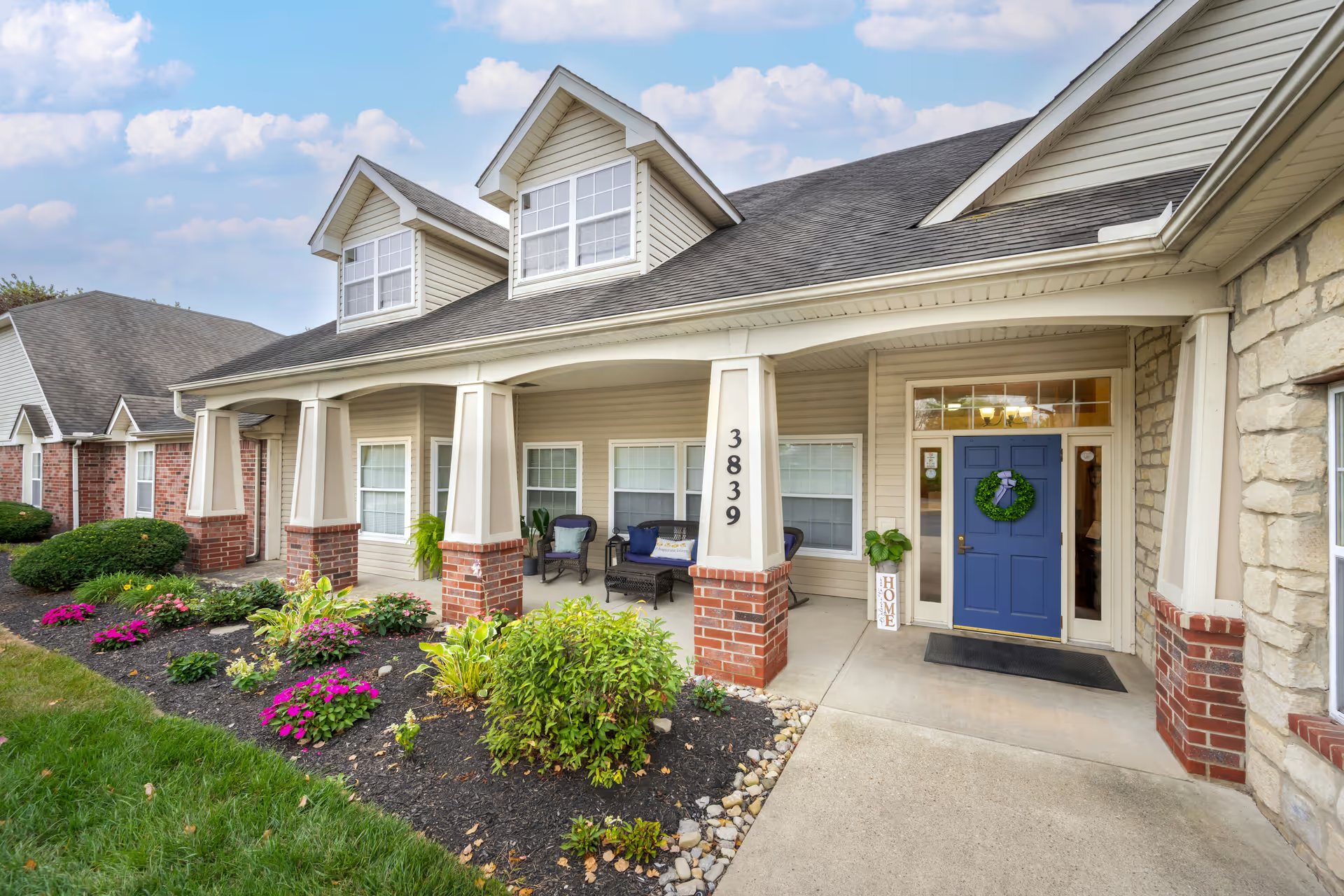
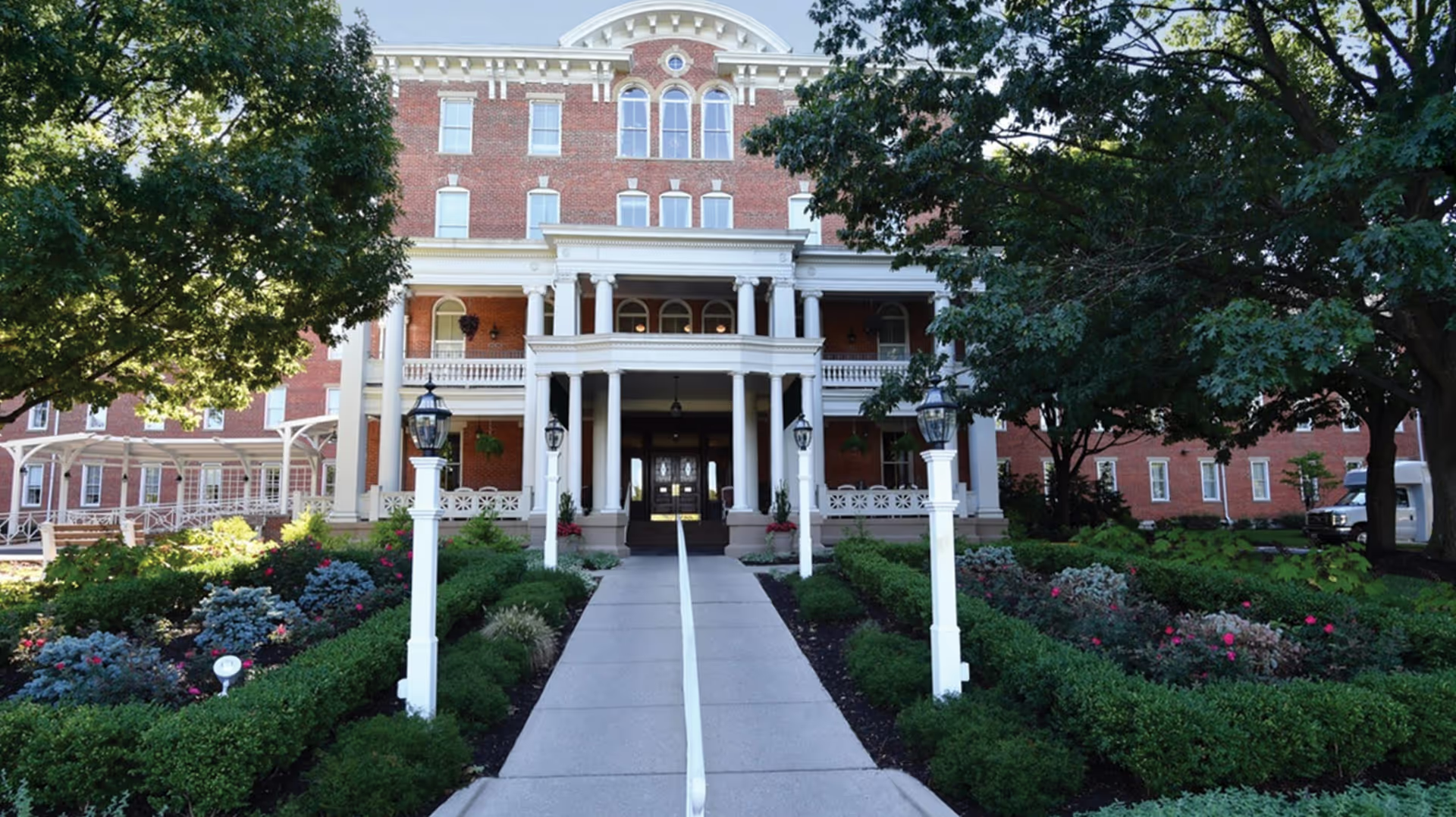
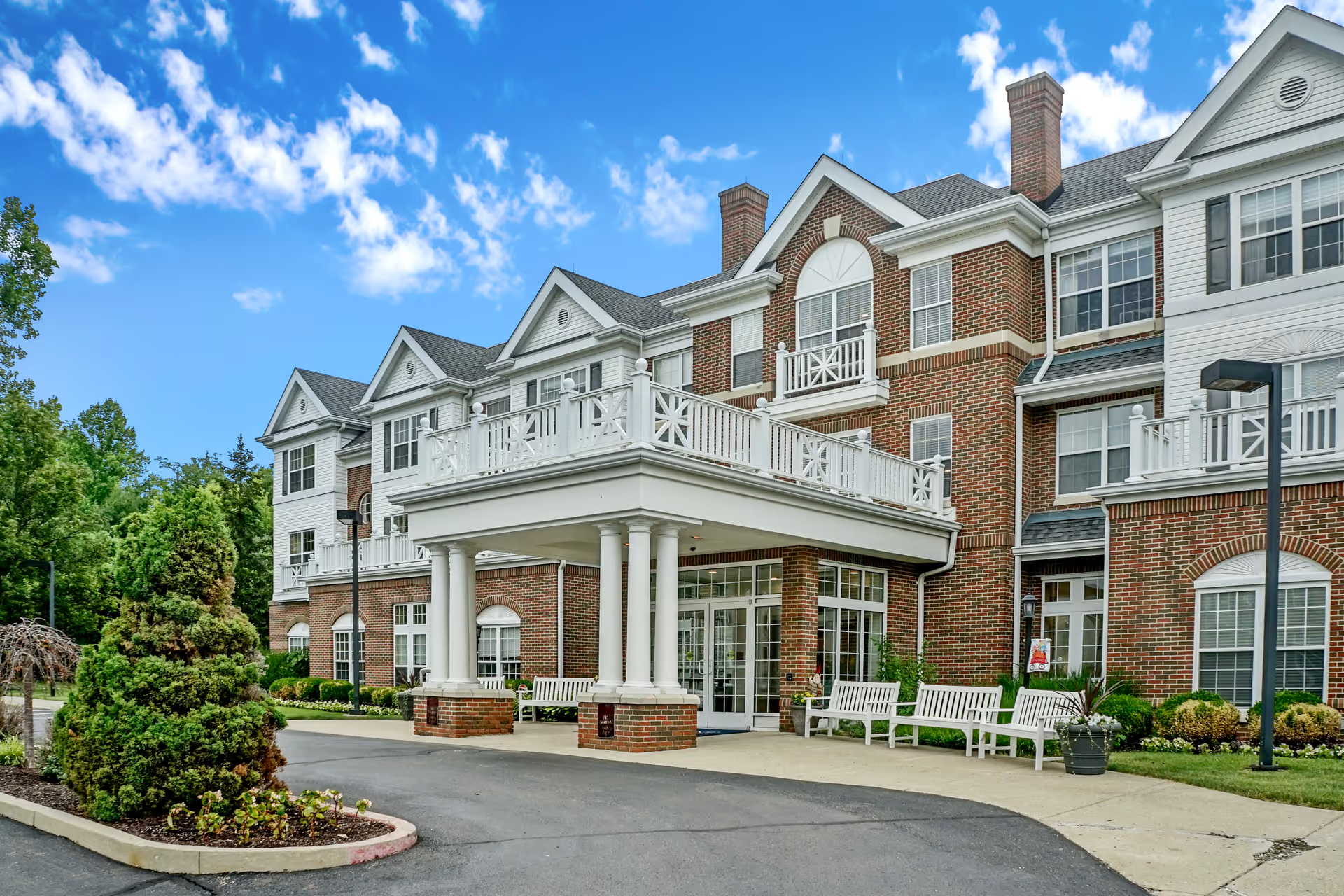
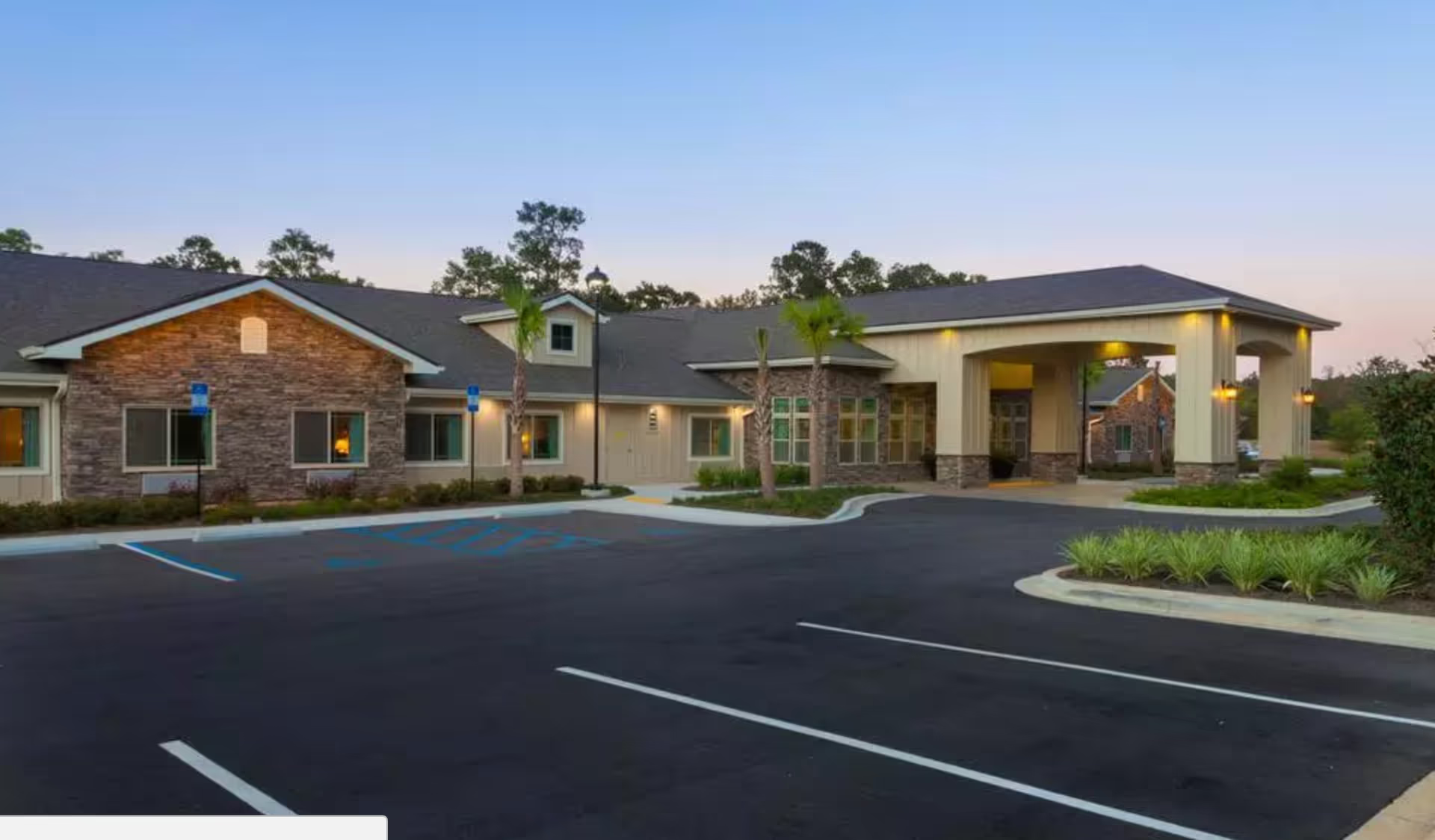
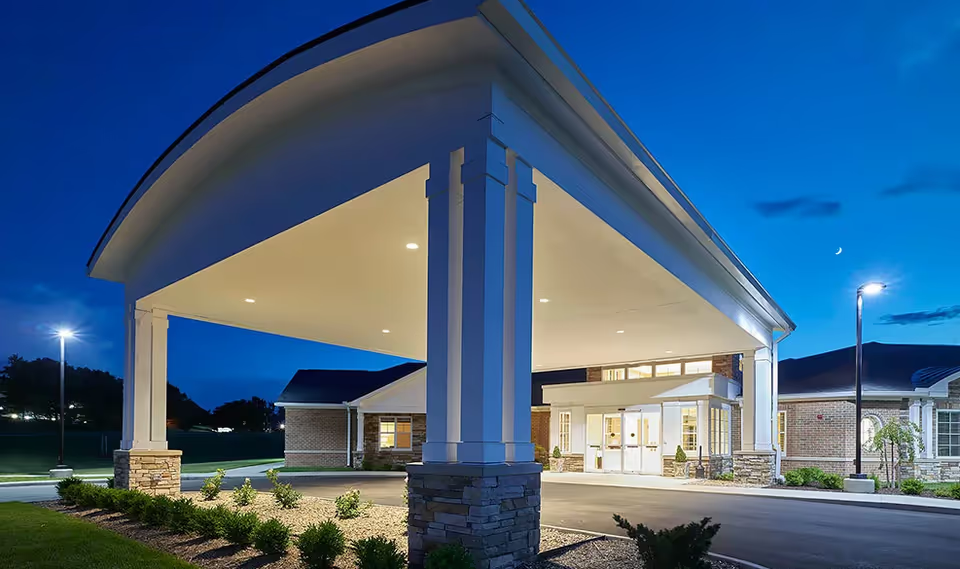
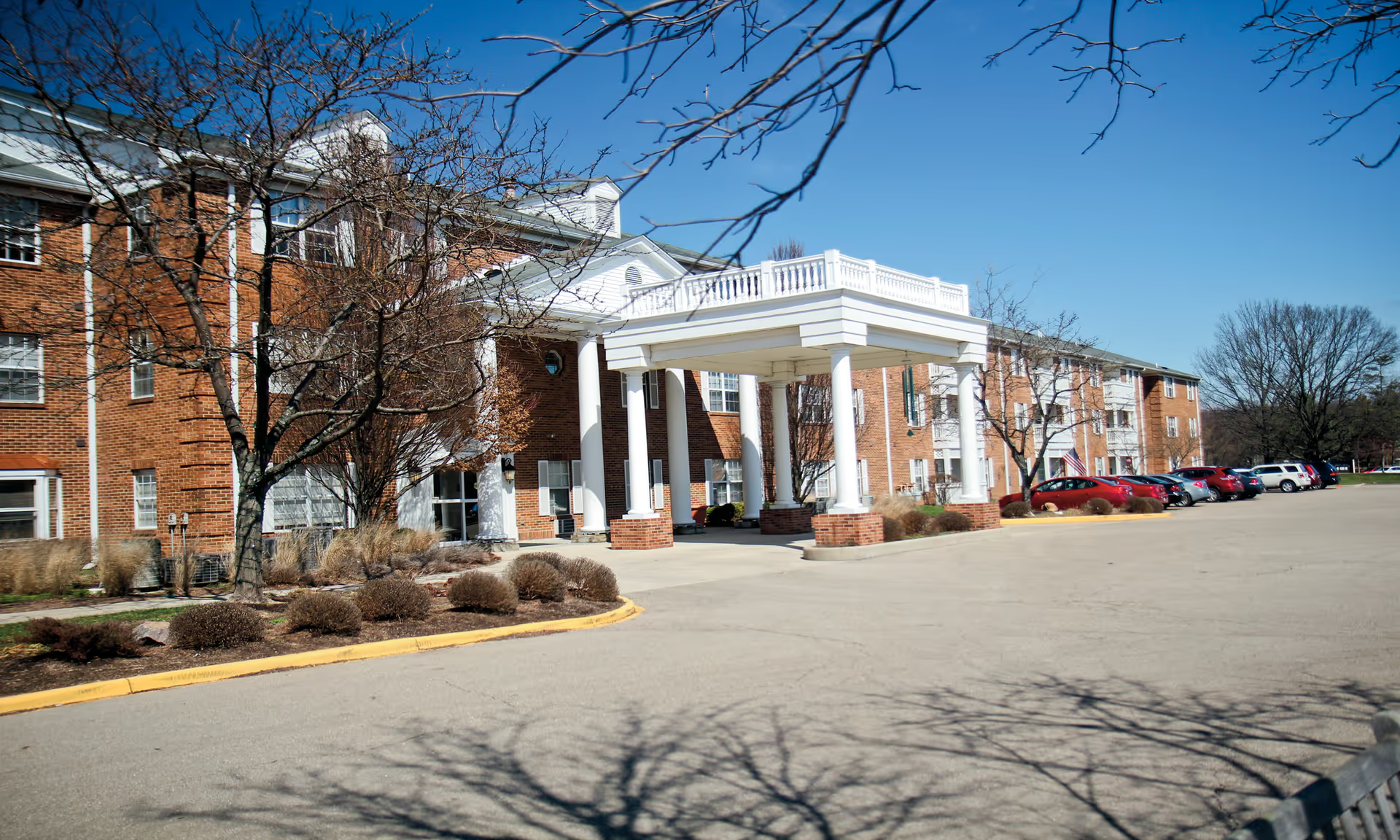
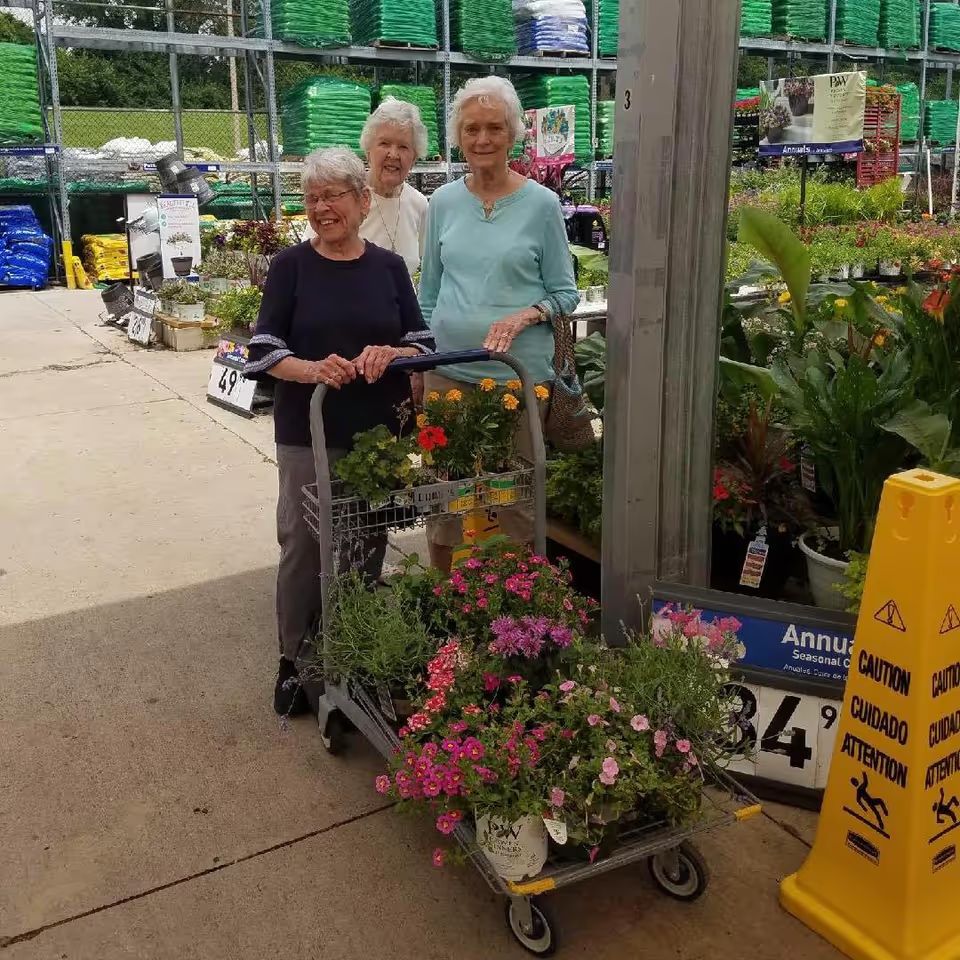
Dining, activities, and campus environment: The physical plant, landscaping, and interior upkeep receive mostly positive remarks. Dining is frequently described as well thought out, with varied menus, on-site preparation, and staff willing to accommodate substitutions or preferences. Social programming and community events were repeatedly mentioned as strengths, and residents forming social groups around meals and activities was a consistent positive theme.
Facilities and housekeeping: Many reviewers praised the building, private rooms, and overall cleanliness; other reviewers described sanitation inconsistencies and odor concerns in specific situations. These divergent impressions indicate that housekeeping and incontinence-care practices may vary by unit or shift. The facility is generally viewed as modern and accessible, but operational inconsistencies in room upkeep were raised often enough to be a notable pattern.
Management, communication, and safety: Experiences with leadership are mixed. Some families appreciated hands-on administrative involvement and quick problem resolution, while others reported poor communication, inadequate oversight, and slow responses to family concerns. Several reviews described safety-related issues such as transfer and fall-prevention gaps and delays in medical follow-up; in a few instances reviewers raised serious concerns following adverse events. There were also comments about billing and administrative processes that contributed to family frustration.
Notable patterns and practical considerations: The dominant pattern across the reviews is variability — excellent care and positive outcomes are clearly possible at this facility, but they appear to be uneven and dependent on staffing, shift, and unit. Chronic staffing pressures and management practices are the most consistently cited contributors to negative experiences. Prospective residents and families should weigh the facility's strong rehabilitation and social programming against the operational risks described.
Recommendations for families considering this facility include observing staffing levels during a visit, asking about turnover rates and agency use, reviewing recent state inspection and complaint history, clarifying dietary and clinical-care protocols, and requesting direct information about call-response times and wound/skin-care procedures. Asking how the facility supervises agency staff and how administrators communicate with families during clinical changes can help assess whether the positive aspects highlighted by many reviewers will be consistently delivered in a given unit or on a given shift.