The reviews present a polarized picture of Widows Home of Dayton, with clear strengths in rehabilitation, activities, and many aspects of daily care alongside recurring operational concerns that families should evaluate closely. Clinically, several reviewers praised skilled nursing and therapy teams, noting effective rehab outcomes, a therapy gym, and staff who facilitate daily mobility and recovery. These positive accounts emphasize attentive bedside care, 24-hour availability, and instances where clinical staff provided life‑saving or significantly beneficial interventions.
Conversely, a number of comments point to substantive operational weaknesses. Medication-administration controls and documentation are a repeated concern, expressed as inconsistent medication tracking and specific medication-administration problems. Reviewers also described delays in staff responsiveness to call bells and assistance requests, which connects to broader gaps in emergency-response coordination and hospital-transfer communication. Related themes include uneven mobility-assistance practices and maintenance issues with room equipment (for example, call buttons and difficult-to-open doors), all of which could affect resident safety and comfort.
Staffing and interpersonal conduct are another area of mixed feedback. Many reviewers describe compassionate, warm, and family‑oriented staff who create a welcoming atmosphere and remember residents. Others reported experiences of unprofessional communication, lack of apology or explanation following incidents, and privacy-protection lapses. These contrasting impressions suggest variability in staff behavior and in how the facility manages difficult conversations or adverse events.
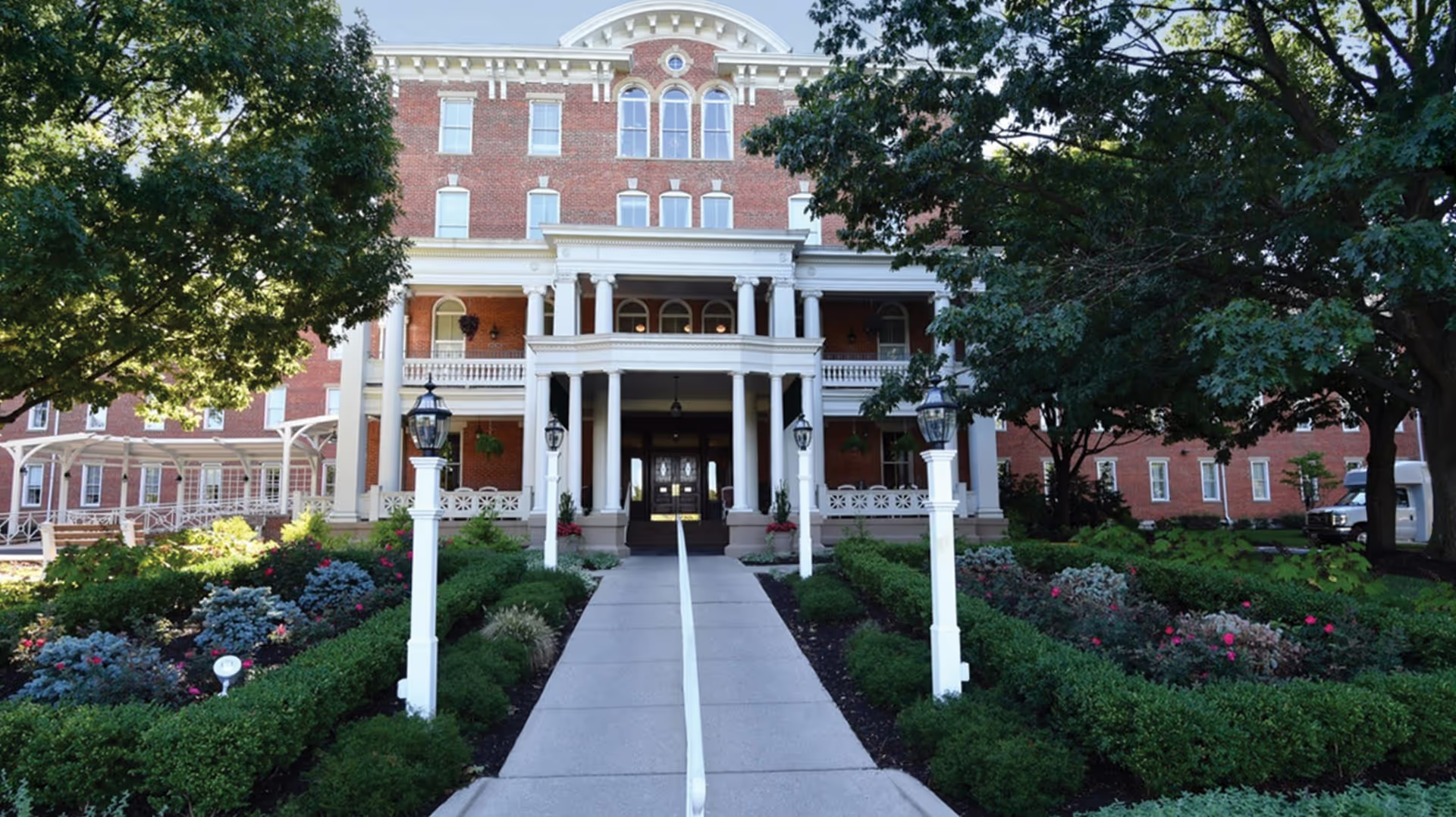
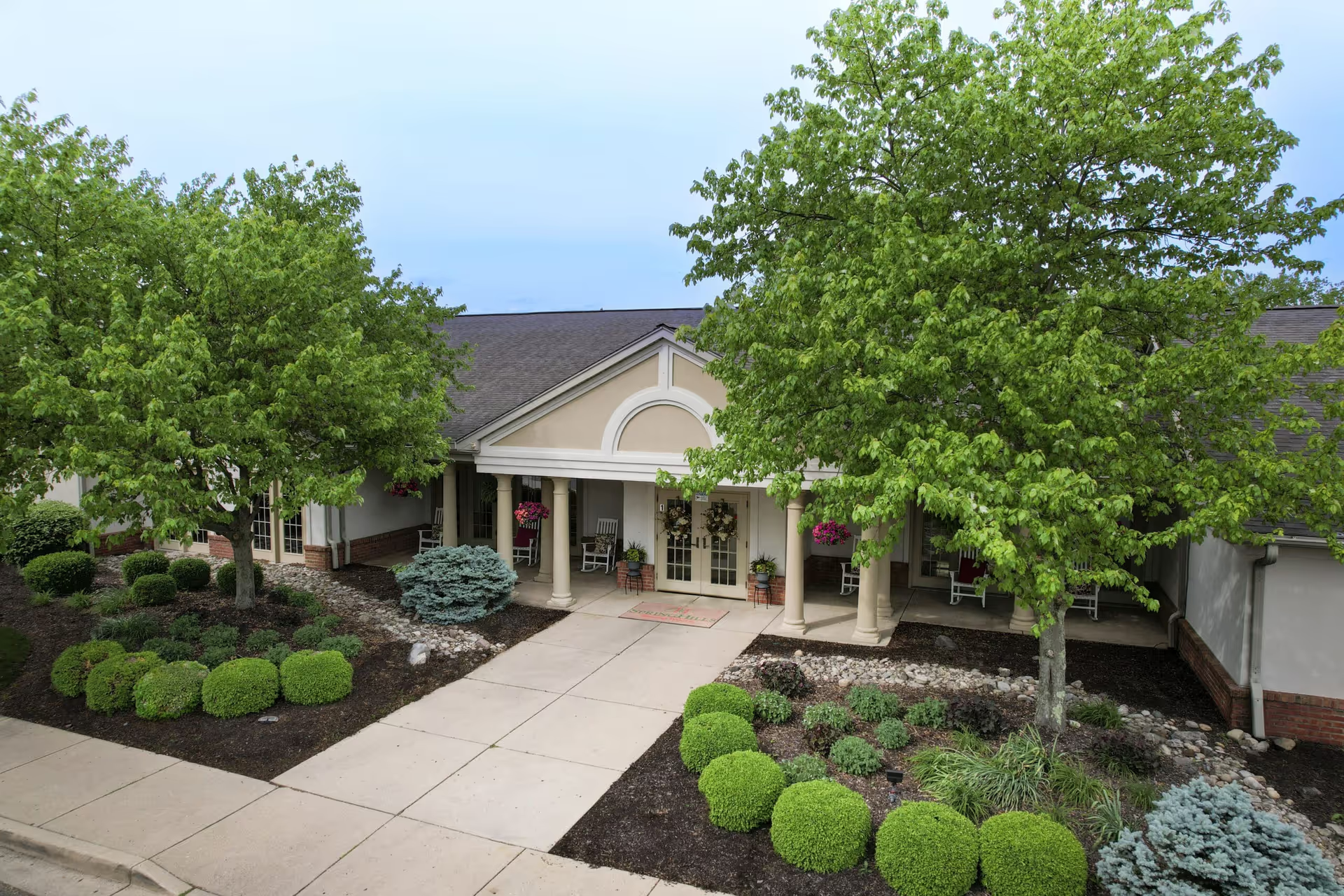
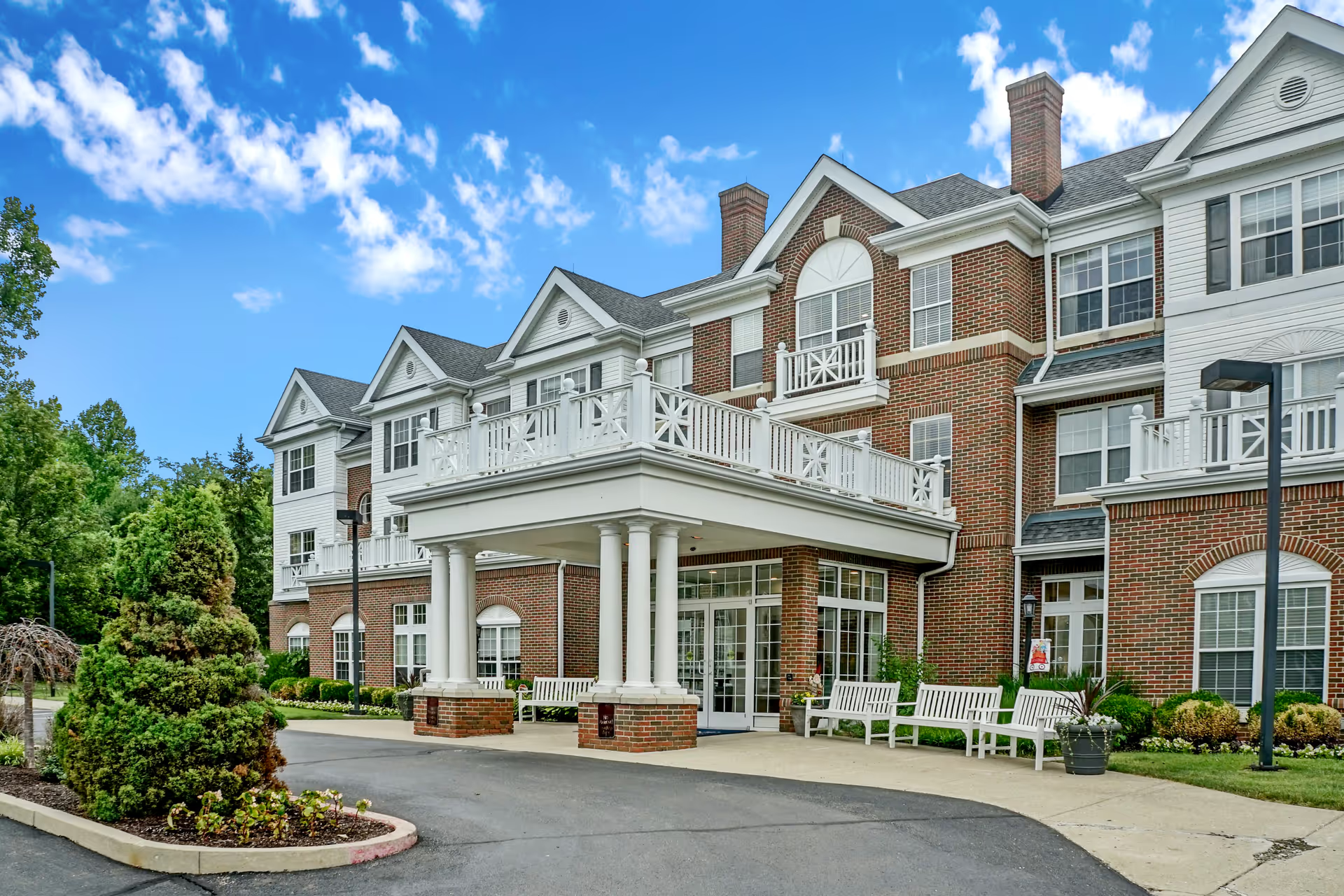
The facility’s social programming and communal amenities receive consistently positive remarks. There is a robust activities calendar—arts and crafts, bingo, card games, and a church service are frequently mentioned—alongside clean dining and communal spaces and a cafeteria-style meal service that many residents enjoy. The environment is also described as modest but generally well maintained for the areas praised, and several families reported positive admission tours and a welcoming community culture supported by volunteers.
Management and communication show mixed performance. Positive notes include family-inclusive transition support and collaborative rehabilitation planning. However, recurring issues include incomplete discharge paperwork, absent medication lists on transitions, and inconsistent communication around readmission and infection-control decisions. Sanitation and odor concerns were raised for certain areas, indicating uneven housekeeping or environmental maintenance standards.
Overall, Widows Home of Dayton appears to offer strong rehabilitative services and a lively activities program with many compassionate caregivers, but it demonstrates variability in clinical documentation, responsiveness, and operational consistency. Prospective residents and families should consider observing medication-administration and emergency-response processes during a tour, ask for details about staffing levels and documentation practices, and request examples of discharge and readmission protocols to assess how the facility addresses the areas of concern identified by reviewers.