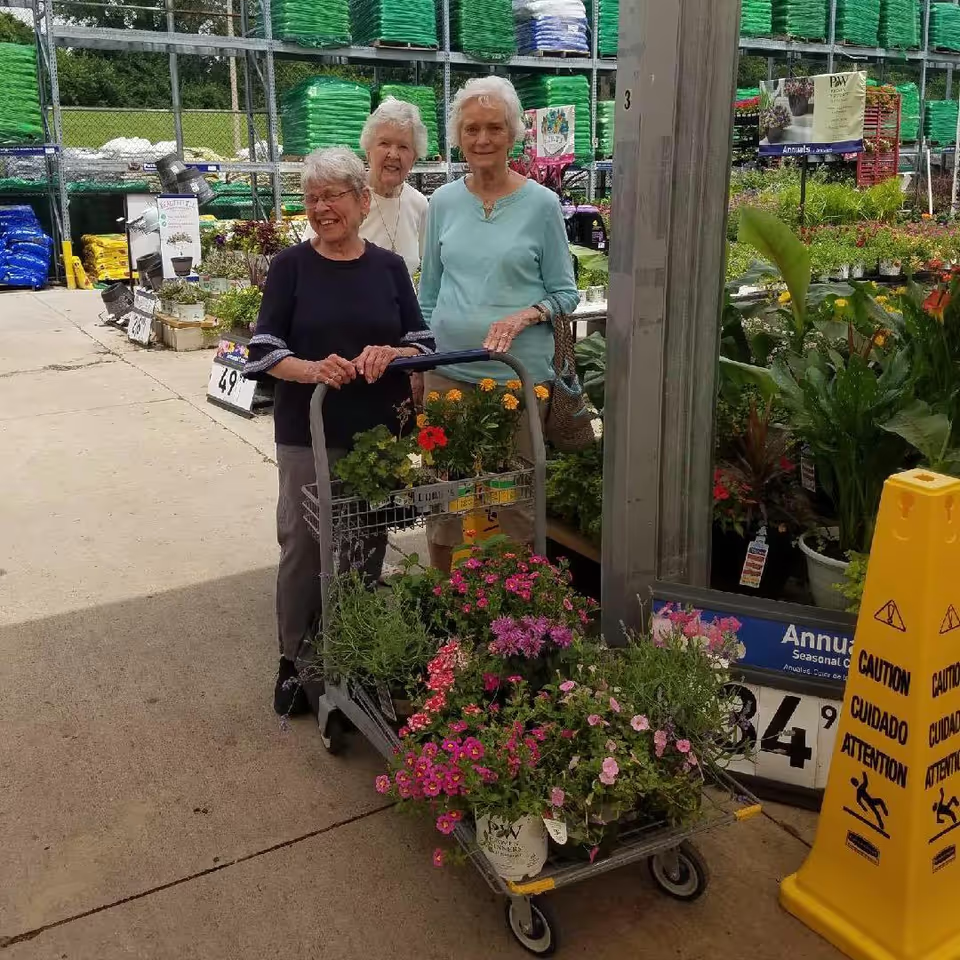
The reviews portray a facility with a mixture of notable strengths and serious operational weaknesses. On the positive side, many families described compassionate, hands-on nurses and aides who provided attentive daily care and strong end-of-life support. The community includes dementia-specific neighborhoods and staff with dementia training, and activity programming is frequently described as appropriate to resident ability — examples include singing, dancing, parties, and card games. Dining receives largely favorable comments for taste and presentation, and there are outdoor courtyard areas used for activities that families appreciated.
At the same time, a consistent theme is variability in care quality and facility operations. Several families described meaningful improvements in their loved ones under specific caregivers or clinical teams, but an equal or greater number of accounts point to inconsistent staffing levels, delayed responses to clinical issues, and gaps in fall prevention and monitoring. These operational gaps have been linked by families to transfers to hospital, wound- and infection-related concerns, and in some cases concerns following resident deaths. While some staff and nurses are singled out for strong performance, overall supervision and continuity of clinical oversight appear uneven.
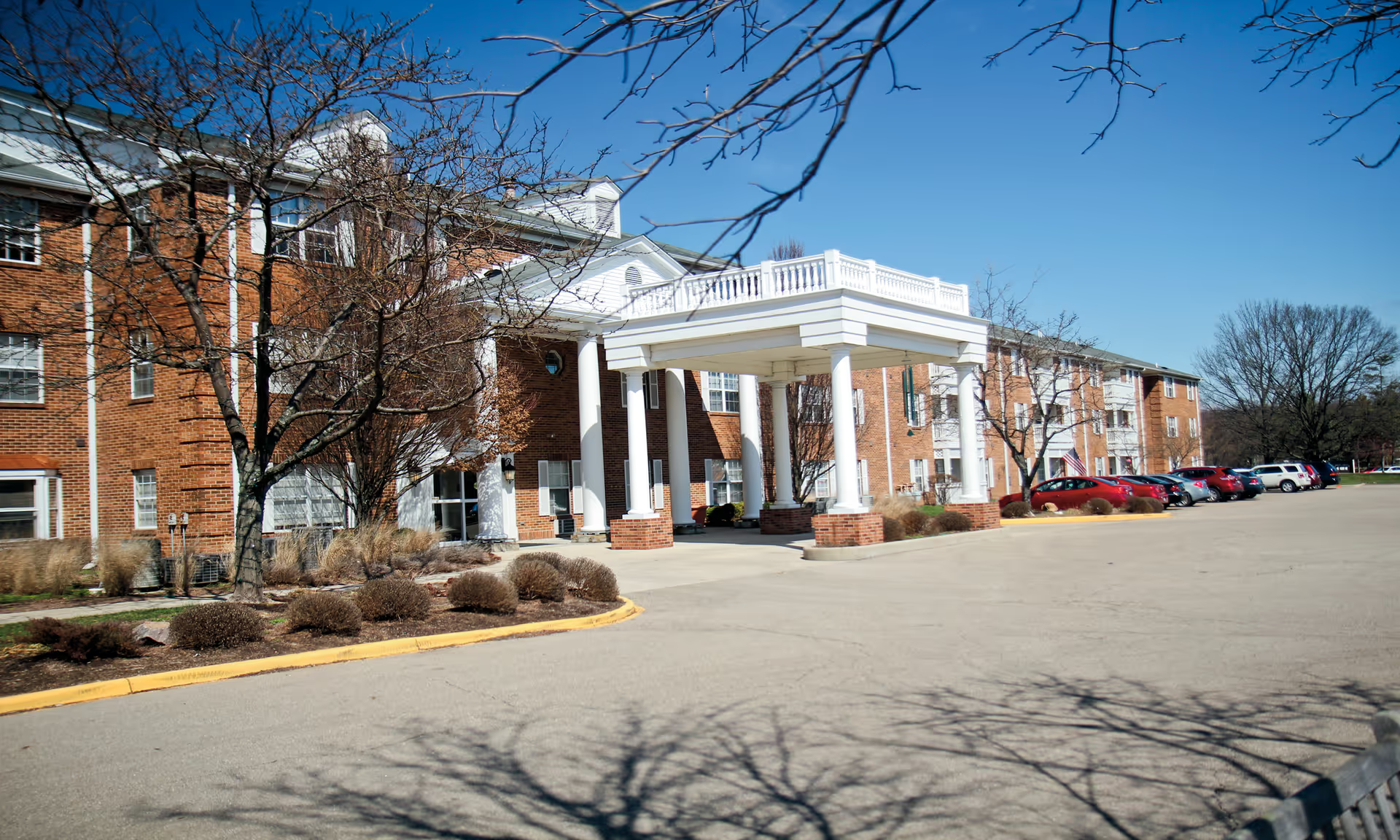
Facility condition and environmental management are additional areas of concern. Reviewers note aging furniture, maintenance shortfalls, bathroom fixture and seal issues, sticky floors, and odor-management problems in certain wings or common areas. Pest-control concerns and inconsistent sanitation practices were also raised, alongside reports of limited natural light and small room footprints (including semi-private rooms divided by curtains). Conversely, other families reported clean, adequate rooms and a pleasant dining environment, indicating variability across units or time periods.
Management and administrative processes receive mixed evaluations. Positive experiences include administration that supported families during end-of-life situations and individual staff who advocated for residents. However, many families reported poor regular communication from leadership, slow or unhelpful responses from the business office on billing disputes, and difficulty obtaining timely follow-up from supervisors or the clinical director. There are also assertions of inconsistent operational culture at the unit level, including concerns about staff conduct, professionalism, and supervision.
Safeguarding of resident belongings and medication controls emerged as an important pattern. Reviews include multiple accounts of missing personal items and concerns about narcotics handling; these suggest weaknesses in property controls and medication-management processes rather than isolated occurrences. Infection-control practices and PPE availability were also questioned in some accounts, particularly during periods of heightened infectious risk, which reinforces the need for clarity about current protocols.
Overall, prospective residents and families should be aware of the facility’s clear strengths in dementia programming, compassionate individual caregivers, and engaging activities, while also evaluating operational consistency. Recommended areas to assess in person include current staffing ratios and schedules, fall- and medication-safety protocols, property-handling and laundry procedures, infection-control practices, recent maintenance work, and the facility’s approach to family communication and billing resolution. The experience appears to vary substantially by unit and by staff on duty, so a focused tour and direct conversations with nursing leadership and the business office are advisable before making placement decisions.