The Trinity Community at Fairborn elicits strongly mixed impressions. Many families praise the caregiving staff for warmth, patience and personal attention; therapists and rehabilitation services receive repeated positive mention for effectiveness and coordination. The facility provides routine services valued by families — laundry, a variety of therapy disciplines, short-term rehab and respite care — and maintains active programming including art and activities that contribute to a family-like atmosphere. Operationally, the facility accepts Medicaid and works with the Veterans Administration, which some families found helpful during intake and care planning.
At the same time, recurrent operational concerns appear across reviews and merit consideration for prospective residents. Staffing inconsistencies and occasional shortfalls are linked to delayed responses to care needs, irregular assistance with bathing and incontinence care, and extended waits for aid with feeding or medication after procedures. Several accounts describe sanitation and odor concerns in certain units and uneven housekeeping coverage, particularly on weekends. These issues correlate with reports of skin integrity problems (pressure injuries) and unplanned hospital transfers in some cases.
Communication and management practices also show variability. Many families commended the admissions staff and some nursing leaders for being accommodating and communicative, but others report breakdowns in communication between administration and nursing, delayed physician contact, and gaps in keeping families updated. There are also isolated but serious nonclinical concerns: billing and refund-process delays have created financial disputes, and there are allegations of discriminatory behavior by administration that would warrant further inquiry.
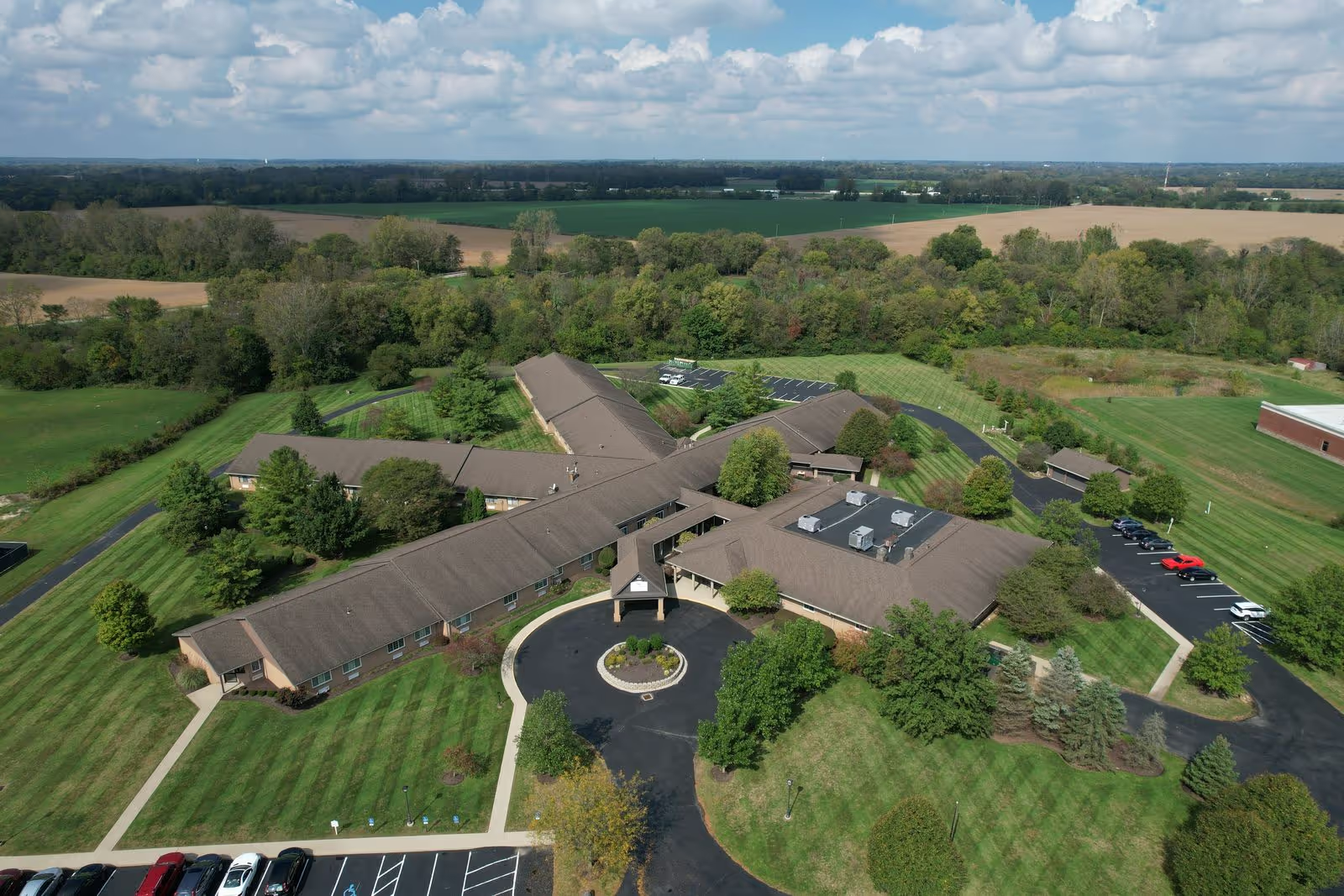
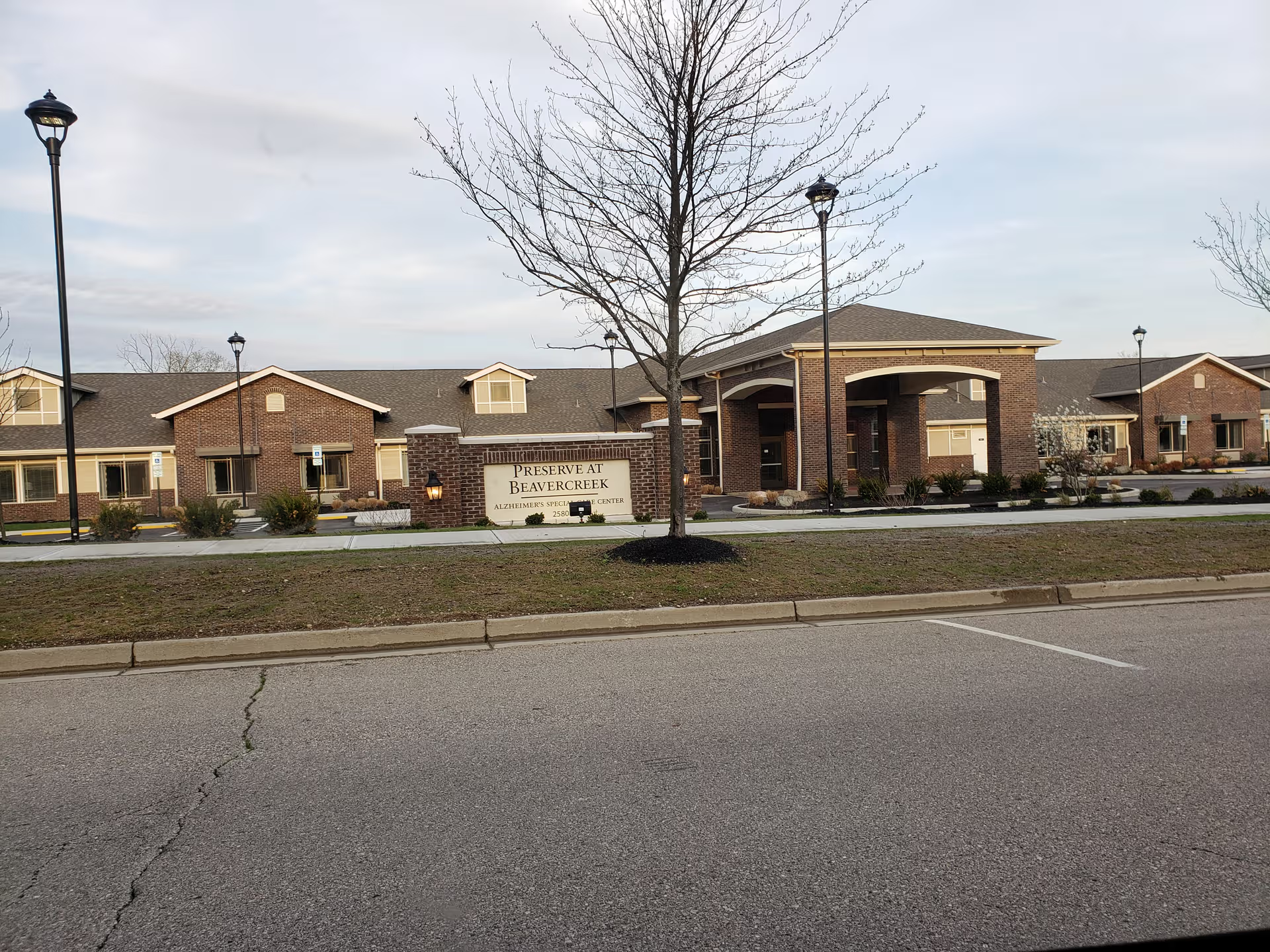
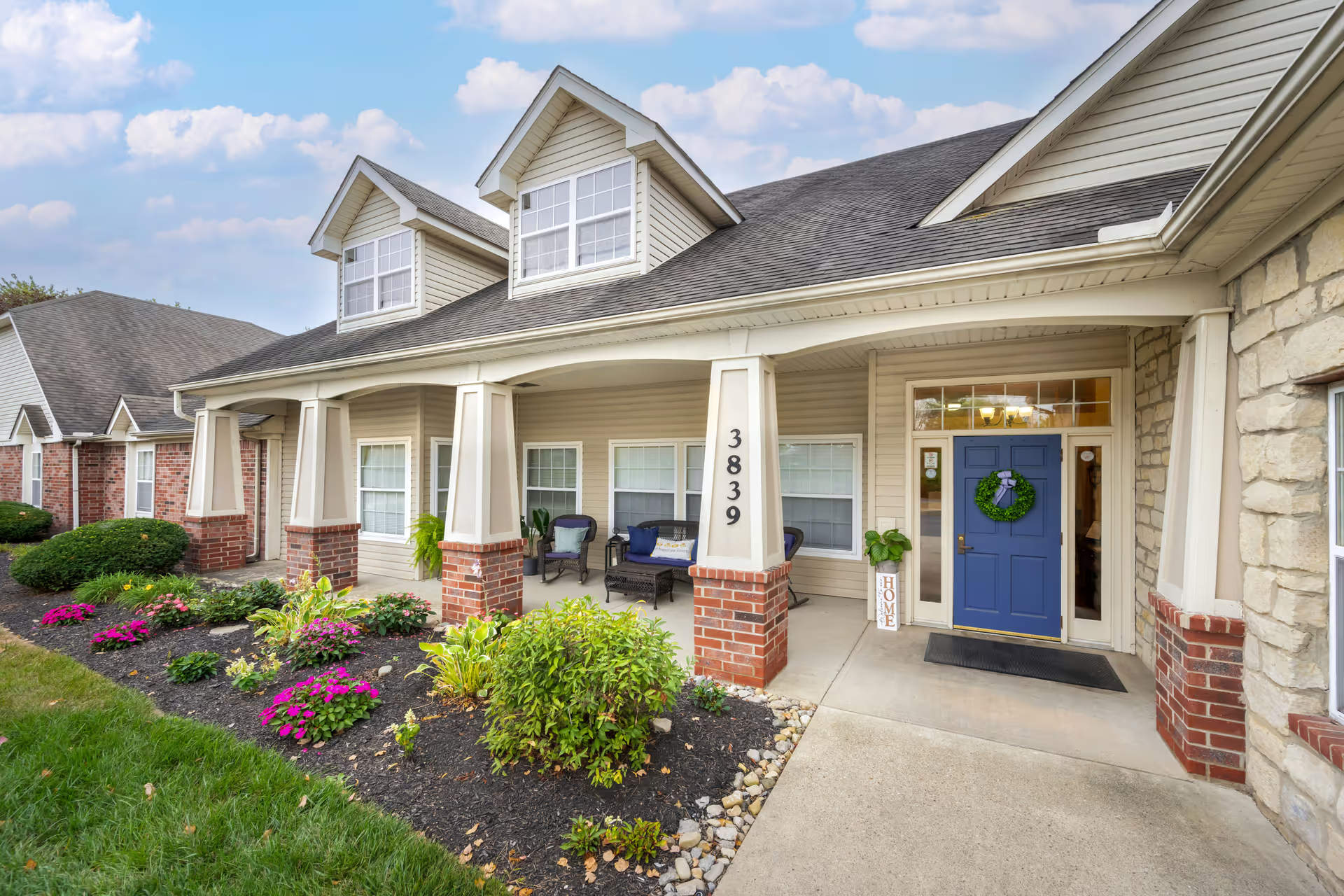
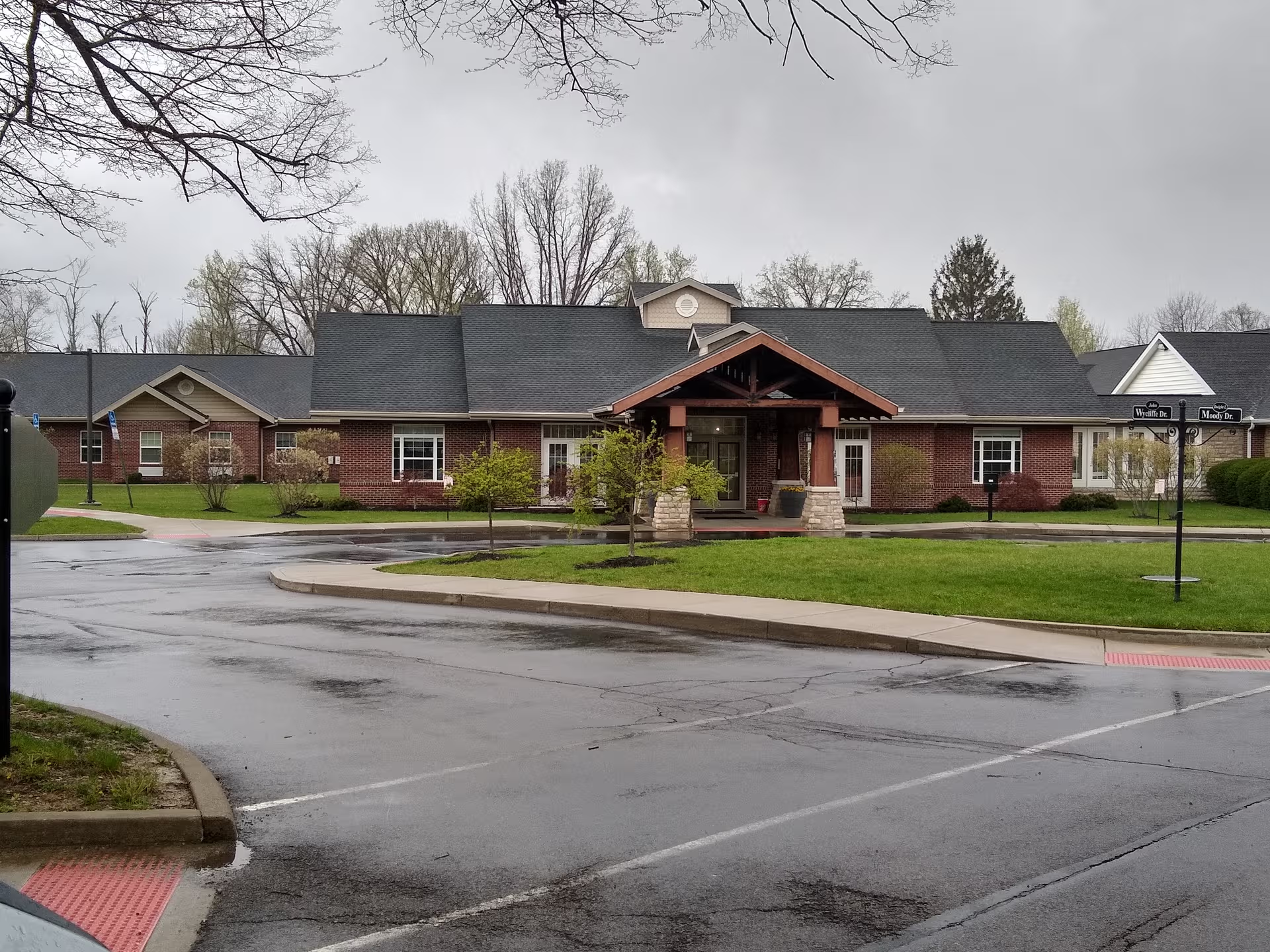
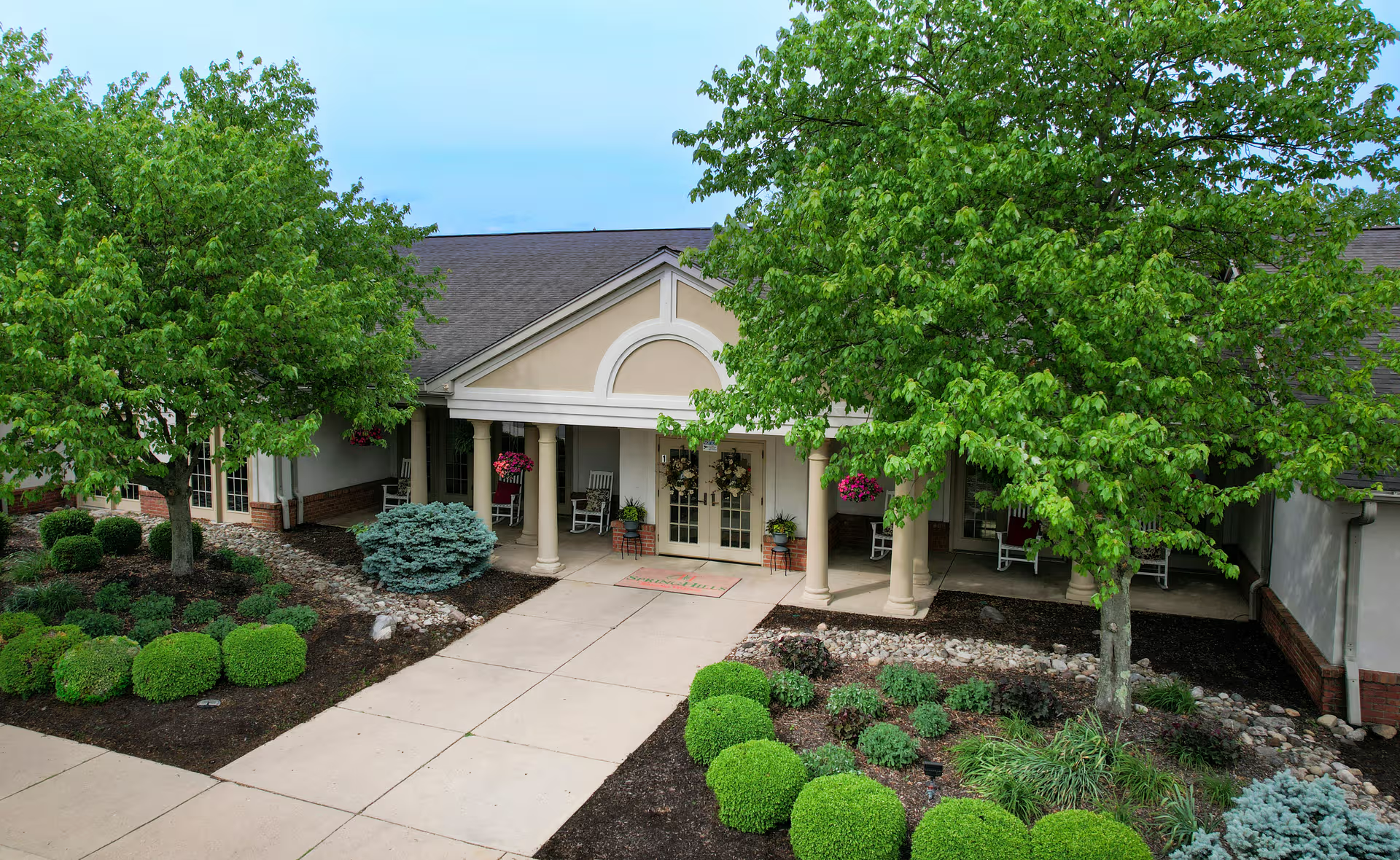
Physical facilities and dining present a mixed picture. Activity and communal spaces are viewed positively and rooms and communal areas are described as clean by multiple families, yet portions of the building are dated—shared rooms are basic, some resident rooms lack natural light and could benefit from renovation. Dining receives both praise and critique: menus are varied and seasonal with a la carte choices, and many residents enjoyed meals, while others noted inconsistent quality, long meal times, and limited vegetarian options.
Patterns emerging from the reviews suggest a facility with strong clinical and rehabilitative capabilities and a caring staff core, tempered by operational vulnerabilities that tend to surface during periods of understaffing. Prospective residents and their families should weigh the facility’s strengths in therapy, veteran coordination and activities against the potential for care delays, sanitation and communication gaps, and administrative issues. Asking targeted questions about staffing ratios, weekend housekeeping, incontinence and pressure-injury care protocols, medication/post-operative assistance, billing/refund procedures, and how the facility addresses discrimination complaints would help clarify whether Trinity Community at Fairborn aligns with a family’s priorities and risk tolerance.