Overall impression: Oak Creek Terrace Nursing & Rehab Center presents a mix of clear clinical strengths and operational weaknesses. Reviewers consistently praise the facility's rehabilitation program and therapy staff for skilled, patient-centered therapy and strong functional gains. Many accounts also describe compassionate nursing and aide teams who create a welcoming, home-like atmosphere and accommodate individual needs during admission and the care planning process.
Care and staff: The facility earns positive marks for hands-on nursing and therapy care; families and residents often describe staff as caring, responsive to special requests, and willing to go above and beyond. At the same time, a number of comments indicate variability in day-to-day interactions: some families experienced time-pressured or rushed care. In addition, there are documented operational concerns such as medication administration errors and safety-related incidents that point to opportunities for strengthening clinical protocols and oversight. Several reviewers also raised concerns following a resident's death and during a COVID outbreak, which highlights the importance of transparent communication and robust infection-control practices.
Dining and activities: Social programming is a clear strength. The center provides daily activities, religious services, and community-oriented events (an ice cream social was noted positively), supported by a daily newsletter that helps keep families informed. Dining feedback is mixed: while some residents are satisfied, others described inconsistent food quality and preparation issues (for example, undercooked vegetables and interruptions in meal service), indicating variability in kitchen operations and meal-service continuity.
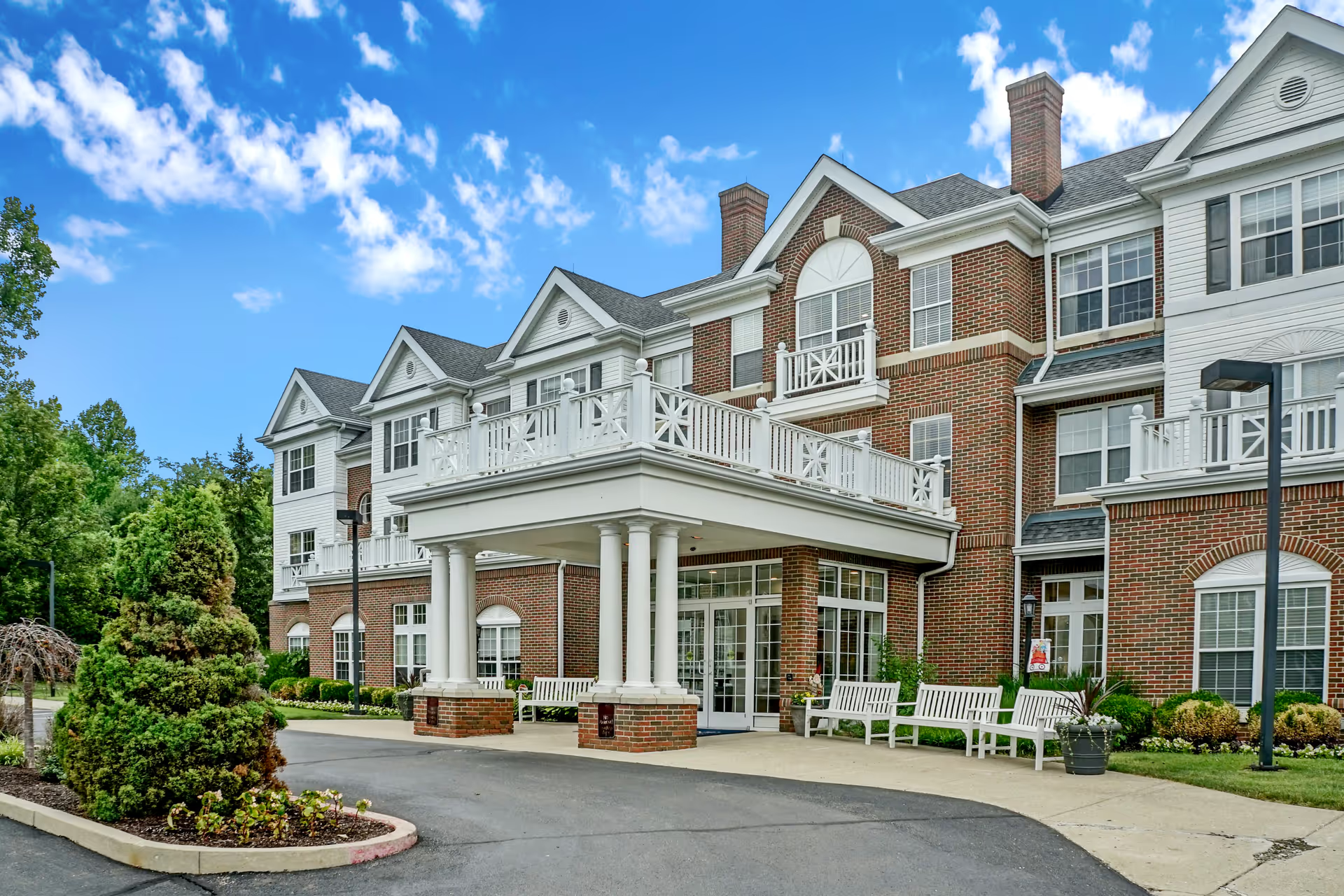
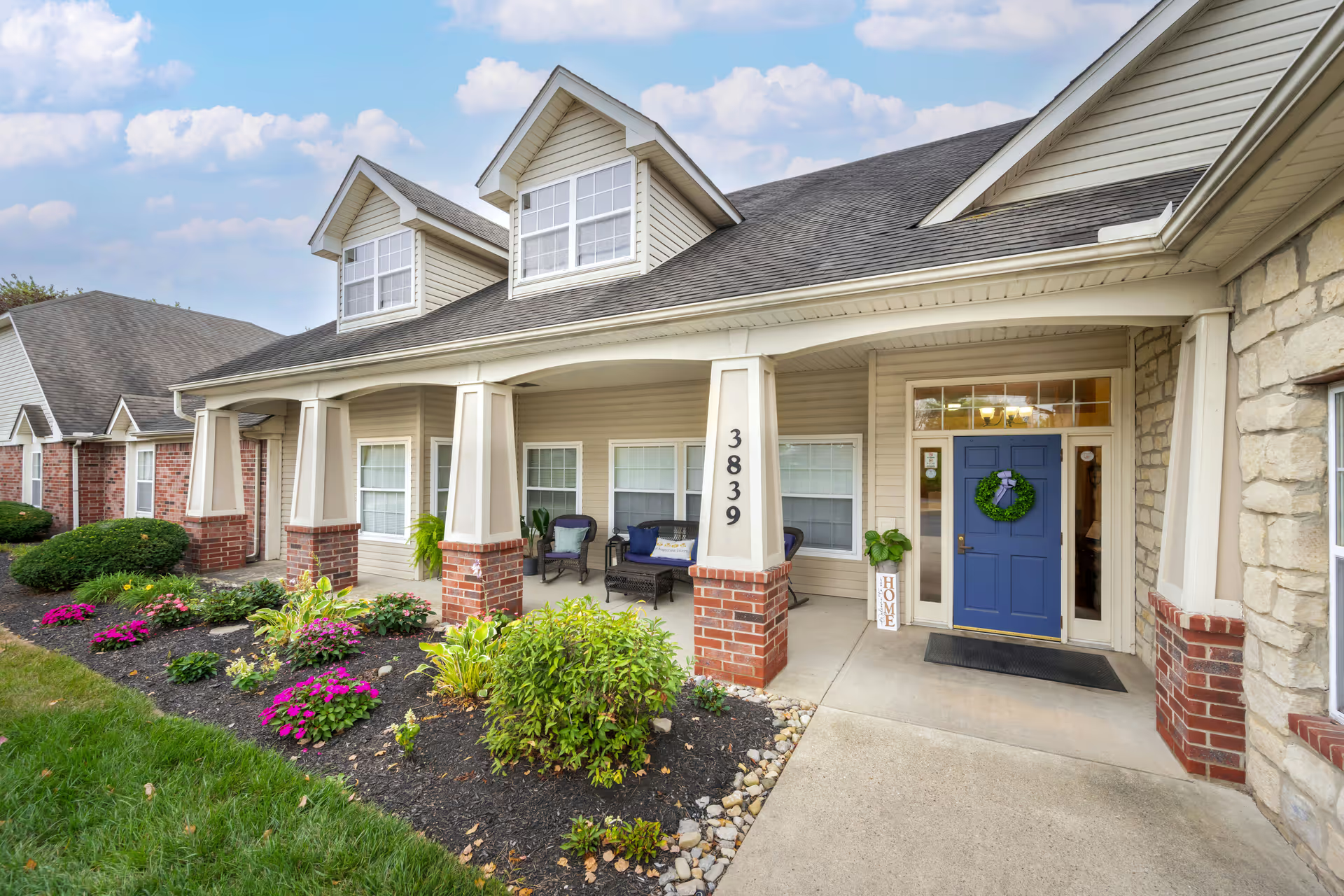
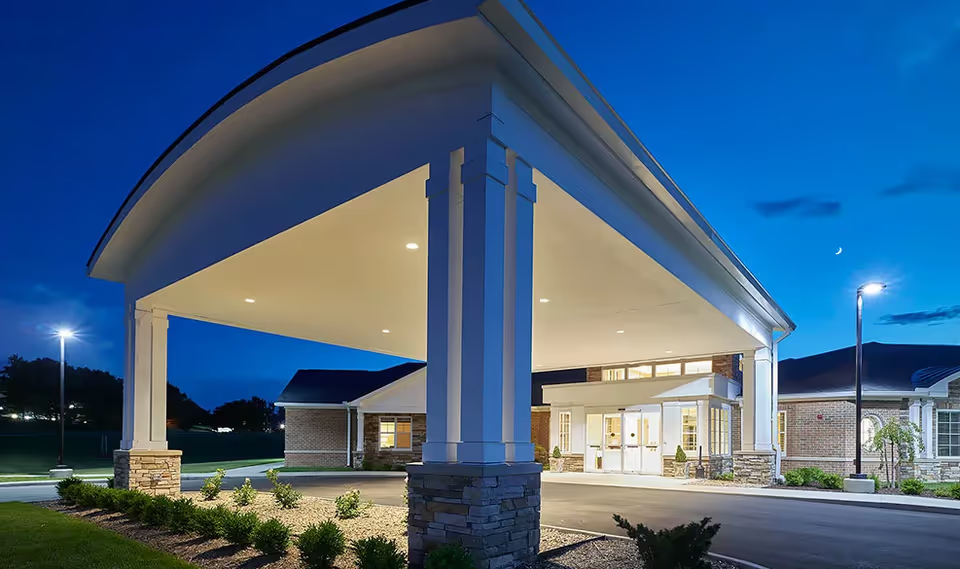
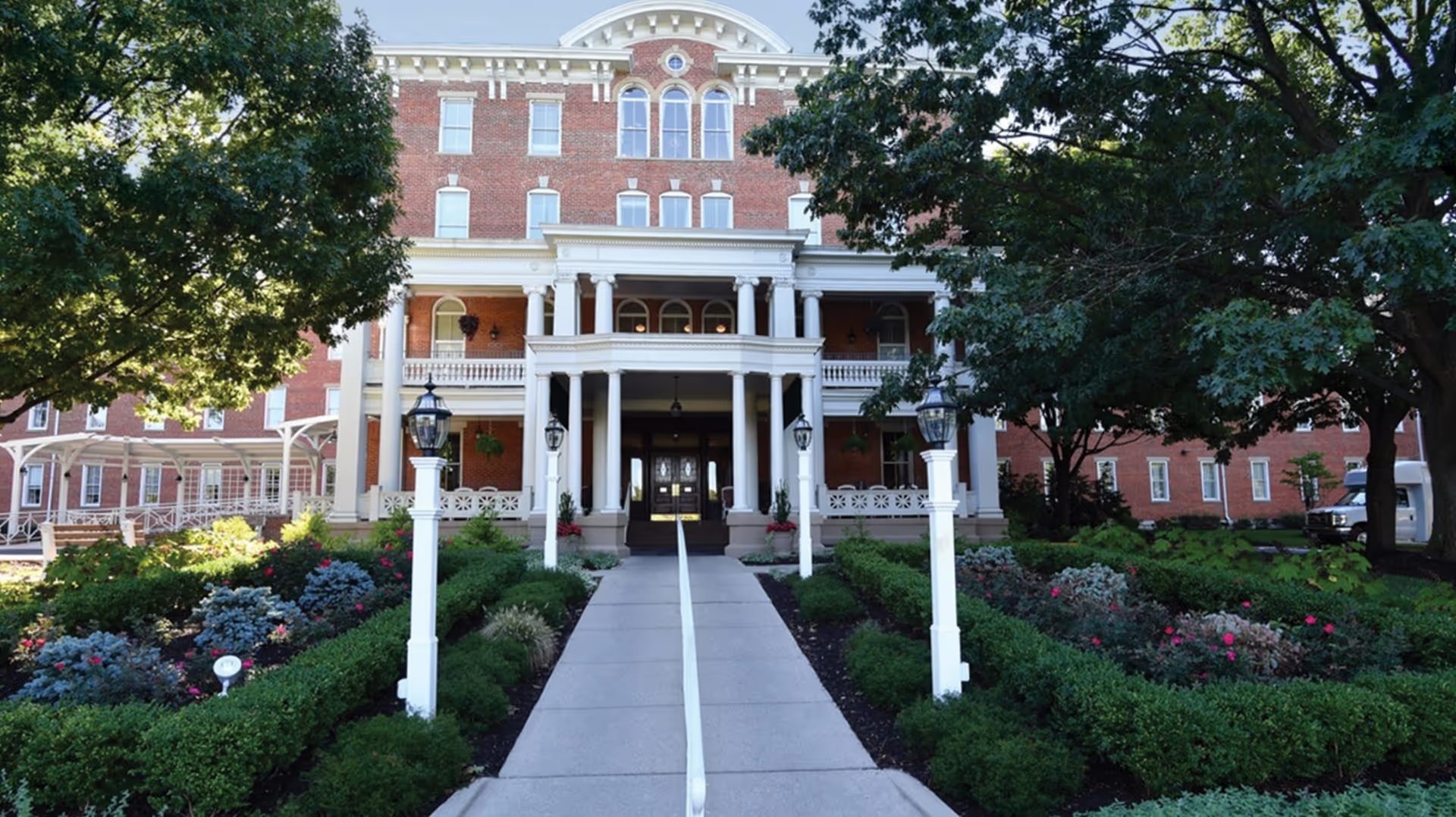
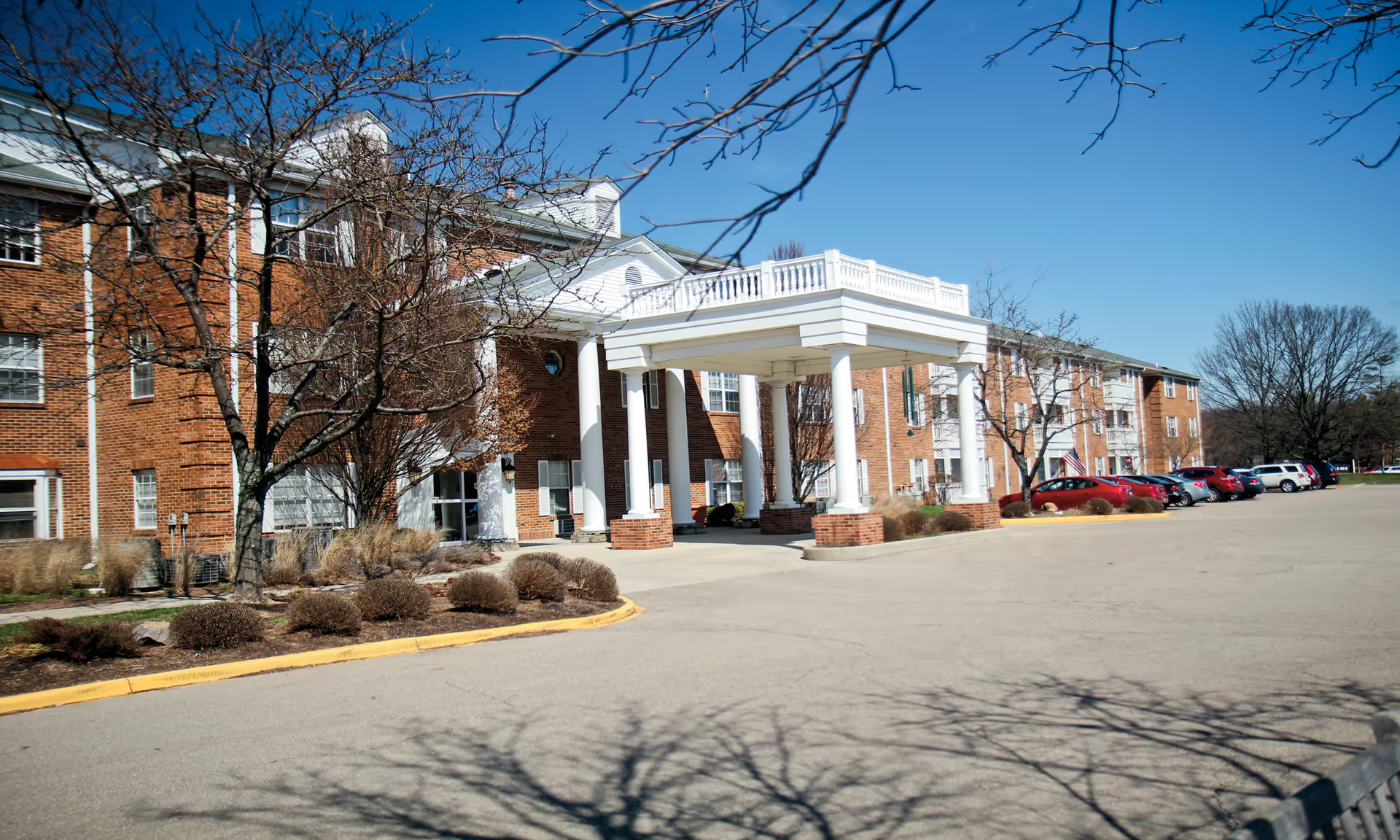
Facilities and accommodations: The physical plant contributes to a mixed impression. Reviewers frequently describe a clean, welcoming environment with some large, private rooms and en-suite bathrooms. However, the building is an older conversion (an antiquated school structure), and comments point to dated décor and the need for renovation in places. Room size and configuration also appear inconsistent across the facility, so prospective residents should verify specific unit layouts and amenities when touring.
Management and communication: A recurring theme is uneven communication and administrative follow-through. Families noted lapses in timely notification after clinical incidents and limited management follow-up on concerns. While some staffing issues were resolved decisively in individual cases, the pattern suggests opportunities to improve incident communication protocols, family updates, and leadership responsiveness.
Notable patterns and guidance: The dominant positive pattern is strong rehabilitation services and many examples of caring, committed direct-care staff. The dominant concerns are operational: inconsistent meal service, medication and safety process gaps, infection-control response, aging infrastructure, and variable communication from management. For prospective residents and families, an on-site visit is advisable with targeted questions about staffing levels, medication-safety procedures, incident notification policies, infection-control protocols, room options, and any planned renovations. Observing mealtime and an activity session can help assess consistency in service and the daily environment.