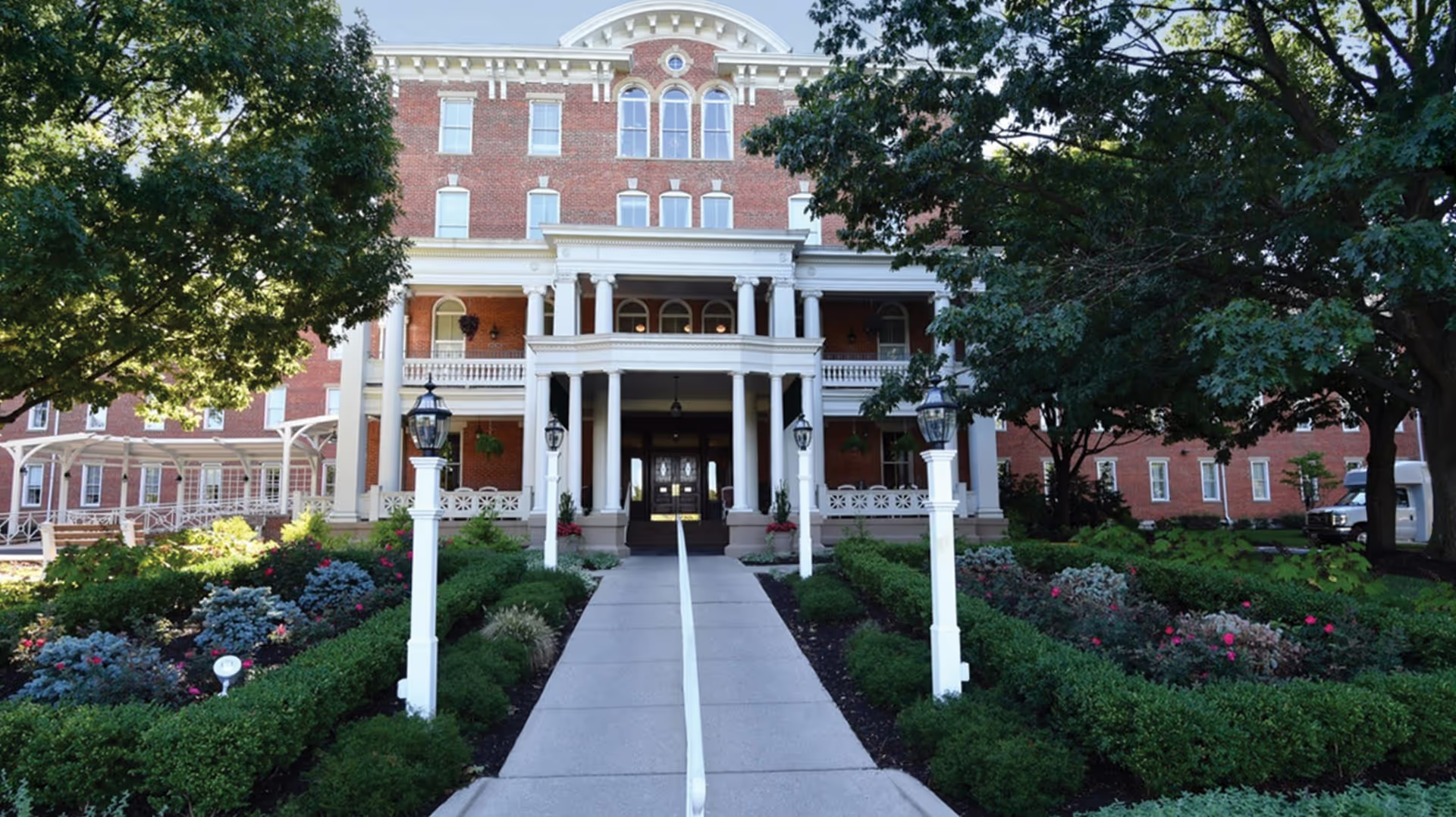
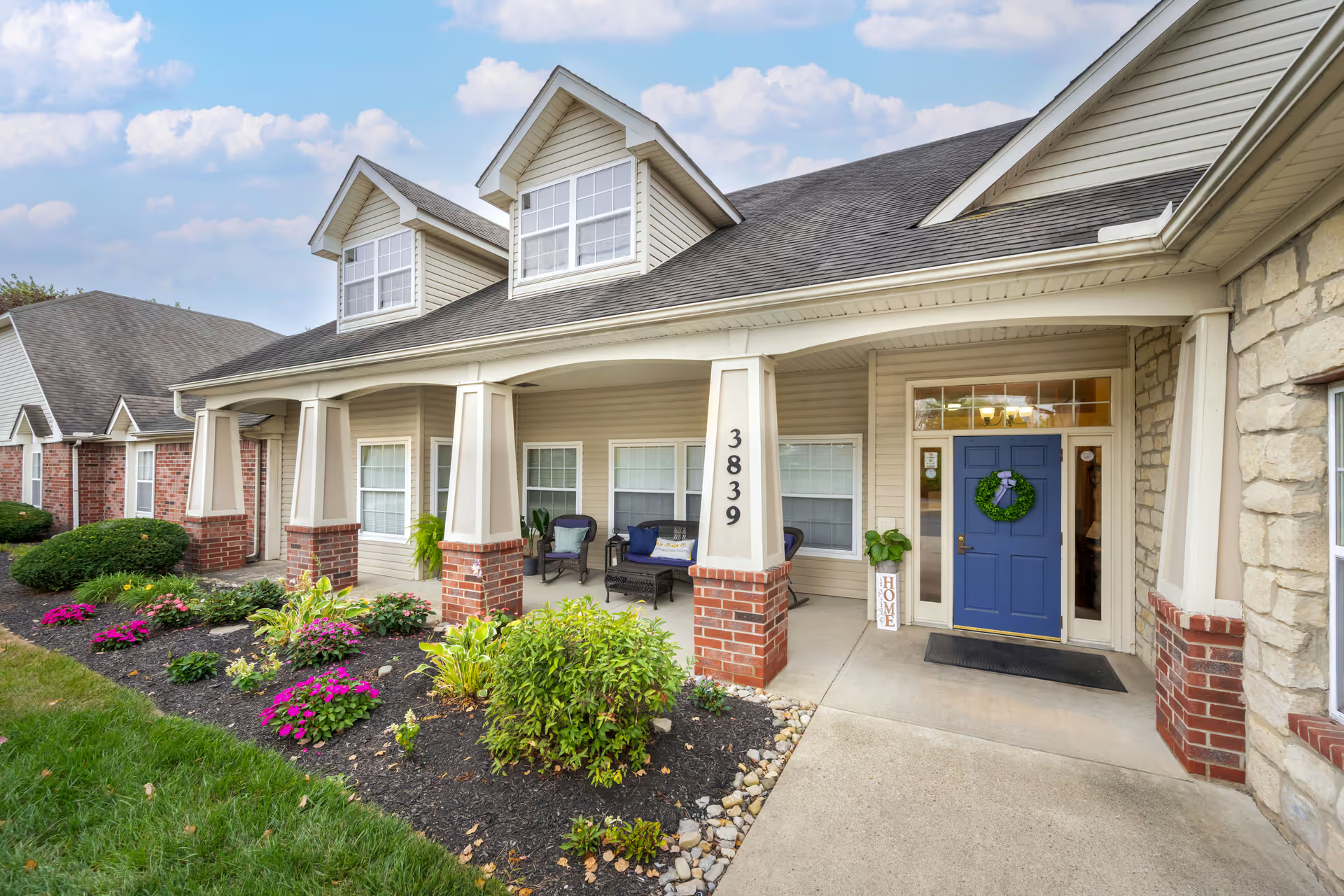
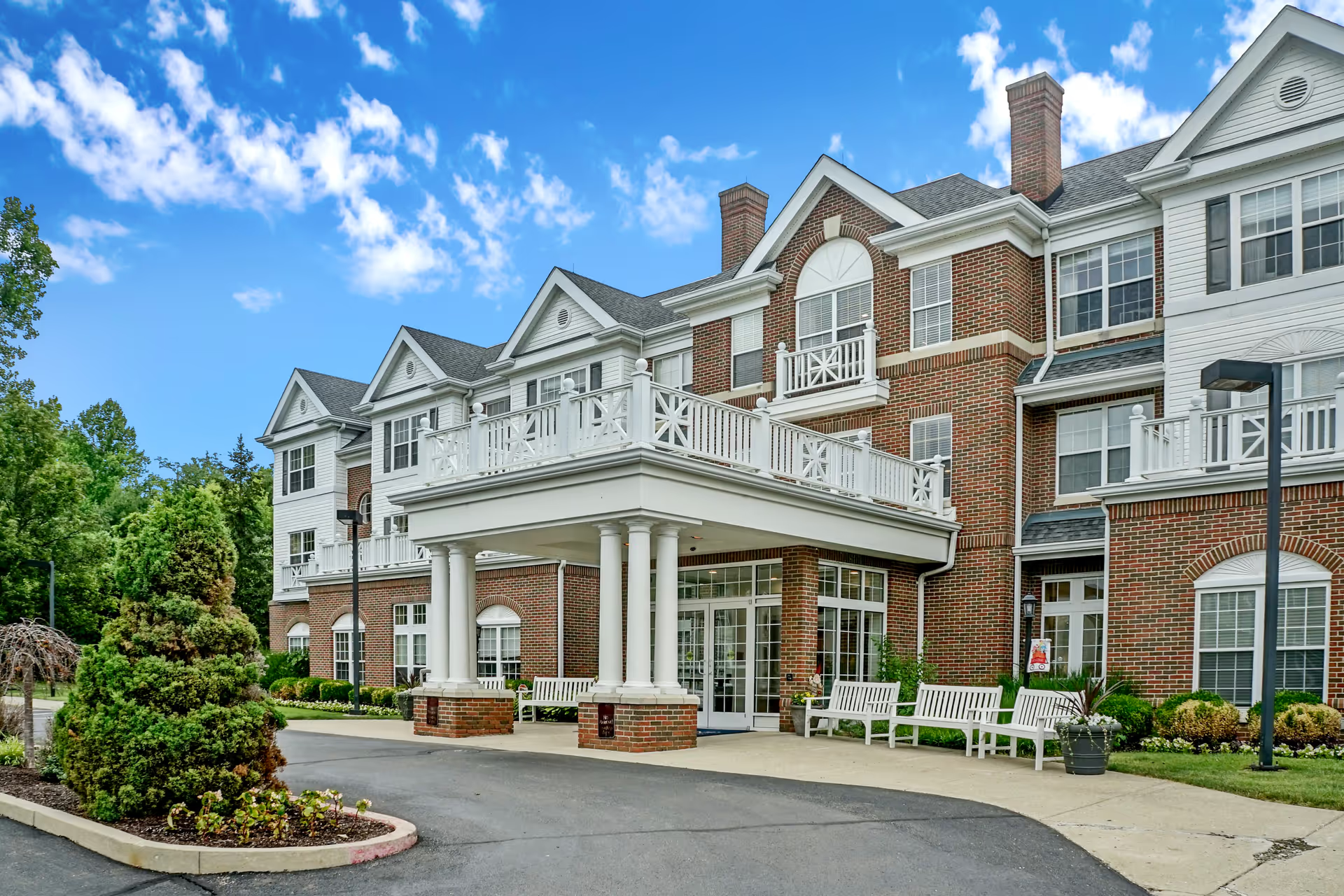
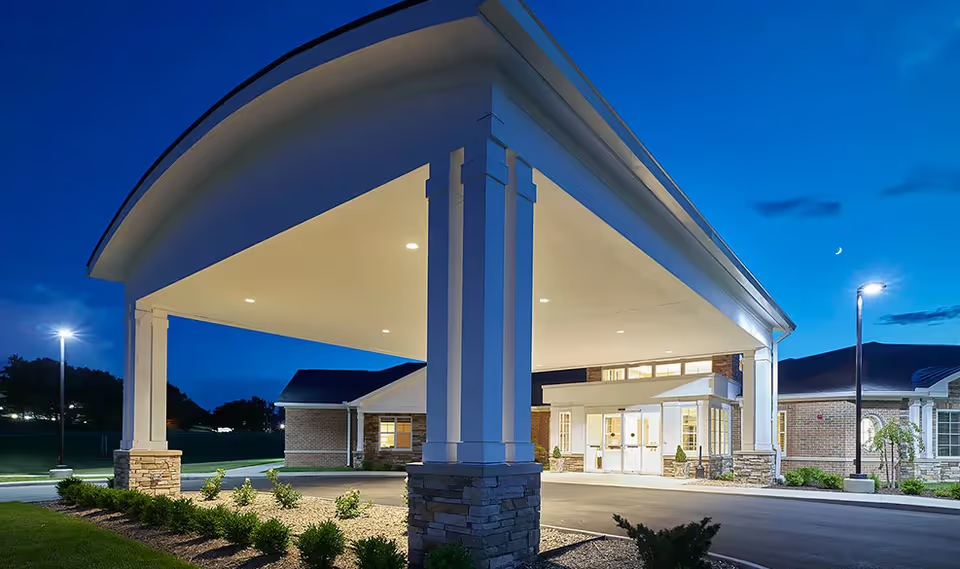
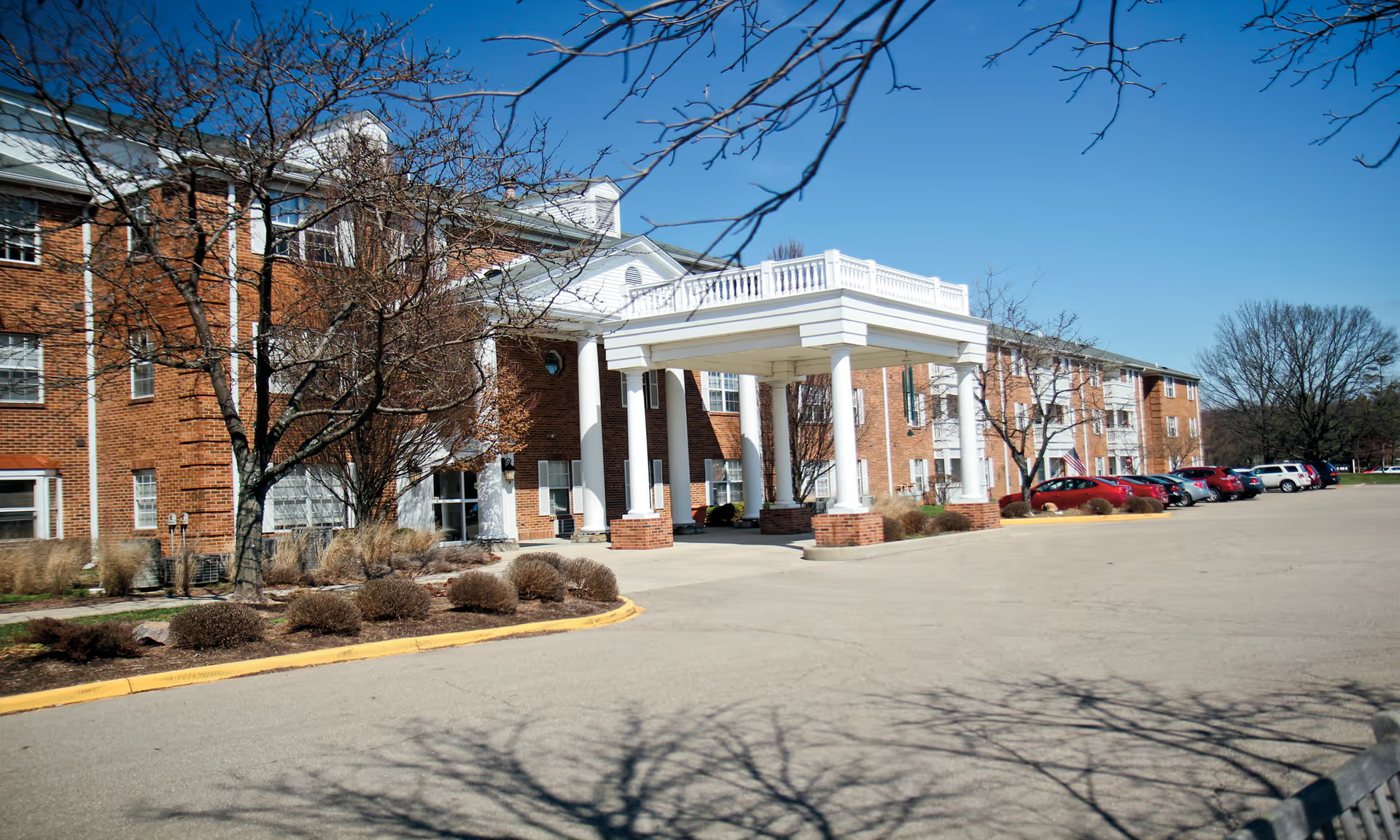
Reviews of ProMedica Skilled Nursing and Rehabilitation Kettering present a mixed picture with clear areas of strength alongside notable operational weaknesses. Positive accounts emphasize a well-maintained, thoughtfully laid-out building, staff who demonstrate compassion and attentiveness—including presence during end-of-life situations—and consistent grooming and support for long-term residents. Dining service is often described as timely, with meals served hot and appearing nutritionally balanced.
At the same time, a number of reviews identify service variability that affects daily care. The most frequent operational concerns relate to inconsistent staffing levels and delays in attending to residents' needs; these translate into issues such as lapses in basic hygiene support and gaps in monitoring and assistance. Family accounts also raise concerns about the tone and cooperation of some staff members, and there are reports of care practices (for example, bathing schedules and assistance with feeding) that feel inconsistent with resident preferences or abilities.
Dining- and therapy-related experiences are similarly mixed. While many families praise hot meals and prompt service, others describe occasions of poor food quality and discontinuities in meal assistance for residents who require help eating. Rehabilitation and physical-therapy outcomes are described as uneven; some families feel therapy was effective, while others do not recommend the facility for therapy due to limited progress or inconsistent services. Activity programming is another area with variability: reviewers cite extended periods of inactivity and limited engagement for some residents.
Facility-level characteristics are a relative strength in maintenance and layout, but there are constraints that prospective residents should consider: smaller private spaces in some units and the absence of a dedicated memory-care building. Taken together, the pattern in reviews suggests that while the facility can provide compassionate, high-quality long-term care for some residents, there are operational gaps—notably staffing consistency, hygiene and monitoring practices, meal-assistance continuity, and activity offerings—that merit discussion during a tour. Families touring the campus should ask specifically about staffing ratios, incontinence and bathing protocols, meal-assistance plans, therapy expectations and outcomes, activity schedules, and memory-care options to determine whether the facility’s current operations align with the prospective resident’s needs.