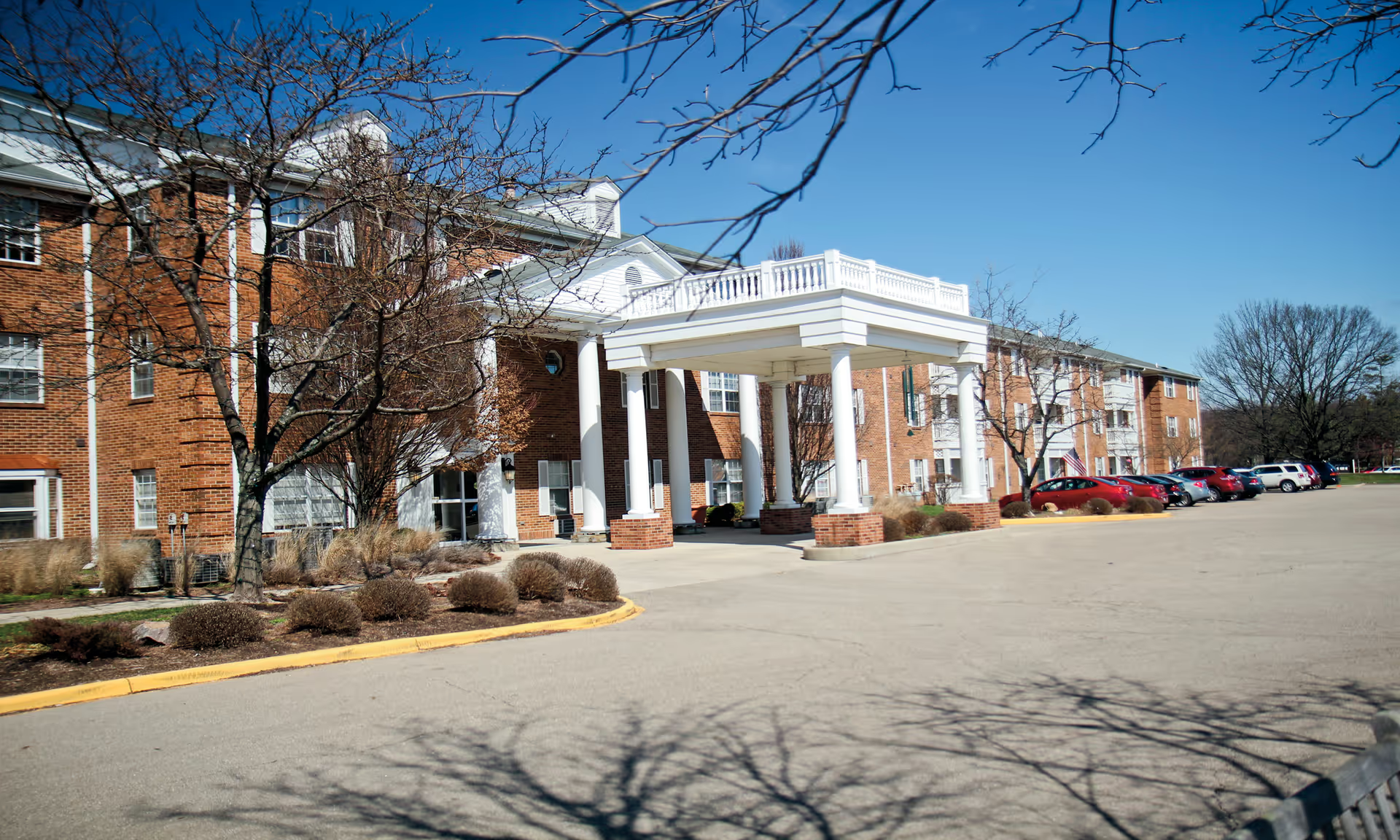
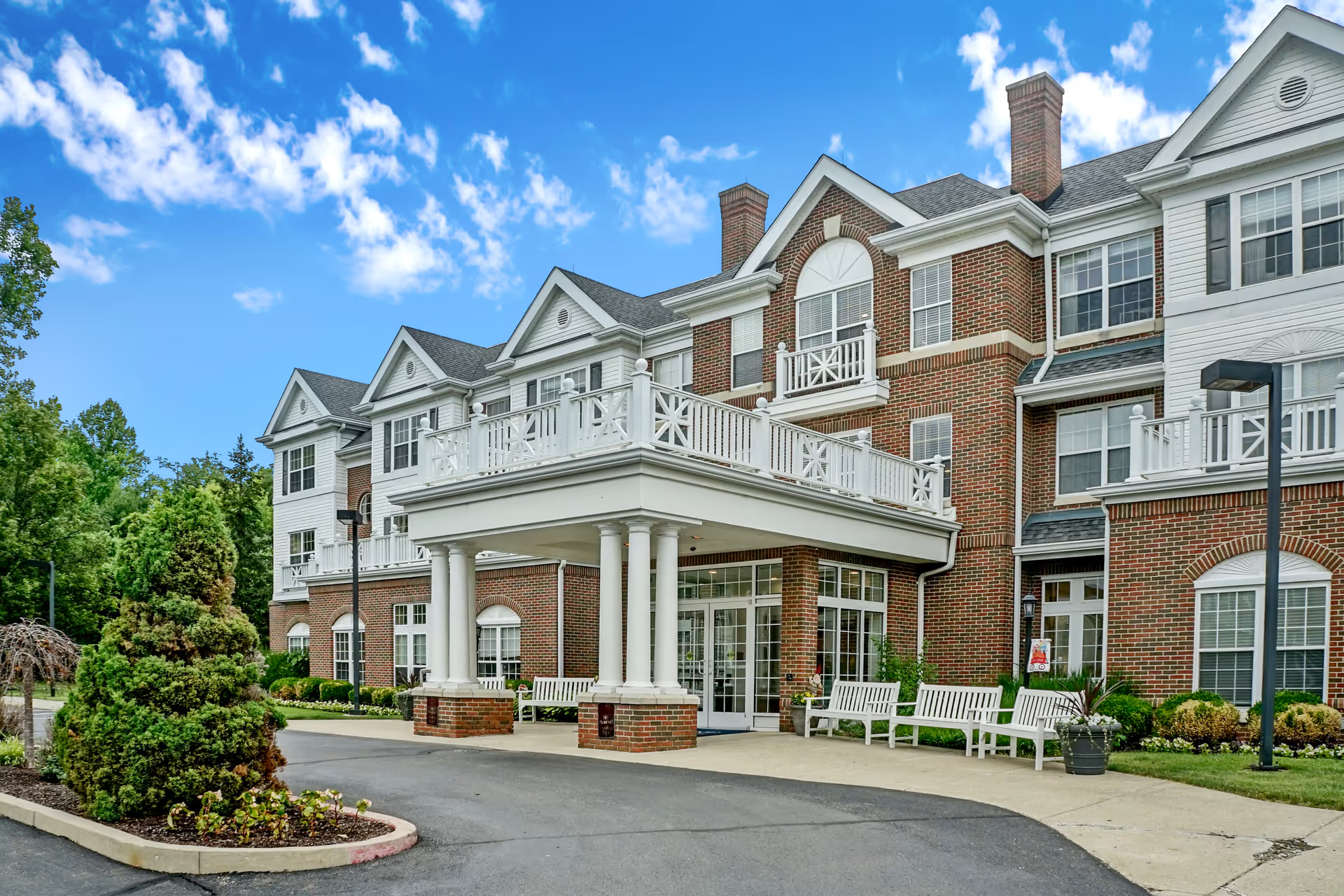
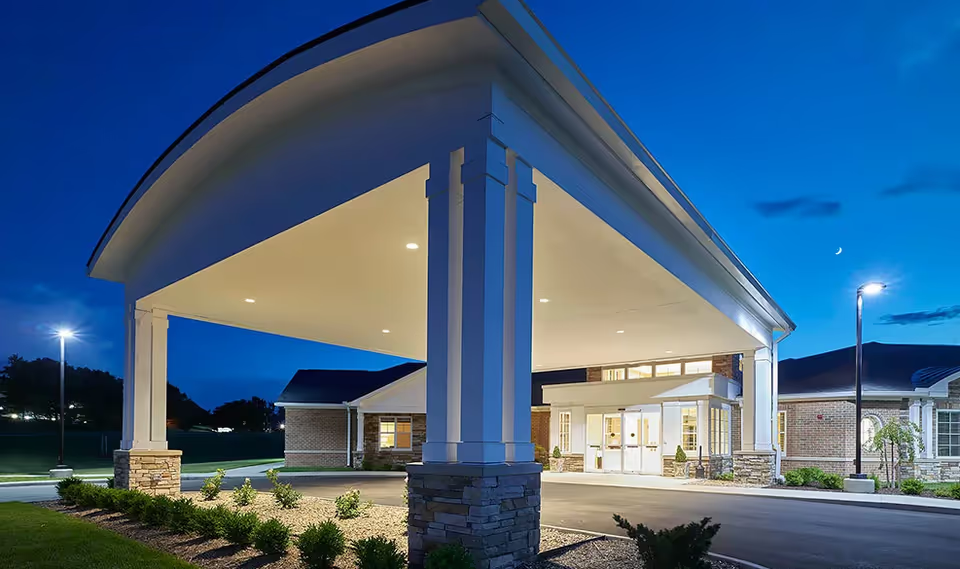
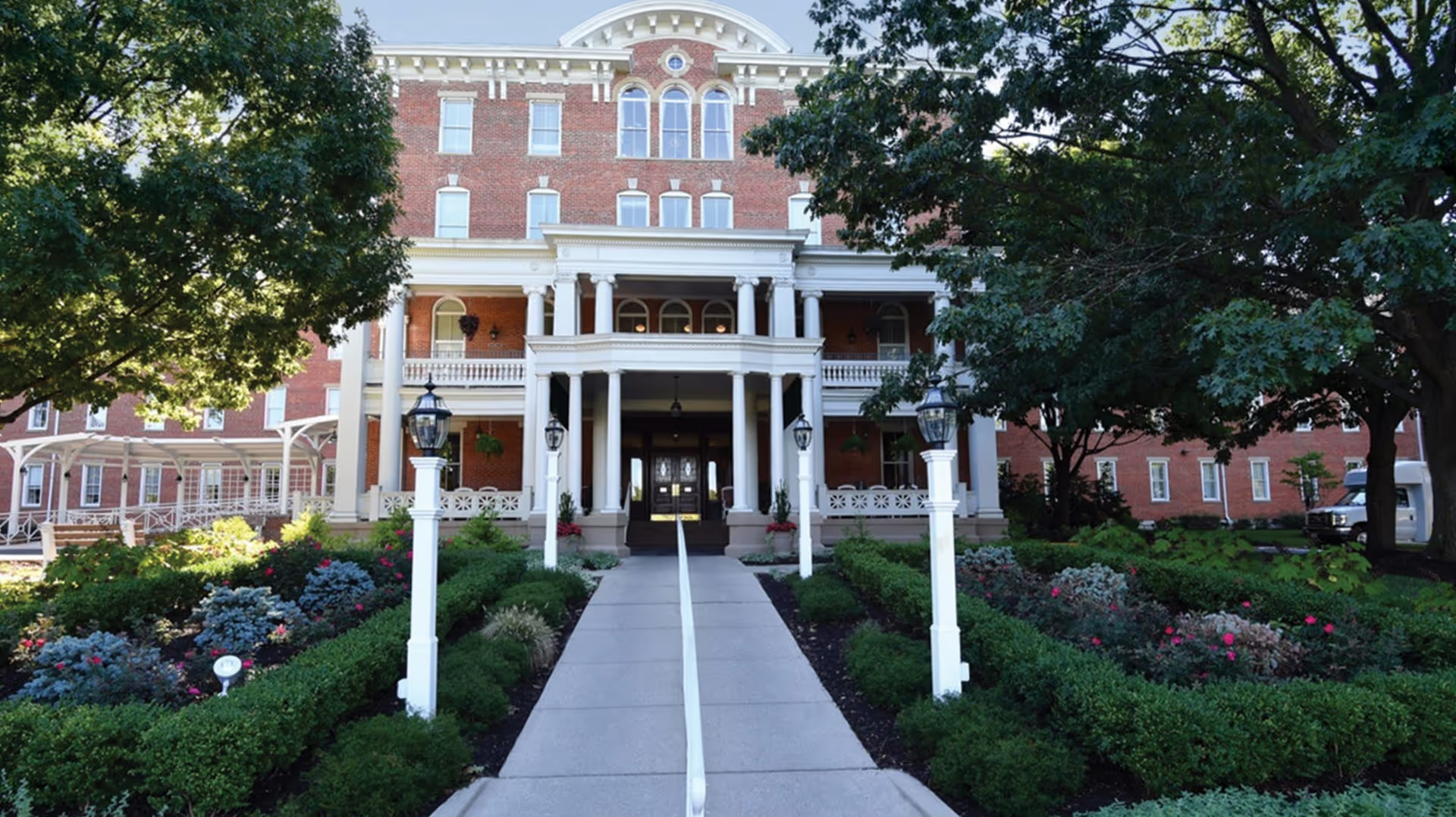
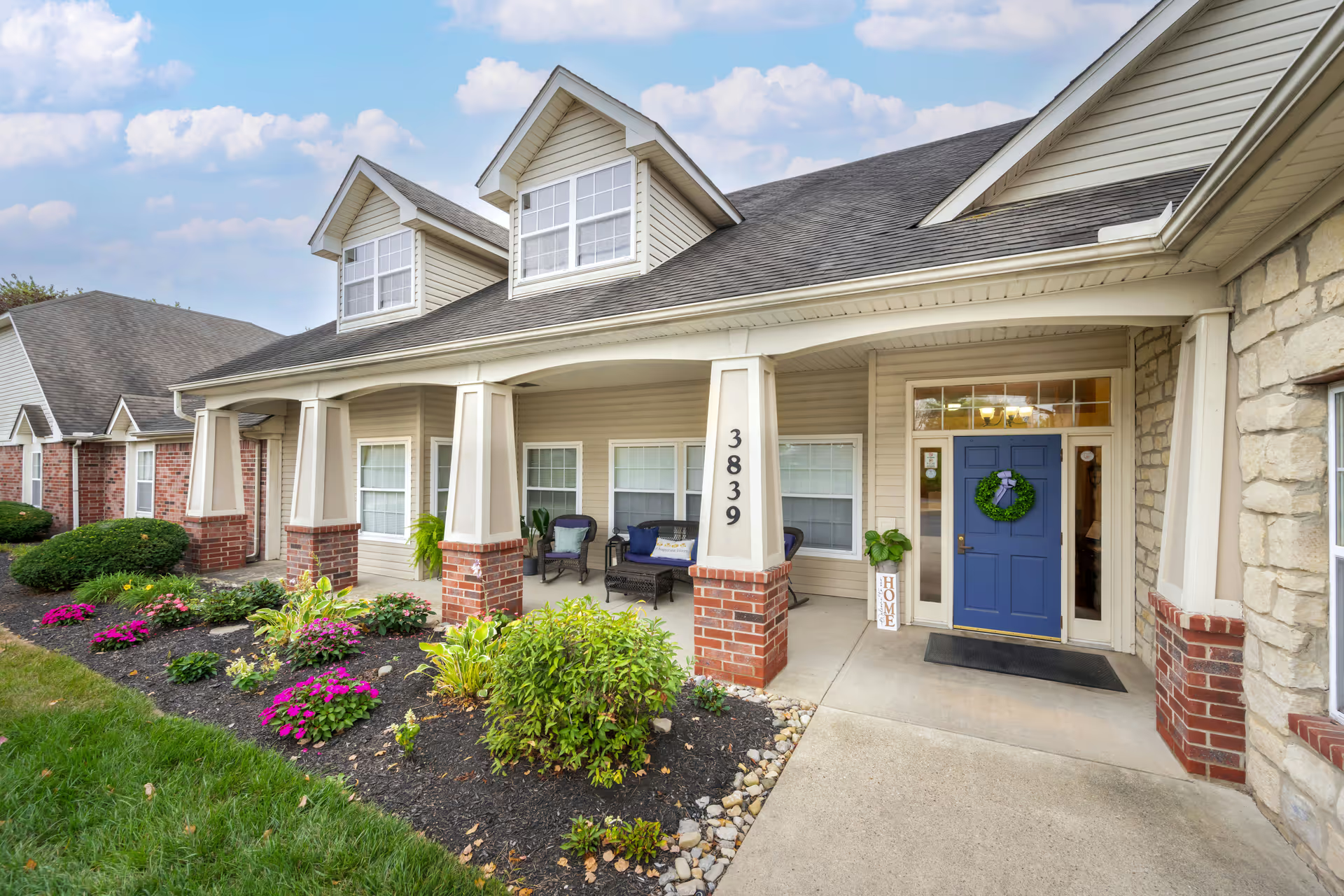
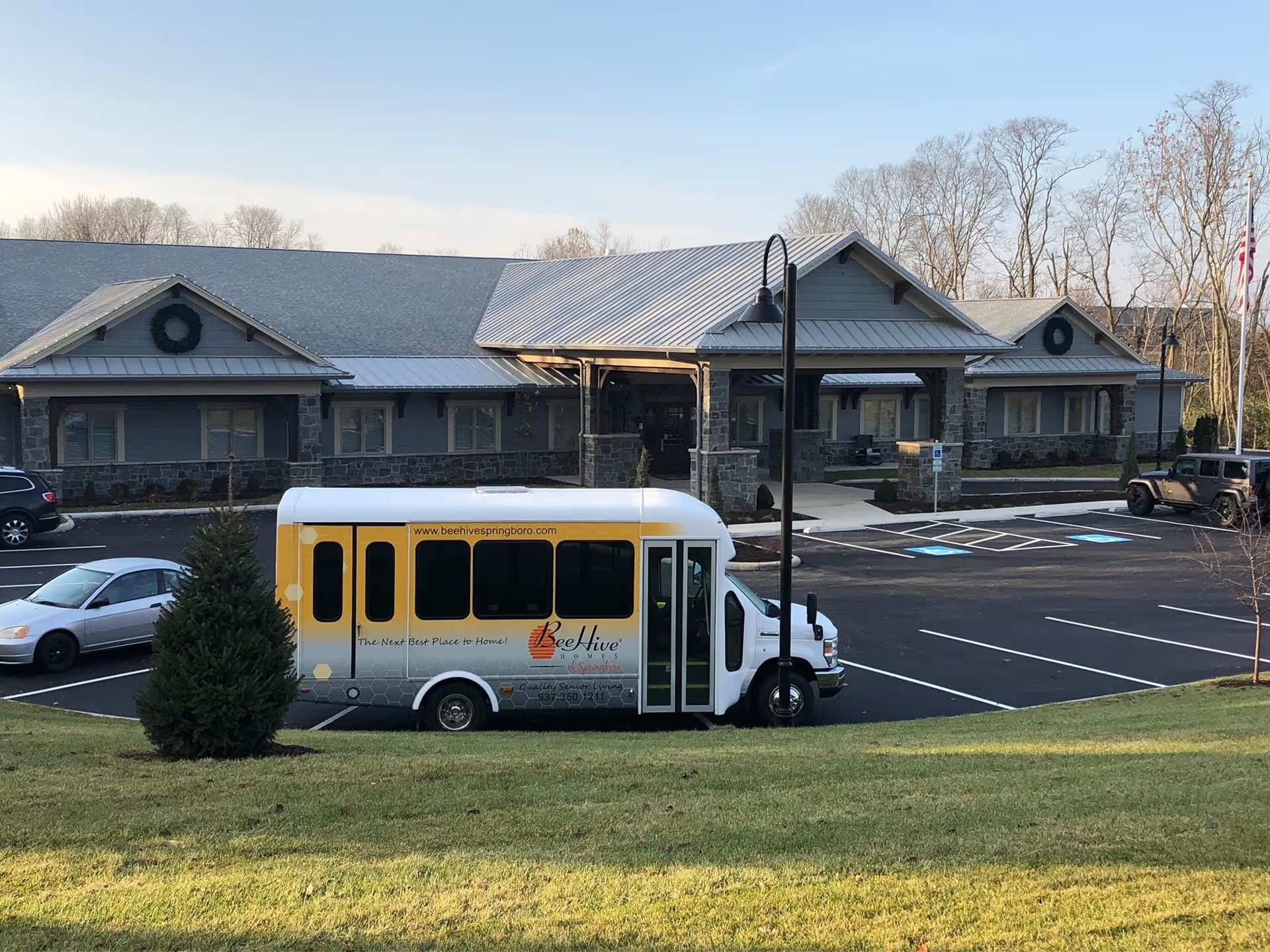
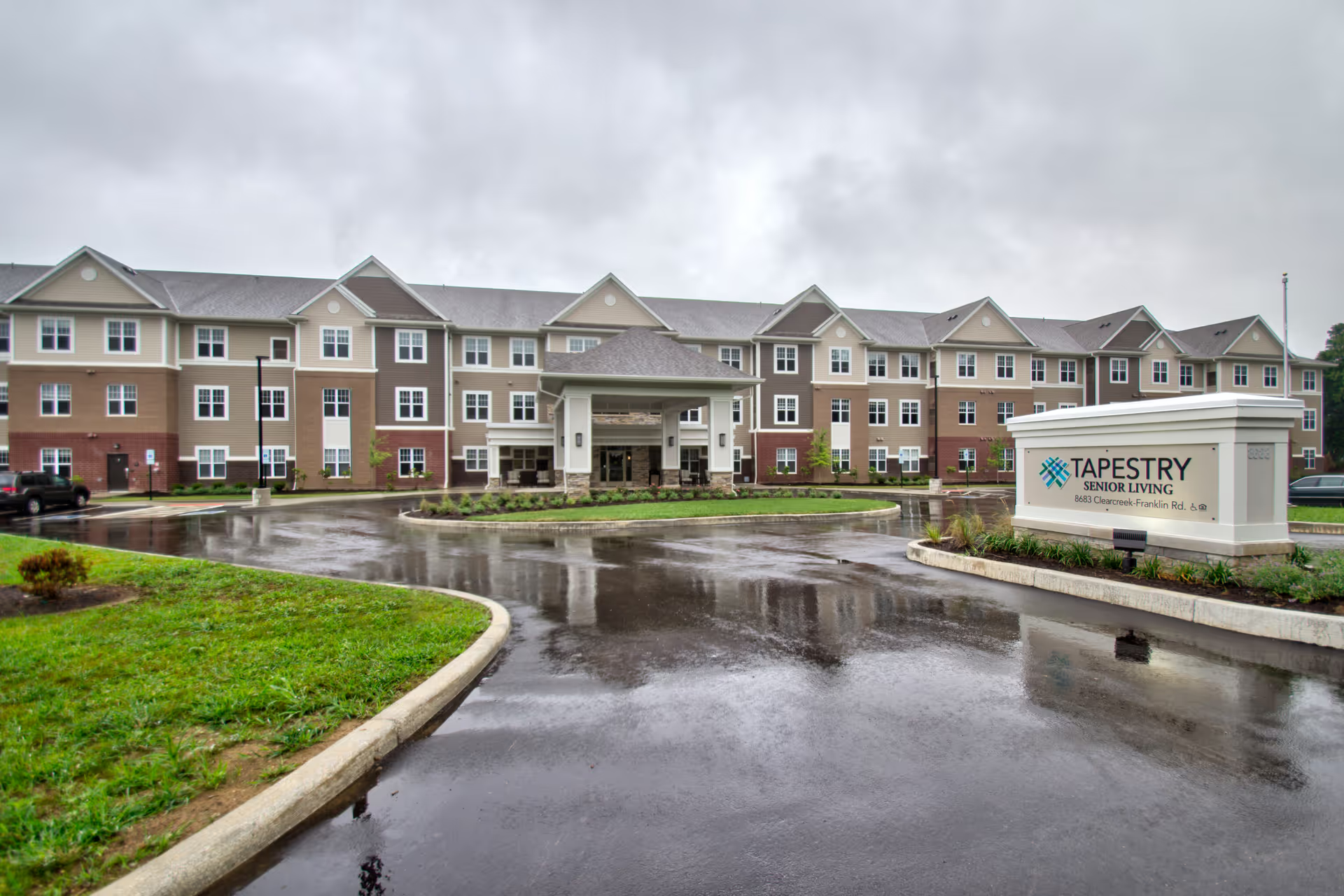
Reviews for Walnut Creek Senior Living Campus are highly polarized, with strong praise for the physical campus and selected staff alongside repeated operational concerns. The facility’s physical plant and amenities receive consistent positive mention: spacious, well-appointed rooms; attractive grounds; multiple social spaces such as salon, theater, and library; and restaurant-style dining rooms. Several families and residents highlighted effective on-site rehabilitation and individual caregivers who provided attentive, professional support. Activity programming in assisted living — including outings, bingo and musical events — is often described as engaging.
Care quality appears inconsistent across units and shifts. Many reviewers describe timely, compassionate care and successful therapy outcomes; however, an equal or larger portion raise concerns about delays in assistance (slow call-light response), inconsistent personal-care routines (bathing, toileting, dressing), and gaps in clinical oversight. These operational patterns have reportedly affected higher-dependency residents most severely. Sanitation and pest-control concerns are repeatedly mentioned, and reviewers cite episodes that suggest lapses in housekeeping and laundry processes. There are also multiple mentions of medication- and tray-security lapses that indicate weaknesses in medication management and meal delivery procedures.
Staffing and staff conduct are a major theme. Positive accounts emphasize dedicated long-term staff, supportive therapists, and helpful admissions/front-desk personnel. Conversely, recurring criticisms include chronic understaffing, frequent use of agency or contract personnel, high turnover, and inconsistent conduct or communication from some aides and nurses. Night and weekend coverage are identified as particular pressure points. Several reviewers linked ownership and leadership changes with perceived declines in staffing stability and responsiveness.
Dining and food service receive mixed feedback. The campus ambiance and dining rooms are described positively, and some residents enjoy meals prepared on-site. At the same time, numerous accounts describe inconsistent meal quality and service problems — cold or poorly executed meals, inaccessible or hard-to-open trays, and long dining waits. Families advised prospective residents to sample meals and clarify current culinary staffing and service practices.
Activities and memory-care programming vary by unit. Assisted-living areas are often praised for social programming and outings; by contrast, the memory-care unit is described as having a limited activity set and a two-hallway layout that can hinder staff visibility and supervision. Prospective families of residents with cognitive impairment should ask how staffing levels, layout, and programing meet individualized needs.
Management and administration are a recurring concern. Reviewers describe unstable leadership, poor communication with families, and administrative processes that can be disorganized. There are also serious claims related to billing and the handling of personal property; these are described as allegations and would merit direct verification with the facility and through regulatory records. Positive comments about specific managers and improvements were also noted in some accounts, indicating that operational performance may be changing over time in response to leadership actions.
Notable patterns for prospective families: experiences are highly variable depending on unit, level of resident dependence, and time of day/shift. Independent or rehabilitation-focused residents may find the campus attractive and receive good therapy and social programming. Residents who require high-dependency, around-the-clock care are at greater risk of encountering staffing and responsiveness gaps. Before deciding, families should schedule multiple visits (including meal and evening periods), request recent staffing and inspection records, ask about agency staffing usage, clarify medication and meal procedures, and inquire how the facility addresses sanitation and pest-control issues. Checking state inspection reports and speaking directly with current families in the specific unit under consideration can help assess whether the facility’s current operations match your expectations and care needs.