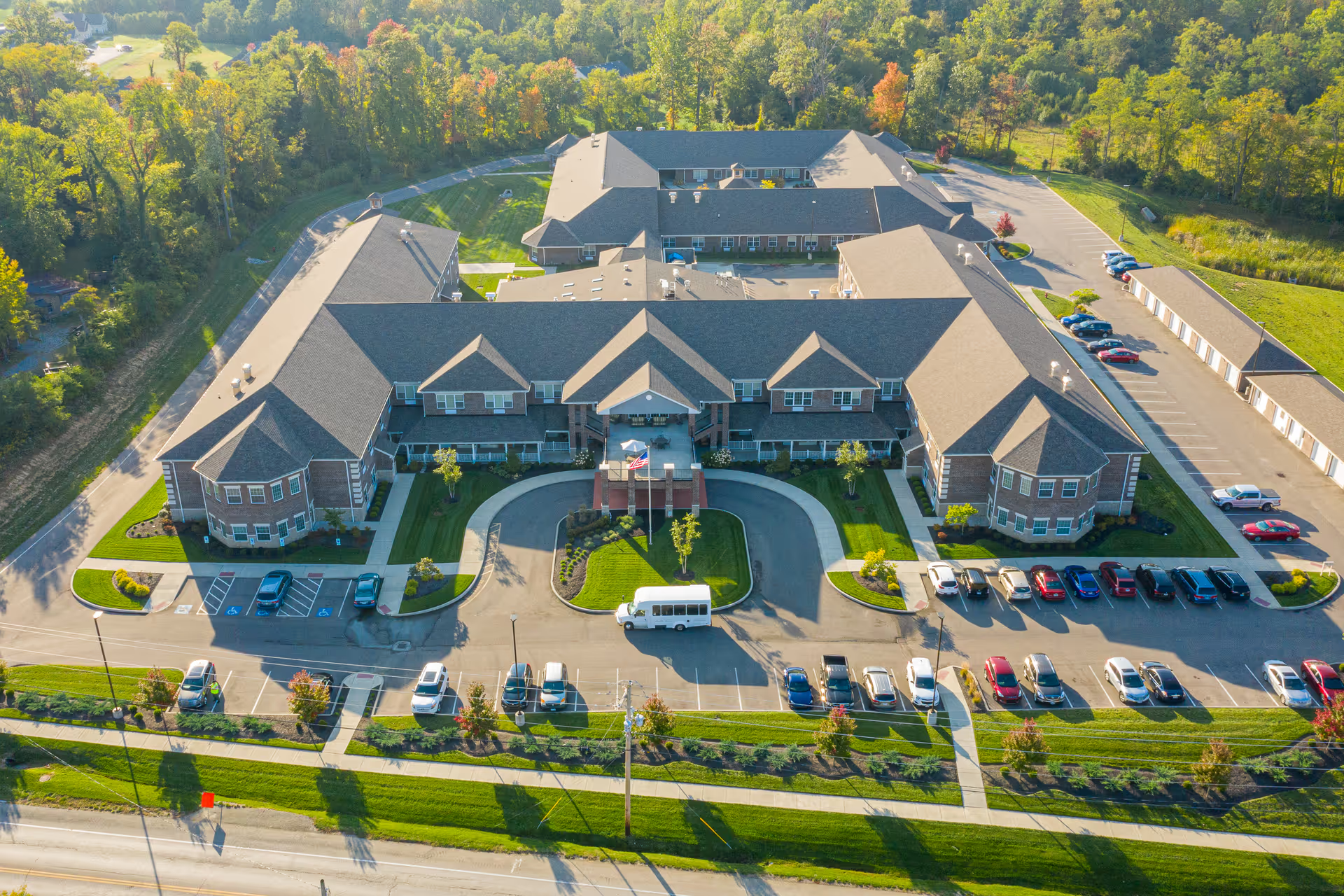
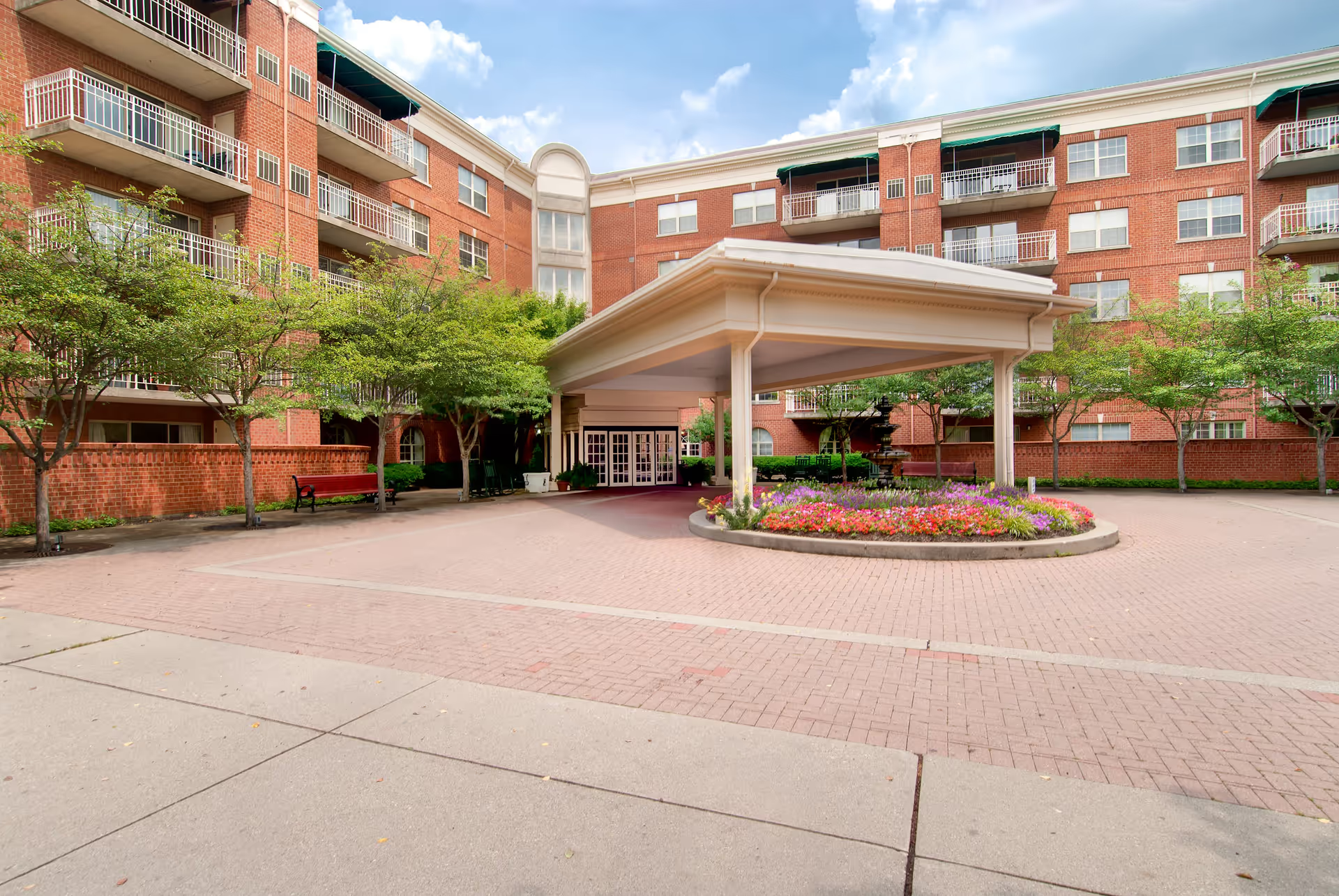
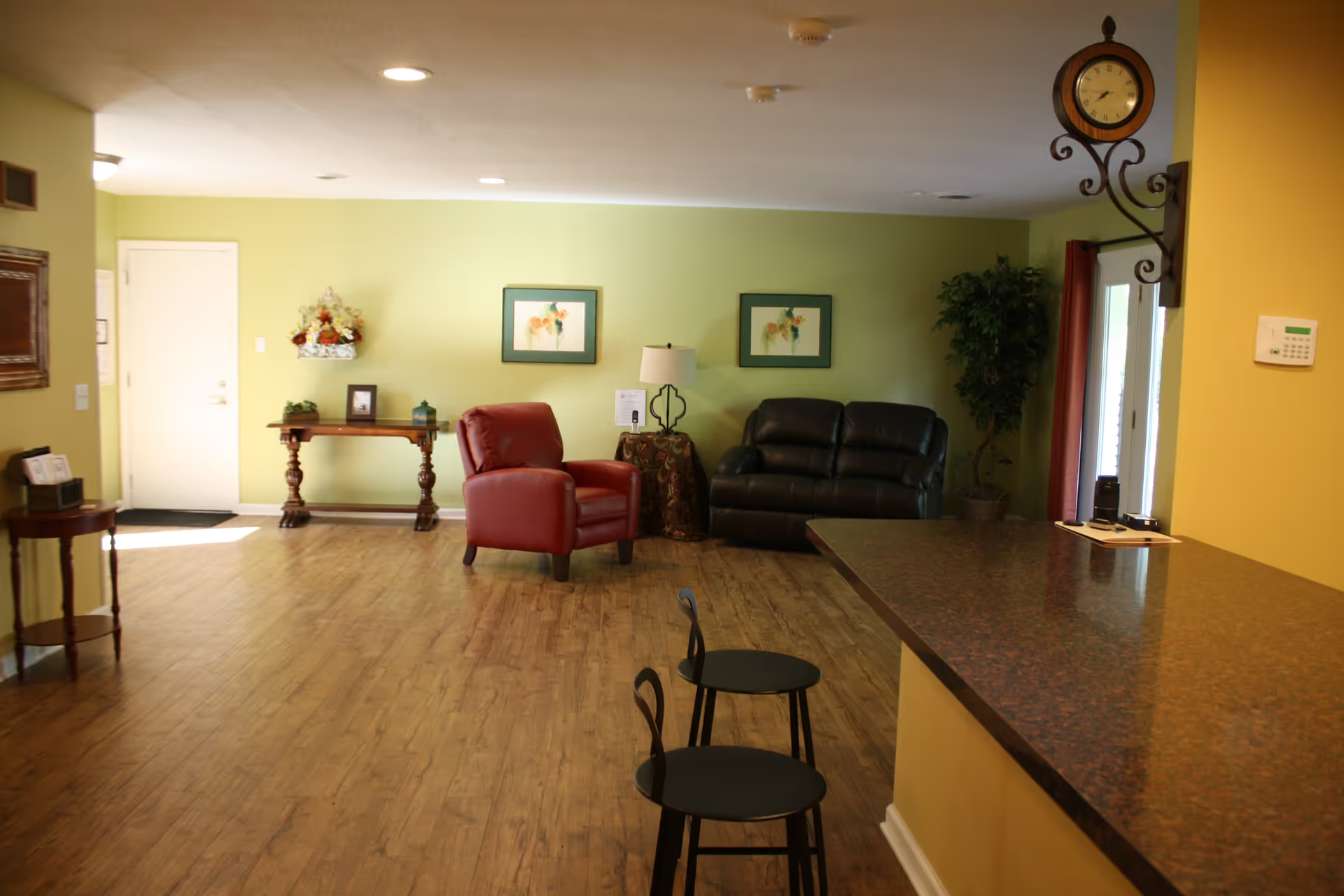
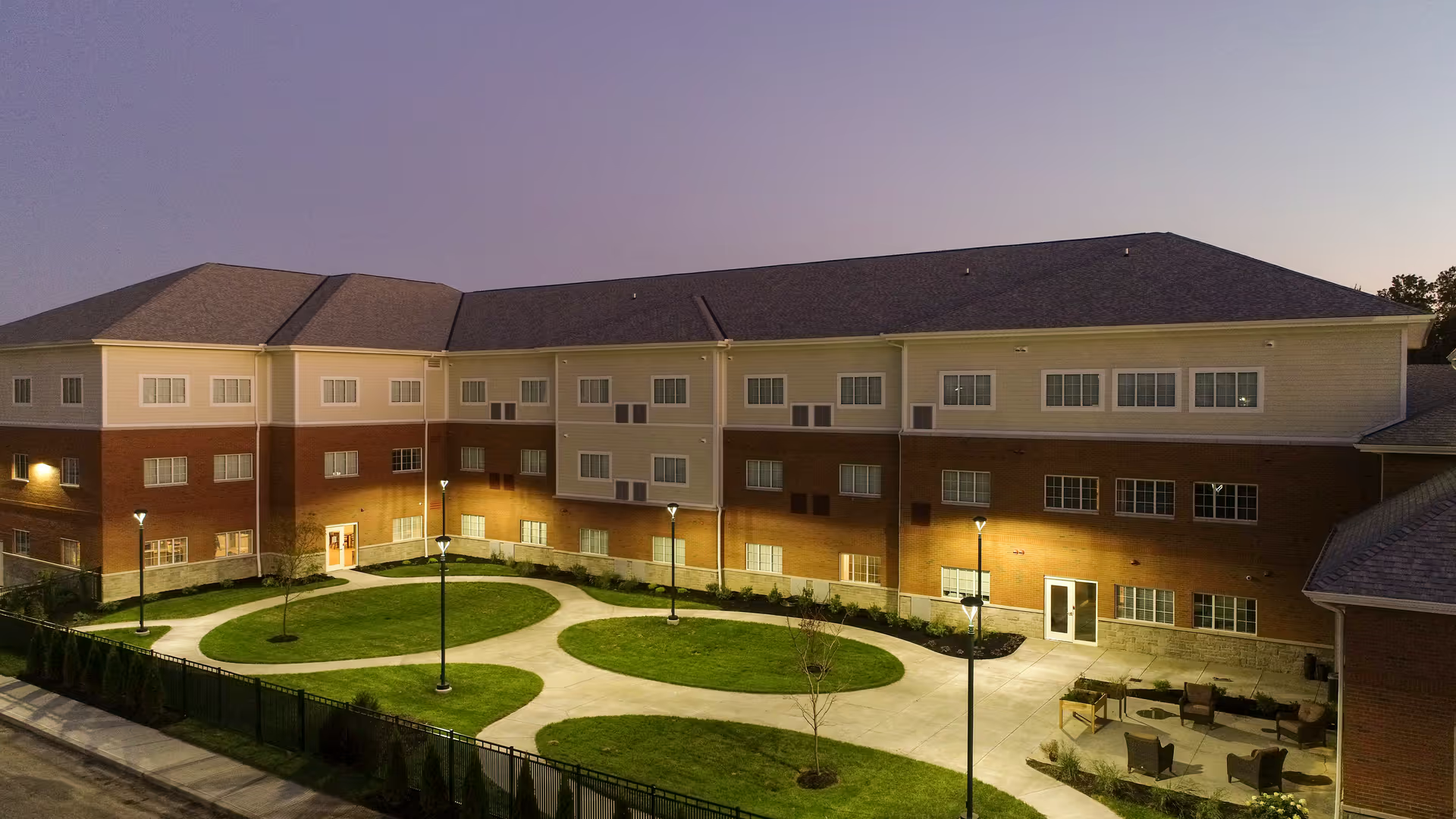
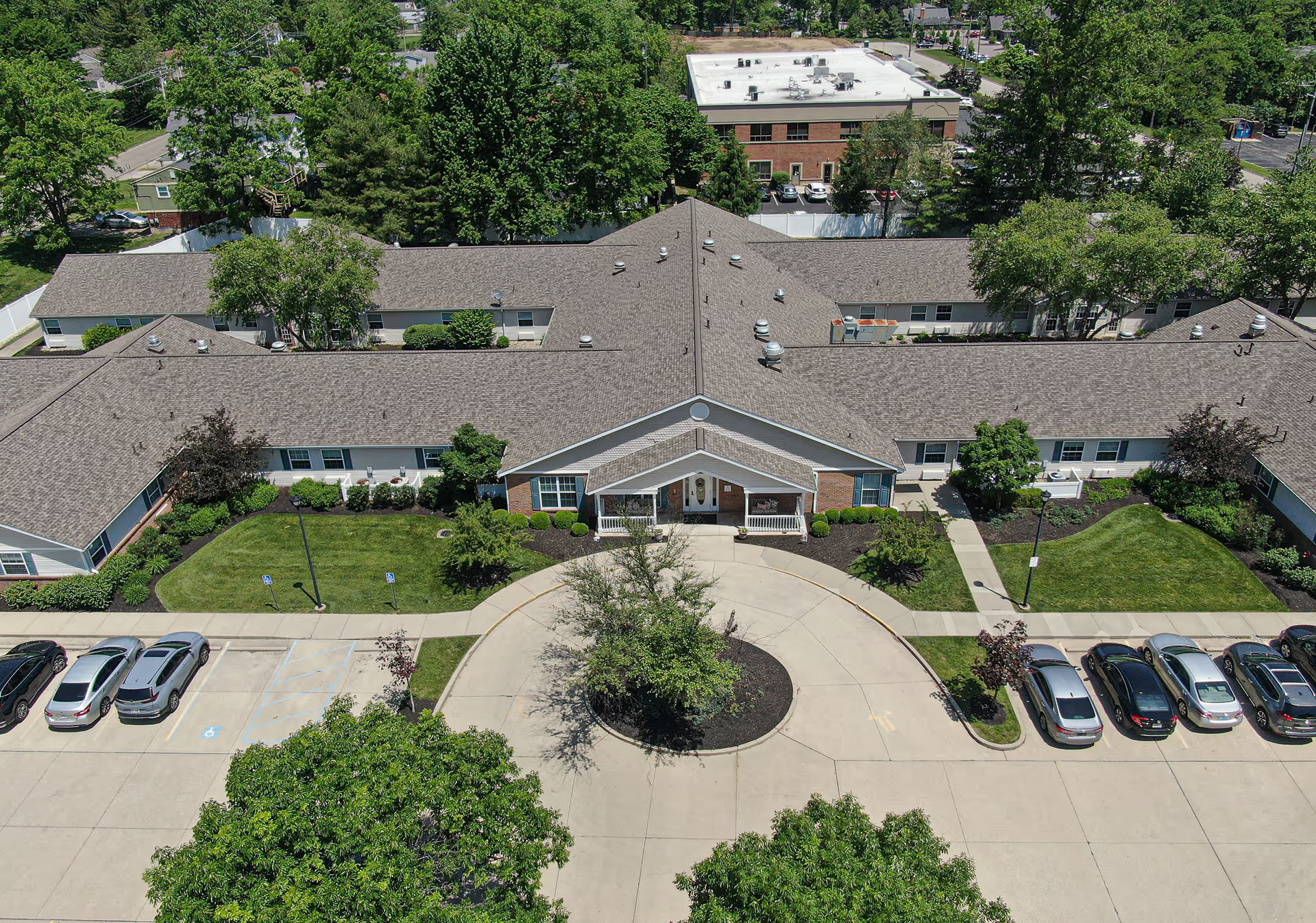
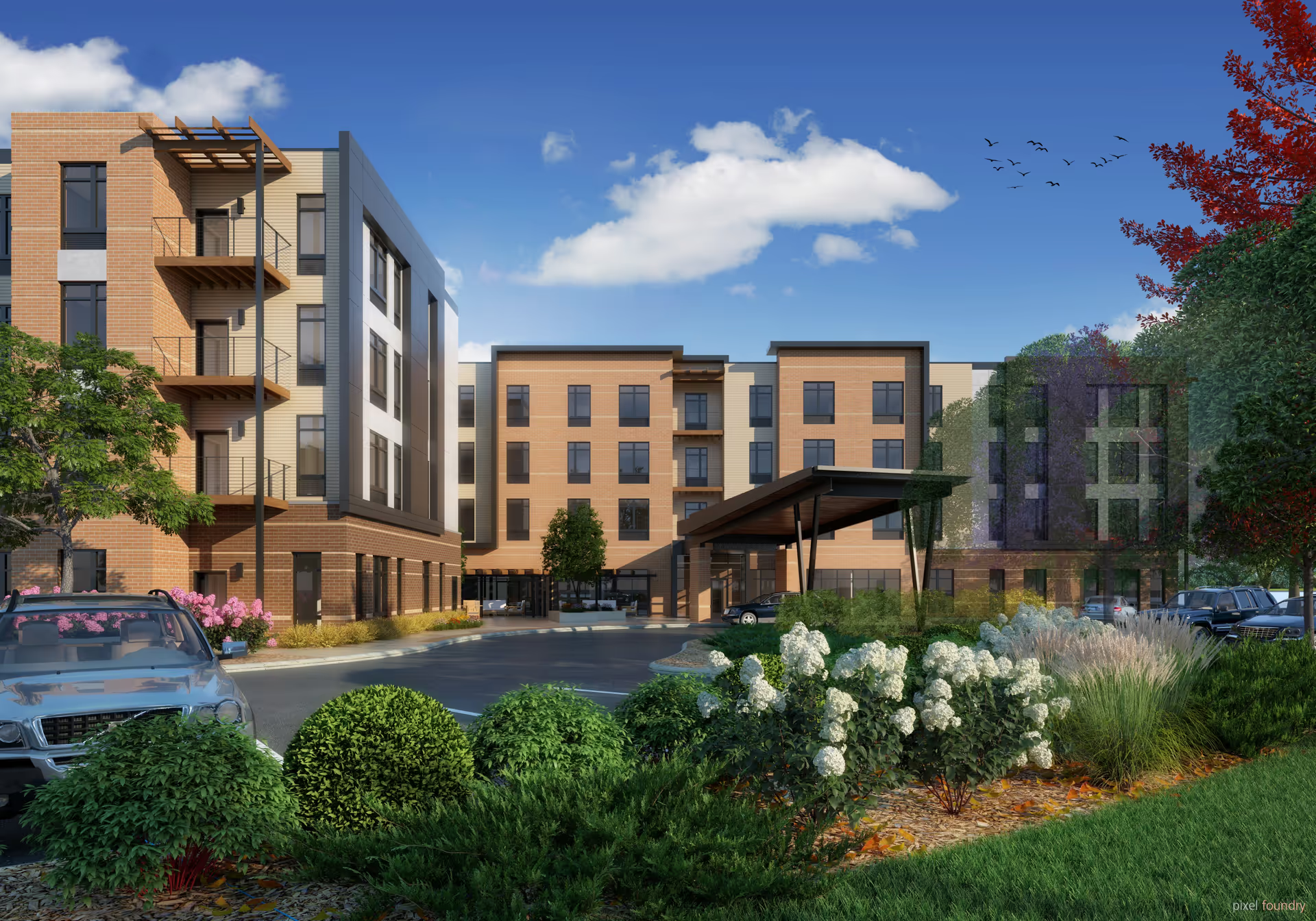
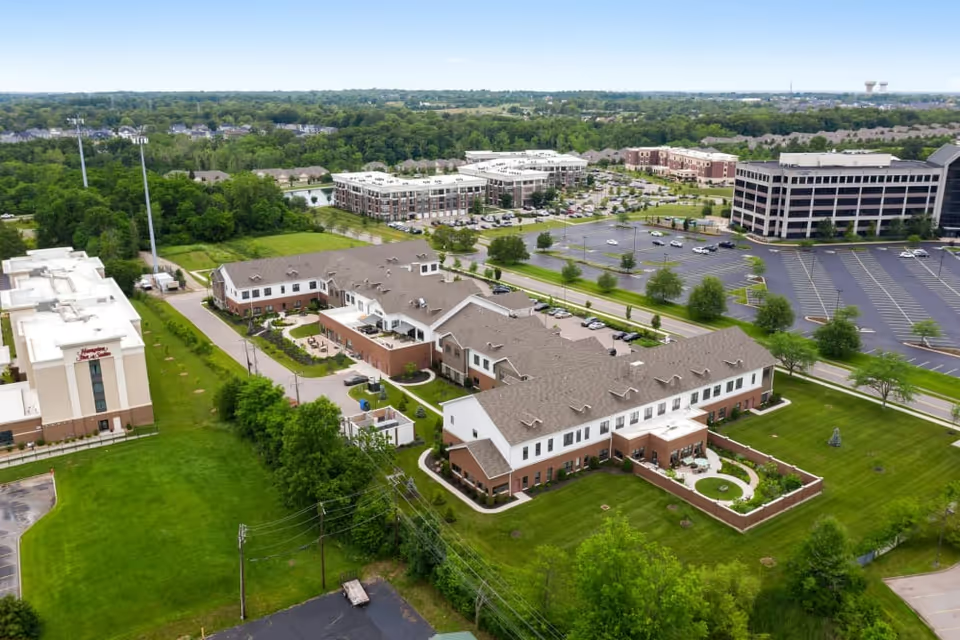
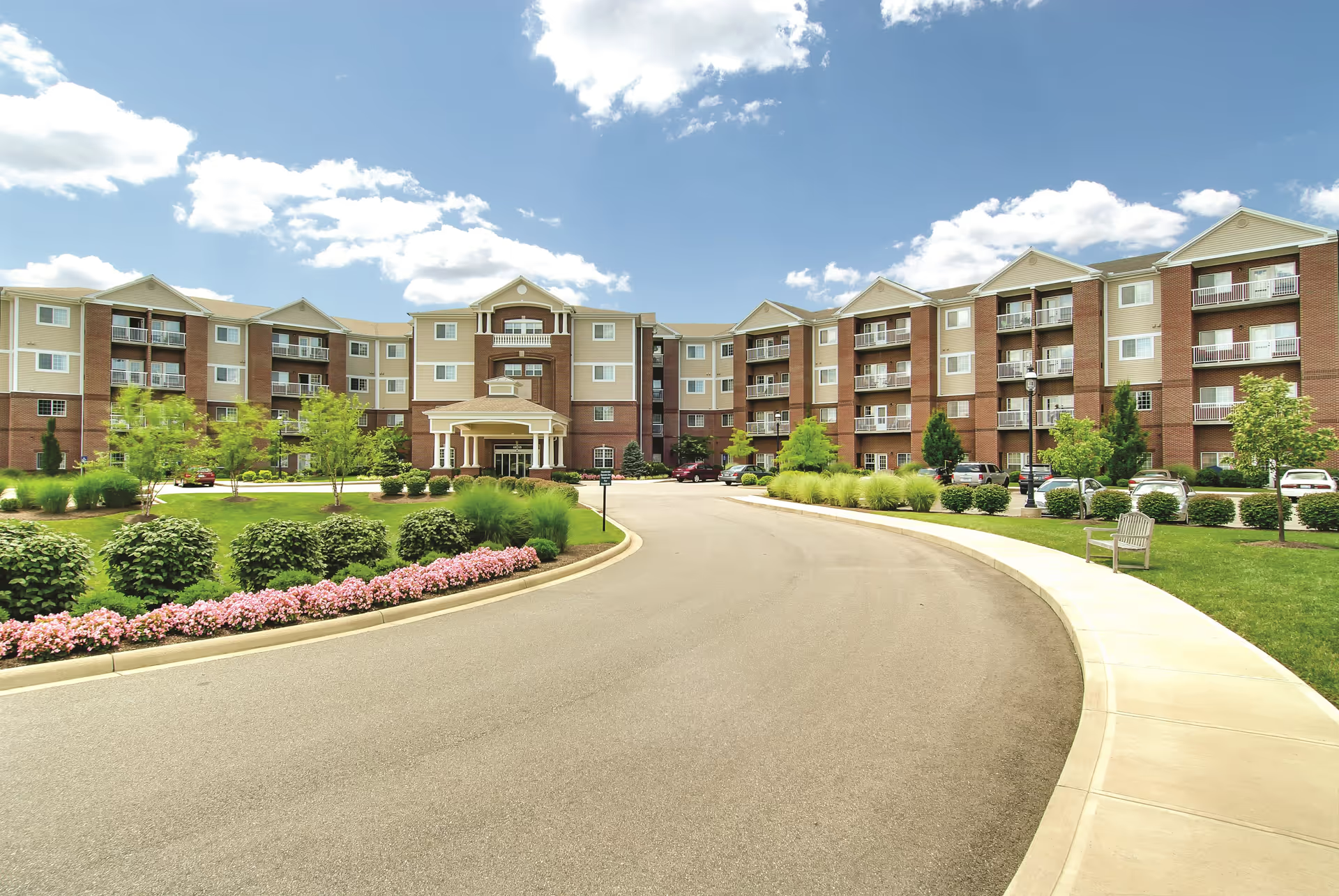
Florentine Gardens presents a mixed but distinctive profile. Many families and residents praise its strengths: a clean, attractive building and grounds, a strong therapy program that yields measurable rehabilitative gains, and an active, event-rich activities department. Specific staff roles — including social-work and activities leadership — received repeated positive mention, and several reviews describe compassionate nursing and aide care, reliable laundry and maintenance services, and an overall home-like environment. These strengths create an environment where rehabilitation, social engagement, and family involvement can be prominent features of the stay.
Clinical care quality shows important variability. Positive accounts highlight effective physical and occupational therapy and attentive nurses and aides who contribute to successful discharges and improved mobility. Conversely, other accounts raise concerns about medication-management lapses (including delays in receiving analgesics) and gaps in timely response to resident needs. Several reviewers described issues with absence or inaccessibility of call systems or delayed staff response, which were associated with safety concerns such as falls and unmet care needs. There are also comments indicating inconsistent vital-sign documentation and other recordkeeping irregularities.
Dining, housekeeping, and environmental upkeep are generally cited as strengths: meals are described as appealing, laundry is dependable, and common areas are well kept. However, there are also accounts indicating variability in meal delivery (cold or missed meals) and intermittent hygiene or incontinence-care shortcomings. This suggests that while facility-wide systems for food service and housekeeping function well for many residents, their reliability may fluctuate depending on staffing or shift.
The activities program is a clear asset. Families noted frequent celebrations, themed events (for example seasonal displays and competitions), animal-visit programming, and strong engagement from activity staff. These offerings contribute to resident morale and social connection and were frequently described as above average for comparable facilities.
Management and communication present mixed impressions. Some families describe visible, responsive leadership and proactive social-work advocacy that helped resolve issues and provide peace of mind. Other reviewers reported defensive or unhelpful interactions with administration, inconsistent visitation policies, and delayed discharge coordination. Night-shift accessibility and front-desk responsiveness were raised as recurring operational gaps. Taken together, these comments point to variability in managerial responsiveness and consistency of policy enforcement.
Overall pattern: many families experience attentive, rehabilitation-focused care in a clean, activity-rich setting staffed by caring individuals; nonetheless, there is a recurring pattern of operational inconsistency — particularly around staffing continuity, medication administration, response times, documentation, and certain aspects of basic care. Prospective residents and families considering Florentine Gardens may wish to tour the unit, meet therapy and social-work staff, confirm call-button and medication-administration protocols, ask about staffing levels by shift, and request documentation practices and escalation pathways for clinical concerns to better gauge how current operational practices align with their expectations and safety needs.