Experiences at Avenue at Medina vary substantially. Many residents and families describe a welcoming facility, compassionate staff, and effective rehabilitation. Positive accounts include recovery after hip, knee, back, and other procedures, with some residents returning home with improved mobility and independence. Other accounts raise concerns about delayed help, inconsistent daily care, and difficulty obtaining timely responses. The contrast suggests that care can feel attentive and coordinated for some residents, while families of people needing frequent or hands-on assistance may encounter more difficulty.
Staff members—including nurses, aides, therapists, housekeeping, dietary staff, and social workers—receive strong praise for kindness, patience, and dedication in many accounts. Physical and occupational therapy are frequently highlighted as strengths. However, families also describe staffing pressures, uneven staff conduct, and delays responding to call lights or requests for help. Concerns are particularly pronounced for residents who may not be able to advocate for themselves or who need regular assistance with mobility, bathing, meals, or personal care.
Accounts of clinical coordination are mixed. Some families report useful updates, attentive medication support, and effective discharge planning. Others describe communication gaps between nursing, therapy, and administration, along with concerns about medication timing, clinical follow-through, and sharing test or care information. Several accounts also raise questions about discharge planning and transitions involving insurance coverage or changing care needs. Particularly serious individual accounts include concerns following residents' deaths and disputed decisions about care transitions; these are family accounts and cannot be independently assessed from the reviews alone.
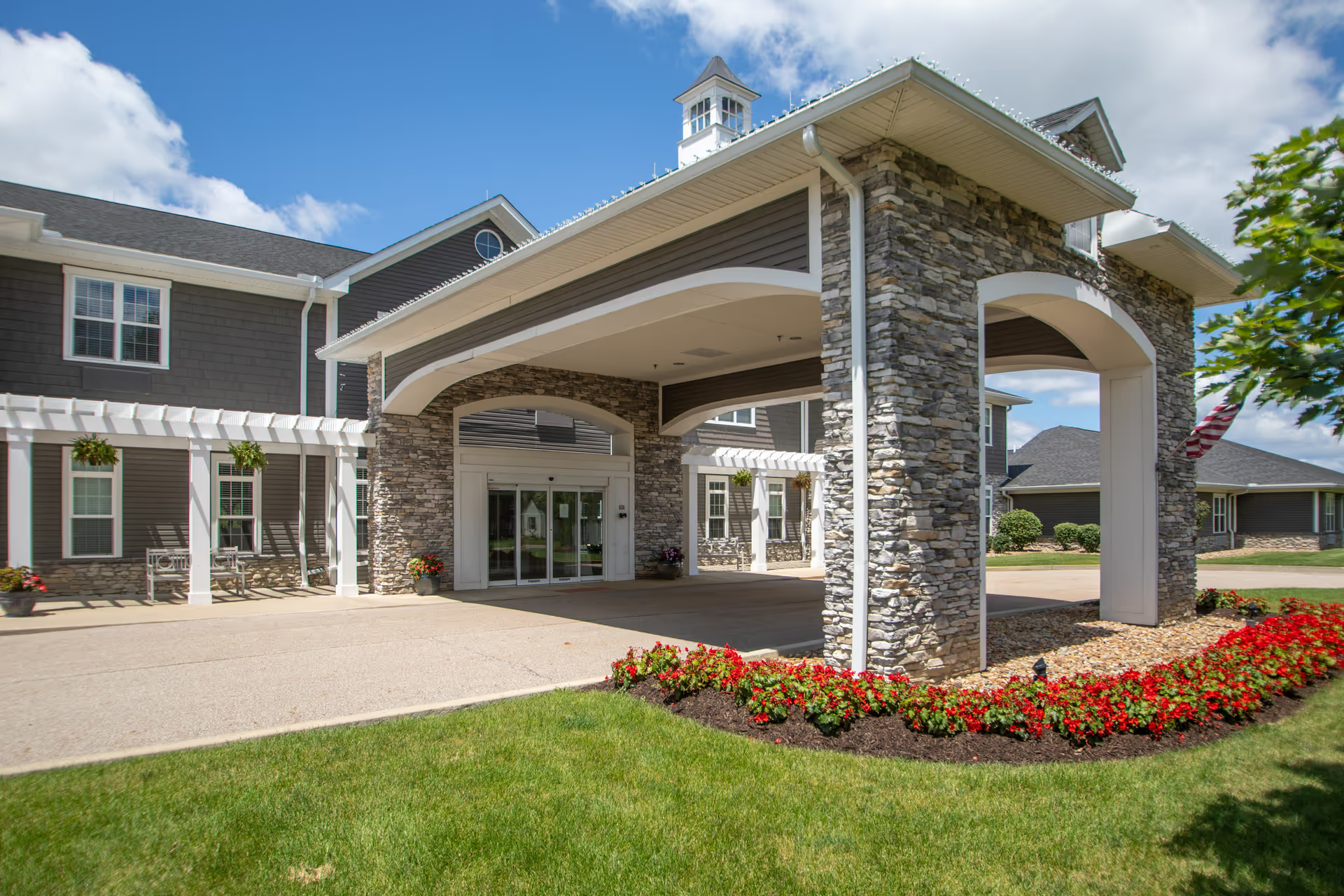
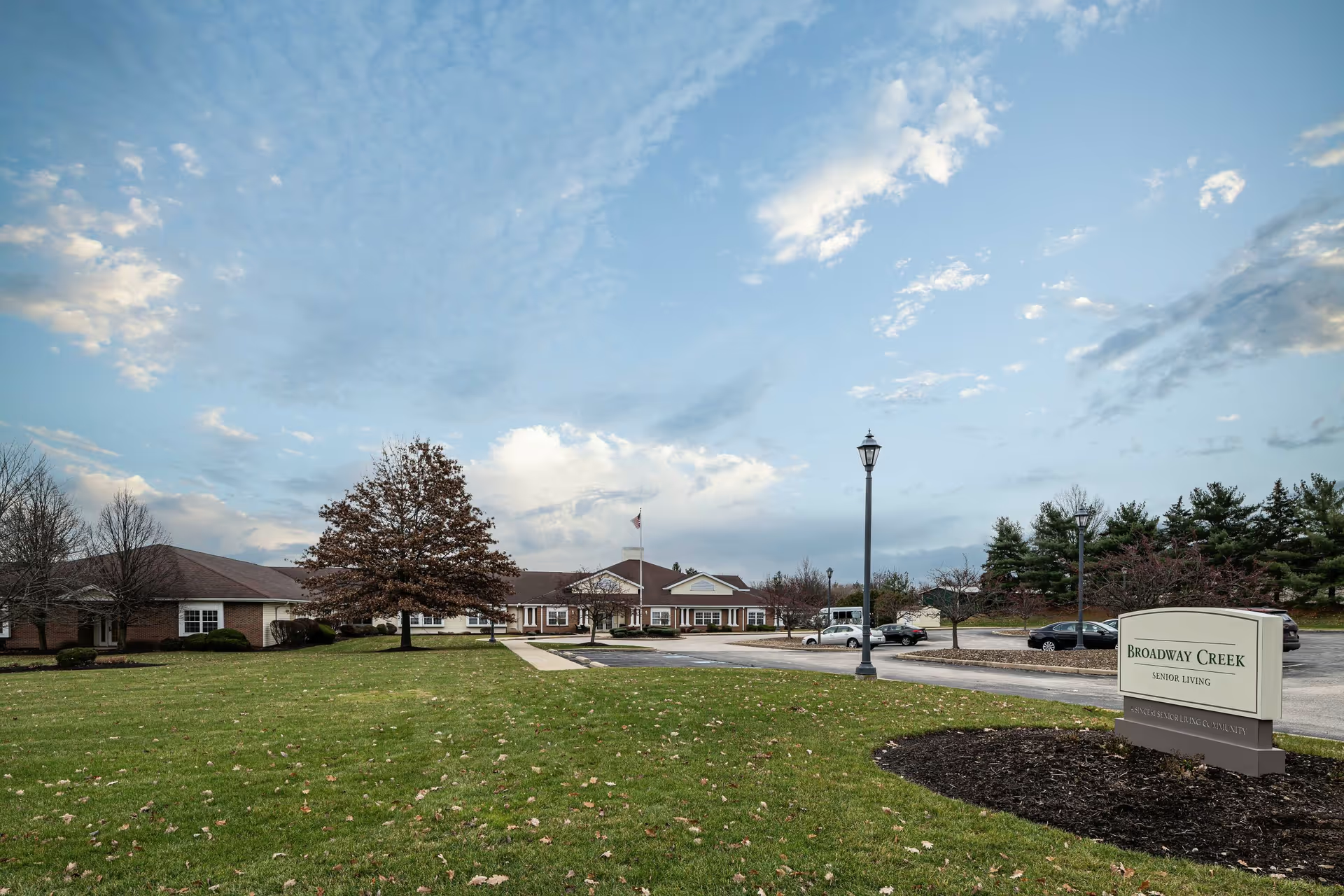
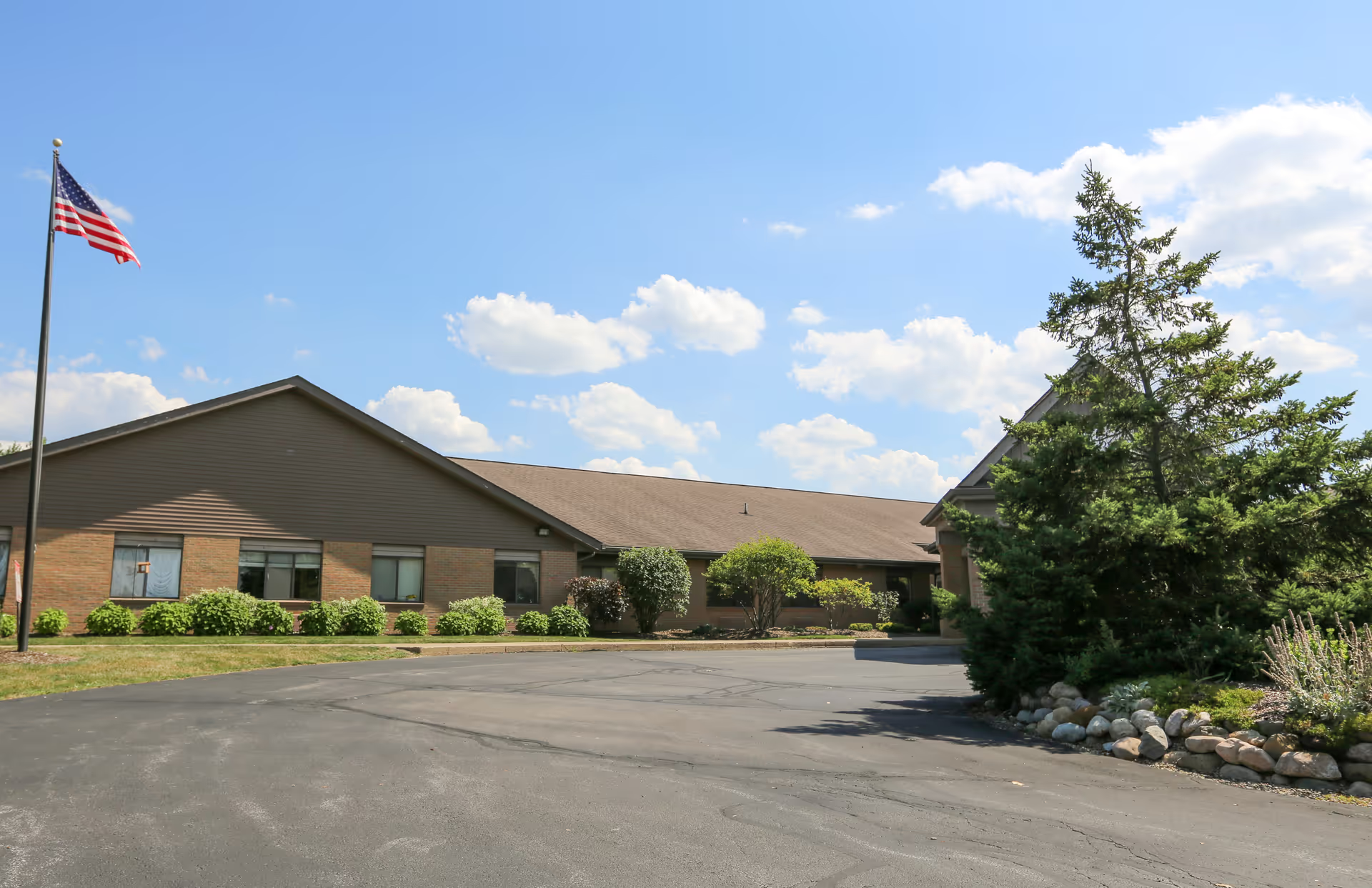
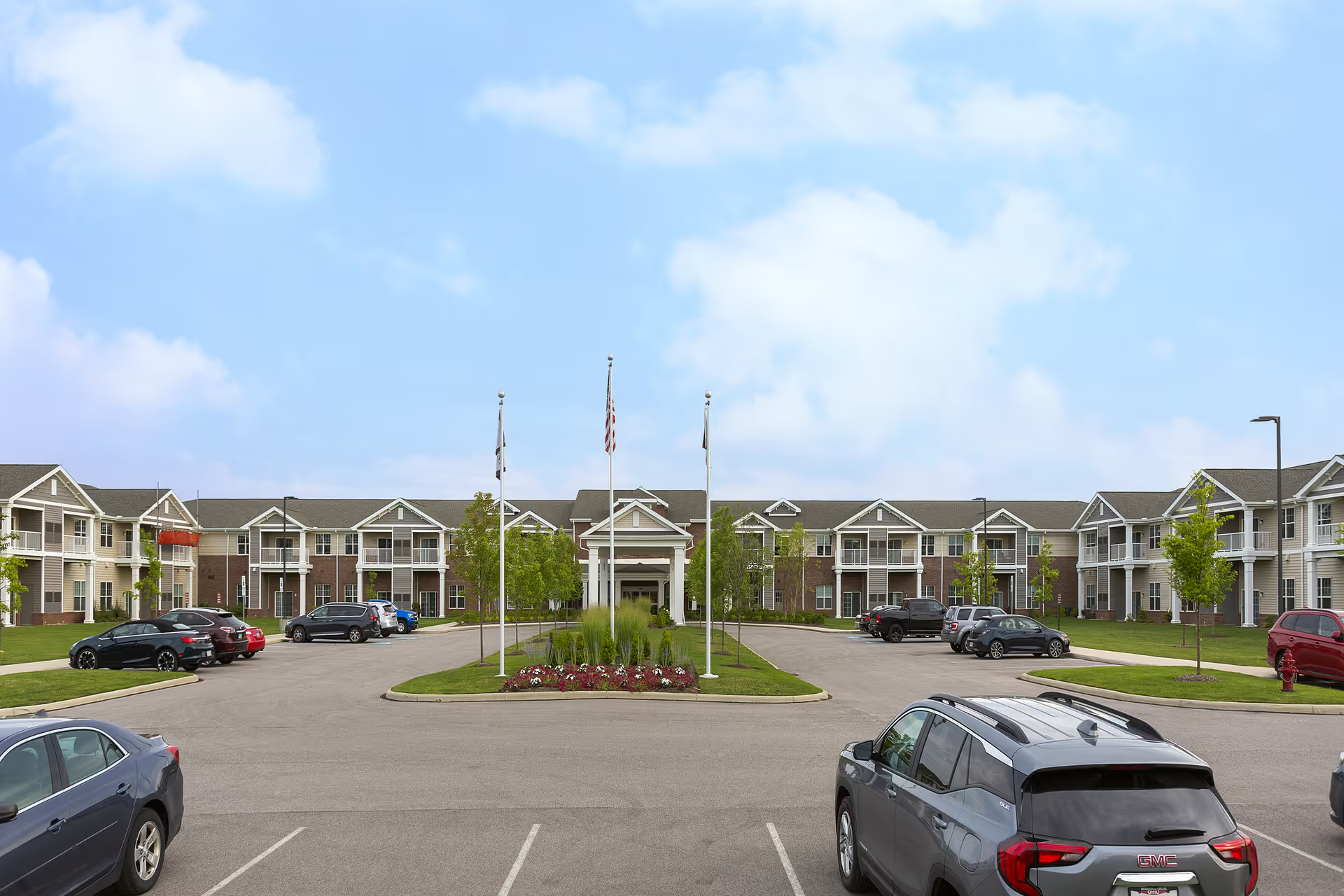
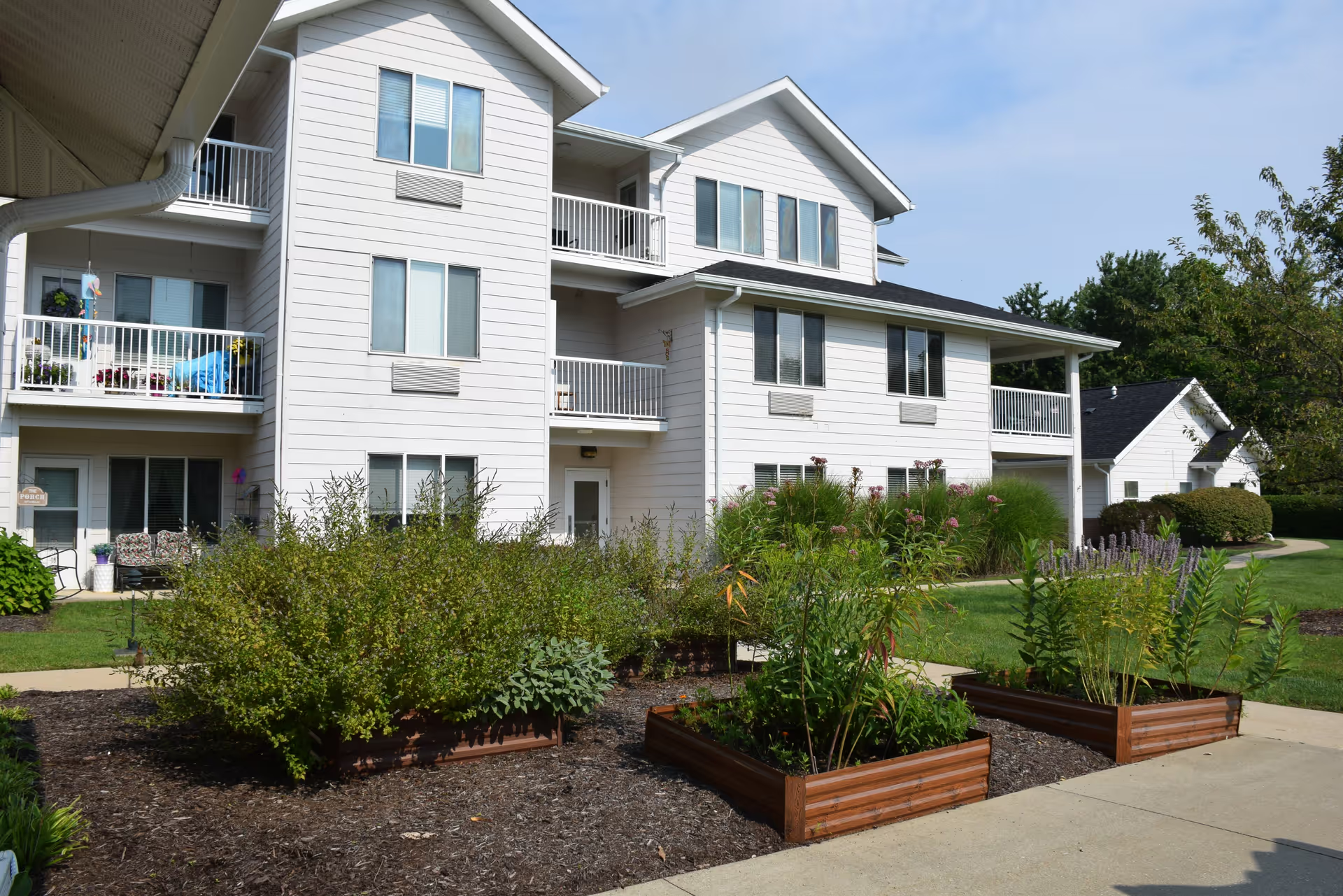
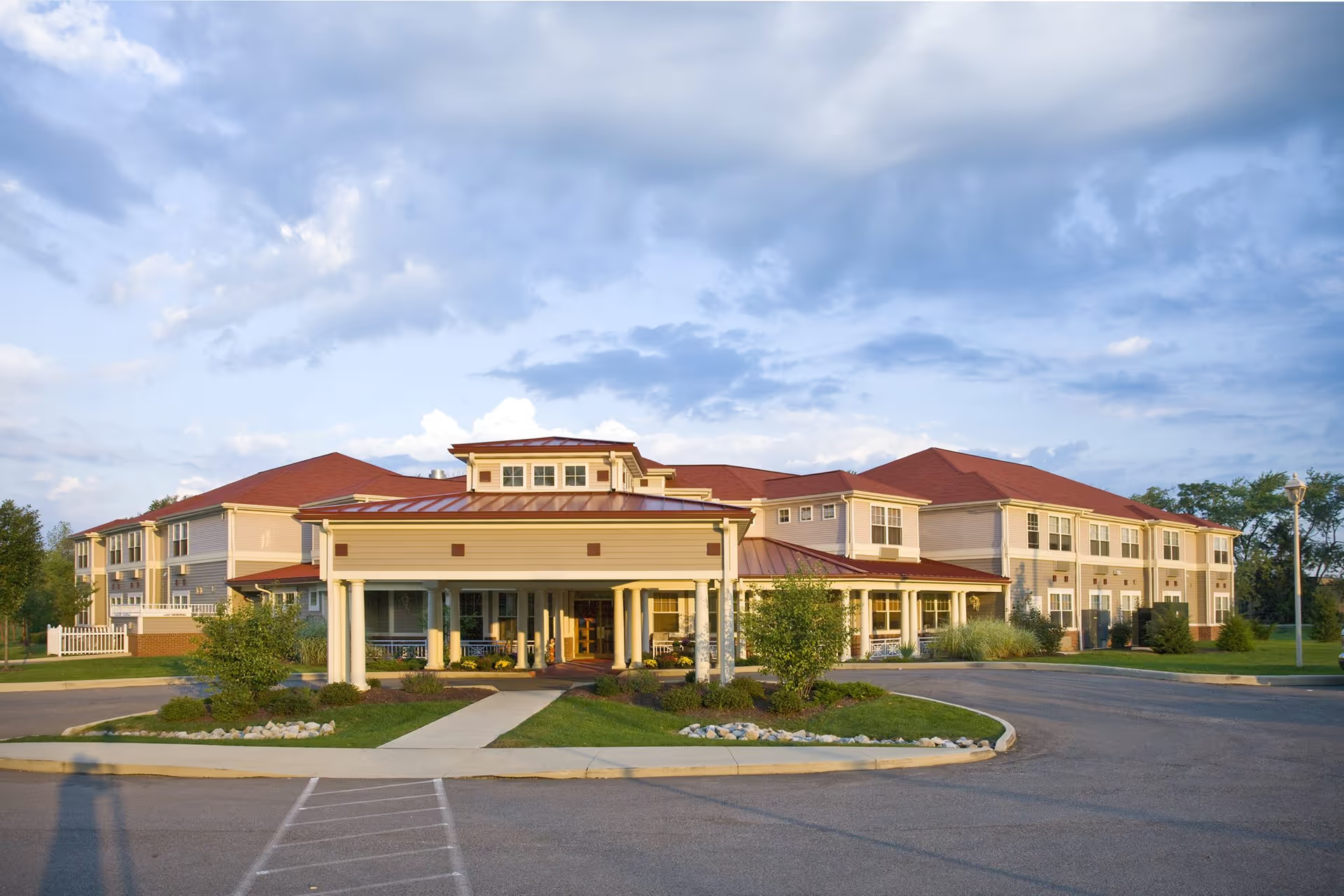
The building is consistently described as attractive, spacious, and comfortable, with clean rooms and inviting common areas in many positive accounts. Some families, however, report inconsistent room cleaning, linen changes, and bathing routines. Dining feedback also differs: some residents praise the meals, choices, café, or dietary service, while others describe food that arrived cold, was unappealing, or was not reliably delivered. Activities and community events are positive features, including seasonal events and opportunities for residents to socialize.
Overall, the reviews present a facility with appealing surroundings, valued therapy services, and staff members who have made a strong positive impression on many residents and families, alongside recurring concerns about response times, staffing capacity, routine personal care, communication, and clinical coordination. Prospective residents and families may wish to ask how staffing and call-light response are managed across shifts, how medication and therapy records are coordinated, what personal-care schedules are followed, and how discharge decisions are communicated—especially when a resident has complex needs or requires substantial assistance.