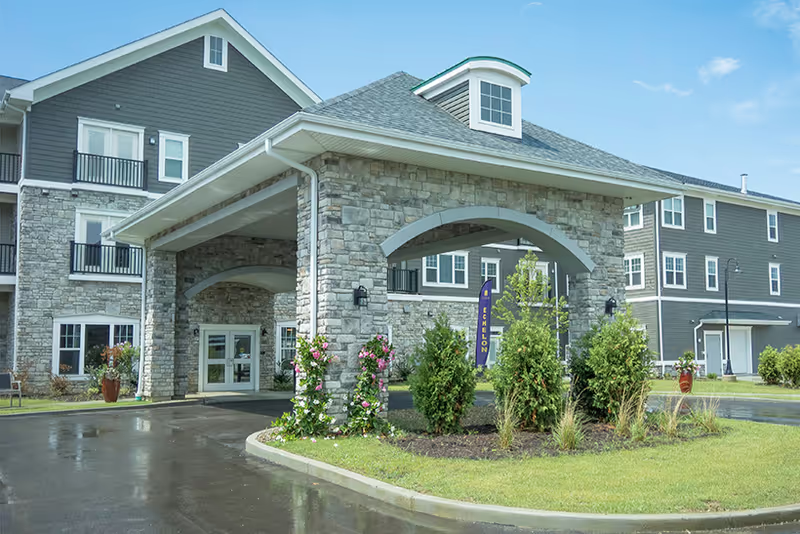
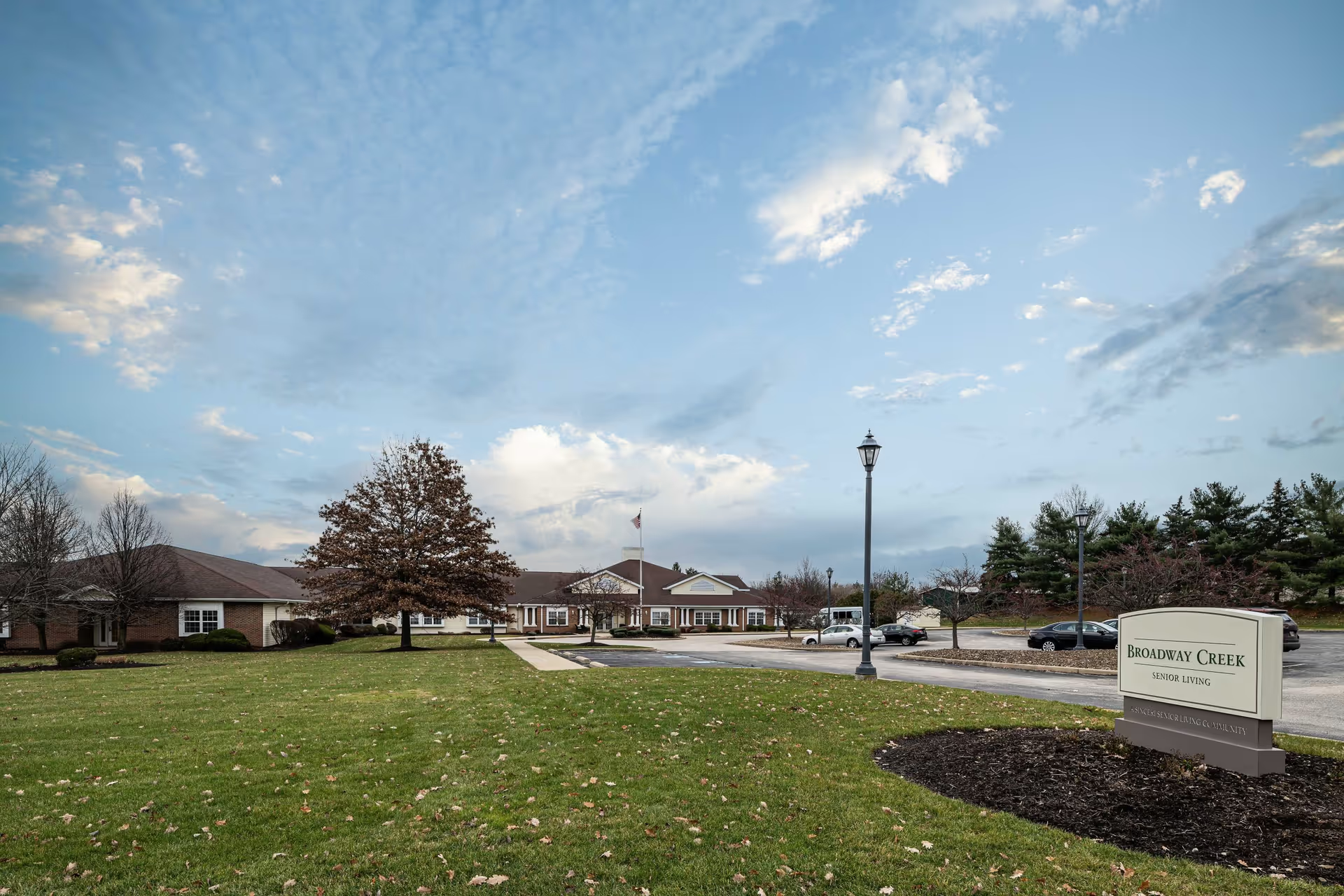
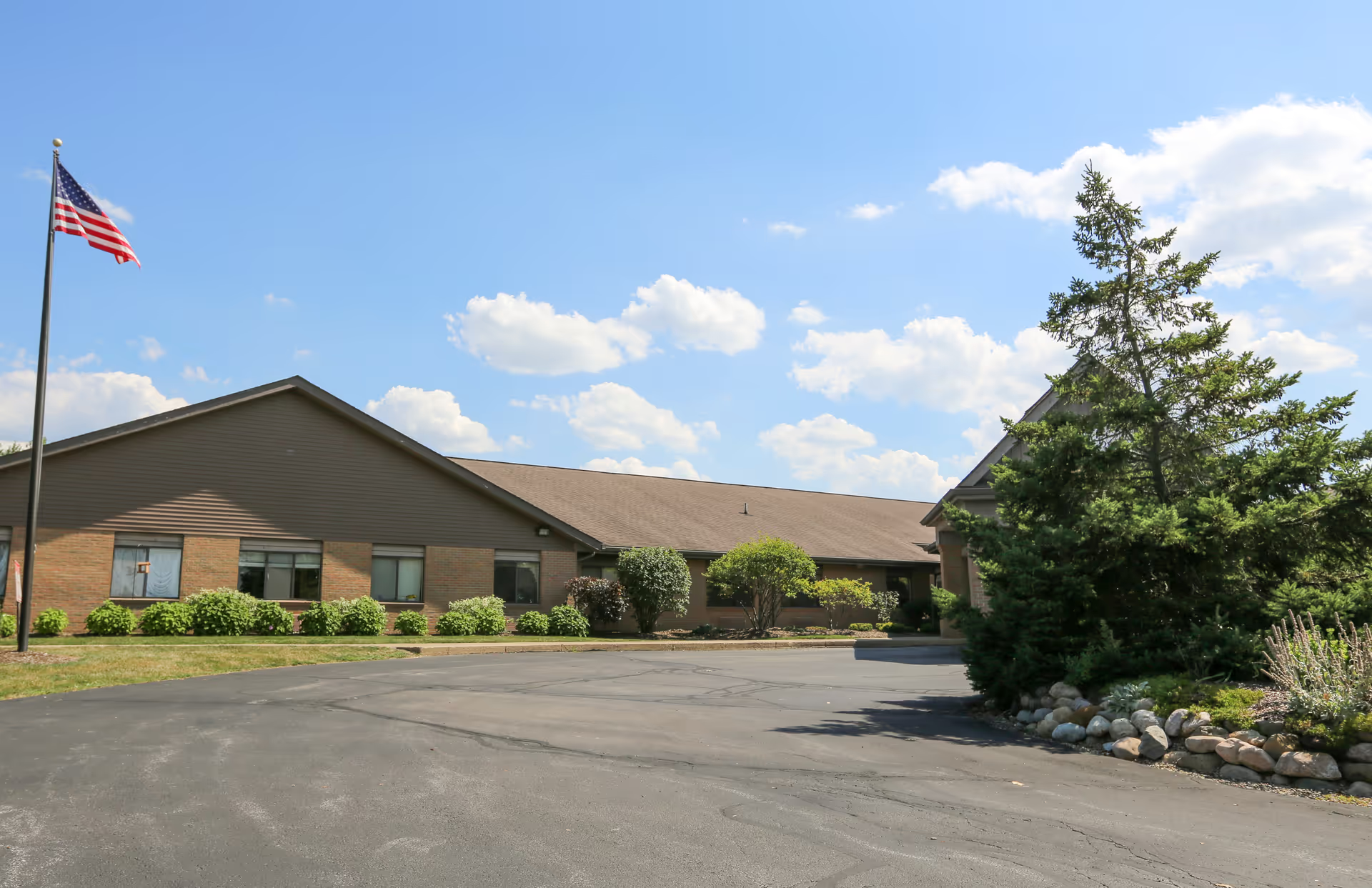
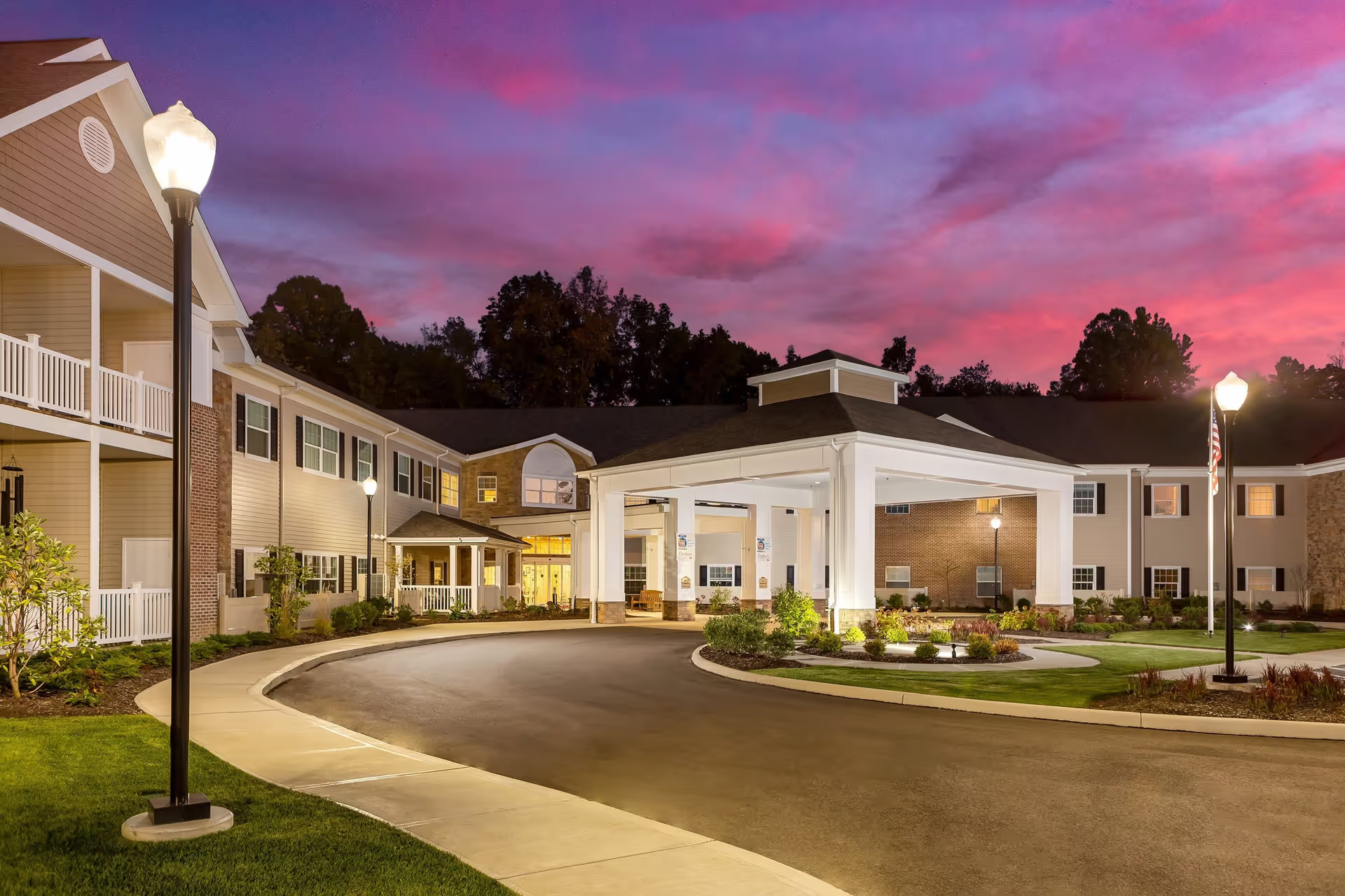
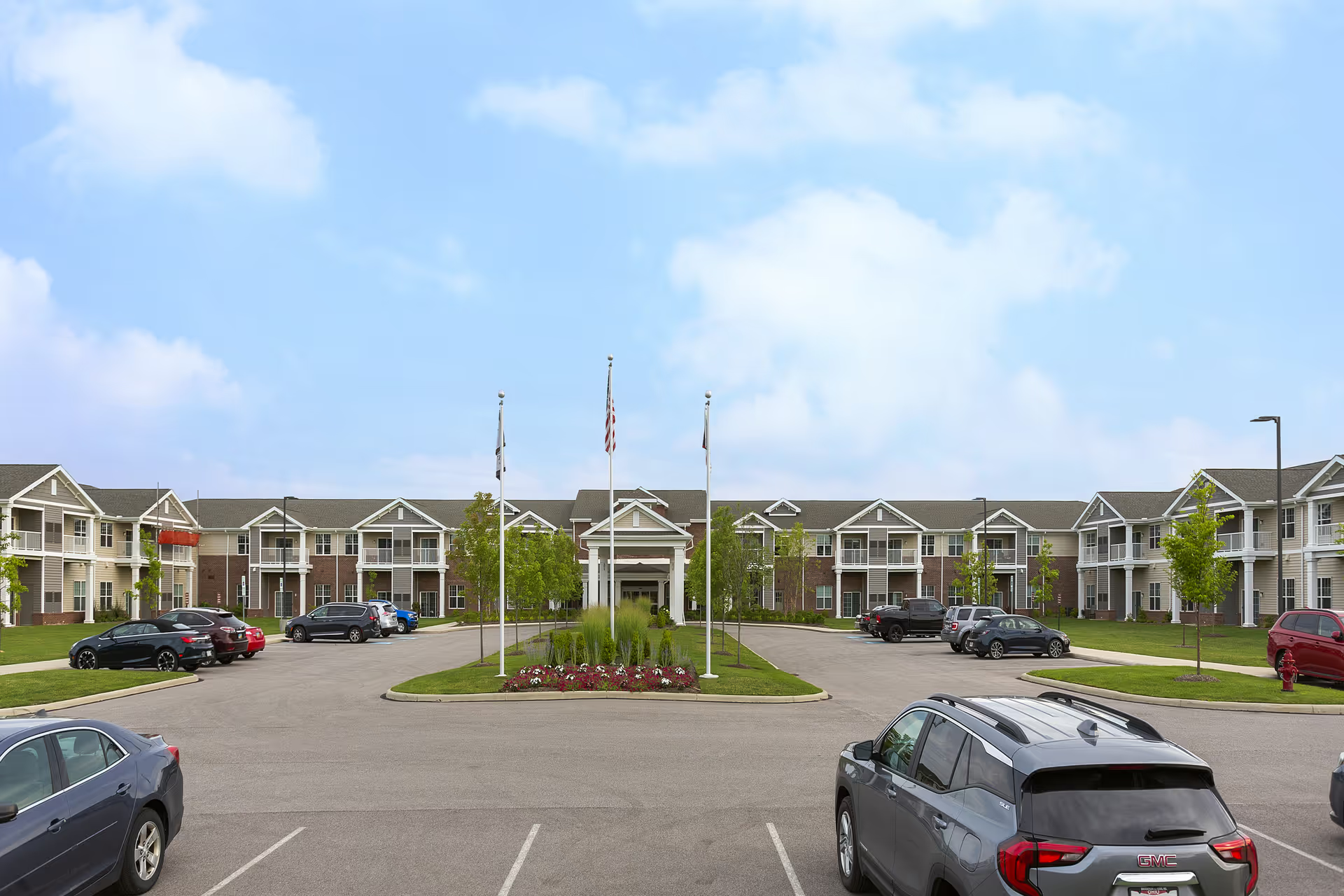
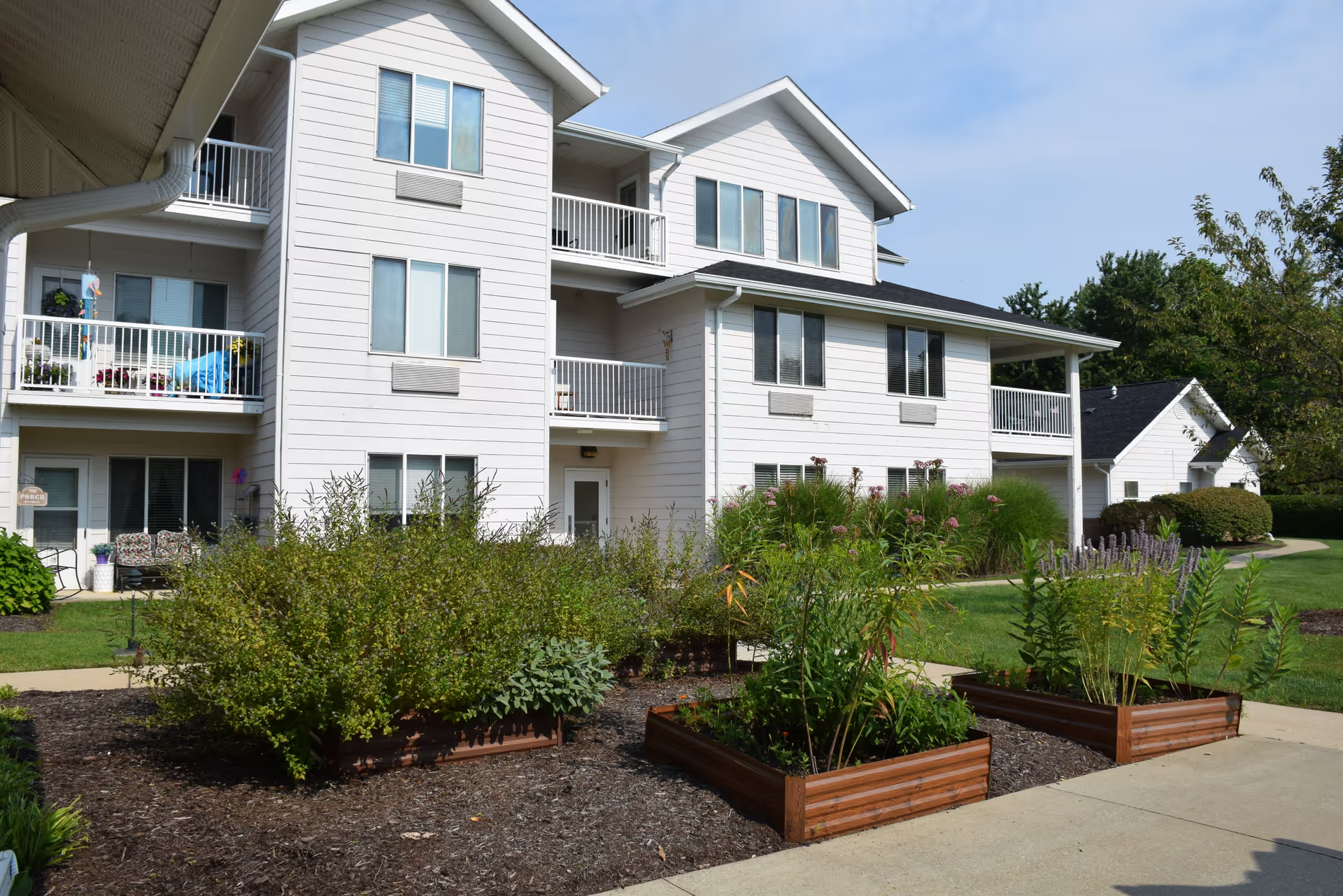
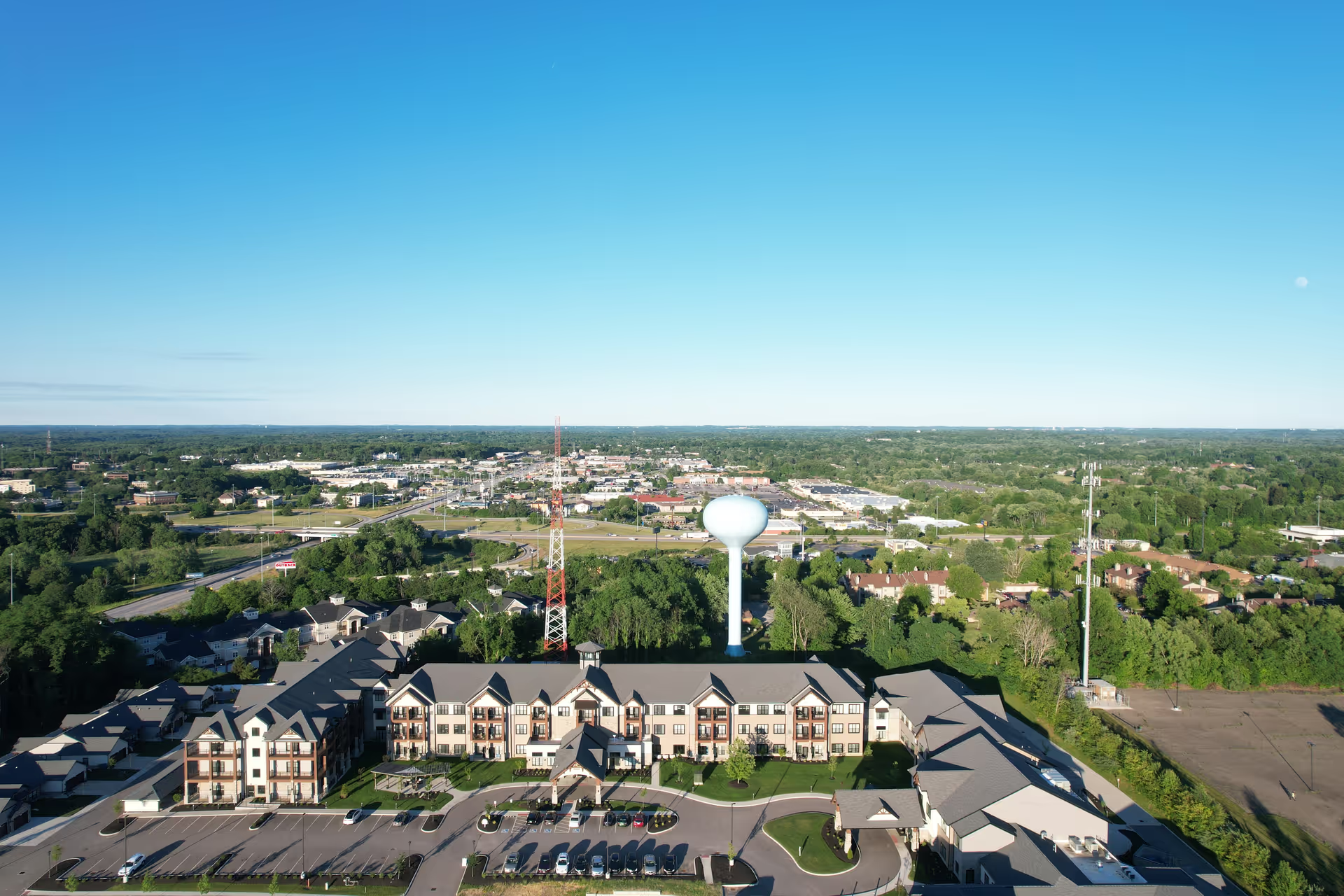
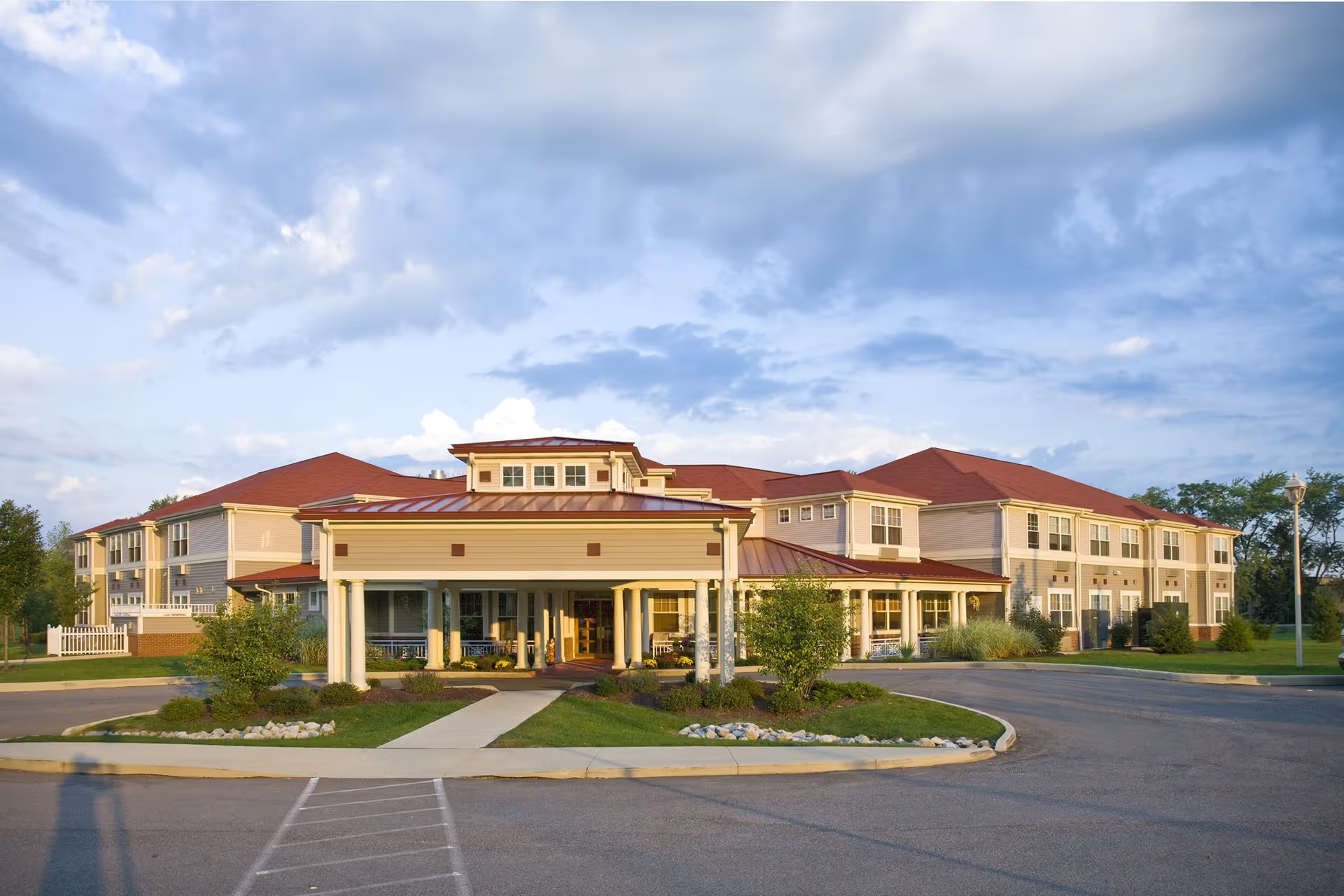
Medina Center for Rehabilitation and Nursing presents a mixed profile across family and resident feedback. Many accounts highlight compassionate, personable caregiving, a strong rehabilitation program, and an engaged memory-care unit with meaningful activities. Several reviewers praised individual staff members, the rehab/therapy teams, and an updated, bright facility with private rooms and a quiet setting near outdoor trails. Activity offerings — including family events, pet visits, and outdoor opportunities — are a consistent positive, and some families described attentive dietary and housekeeping support.
At the same time, a number of operational concerns appear repeatedly and merit consideration. Staffing inconsistencies and frequent use of temporary personnel were associated with perceptions of reduced continuity of care. These workforce patterns were linked in several narratives to medication-administration errors, missed doses, and inconsistent personal-care delivery, which in turn contributed to elevated family concern and, in some cases, clinical escalation. Reviewers also described problems with wound-management supplies and other supply-chain issues that interfered with timely clinical care.
Sanitation and environmental issues were noted alongside the otherwise updated appearance of some areas: odor concerns in corridors and specific units, localized pest-control issues, and variable cleanliness were described. Safety and facility-management items — such as crowded halls, smoking near entrances, and general corridor congestion — were also mentioned and may affect day-to-day accessibility and emergency planning. Dining impressions were mixed; while the dietitian and some meals received praise, other families described inconsistent food quality and meal-service continuity.
Management and communication represent another area of polarity. Several families commended leadership and patient advocacy by individual clinical leaders, while others raised concerns about accountability, staff training and onboarding (including background-check practices), and the timeliness and tone of corporate communication. A subset of accounts reported difficulties obtaining satisfactory responses from management when raising clinical or operational issues.
Taken together, the pattern suggests a facility with clear strengths in therapy, activity programming, and many committed frontline caregivers, paired with operational vulnerabilities in staffing stability, clinical-administration controls (especially medication and personal-care routines), environmental sanitation in some areas, and corporate-level responsiveness. Prospective residents and families should visit in person, observe care routines during different shifts, and ask specific questions about staffing ratios, medication-administration protocols, infection-control and pest-control procedures, background-check practices, and how the facility handles clinical incidents and family communication.