Overall impression: The reviews for River Oaks are strongly polarized. A substantial number of families and reviewers give glowing accounts: they describe a bright, new, home-like memory-care community with specialized dementia/Alzheimer’s programming, compassionate staff, robust activities, and well-maintained grounds and rooms. At the same time, there are multiple, very serious allegations from other reviewers describing neglect, unsafe care, administrative failures, and potential safety incidents. That mix produces a split portrait: many families feel their loved ones are safe, engaged, and well cared for, while others report alarming care and management lapses.
Care quality and safety: Memory-care specialization and dementia-focused programming are repeatedly praised — reviewers commonly say staff understand behavioral health needs and that the life-enrichment team runs thoughtful, varied programming. However, these positives sit alongside grave concerns: reports of residents wandering, falls, multiple serious injuries and even deaths, residents being left in feces for extended periods, scents of fecal/urine odor, and allegations of unlicensed or incompetent nursing. Several reviewers described unsafe handling (untrained use of Hoyer lifts), delayed toileting and bathing assistance, and staff inattentiveness during feedings (including phone use). Some families reported staff threats or retaliatory behavior and even police involvement and being locked out at night. Those are red flags that speak to potential safety, staffing, training, and accountability problems in certain cases.
Staffing and management: Many reviews single out individual caregivers, nurses, and activity staff for praise — naming specific nurses and life-enrichment directors and describing staff as kind, patient, and personally engaged. Numerous comments also document improvement under new executive directors and leadership changes (including named directors), with some families specifically stating care improved after management turnover. Conversely, a recurring theme is chronic understaffing and high turnover (often blamed on COVID and corporate-level changes). This turnover produces inconsistent caregiver quality: some reviewers report excellent relationships and responsive staff, while others report aides who appear overworked, inattentive, or poorly trained. There are also very serious allegations against management behavior in a subset of reviews — claims of dishonesty, firing staff who advocated for residents, and failure to hold promised care conferences.
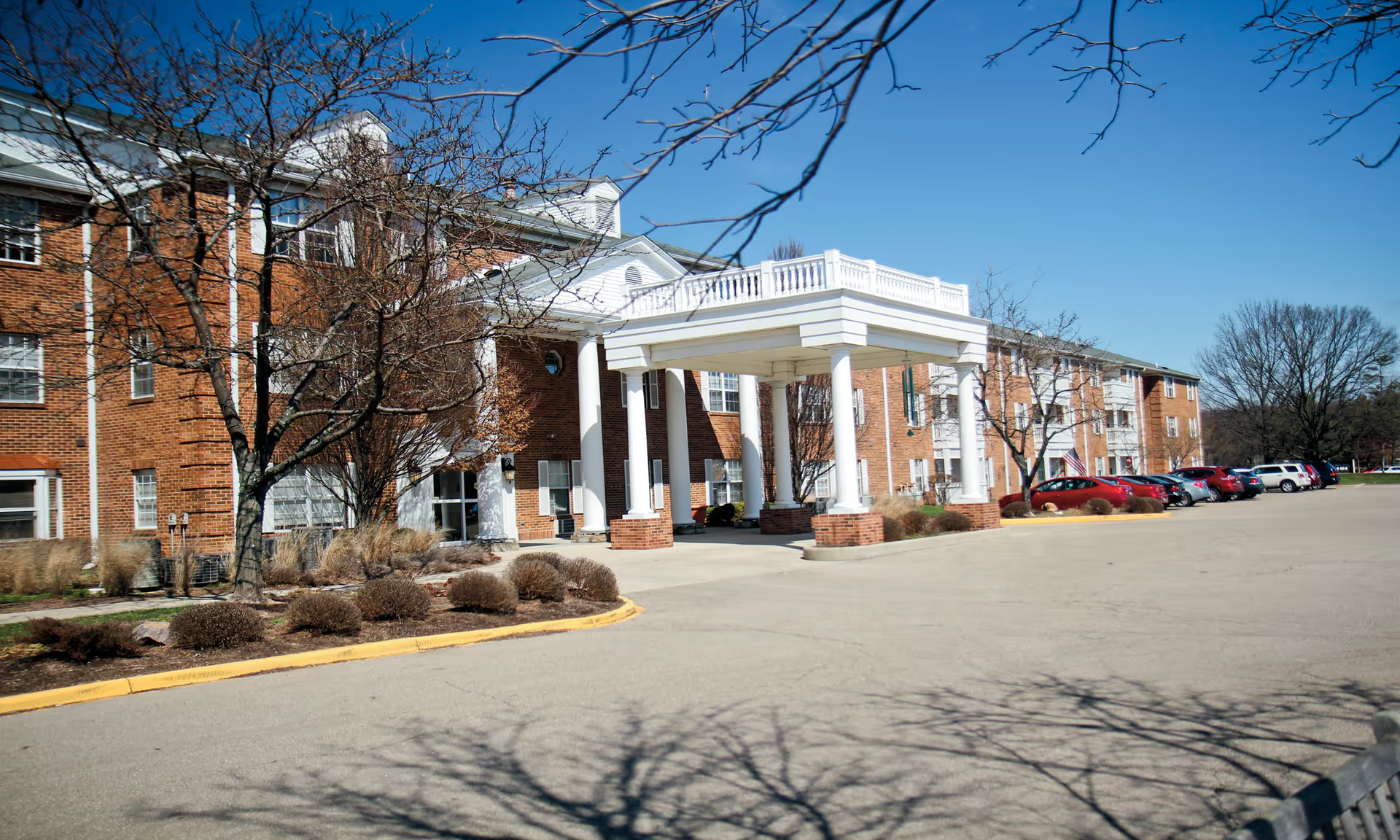
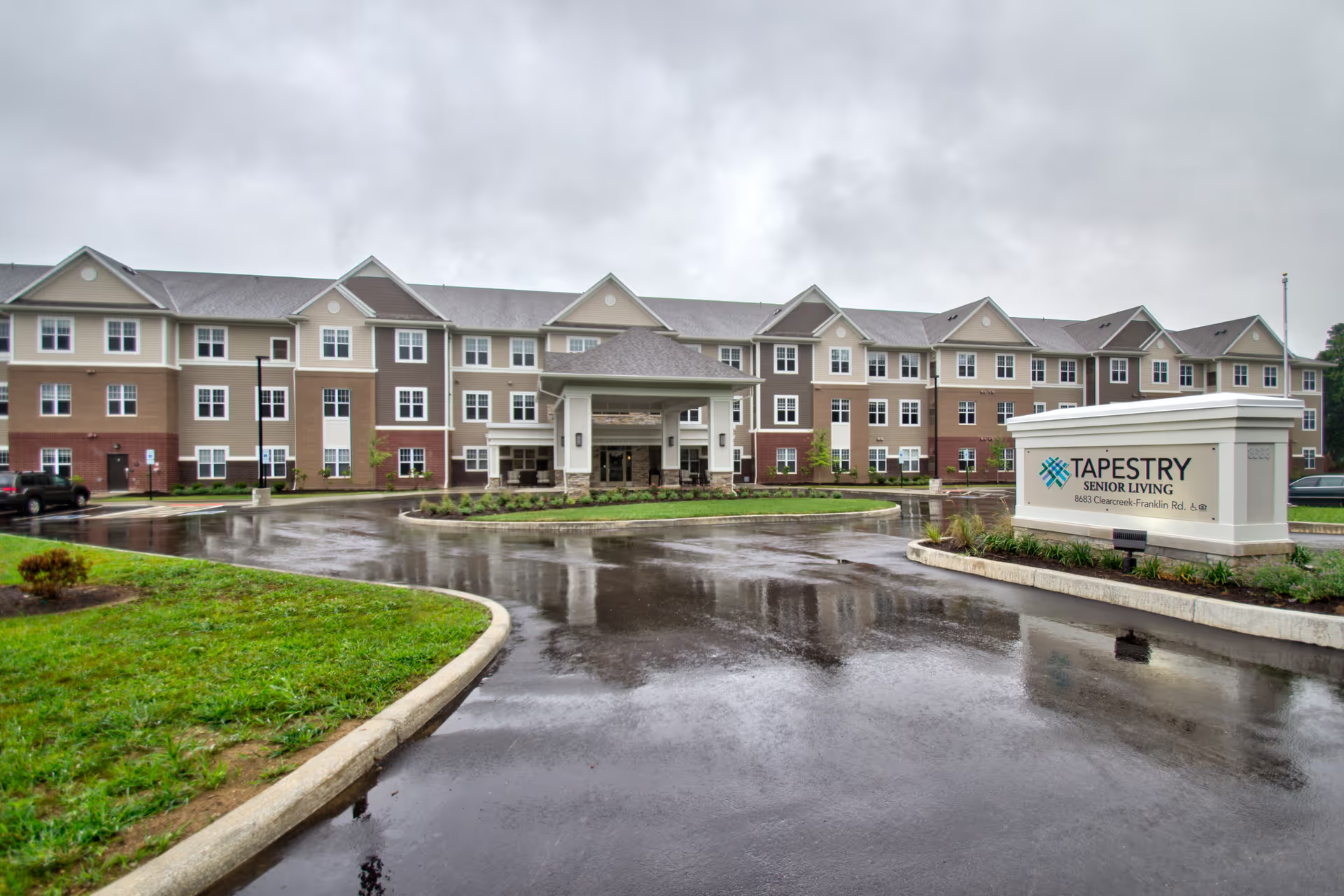
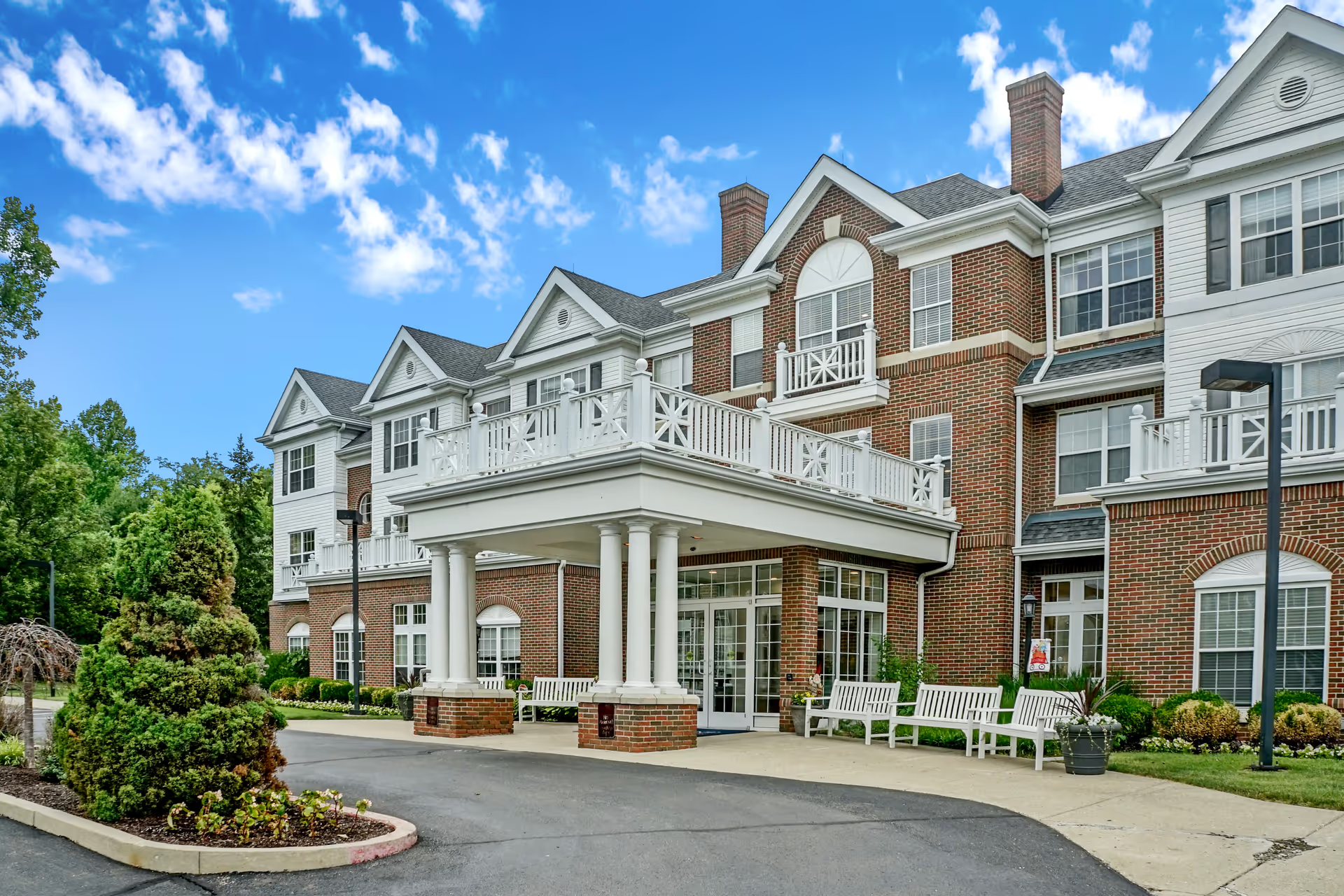
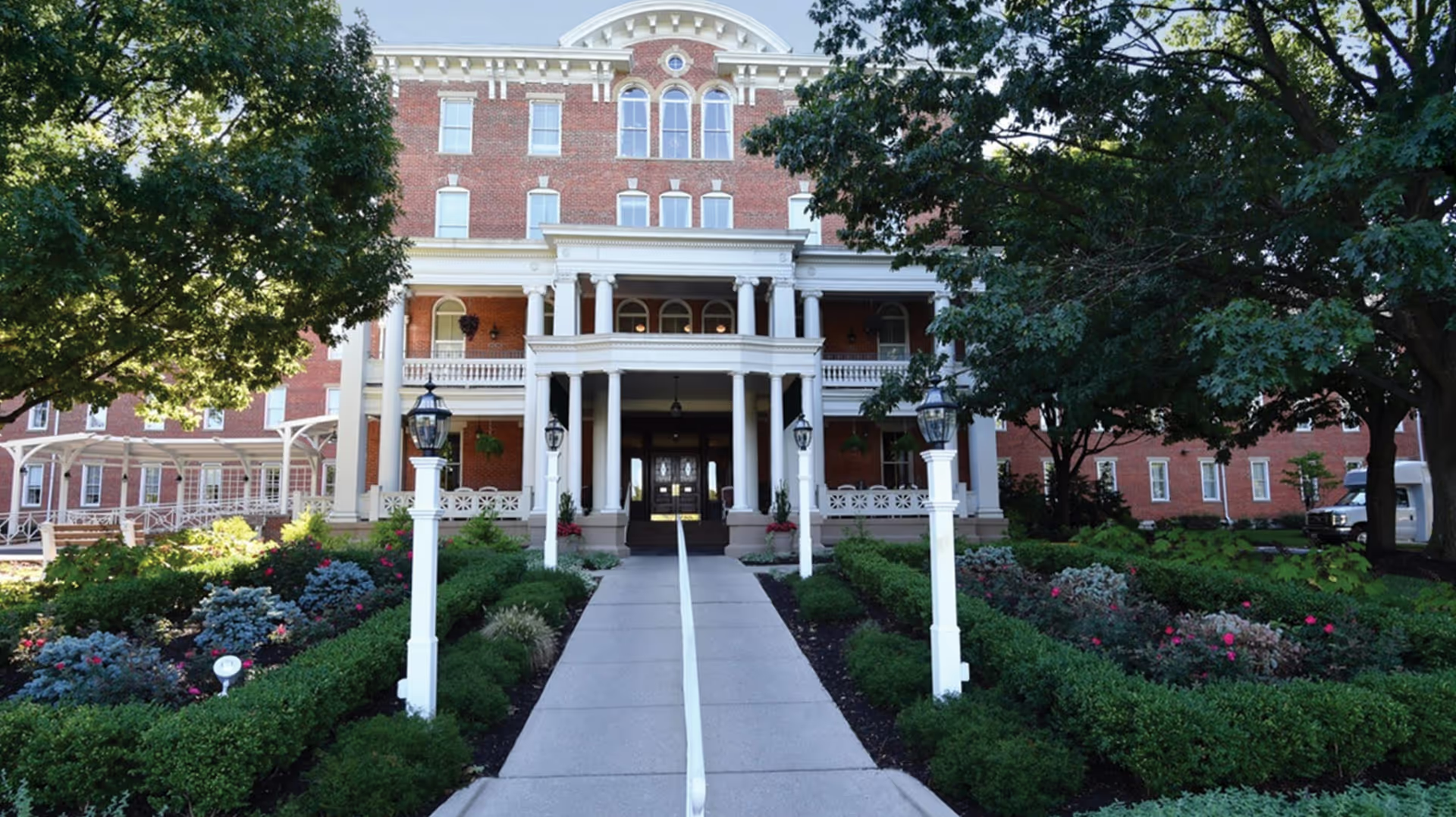
Facility, cleanliness and environment: The physical facility receives strong praise overall: reviewers repeatedly note brand-new, attractive, thoughtfully designed spaces for memory care (wide aisles, light-filled rooms, secure courtyards, homelike décor). Many families report spotless rooms, attractive gardens, and good accessibility for wheelchairs. At the same time, several reviewers mention persistent odors (urine and feces), carpet-related cleanliness problems, and isolated pest reports (ants). These issues may reflect localized housekeeping or remediation needs rather than universal conditions, but they are mentioned frequently enough to be a pattern of concern in some areas/periods.
Activities and dining: Activity programming is one of the facility’s strongest themes: live performers, holidays, scenic drives, Elvis and Santa visits, birthday/Thanksgiving/Valentine’s events, and creative crafts are routinely praised. The life-enrichment director is frequently singled out for going above and beyond. Dining gets generally positive marks from many families who like the menu and dining-room experience; however, other reports describe meals not being provided in certain hospice situations, residents refusing to eat or losing appetite over time, and critical comments about dietary planning (a dietitian described as relying on Pinterest menus). These mixed responses point to variability in dining experience and in how dietary needs are addressed.
Communication and responsiveness: Communication experiences are mixed: multiple families describe good, first-name-basis relationships with staff and prompt responsiveness when issues are raised, while others report unfulfilled promises (care conferences not held), lack of physician presence, and poor or dishonest administrative responses. Several reviewers noted that when families raised problems, staff often corrected issues — suggesting that some problems are resolvable — but other families report ongoing or severe problems that were not adequately addressed.
Patterns and context: Several reviews attribute inconsistency to staffing shortages and turnover following COVID and corporate transitions; others credit recent leadership changes with measurable improvements. The narrative suggests two possible realities coexisting: one in which new management and dedicated staff deliver high-quality memory care in an attractive, supportive environment; and another in which understaffing, training gaps, and management failures lead to neglectful or unsafe conditions for some residents. The presence of extremely serious allegations (e.g., residents left soiled, reports of injuries and deaths, staff fired for advocating for residents, police involvement) elevates the level of concern beyond typical service-quality complaints and makes careful investigation important.
Bottom line and recommended next steps: River Oaks appears to offer many of the hallmarks of strong memory care — specialized programming, an exemplary activity department, an attractive physical environment, and numerous caring staff. However, there are credible and alarming complaints describing neglect, unsafe transfer practices, staffing shortages, administrative problems, odor/pest issues, and inconsistent clinical oversight. Prospective families should treat the facility as one with significant strengths but also notable and potentially serious reported weaknesses. Before placement, families should conduct targeted due diligence: ask for current staffing ratios by shift, turnover statistics, evidence of nurse licensing and training, incident/accident logs, policies for transfers and Hoyer-lift training, pest-control/remediation records, hospice coordination procedures, and examples of recent quality-improvement actions taken by the current director. Also request references from current resident families and observe multiple mealtimes and activity periods. Those steps will help determine whether the highly positive experiences or the severe negative issues are more representative of the current standard of care at River Oaks.