Sycamore Glen presents a polarized picture: many reviewers describe an effective short-term rehabilitation environment with strong therapy services and an active campus life, while others raise significant operational concerns that affect clinical safety and daily living.
Care quality and clinical oversight: Physical and occupational therapy receive consistently positive mentions — therapists are described as skilled, helpful, and instrumental to successful rehab discharges. Nursing and direct-care staff are frequently praised for compassion and attentiveness, but multiple reviewers describe systemic clinical weaknesses as well. The dominant clinical concerns are unreliable medication management (delays, dosing errors, or withheld medications), inconsistent wound-care practices, and limited on-site physician availability. These issues point to gaps in clinical oversight and medication-administration controls that can affect resident safety, particularly for medically complex patients.
Staffing and responsiveness: The facility appears to rely on agency staff at times and several accounts describe understaffing, especially overnight and on weekends. Reported consequences include long call-light response times and delays in assistance for personal-care needs. At the same time, many families and residents praise individual caregivers, therapists, and some administrative staff, indicating variability in staffing consistency and performance rather than uniformly poor or excellent staffing across the board.
Dining and dietary accommodations: Dining is a strong positive for many residents — mentions include a chef-driven program, large dining room, à la carte options, and enjoyable meals and desserts. Conversely, other reviewers describe inconsistent food quality (over-seasoning, institutional-style meals) and operational faults such as wrong meals served, lack of diabetic or religious dietary accommodations, and failure to follow prescribed texture modifications. These mixed accounts suggest that while the facility has a robust dining program, execution and special-diet adherence are inconsistent.
Activities and community life: The activities program is a clear strength. Reviewers list a wide range of options (exercise, music, clubs, book and garden groups, religious services, outings), and many residents describe an engaged, social environment. This programming is cited as a contributor to quality of life for both short-term rehab and longer stays.
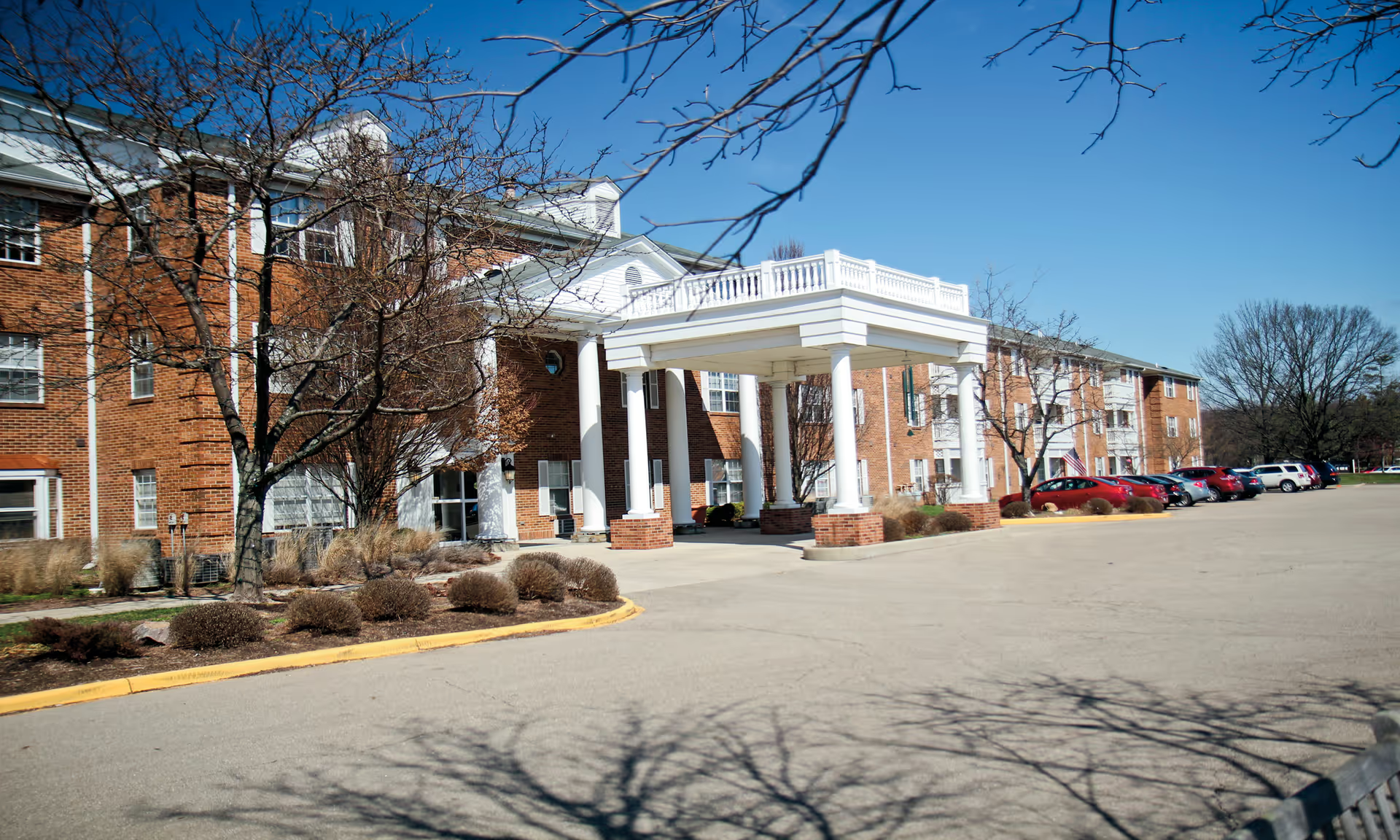
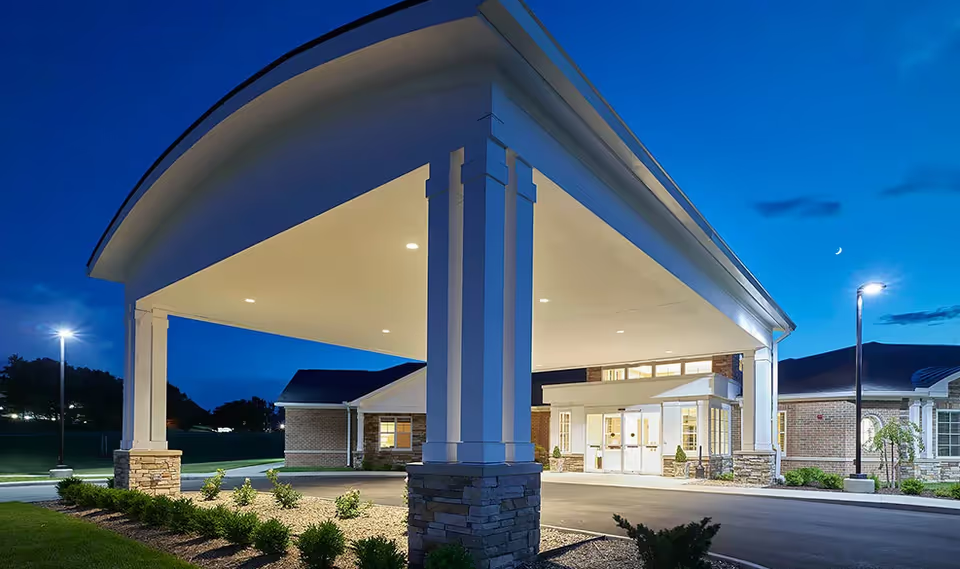
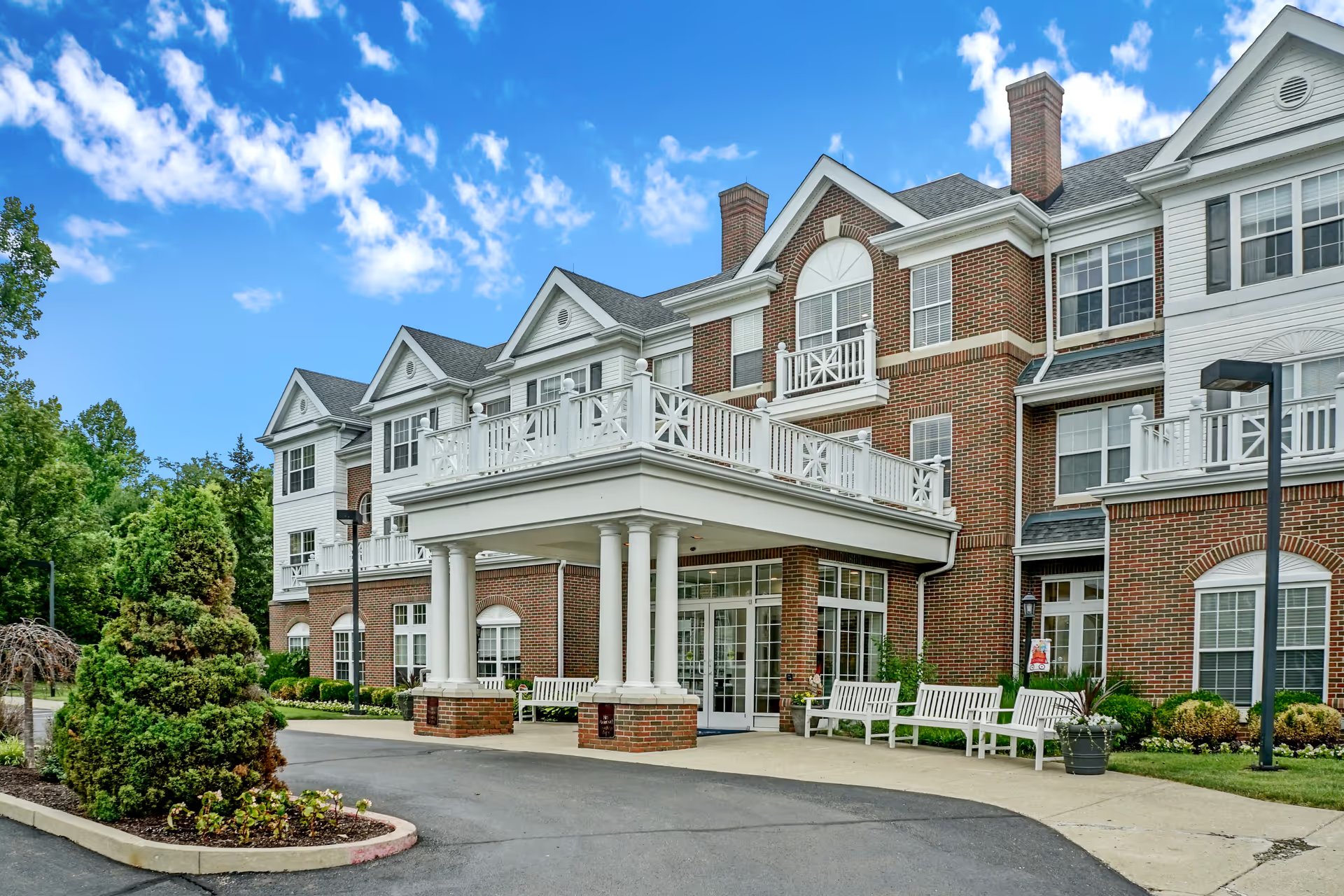
Facilities and amenities: Many reviewers describe an upscale, clean environment with spacious rooms, in-room refrigerators and microwaves, walk-in closets, and on-site laundry/housekeeping services. Others, however, report variability in room cleanliness and housekeeping follow-through. Overall, the physical plant and amenities are a commonly noted strength, tempered by inconsistency in routine cleaning and room-turnover practices.
Management, billing, and communication: Administrative experiences vary widely. Some reviewers commend responsive leadership and a trustworthy administrator, while others report rude interactions with specific administrative staff and social-work contacts. A recurring, concrete pain point is billing and insurance-authorization confusion — misunderstandings about Medicare coverage, unclear billing during stays, and stressful post-discharge invoice issues affected satisfaction even when clinical care met expectations. A few reviews indicate that new management was beginning to address some operational problems.
Notable patterns and guidance for prospective families: Two clear patterns emerge. First, the facility appears to deliver high-quality rehabilitation and an active, amenity-rich environment for many residents. Second, operational inconsistencies — staffing variability (especially nights/weekends), medication and clinical oversight gaps, inconsistent dietary and housekeeping execution, and billing communication problems — have materially affected other families. Prospective residents and their families should assess current staffing ratios and clinical oversight during a tour, ask for written protocols on medication administration and dietary accommodations, clarify billing and Medicare/insurance coverage before admission, and request examples of recent management initiatives to address the identified gaps.