Overview: Reviews for Senior Village Healthcare Center describe a facility with clear strengths in hands-on caregiving, wound management, and family communication, but also a pronounced variability in operational consistency. Many families highlight attentive nursing, effective wound and pressure-injury care, regular personal-care baths, on-site medical support, and successful rehabilitative outcomes. The site is frequently characterized as quiet, clean, and well maintained with a community-oriented atmosphere and staff who provide compassionate and dignified treatment.
Care and clinical patterns: Clinical strengths noted include proactive wound-care protocols, regular therapy services for residents who engage in rehabilitation, and timely on-site clinical attention in numerous cases. At the same time, several accounts raise concerns about lapses in consistency: delayed medication administration or delayed clinical escalation in some situations, inconsistent delivery of activities-of-daily-living assistance (for example bathing and grooming), and uneven therapy availability. A small number of reviews describe serious clinical events that families linked to delays in care; these accounts underscore the importance of verifying local clinical escalation and antibiotic-administration protocols when considering placement.
Staff and management: Many reviewers praise individual caregivers and leadership for clear updates, responsiveness, and a family-like culture. Specific staff members and shifts are frequently described as supportive and communicative. Conversely, others report variable staff conduct, including unprofessional interactions and morale challenges. Staffing instability and perceptions of under-compensation are cited as possible contributors to inconsistent performance. Management responsiveness is noted positively by multiple families, but variability in communication tone and follow-through was also described.
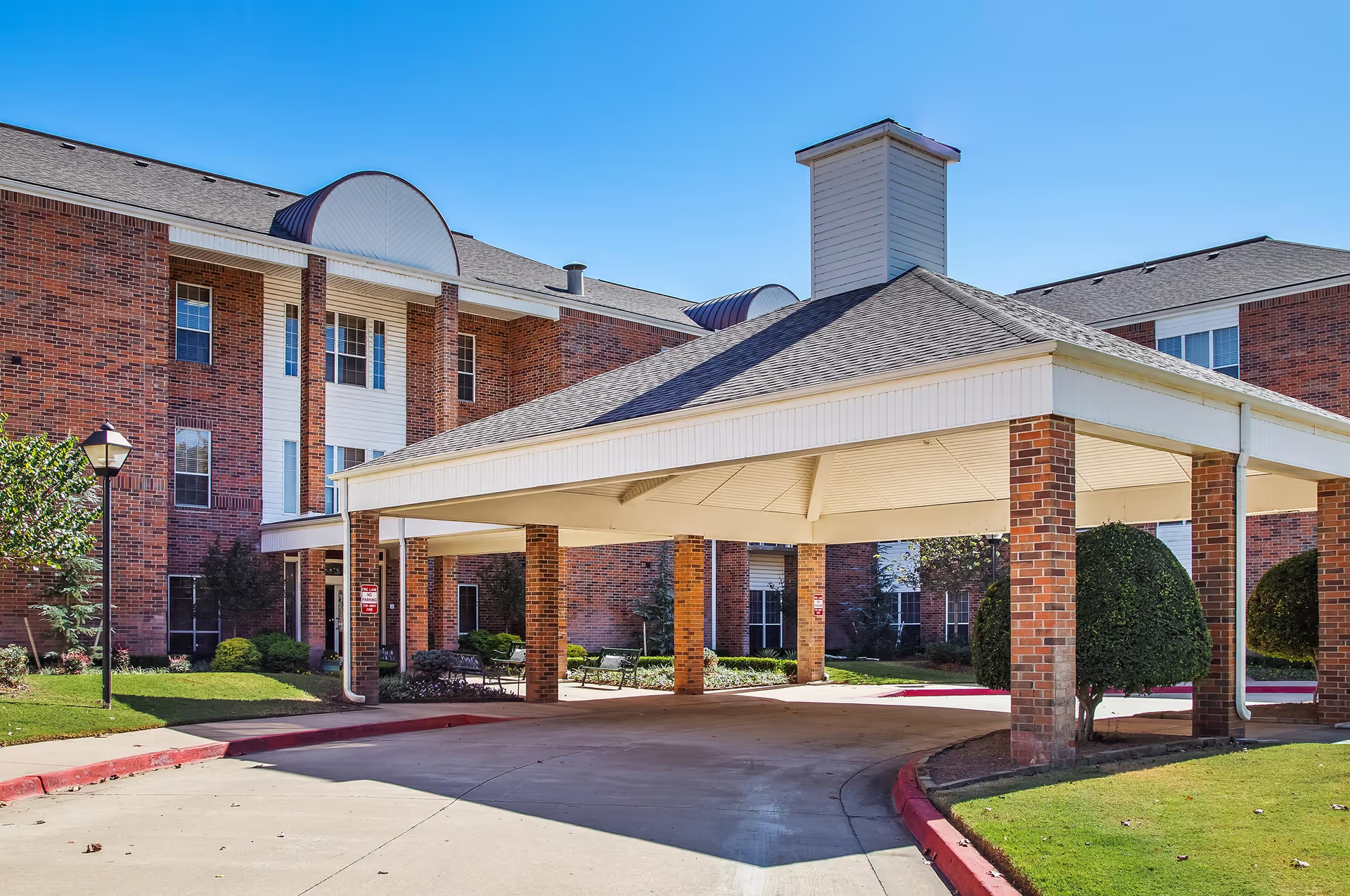
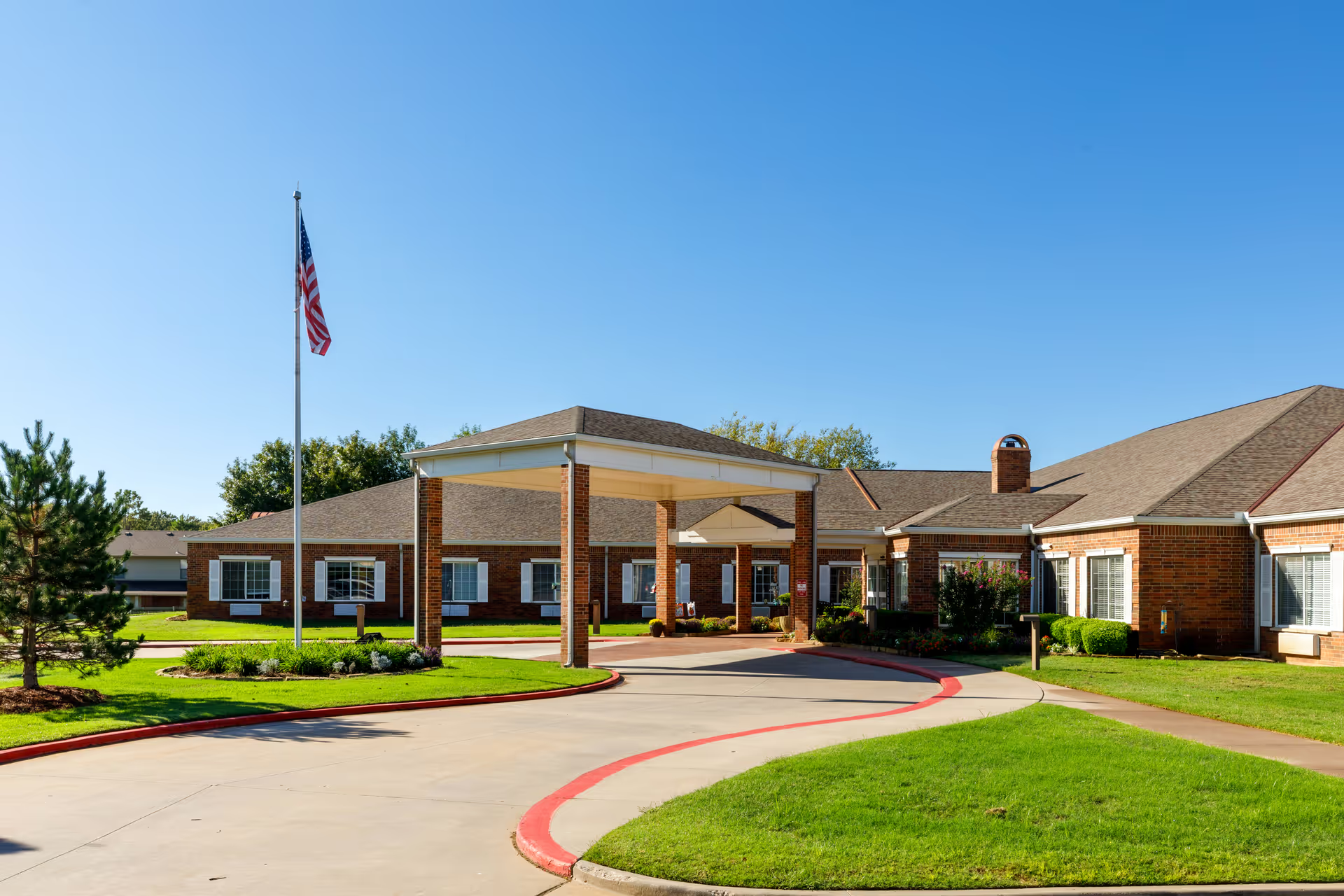
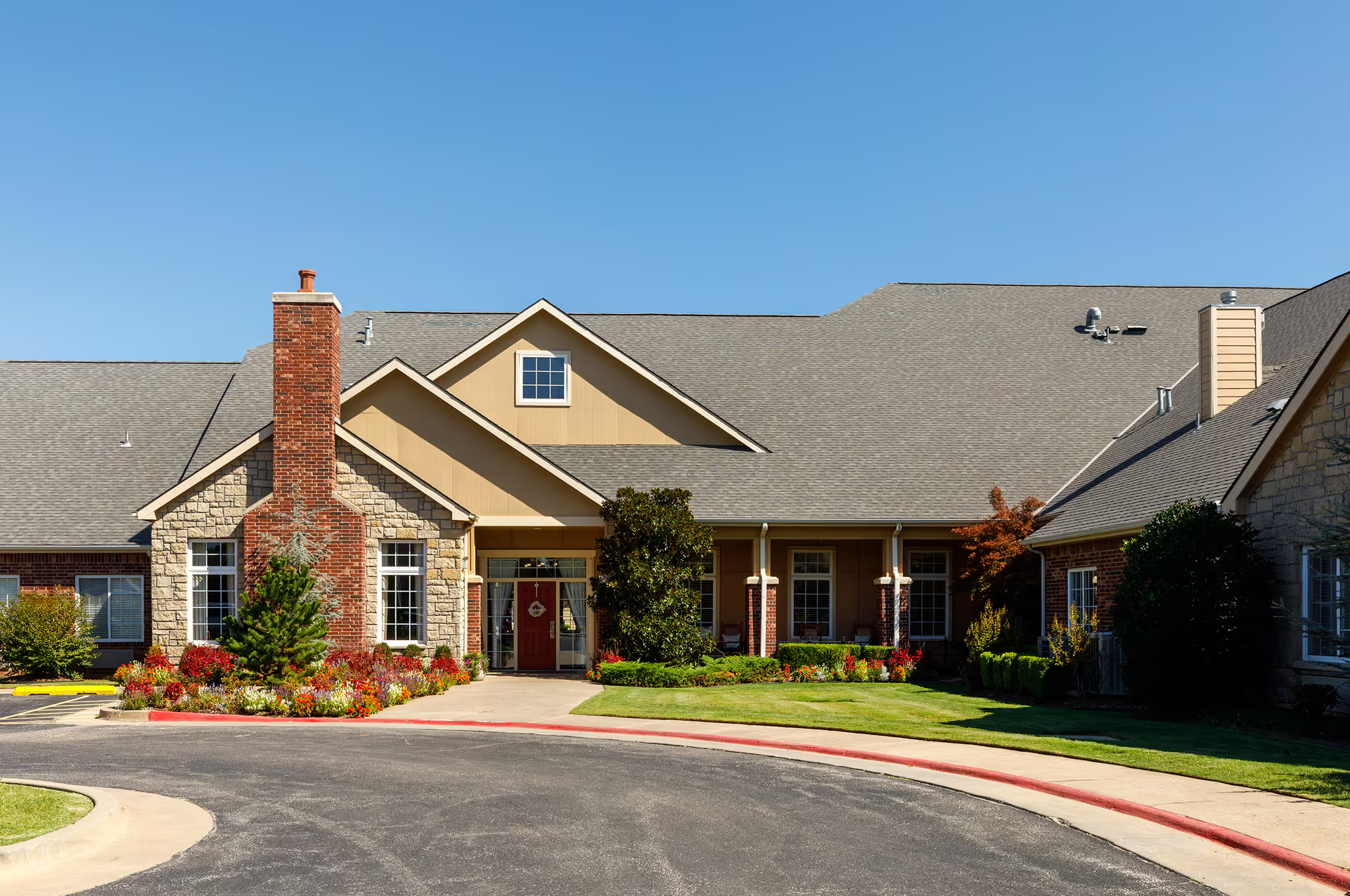
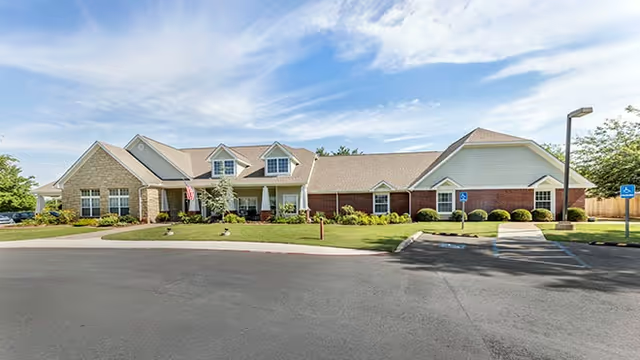
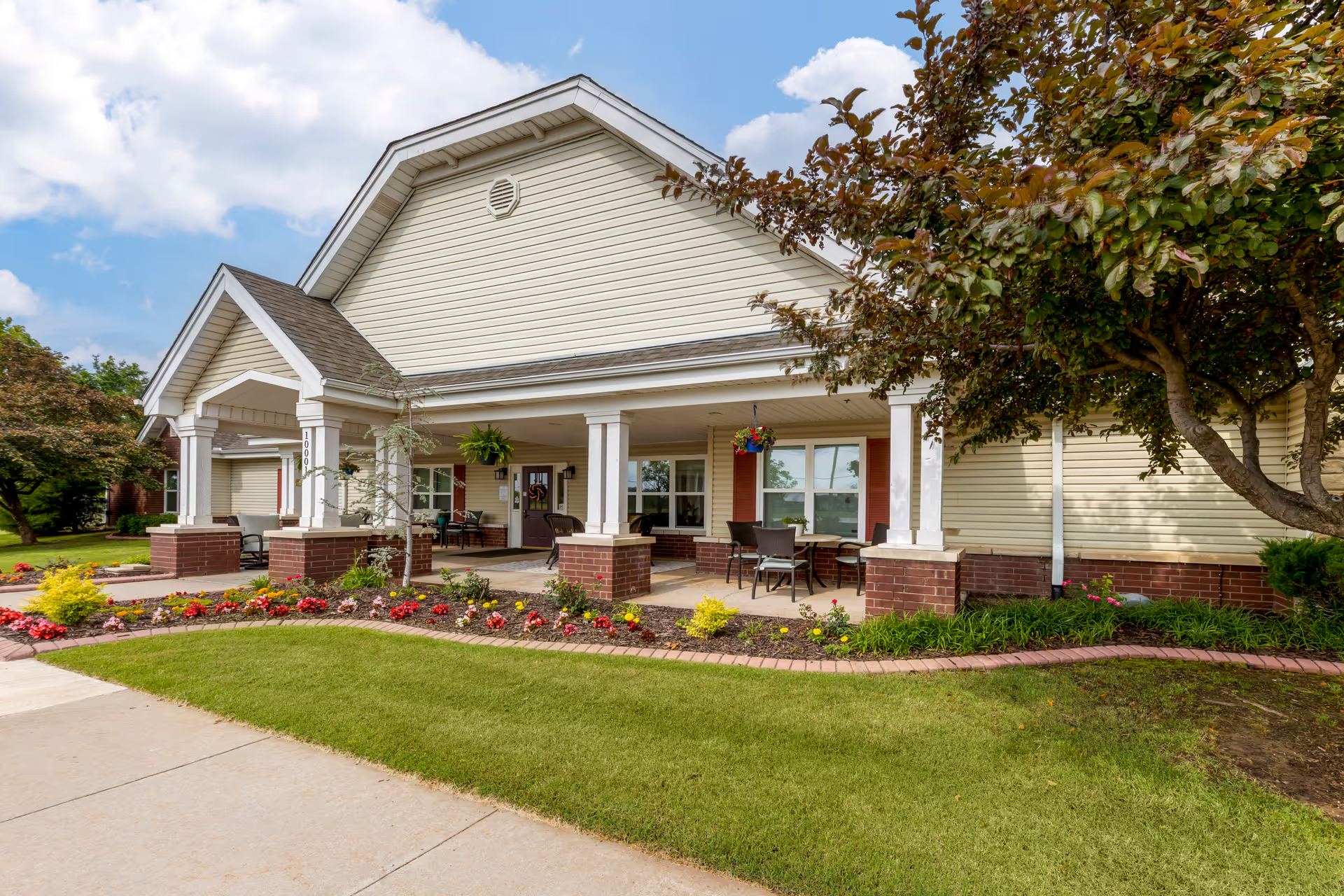
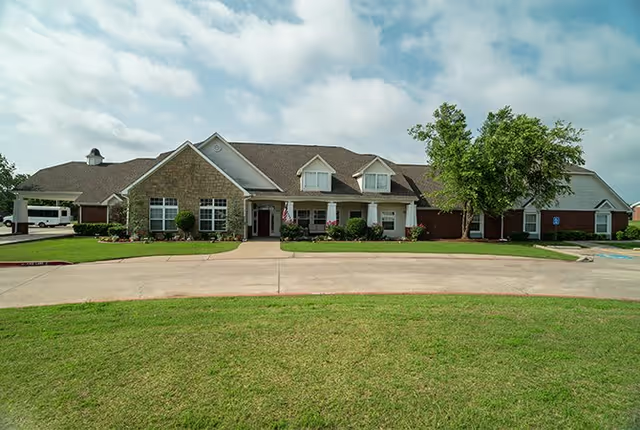
Dining, activities, and facilities: The facility and grounds are often described as clean and well kept, with a tranquil, small-campus feel that some families prefer over larger institutions. However, the building is older; dining and kitchen areas are described as dated and activity spaces are limited. For prospective residents who prioritize a robust activity program or modern communal dining spaces, the physical plant and program space warrant direct evaluation.
Notable patterns and guidance: Overall impressions range from strong endorsement to serious concern. The predominant positive themes are skilled wound care, attentive nurses, good communication, and successful rehab for many residents. The predominant negative themes are inconsistency in basic-care delivery, medication/clinical-response delays, staffing stability issues, and isolated but significant allegations related to financial conduct. Prospective residents and families should arrange an in-person tour, ask for current staffing ratios and shift coverage, review clinical escalation and medication-administration policies, request documentation of wound- and therapy-programs, and clarify financial controls and power-of-attorney safeguards. These targeted questions can help assess whether the facility's strengths align with a given resident's care needs and risk tolerance.