Overall impression: Cedar Ridge Senior Living elicits strongly mixed reactions. Many families praise the frontline caregiving team, on-site therapy, attractive grounds, and a range of amenities that create a homelike environment. At the same time, a recurring set of operational issues — staffing shortages, inconsistent clinical processes, and administrative breakdowns — produces uneven experiences across residents and families.
Care quality: Clinical strengths include an engaged head RN in some units, capable aides, and accessible on-site therapy services that several families described as beneficial. Positive accounts emphasize individualized attention, assistance with activities of daily living, and transitions from home care that improved quality of life for some residents. Conversely, reviewers describe gaps in basic clinical processes: delayed or missed medication administration, inconsistent bathing and toileting assistance, and limited clinical coverage for residents with higher acuity. The facility is not consistently positioned as a skilled‑nursing provider; families should verify whether Cedar Ridge can meet specific medical needs before placement.
Staff and leadership: Staff behavior is one of the clearest divides in the reviews. Many comments highlight compassionate, personable, and attentive caregivers, an effective activities team, and helpful reception or kitchen staff. Admissions and community-relations staff (several reviews named a particular director positively) are often singled out for being welcoming and thorough. At the same time, frequent reports of understaffing, high turnover, and mid‑residency management changes create variability in daily operations. These factors appear to affect continuity of care, response times, and morale among front‑line employees.
Dining and nutrition: Dining receives mixed but specific feedback. Positive notes include appetizing menus, puréed meal options that are palatable to some residents, and accommodating dietary modifications. Negative themes involve slow meal service at times, long waits in the dining room, and instances where supervision during meals was inadequate for residents who require assistance. Prospective families should observe a mealtime to assess pacing, portion sizes, and supervision for residents with swallowing or aspiration risk.
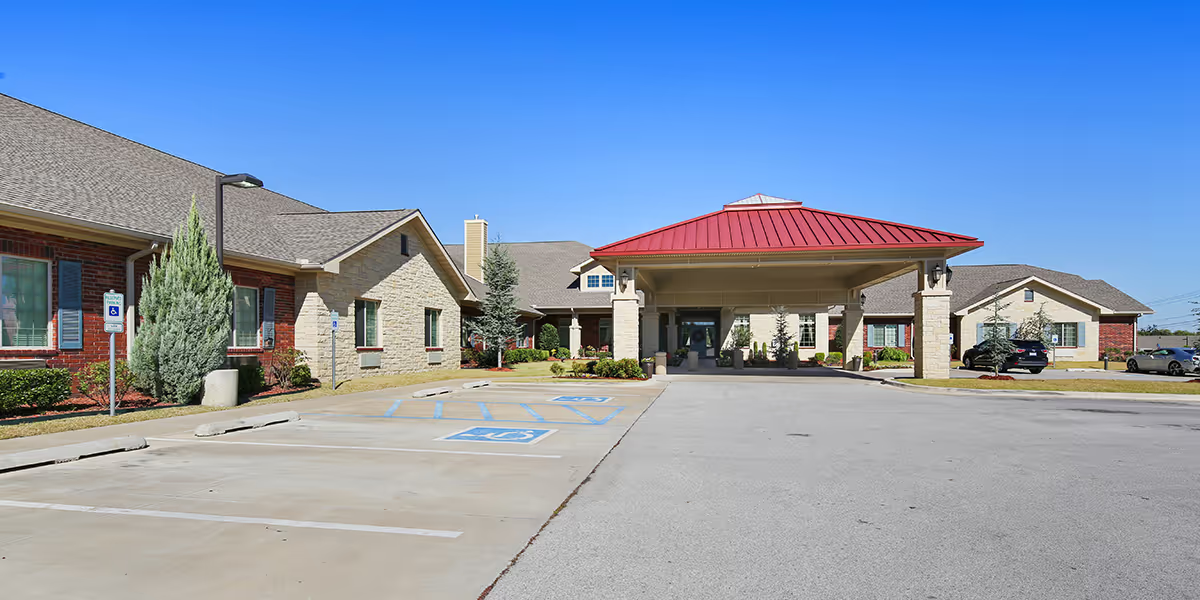
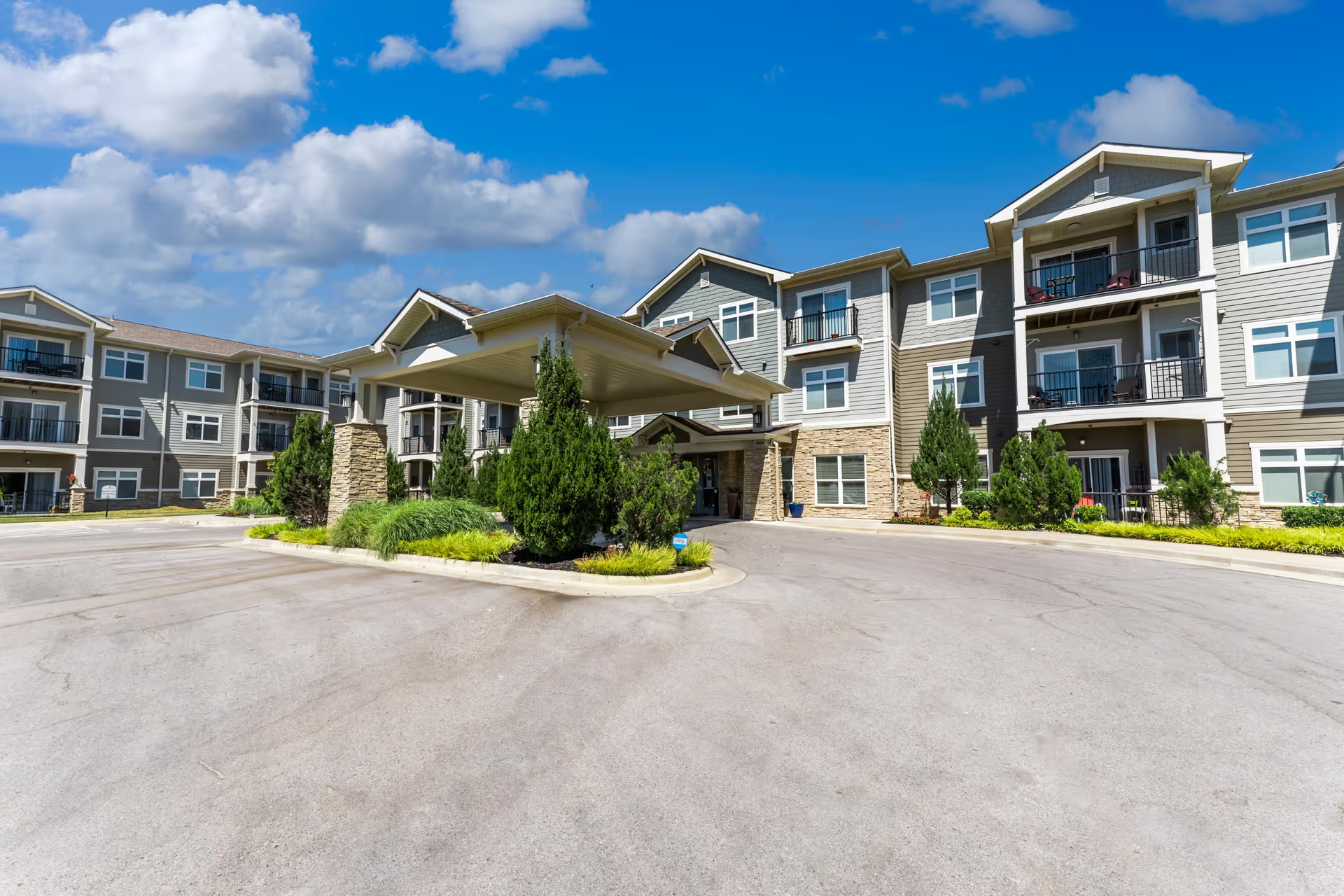
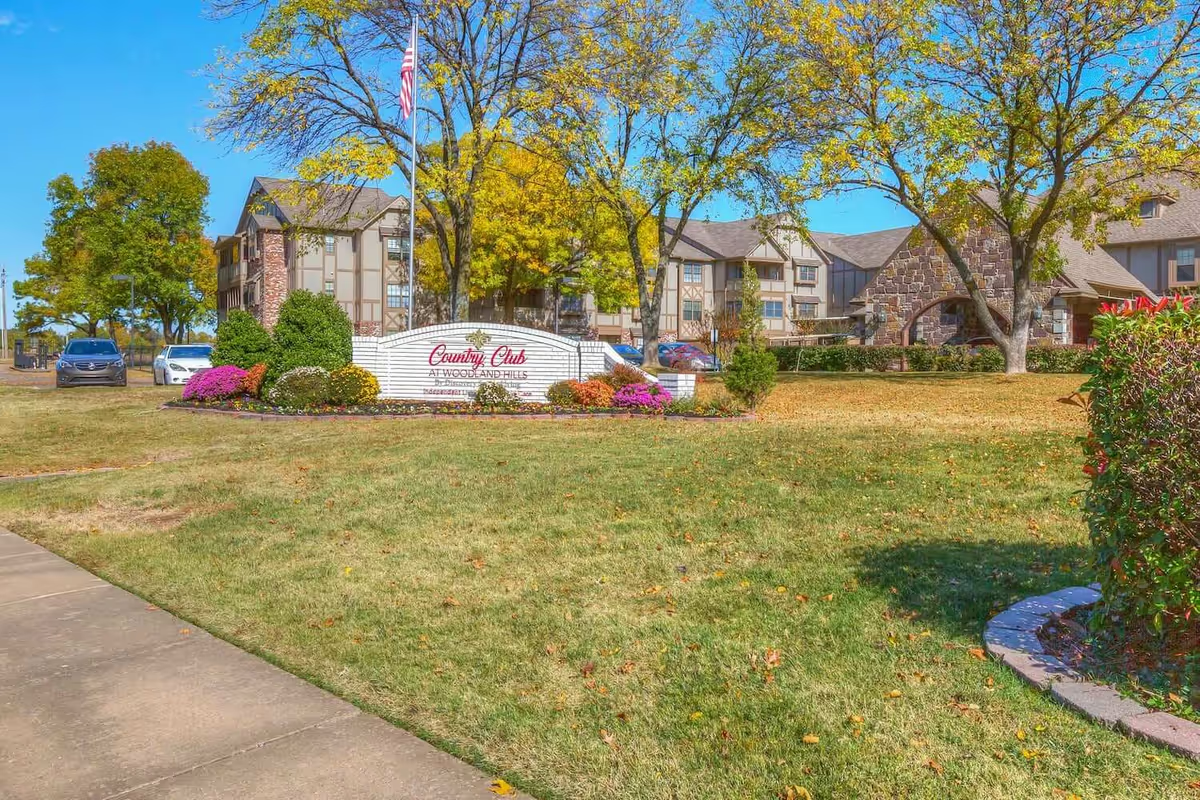
Activities and amenities: Activity programming and social events are frequently cited as strengths. Families note bingo, ice‑cream socials, weekly shopping runs, opportunities for family dining, and on‑site amenities such as a beauty shop, movie room, and walking areas. The property’s exterior, cottages, and single‑level layout are repeatedly described positively and contribute to a comfortable, small‑community feel for many residents.
Facilities and maintenance: The campus and grounds are often described as attractive and well maintained; several reviewers emphasize pleasant landscaping and interior updates. However, there are repeated mentions of deferred maintenance and slow response to work orders (carpet cleaning, lighting and signage, blocked closets, and other building repairs). Cleanliness is uneven according to the reviews — common areas and some rooms are noted as clean, while other comments point to sanitation concerns in certain units and bathrooms.
Management, communication, and administration: Administrative performance is inconsistent. Admissions and certain leadership figures receive praise for responsiveness and empathy. In contrast, business-office organization, billing accuracy, and communication practices are common areas of complaint: delayed or continuing charges after a resident’s death, unclear billing resolutions, and difficulty reaching corporate contacts. Families also reported lapses in notification practices (doorcode changes, event calendars, and after‑hours staffing information). There are mentions of alleged missing personal items and billing disputes in some cases; these raise concerns that prospective residents should review contract terms and inventory procedures closely.
Notable patterns and recommendations: The most consistent pattern is a bifurcated experience: for many residents the facility provides a warm, active environment with good therapy and attentive staff, while for others operational weaknesses — particularly understaffing, call‑response delays, medication administration lapses, and administrative errors — led to significant dissatisfaction. Prospective residents and families should perform targeted due diligence: observe staffing levels at different times of day (including evenings/weekends), review medication‑administration protocols, ask about on‑call physician coverage, inspect security and access procedures, verify maintenance response times, sample a mealtime, and clarify billing/contract terms. Speaking with current family members and requesting documentation of staffing ratios and incident-response policies can help reconcile the divergent experiences reflected in these reviews.