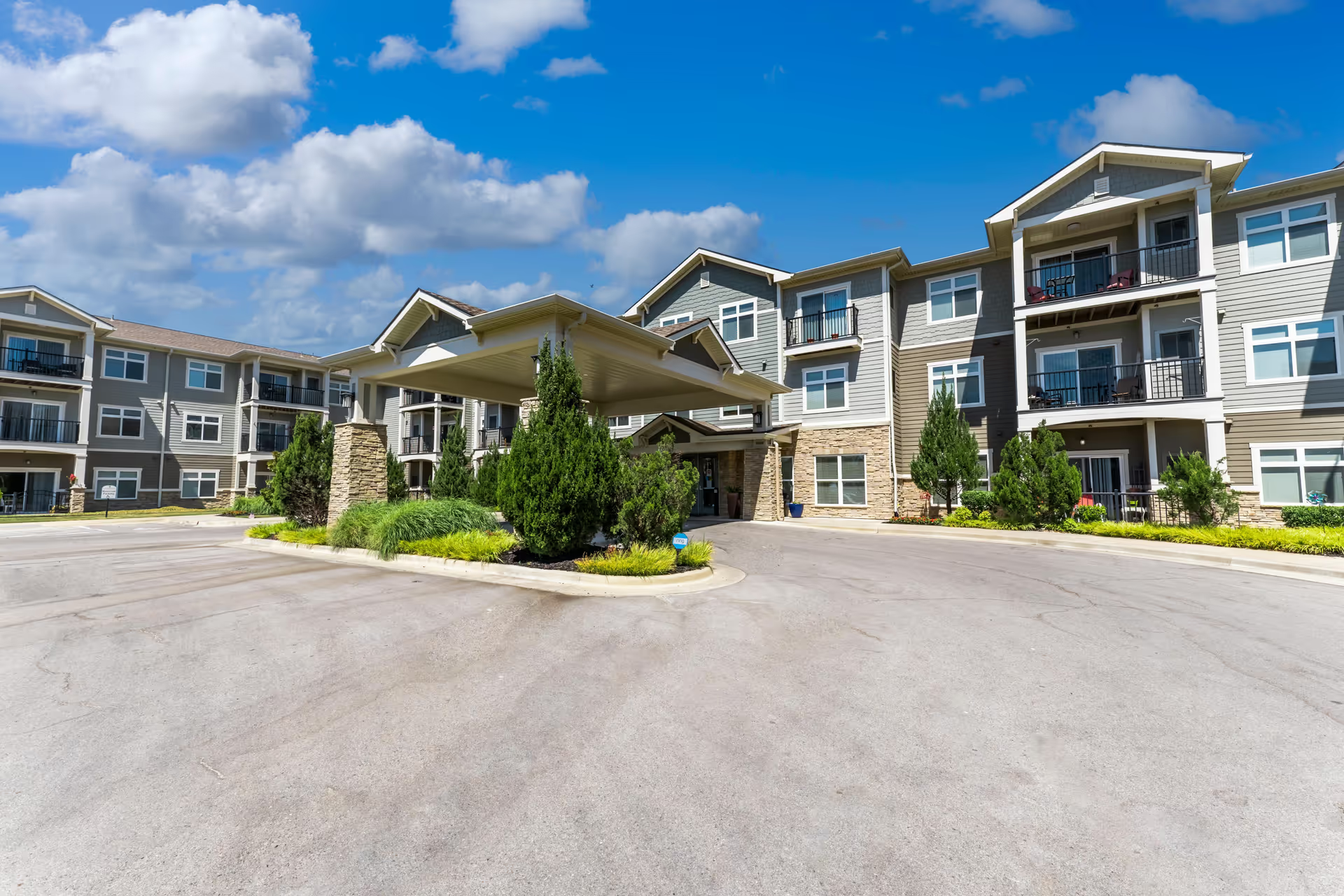
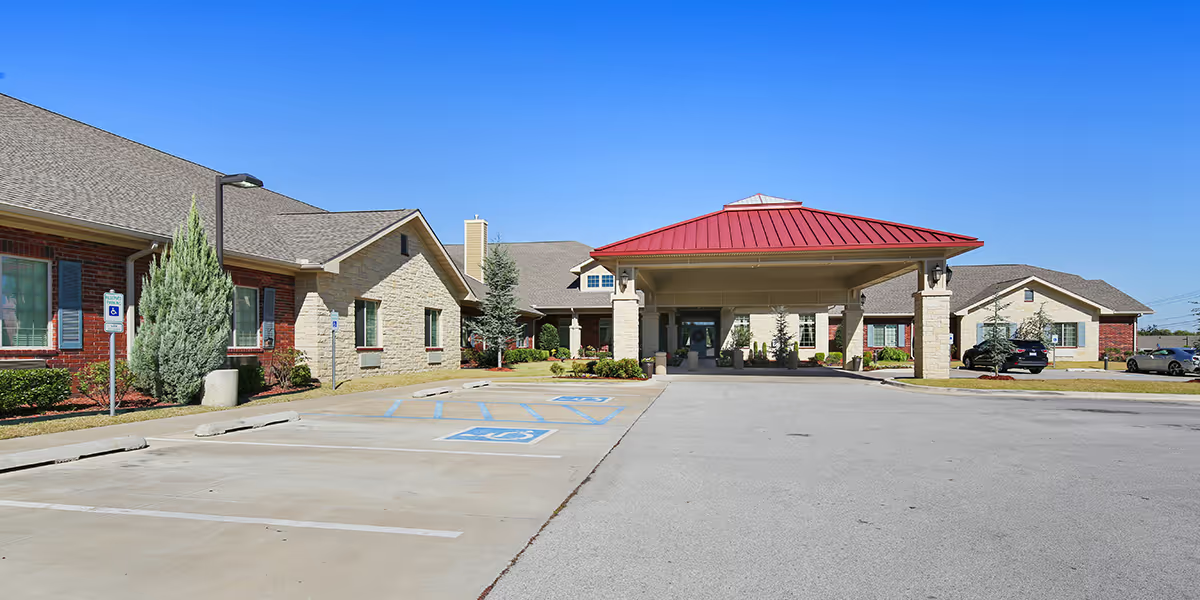
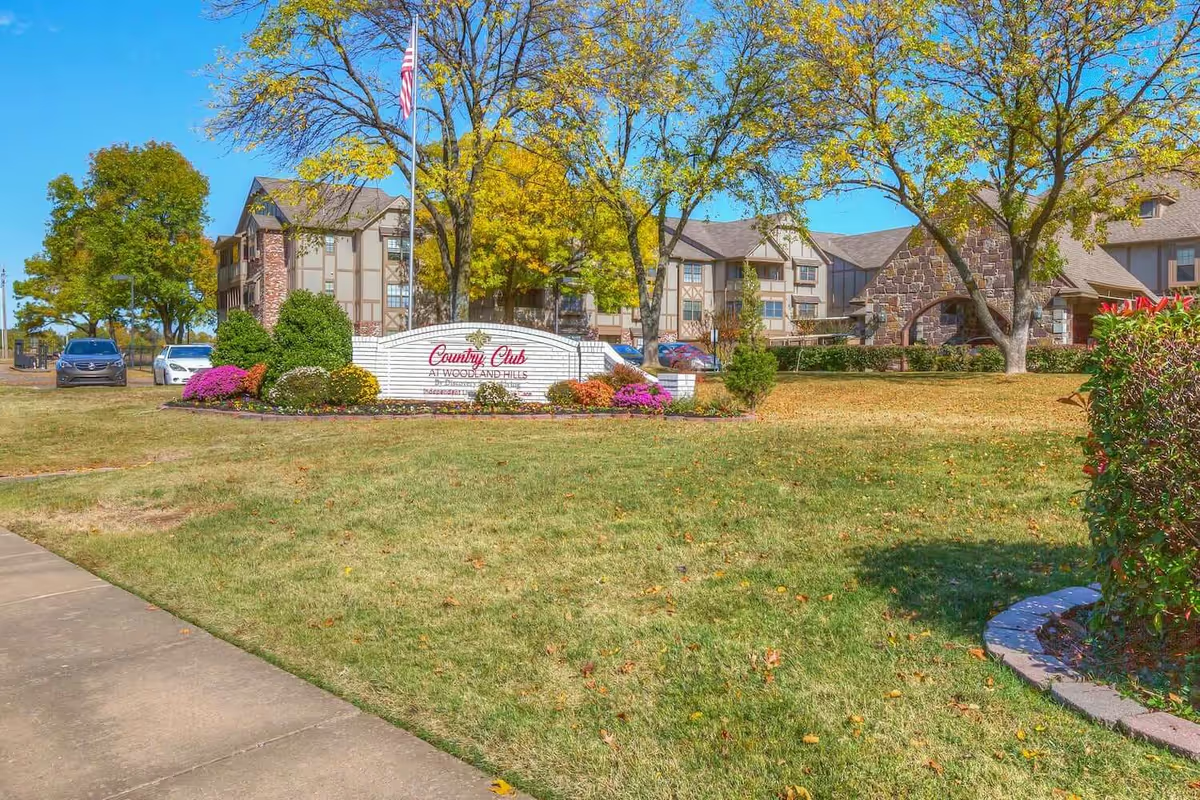
Forest Hills Assisted Living presents a mixed but largely positive profile. Many families describe a warm, resident-centered culture driven by staff who are attentive, familiar with residents’ names, and actively engaged in day-to-day life. The community is consistently praised for its strong activities program — including sing-alongs, music, bingo, exercise classes, bible study, outings, and an enthusiastic activities director — and for restaurant-style dining with generous portions and an on-site bistro. Apartments are frequently noted as spacious with large closets and bathrooms, and the single-story layout with a peaceful courtyard and small animal features is appealing for residents seeking a calm setting. On-site services such as salon visits, podiatry and physician rounds, weekly housekeeping, laundry service, and an accessible connection to skilled nursing add convenience for families.
Care quality receives both commendation and caution. Positive accounts highlight compassionate caregivers, attentive med-techs, prompt maintenance support, and administrators who respond to family concerns. Conversely, a subset of reviewers raised significant clinical concerns: inconsistent medication administration, missed or delayed assistance with personal care tasks (bathing, feeding, toileting), and instances where clinical communication to families about serious events was inadequate. These accounts point to operational gaps in medication management, ADL assistance, and incident-response protocols that warrant direct inquiry during a tour or admissions conversation.
Dining and programming are overall strengths with noted variability. Many residents and families report enjoyable meals and a bistro-style experience; however, there are recurrent comments about inconsistent meal quality, limited diabetic or therapeutic-menu options, and requests for more fresh fruit and vegetable choices. The activities program is robust and wide-ranging for assisted-living residents, but programming in the memory-care area is described as less consistent in frequency and variety.
Facility condition and operations show contrasts. Numerous reviewers describe clean, well-maintained common areas, responsive maintenance, and effective housekeeping routines. At the same time, reviewers also describe intermittent housekeeping and laundry lapses, maintenance issues in individual rooms (TVs, missing linens), construction-related dust, and occasional sanitation or property-maintenance lapses. Staffing stability is another mixed area: many reviews praise specific staff and leaders by name for going above and beyond, while other accounts cite high turnover and coverage variability that can affect continuity of care.
Management and communication earn repeated positive mentions for specific administrators and staff who are responsive and helpful; nevertheless, families should probe operational policies. Recommended questions for prospective families include: What are the medication-administration safeguards and auditing processes? How are staffing levels and coverage handled during high-need periods and staff turnover? What protocols exist for clinical incident notification to families? How are therapeutic-menu needs (e.g., diabetic diets) accommodated? What programming is in place specifically for memory-care residents? How are housekeeping and laundry issues tracked and resolved?
In summary, Forest Hills offers many attributes attractive to prospective residents — compassionate staff, strong social programming, accessible apartments, and useful on-site services — coupled with a few operational areas that have produced concerns for some families. A focused tour and targeted questions about clinical protocols, memory-care programming, meal accommodations, and housekeeping/maintenance processes will help determine whether the facility’s strengths align with an individual resident’s needs and risk profile.