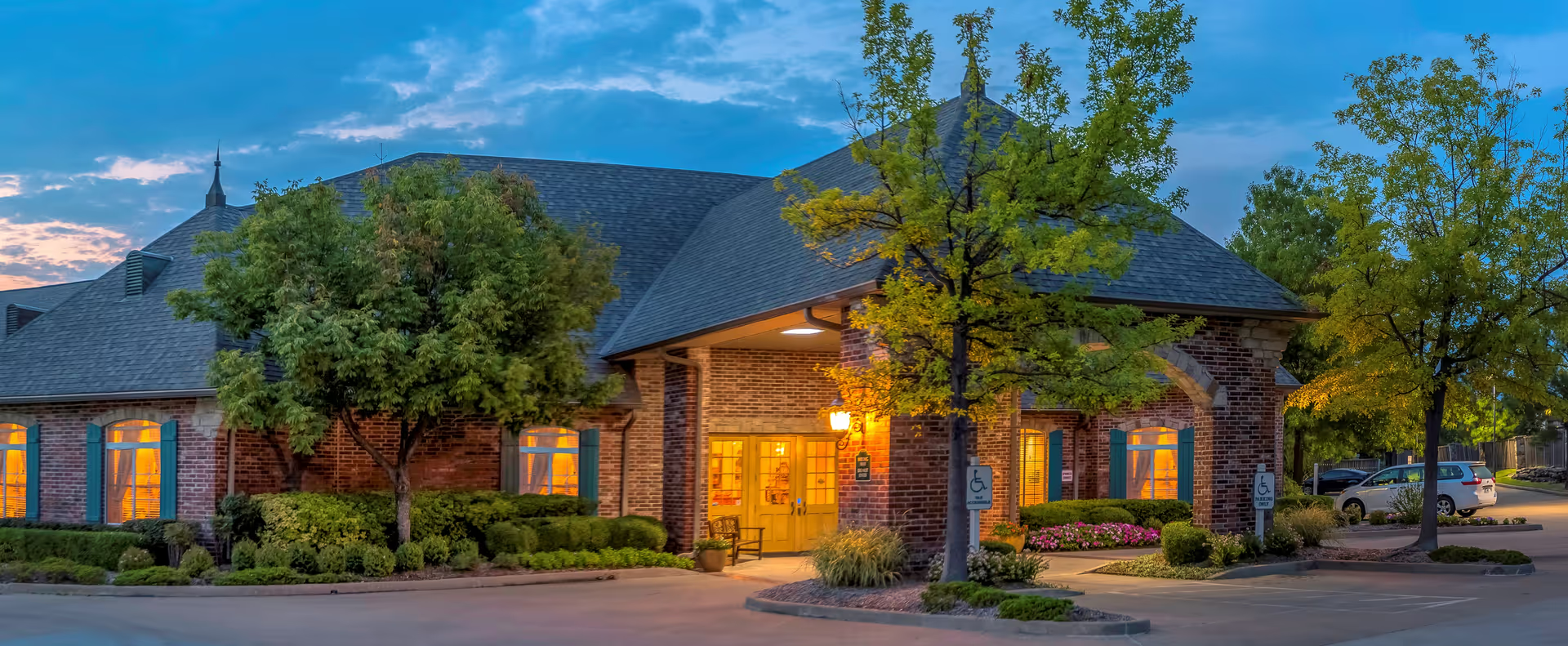
Reviewers describe a facility with clear strengths in rehabilitation services, many caring staff members, and a generally clean, activity-rich environment, but also with recurring operational weaknesses that affect resident experience. Physical and occupational therapy receive consistent praise: the on-site gym, modern rehab equipment, and skilled therapy staff are frequently described as effective in helping residents recover and transition to lower levels of care. Many families report warm, helpful interactions with individual caregivers and a welcoming, family-like atmosphere on day shifts; maintenance and admissions teams are credited with practical move-in support and setting up units for new residents.
At the same time, a pattern of staffing instability and uneven clinical oversight emerges across reviews. Evening and night staffing levels are described as inconsistent, with long waits for assistance and unanswered call lights; several accounts indicate reliance on temporary or agency staff. These staffing gaps tie into more serious operational concerns: delayed medication administration, missed or changed medication dosing without clear family communication, and episodes where clinical follow-up appeared insufficient. A number of families raised concerns about how the facility handles serious clinical events and communications with hospitals and external providers.
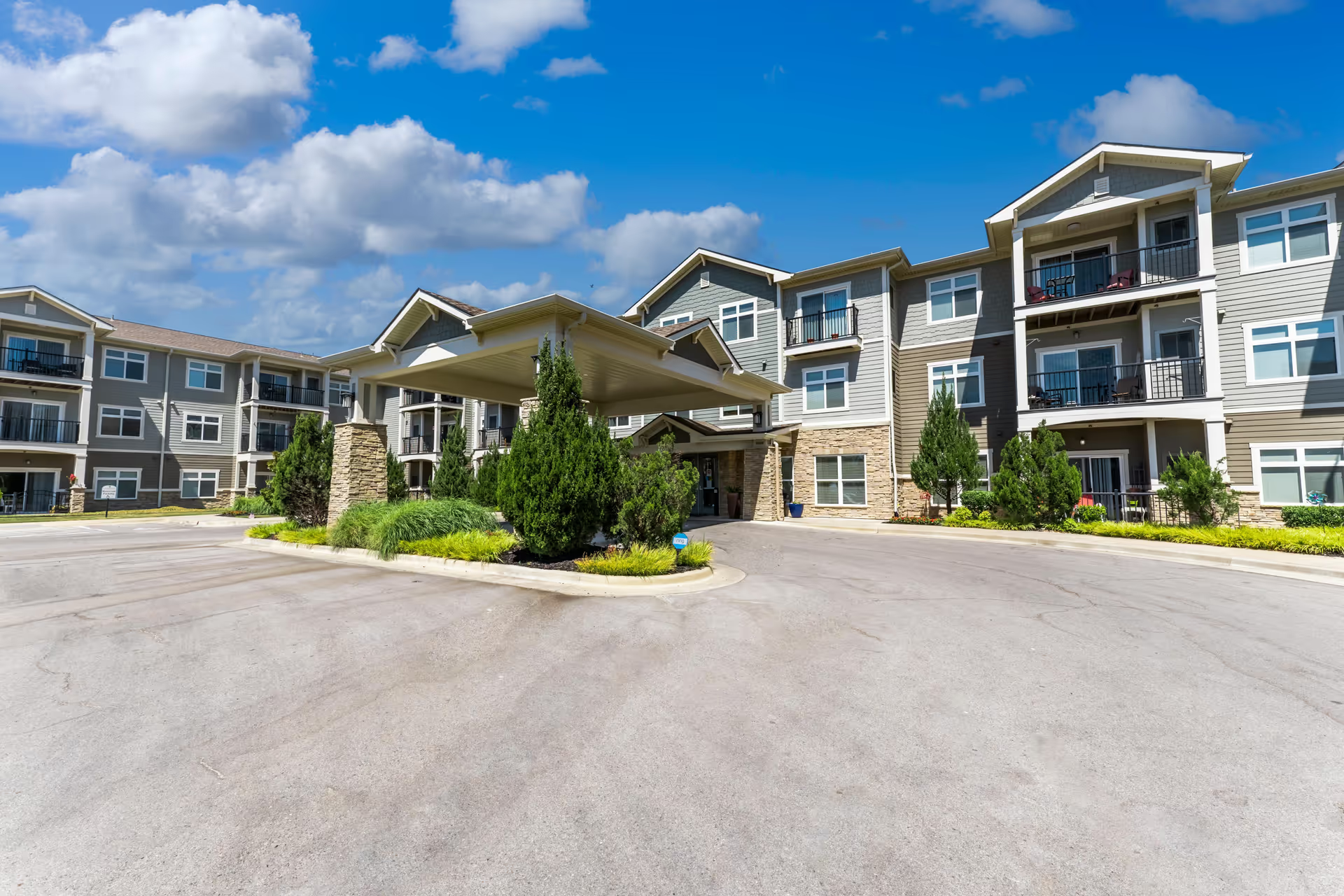
Dining, housekeeping, and building maintenance receive mixed feedback. Some reviewers note nutritious, home-cooked meals and clean common areas, while others cite limited menu variety, reheated preparation practices, and inconsistent food quality. The facility has undergone remodeling in parts, and those updated areas and the rehab gym are described positively; however, older wings report peeling finishes, occasional odor concerns, and unresolved maintenance requests. Technology and infrastructure limitations—unreliable wifi in back wings, absent in-room phones in some rooms—contribute to frustration for families and staff alike.
Management and communication are additional differentiators. Several reviewers praise visible, engaged leaders and recent administrative improvements, while others describe dismissive responses, delays in callbacks, and inconsistent follow-through on complaints. Reports of missing or misplaced personal items—and isolated allegations of theft—have undermined trust for some families. Activity programming and social engagement are widely cited as strengths when staffing and scheduling are consistent; organized outings, daily activities, and a range of communal spaces are appreciated by many residents and families.
In sum, Franciscan Villa shows demonstrable clinical and rehabilitative strengths and positive interpersonal culture in many units, but operational challenges—chiefly staffing consistency, medication and clinical oversight, communication, and maintenance in older sections—have created notable variability in resident experience. Prospective residents and families should weigh the facility's strong therapy offerings and caring staff against the potential for uneven night/evening coverage, inconsistent dining and maintenance in older areas, and the importance of clear communication and incident follow-up. Visiting multiple times across different shifts and speaking directly with therapy, nursing leadership, and administration about staffing patterns and medication protocols is advisable to assess current performance and alignment with an individual resident's needs.