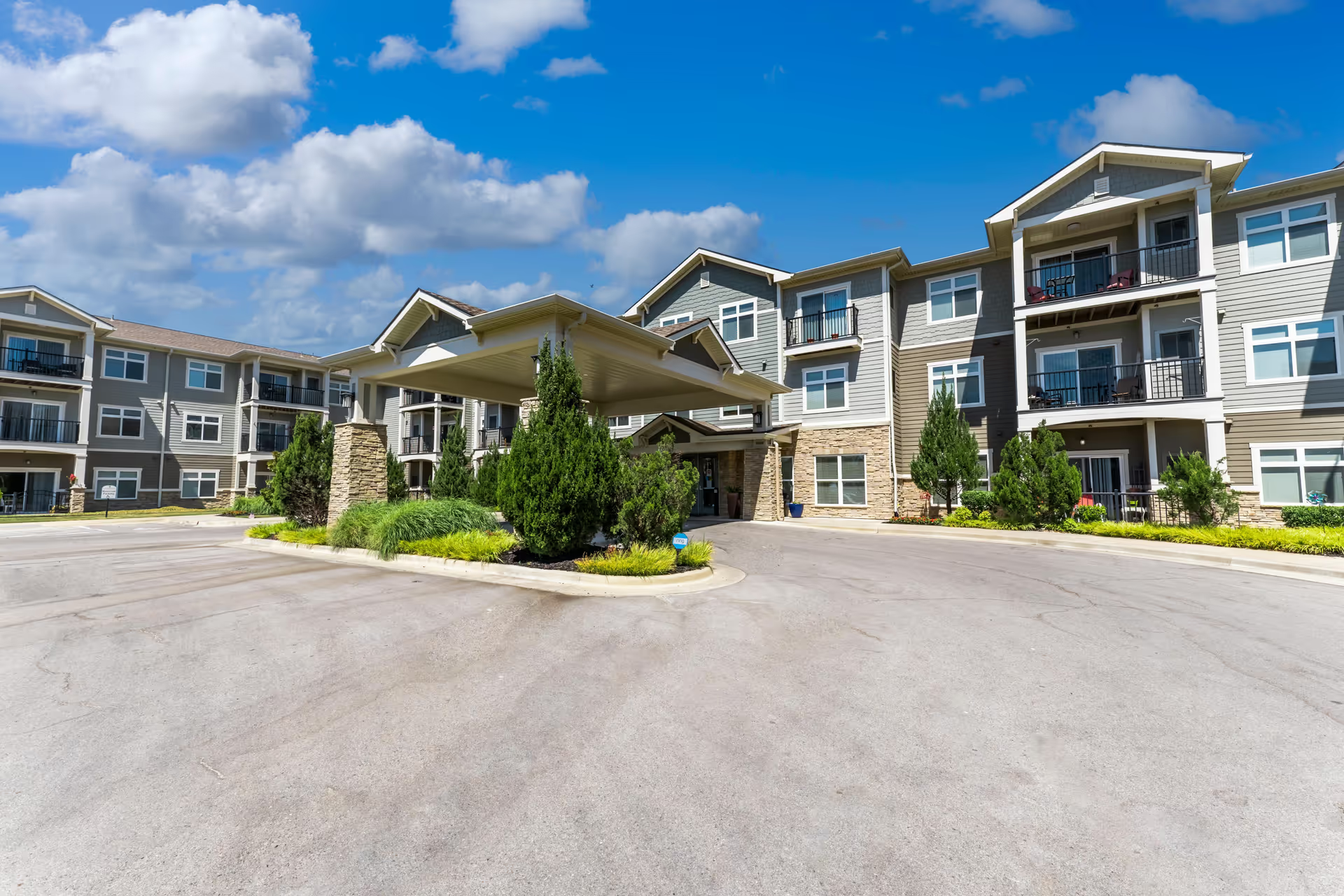
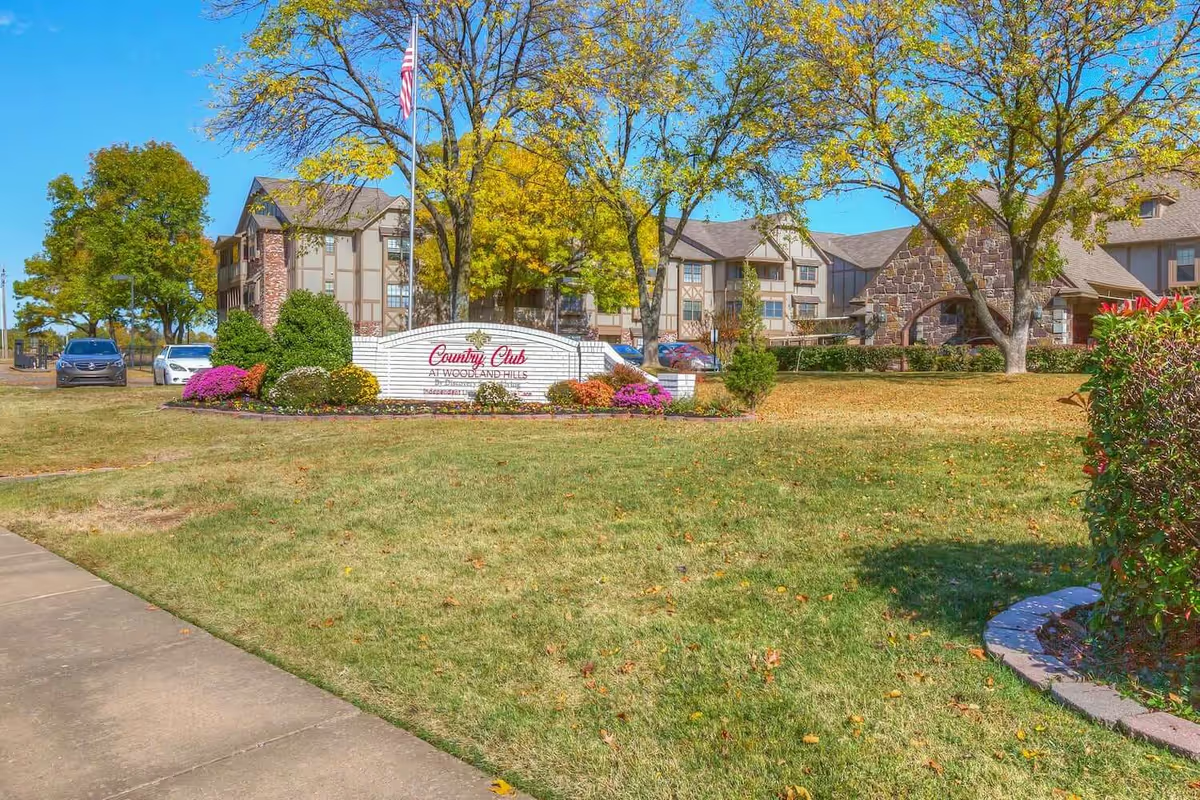
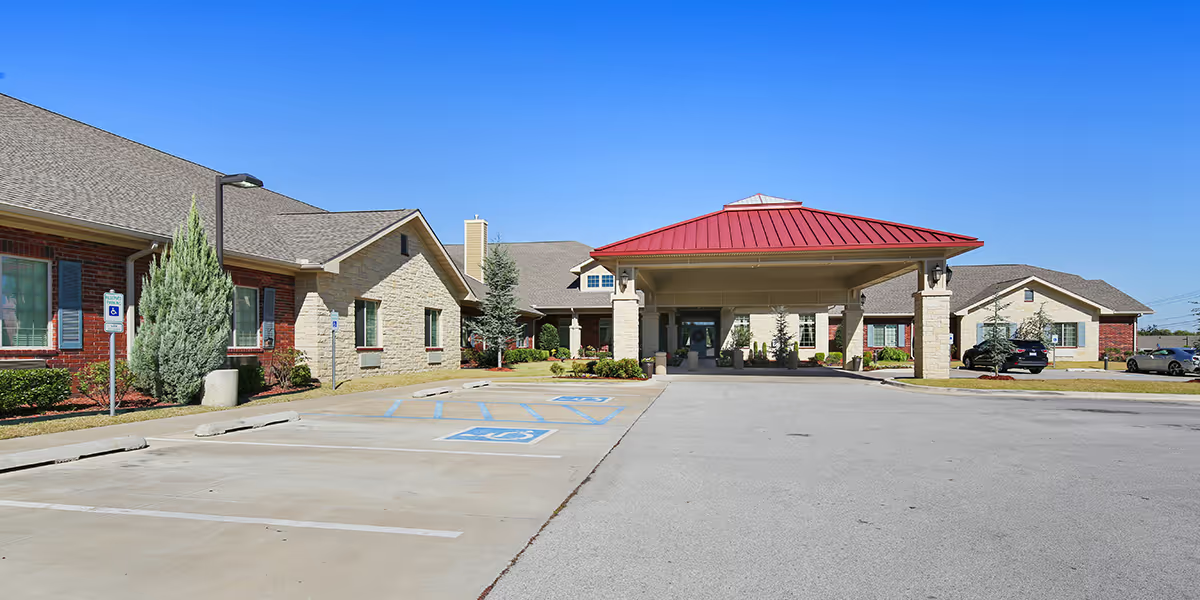
Prairie House presents as a modern, well-appointed assisted-living and memory-care community with several clear strengths. The physical environment is frequently described as clean, newly built, and home-like, with lodge-style common areas, courtyards, a fitness center, salon and spa, and a bar/lounge. The activities program is a consistent highlight: families cite an active schedule of crafts, puzzles, outings, religious gatherings, and special events, and multiple comments single out the activities director as a strong asset. Memory-care programming and social engagement receive repeated positive notes, and the community offers amenities that support clinical access, such as an onsite exam room and proximity to a hospital.
Care and staffing present a mixed picture. Many families praise individual caregivers, nurses, and the community’s responsiveness — including examples of proactive medical attention and 24/7 RN coverage. At the same time, reviewers describe recurring operational problems: high staff turnover, shortages (particularly overnight), and variability in caregiver experience. Those staffing inconsistencies are linked in several accounts to delays in assistance, missed elements of care plans, and uneven supervision. There are also substantive concerns about medication processes and order management that families identify as an operational weakness.
Dining and housekeeping show similar variability. The community's culinary program and restaurant-style dining are strengths for some residents; however, chef turnover and inconsistent kitchen performance contribute to uneven meal quality and service continuity for others. Housekeeping and laundry process gaps are reported, and several families raised sanitation-related concerns in particular areas, including odor concerns and issues with timely room upkeep. These are framed by reviewers as facility-level process gaps rather than isolated aesthetic issues.
Management and administration emerge as a notable source of dissatisfaction for a portion of families. Comments describe administrative disorganization, difficulty obtaining timely information or access codes, billing errors, and at least one reference to alleged financial misconduct and pending legal action. Communication between clinical staff and families — including notifications to hospice or about clinical incidents — is another recurring concern; conversely, other families reported clear, frequent photo/video updates and positive family engagement, indicating inconsistency in communication practices.
Notable patterns: there is a distinct split between families who experience attentive, high-quality day-to-day care and those who encounter operational failures linked to staffing, supervision, and administrative processes. Strengths include robust activities, attractive facilities, and, in many cases, compassionate frontline caregivers and nursing coverage. Weaknesses center on staffing stability, medication and monitoring controls, housekeeping consistency, and administrative reliability.
For prospective families: focus tours and conversations on current staffing ratios (including overnight), medication-administration protocols and audit practices, resident-monitoring and exit-control procedures, housekeeping and laundry schedules, culinary leadership stability, communication protocols with families and hospice, billing practices, and bed-availability/transition planning. Asking for recent examples of how the community addressed clinical incidents or complaints may help clarify how operational issues are managed in real time.