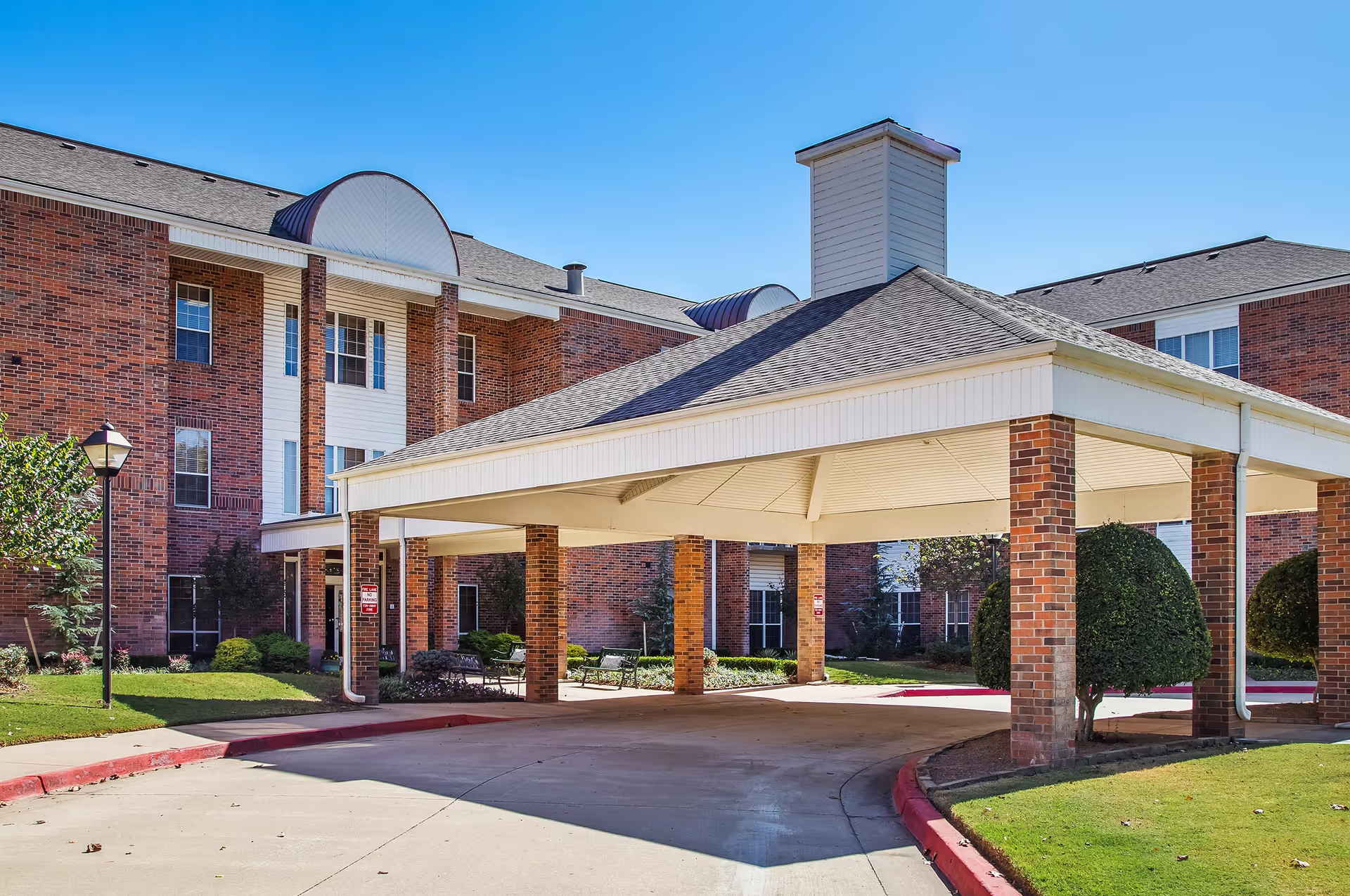
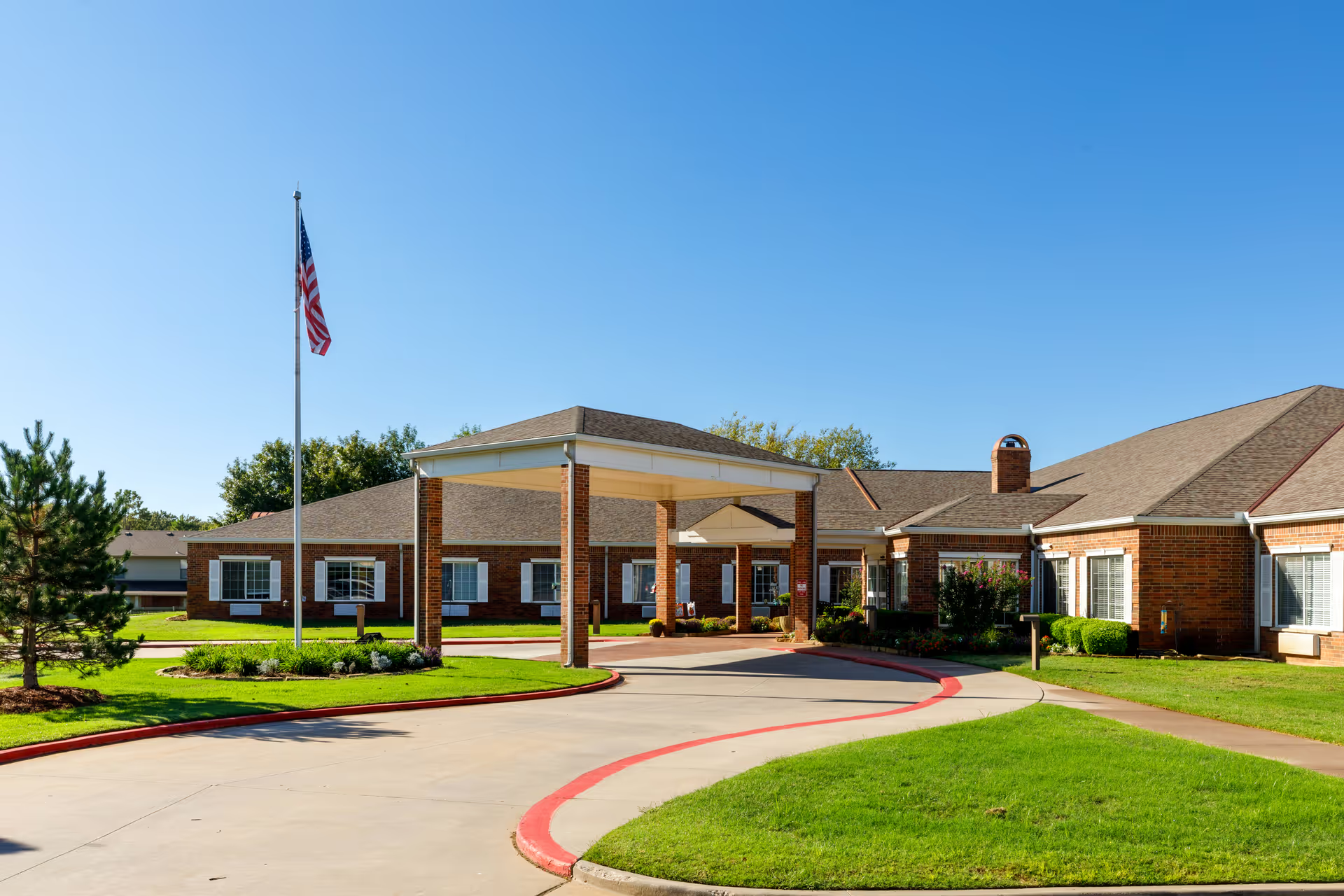
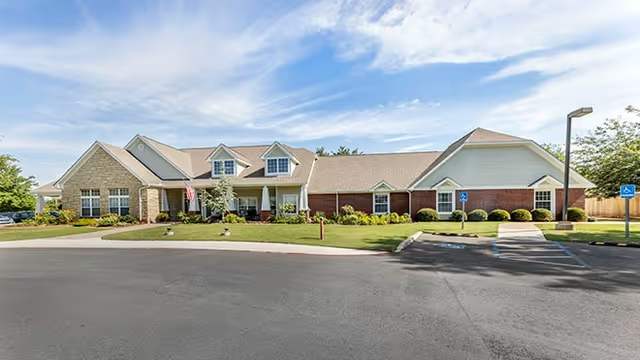
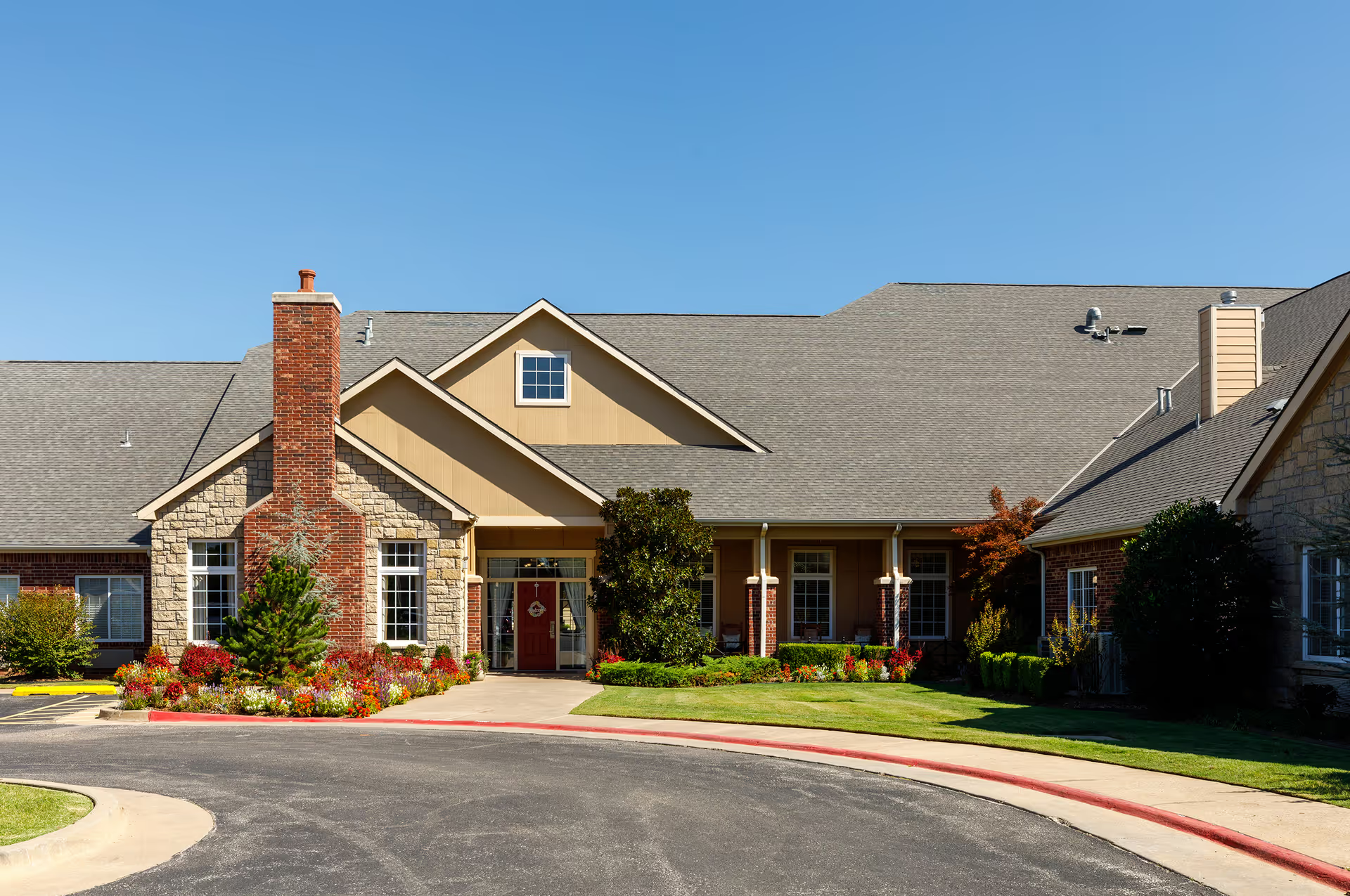
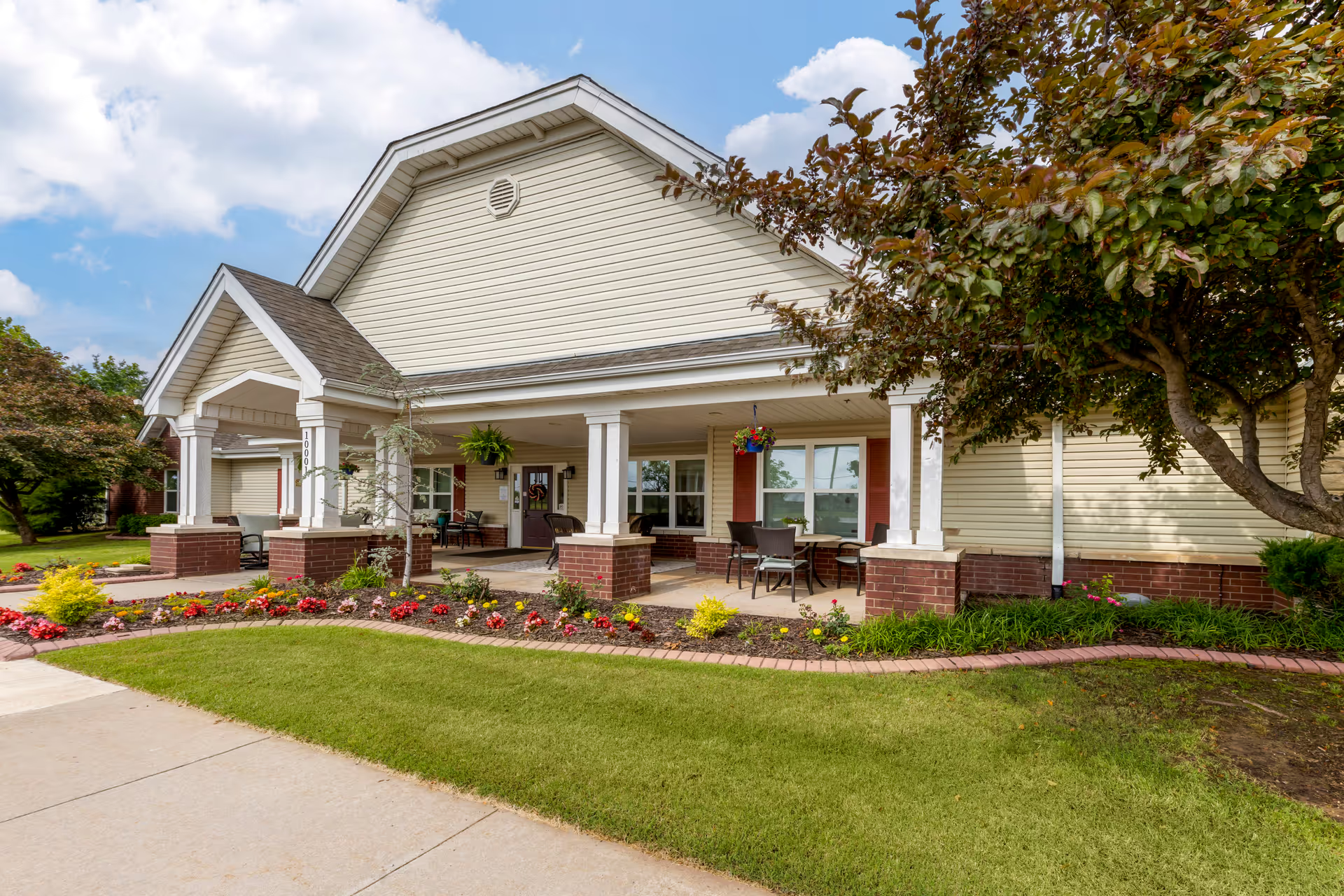
West Wind Assisted Living presents a mixed picture characterized by strong interpersonal strengths and some operational weaknesses. Many reviewers emphasize a warm, family-like atmosphere created by compassionate staff and approachable leadership; staff members are often described as friendly, accommodating, and attentive, and the administrator and management are noted as accessible. The facility’s locally owned status is viewed positively by some families, and regulatory history cited by reviewers includes multiple state inspections without cited deficiencies.
Care quality appears uneven. Positive accounts highlight individual caregivers who are responsive and easy to work with, and families point to hassle-free caregiving in some cases. Conversely, there are serious concerns about clinical oversight for residents with cognitive impairment, including questions about risk assessment and monitoring. These concerns are operational in nature: they suggest gaps in assessment processes, decision-making protocols, and follow-up care rather than isolated interpersonal critiques. Several reviewers also described a need for families to provide close oversight, which indicates variable consistency in care coordination and handoffs.
Dining and activities are important strengths for many residents. The activity program is described as engaging, with active directors organizing outings such as plays and dinners. Dining is frequently praised for its restaurant-style menu and enjoyable meals; however, other reviewers describe inconsistent meal quality and kitchen reliability, indicating variability in food service execution. Prospective residents should ask about menu rotation, special-diet accommodations, and recent changes in kitchen staffing.
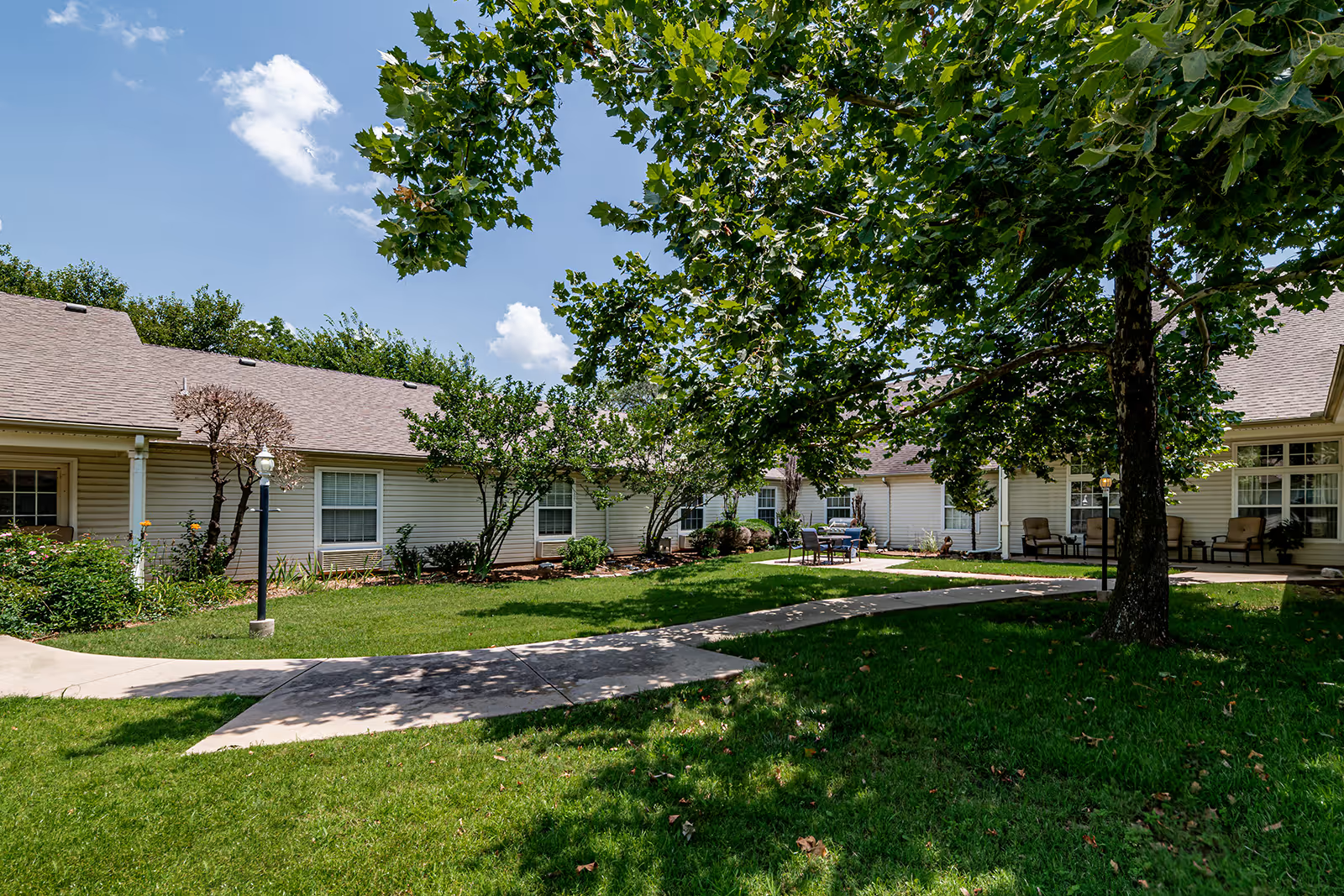
Facility condition and services show both positives and lapses. Resident rooms and common areas are commonly described as spacious and clean, and services such as laundry, trash pickup, and transportation to appointments are available. At the same time, some reviewers report inconsistent housekeeping and maintenance follow-through (for example, intermittent hot-water availability and issues with trash or shower scheduling). These operational gaps translate into uneven day-to-day experiences depending on unit or staff assignment.
Management and organizational culture present mixed impressions. Several reviewers praise accessible management and an administrator who is engaged; others characterize management as inconsistent, with underpaid staff and a need for micromanagement from families to ensure desired outcomes. There are also comments about limited external communication or transparency, which families interpreted as reduced visibility into operational changes.
Notable patterns for prospective residents and families: the facility’s interpersonal strengths (compassionate caregivers, welcoming atmosphere, active programming) are real advantages, but they coexist with operational inconsistencies in clinical oversight, housekeeping/maintenance, and meal service. Because of the variability described, visitors should focus on clarifying clinical policies (especially assessment and monitoring for cognitive impairment), staffing levels and turnover, meal-service procedures, maintenance responsiveness, bathing/personal-care schedules, and the facility’s approach to family communication and incident reporting. A tour, direct conversations with the nursing director and administrator, and follow-up questions about recent inspections and staffing stability will help families evaluate whether West Wind’s strengths align with their expectations and care needs.