Reviews describe a facility with clear strengths in therapy, environment, and certain staff roles, alongside recurrent operational weaknesses that affect clinical reliability and family confidence.
Care quality: Physical, occupational, and speech therapy are frequently praised for effectiveness and engagement; many families credited therapy staff with strong rehabilitation outcomes. Nursing and aide care elicit mixed impressions. Some caregivers are described as compassionate and attentive, while other accounts indicate inconsistent clinical attention, delayed medication administration, gaps in documentation, and variability in personal-care routines. Several comments raise concerns about safety oversight (falls, unattended alarms) and end-of-life symptom control and dignity; these are described as serious by families and suggest the need for clearer clinical protocols and escalation pathways.
Staff and supervision: Staffing levels and allocation emerge as a central operational issue. Reviewers indicate chronic understaffing, especially on nights and weekends, frequent use of temporary staff, and uneven skill or supervision across shifts. This pattern is associated with delayed responses to call lights, missed assistance, and variability in routine care. Positive examples of individual staff members and unit leaders are noted repeatedly, which suggests the facility retains capable personnel but struggles with consistent coverage and leadership continuity.
Dining and activities: The facility's physical dining environment, meal-choice offerings, and programming receive positive feedback. Many families mention a varied activities calendar (bingo, arts and crafts, music) and pleasant communal spaces. However, meal quality and service continuity are uneven — weekend dietary staffing and meal temperature/quality are occasional problems in reviews — indicating variability in culinary service rather than an absence of offerings.
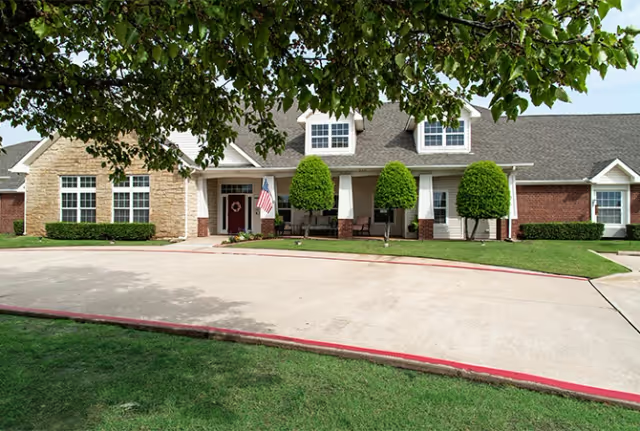
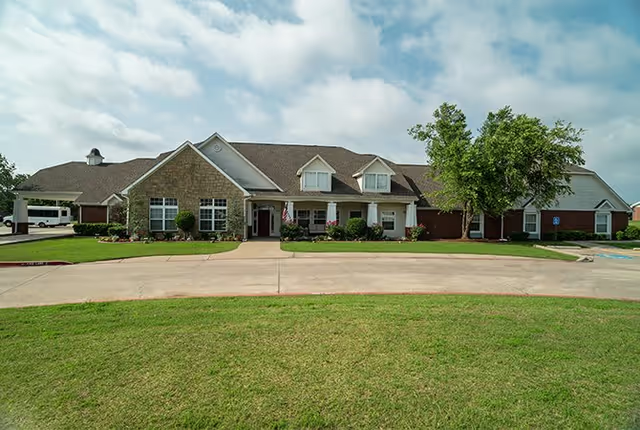
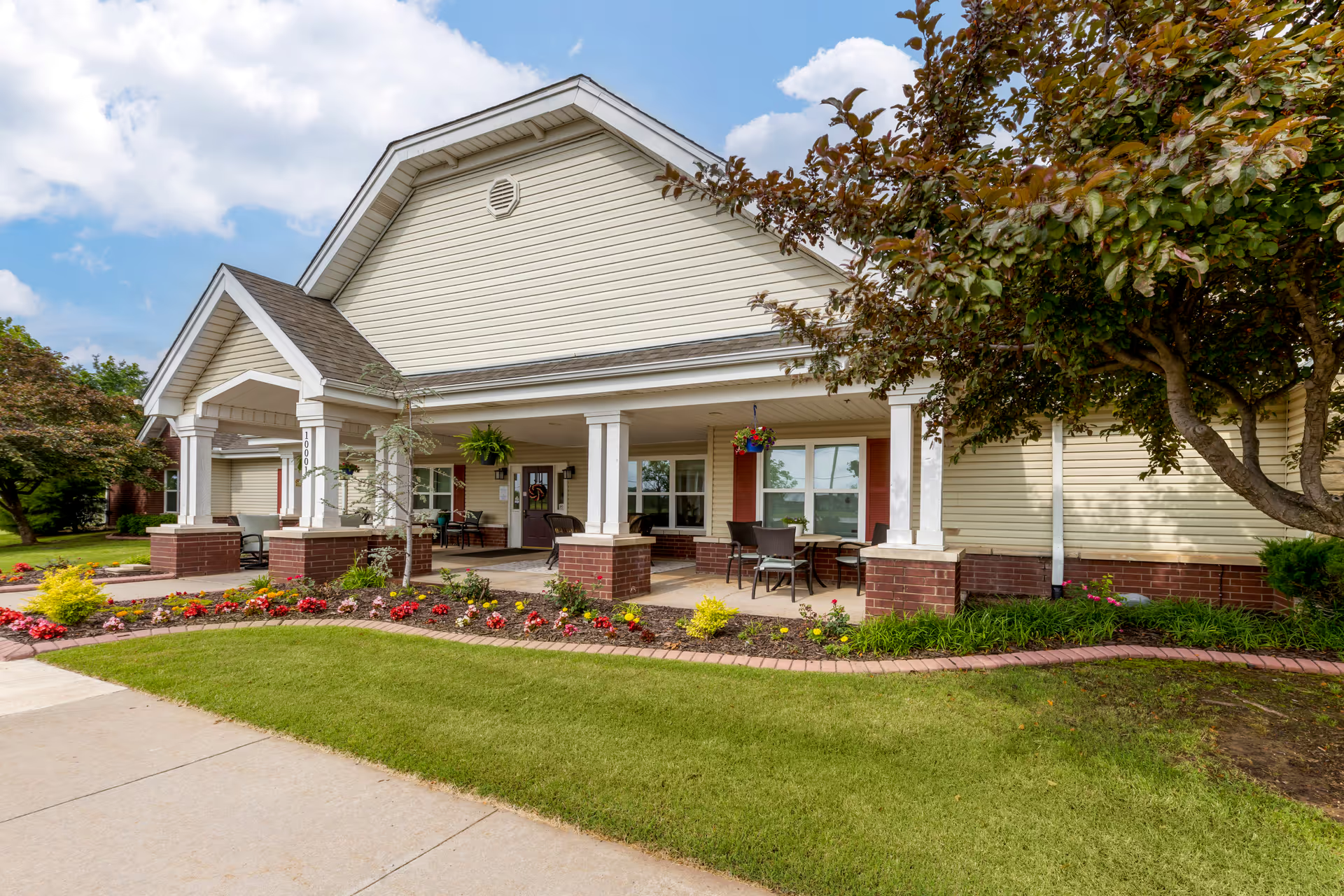
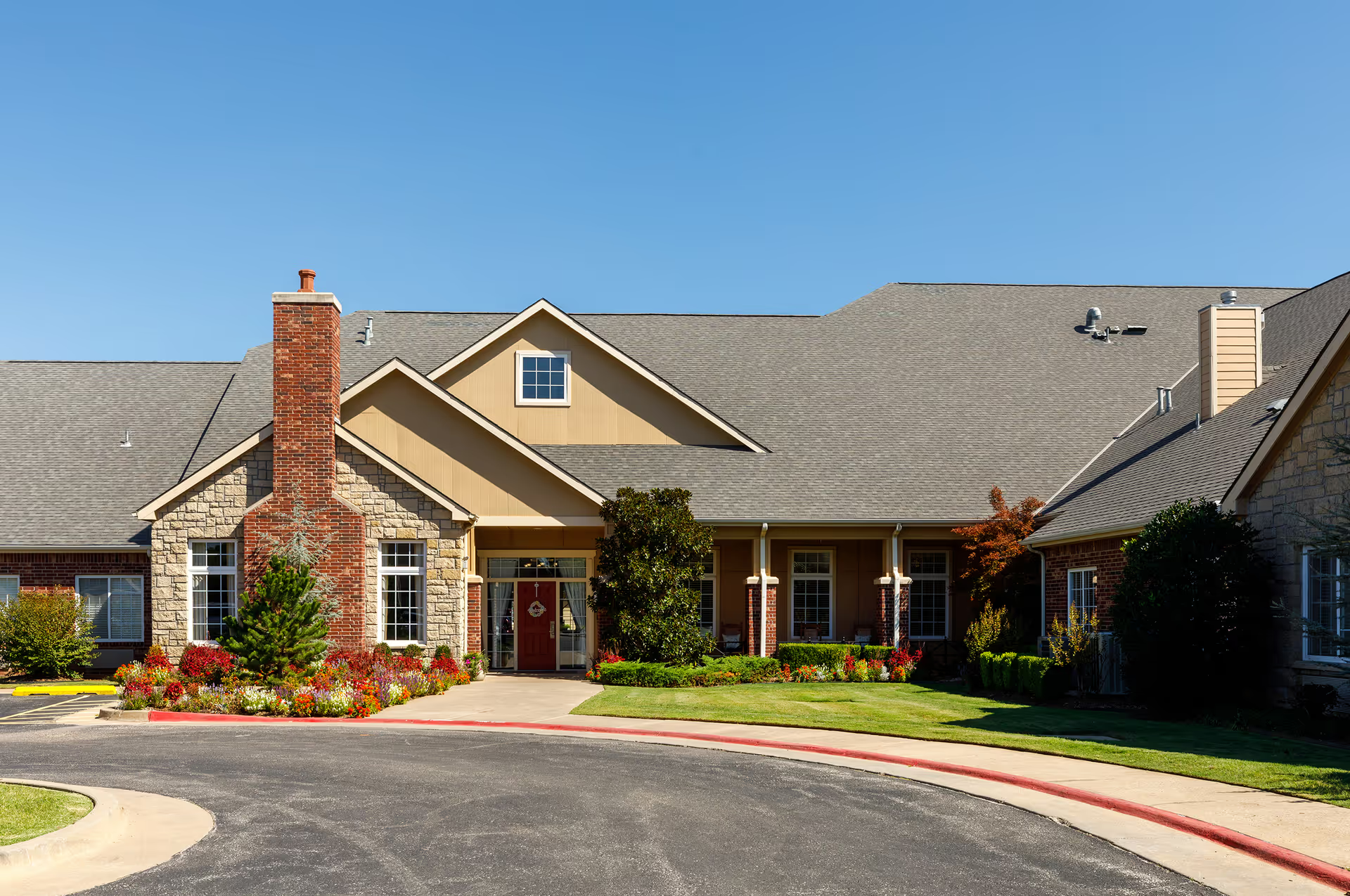
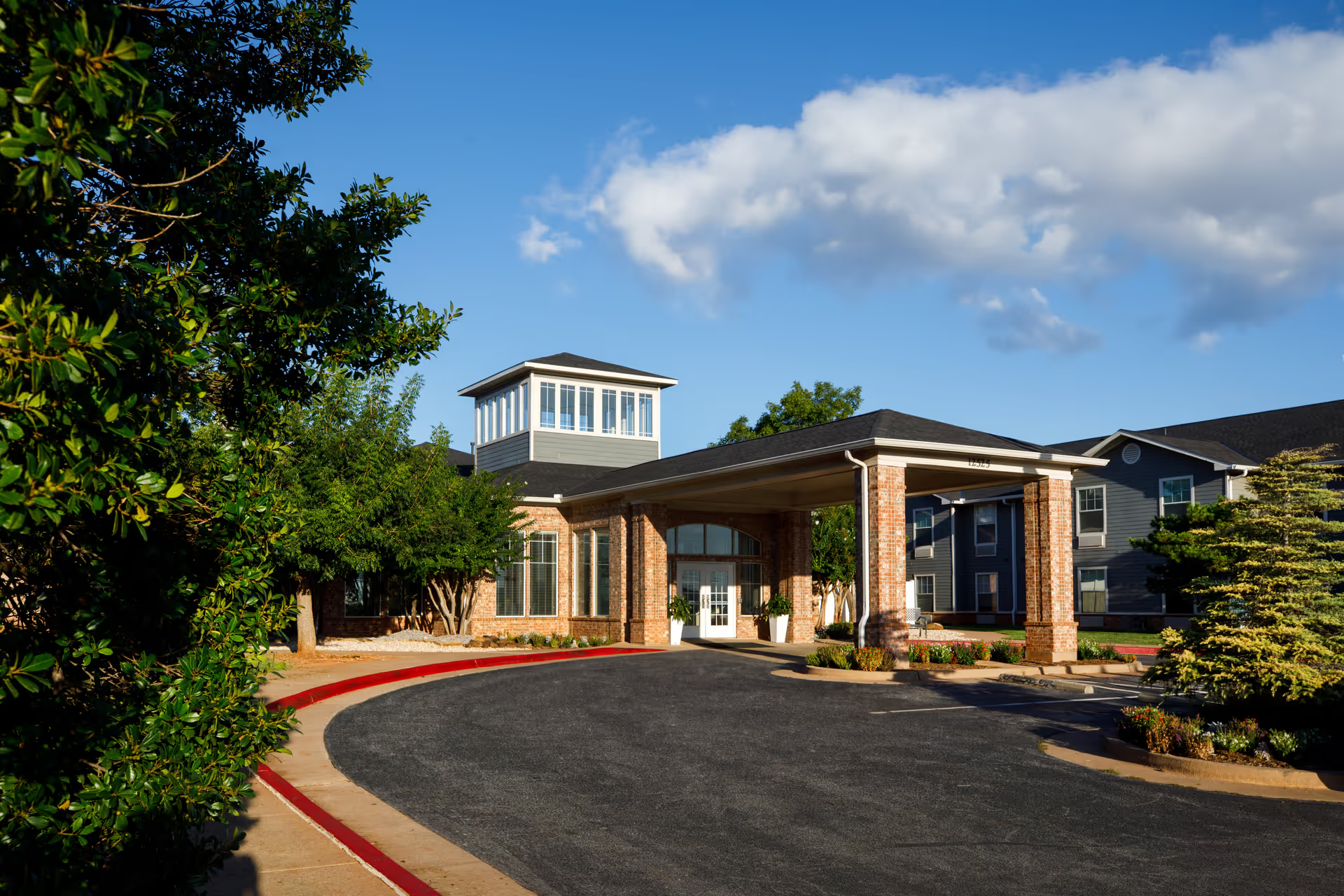
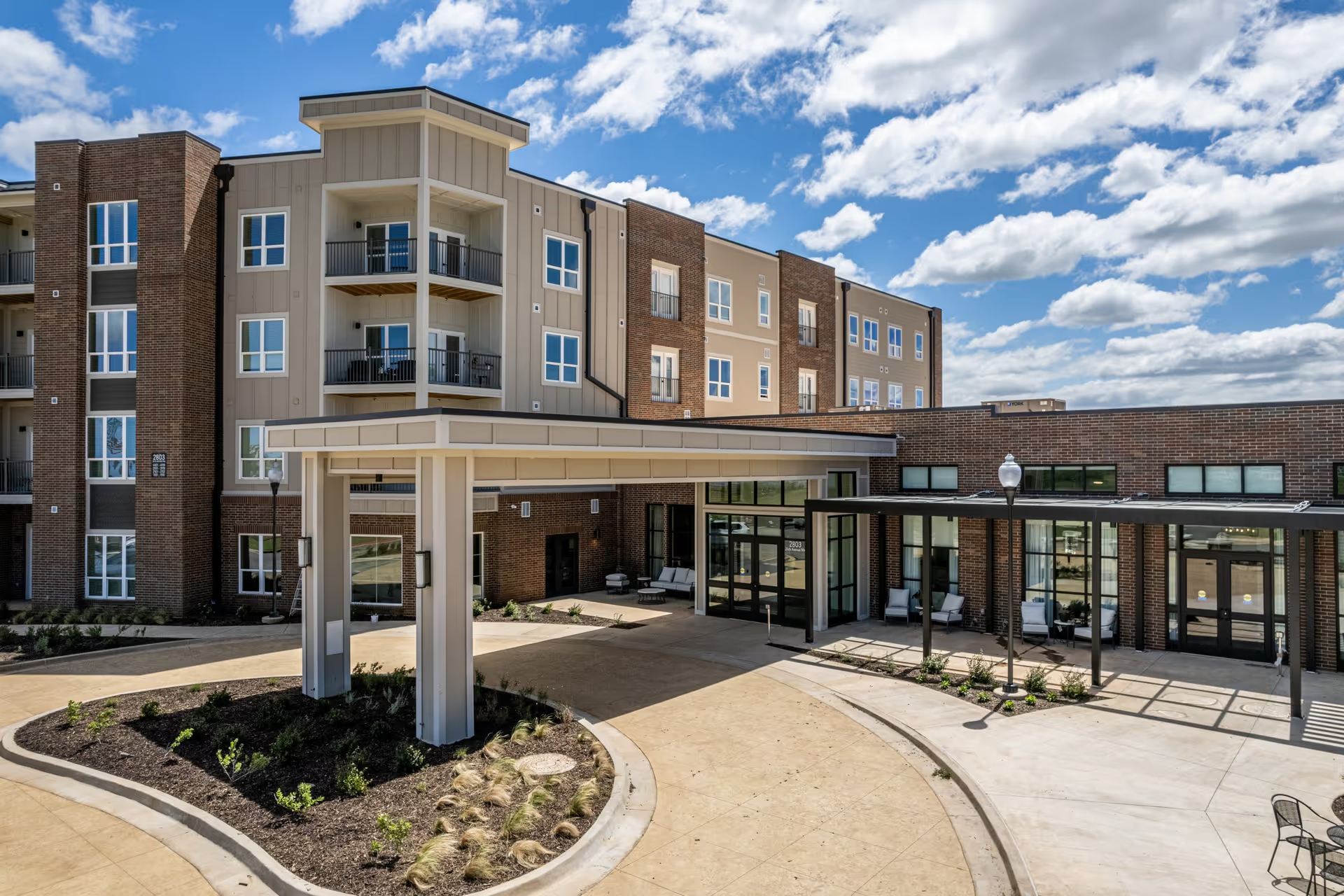
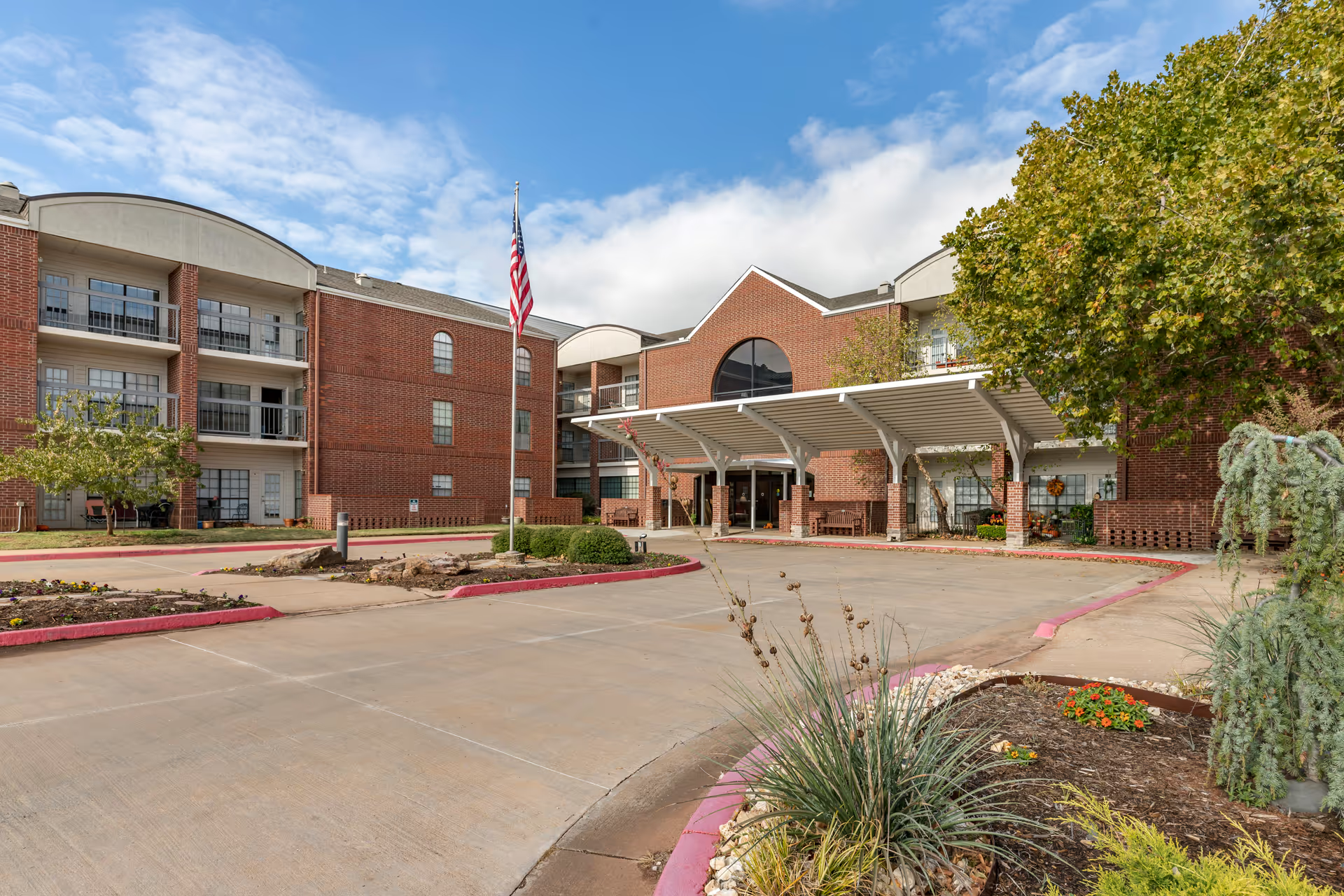
Facilities and cleanliness: The building, landscaping, and room layouts are commonly described as clean, modern, and comfortable, with private rooms and accessible indoor/outdoor areas. At the same time, some reviewers raised sanitation concerns and inconsistent housekeeping in specific instances, underscoring variability between routine maintenance and isolated lapses.
Management, communication, and transitions: Comments describe polarized experiences with administration and care coordination. Some families praised admissions, social-services support, and specific managers for smooth transitions and assistance with financial/insurance questions. Others reported poor responsiveness from leadership, problematic discharge/billing processes, delays in paperwork, and concerns about management tone and professionalism. Allegations around missing belongings and references to past regulatory action were also mentioned, indicating that prospective families should seek documentation and clarification about oversight and complaint resolution.
Notable patterns and recommendations for prospective families: The dominant pattern is a facility that can provide high-quality therapy and has strong individual caregivers, but that struggles with operational consistency — especially staffing, medication management, communication, and discharge processes. Prospective residents and families may benefit from targeted questions during tours: staffing ratios by shift and weekend coverage, medication administration procedures and pharmacy billing practices, incident-reporting and notification protocols, supervision of temporary or agency staff, weekend dietary staffing, and recent regulatory or quality metrics. Verifying these items and seeking examples of recent corrective actions can help assess whether the facility’s strengths align with a particular resident’s clinical and safety needs.