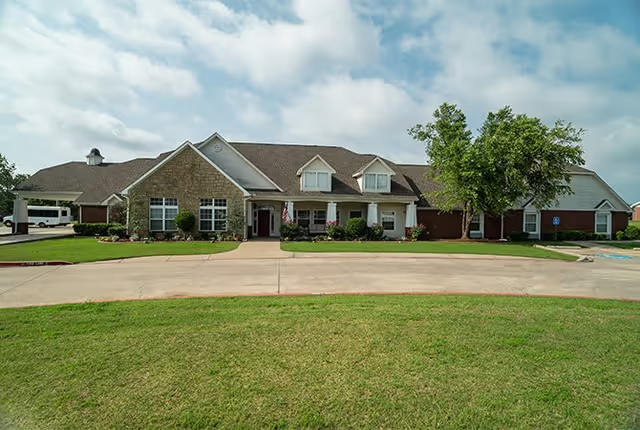
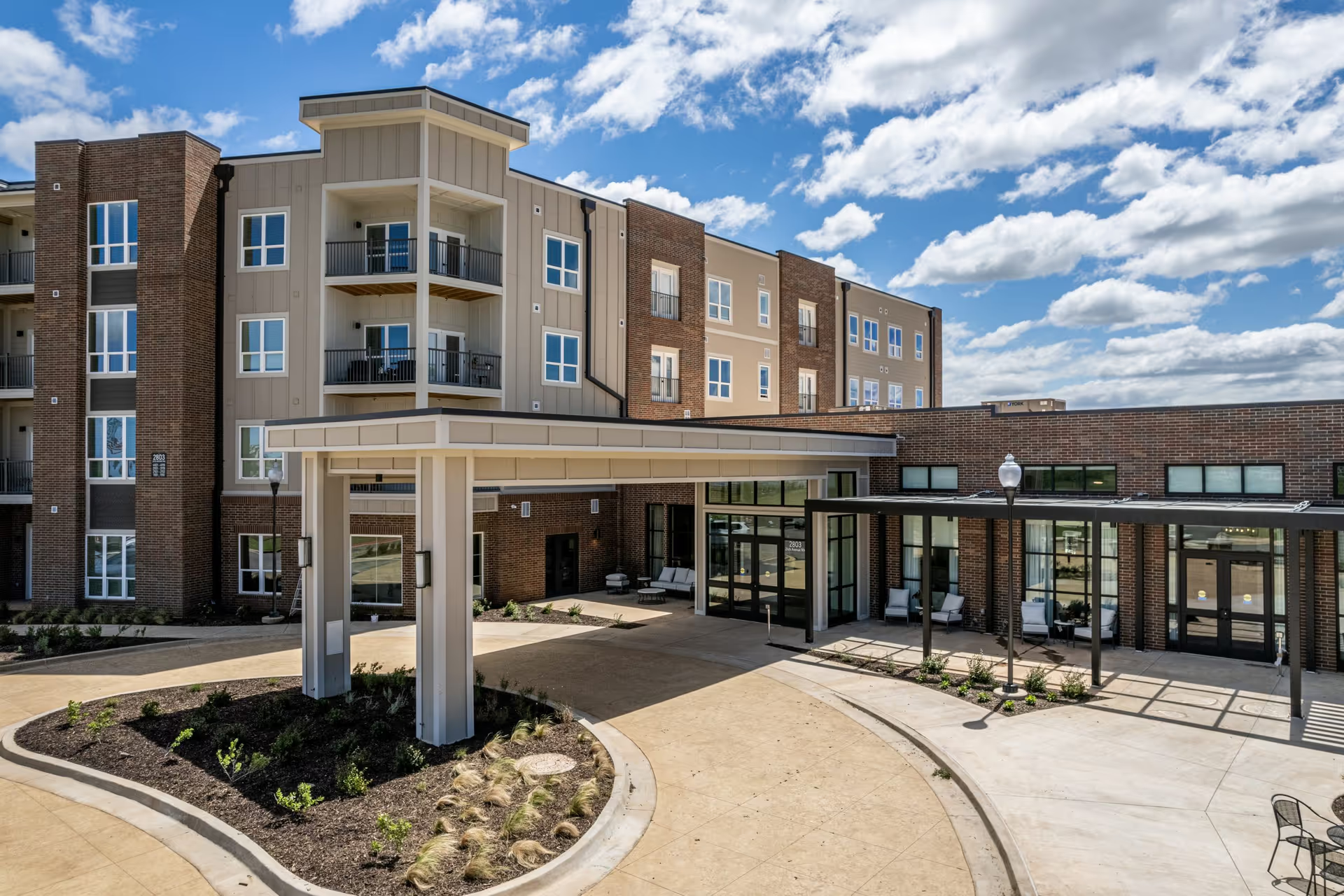
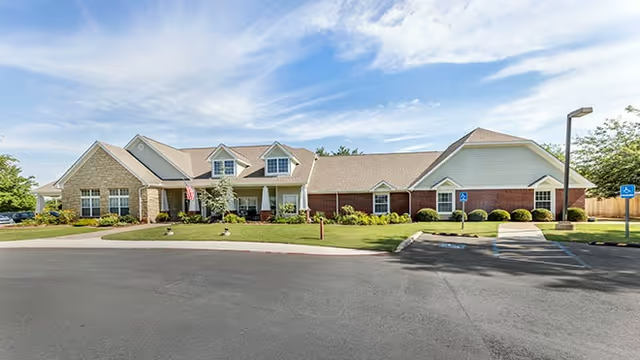
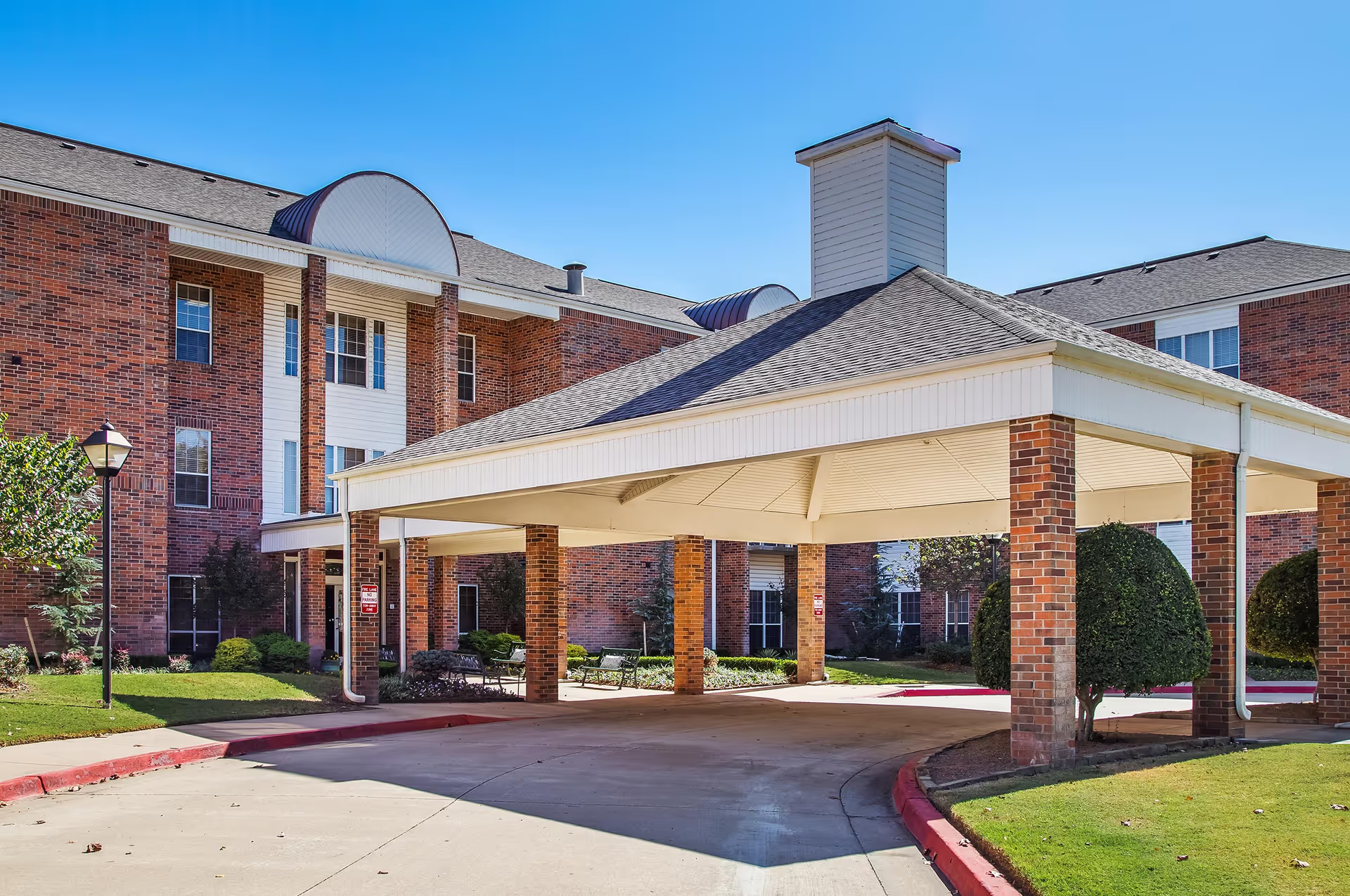
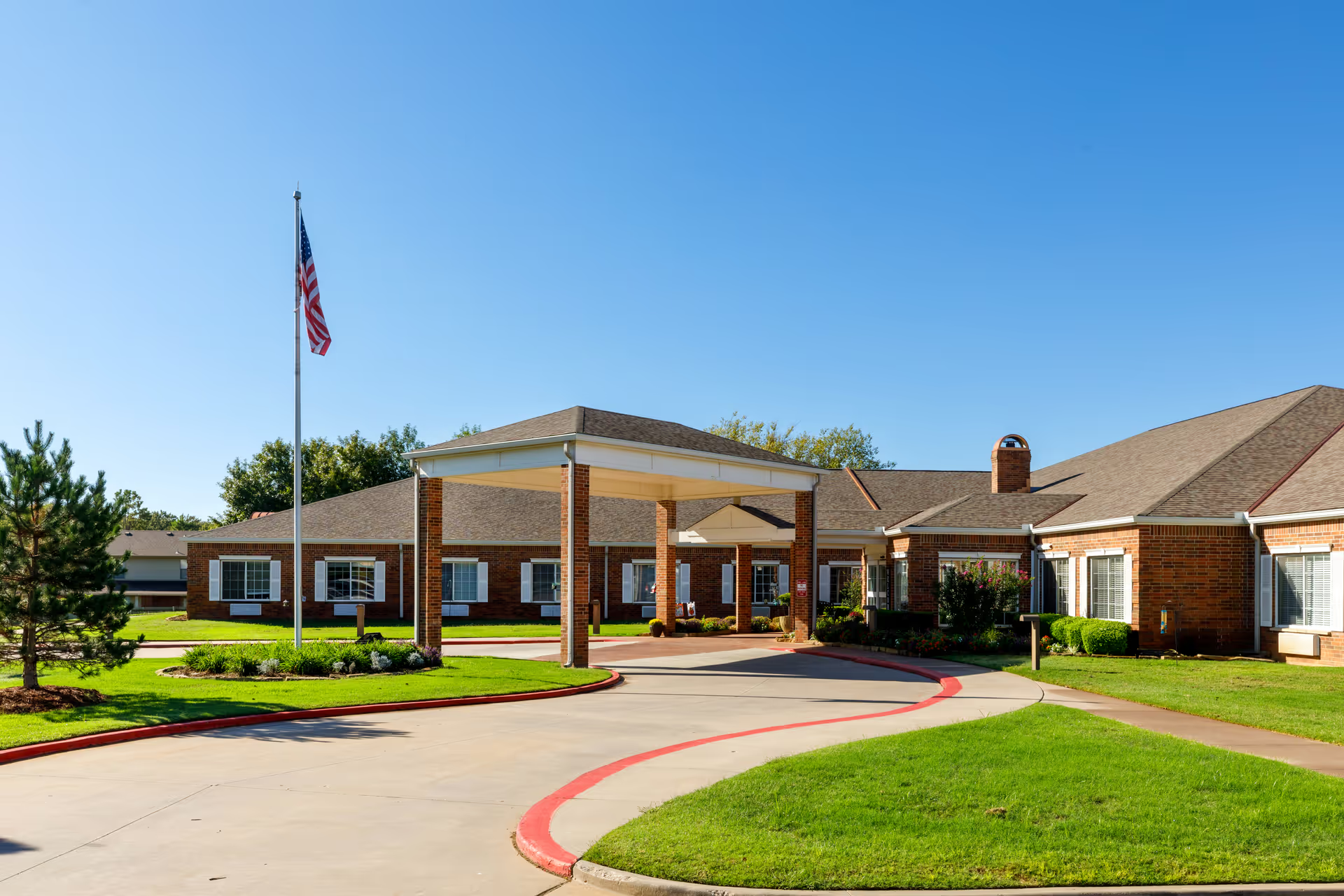
Reviews of Thunder Care and Rehab present a highly mixed picture with clear patterns of both strengths and operational weaknesses. Positive comments emphasize caring nursing staff, certain administrators who facilitate admissions, conscientious aides, and functioning housekeeping and laundry services. Several families describe a homelike atmosphere and helpful interactions with specific staff members, indicating pockets of reliable, person-focused care.
At the same time, recurrent operational issues emerge across reviews. Communication and phone responsiveness are described as inconsistent, and families report difficulty obtaining timely updates or being notified about hospital transfers. Reviewers describe delays in attending to resident needs, including delayed assistance with toileting and bathing; abstracted as operational traits, these point to inconsistent responsiveness and incontinence-care delays. Medication management and pharmacy coordination were also called into question, with examples of late or missing medications leading reviewers to express concern about clinical oversight.
Safety-related concerns appear repeatedly. Multiple accounts describe falls and injuries and limited mobility supports, which together suggest gaps in fall-prevention and transfer-safety practices. Staffing levels and scheduling constraints are also a recurring theme: reviewers mention limited shower slots, staff shortages on certain shifts, and periods when assistance is delayed. These operational pressures relate to other problems noted, including inconsistent cleanliness and odor concerns in resident and common areas, and issues with visitor access and door-control processes that create delays for families and guests.
Dining and daily living services receive mixed feedback. Some families report acceptable food and efforts by dining staff, while others describe cold or unappealing meals and limited fresh produce. Activity and mobility supports are less frequently praised; reviewers note limited outdoor space and reduced opportunities for exercise or engagement, suggesting a need for more consistent programming and outdoor access.
Management and administration draw polarized evaluations. A subset of reviewers praises particular administrators and admissions staff, while others describe unprofessional conduct, weak responsiveness to family concerns, and lack of transparency after incidents. A small number of reviews allege serious incidents that involved police or Adult Protective Services; these serious claims merit verification with official records and regulatory sources. Overall, the pattern indicates variability by unit, shift, and individual staff member rather than a uniformly consistent standard of care.
For prospective residents and families: consider an in-person visit that checks current staffing levels at different times of day, reviews medication administration policies, and assesses communication protocols for family notification and emergency transfers. Ask about fall-prevention measures, incontinence-care processes, recent inspection reports, and how the facility handles incident reporting and family follow-up. Given the polarized experiences described, direct verification and references from current resident families will be particularly important when evaluating suitability.