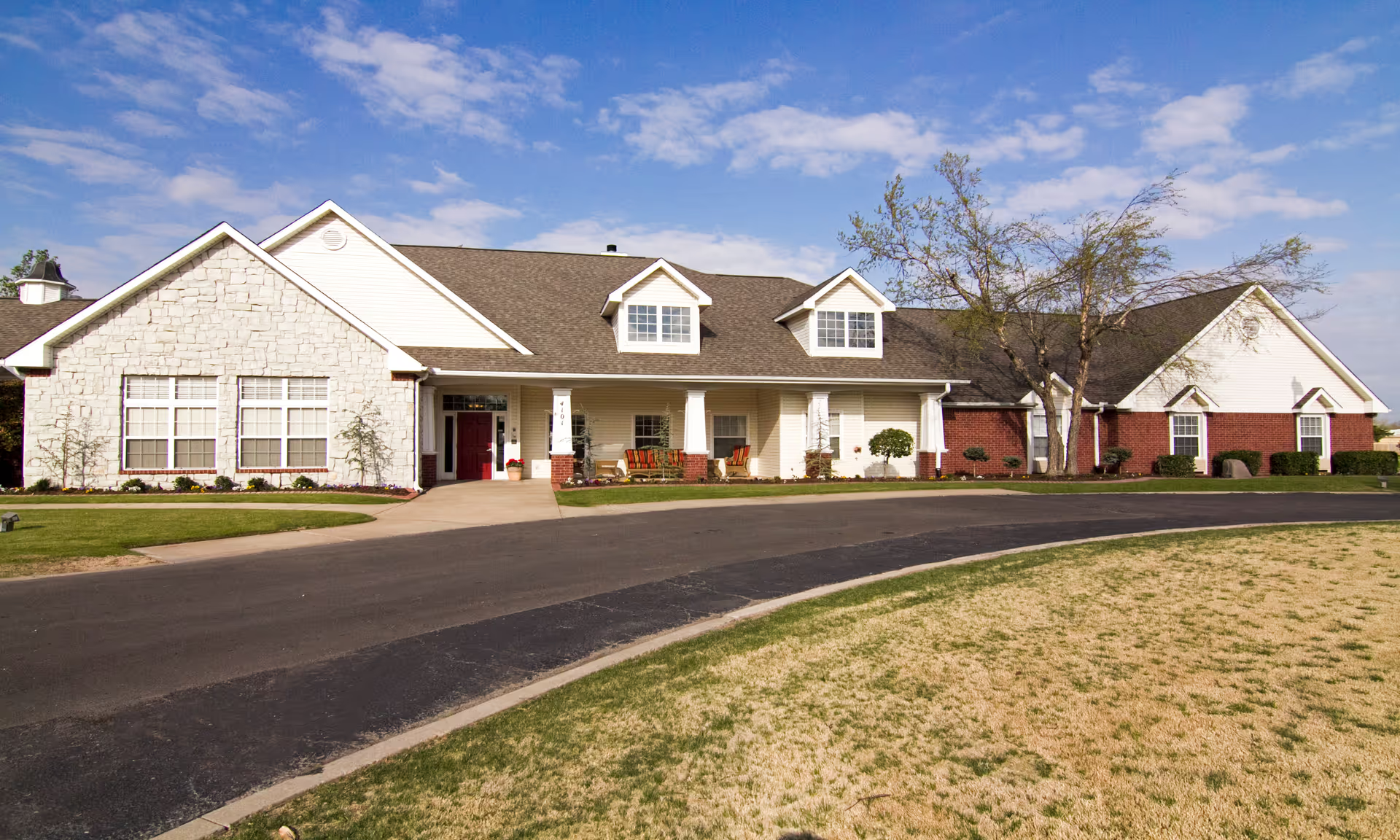
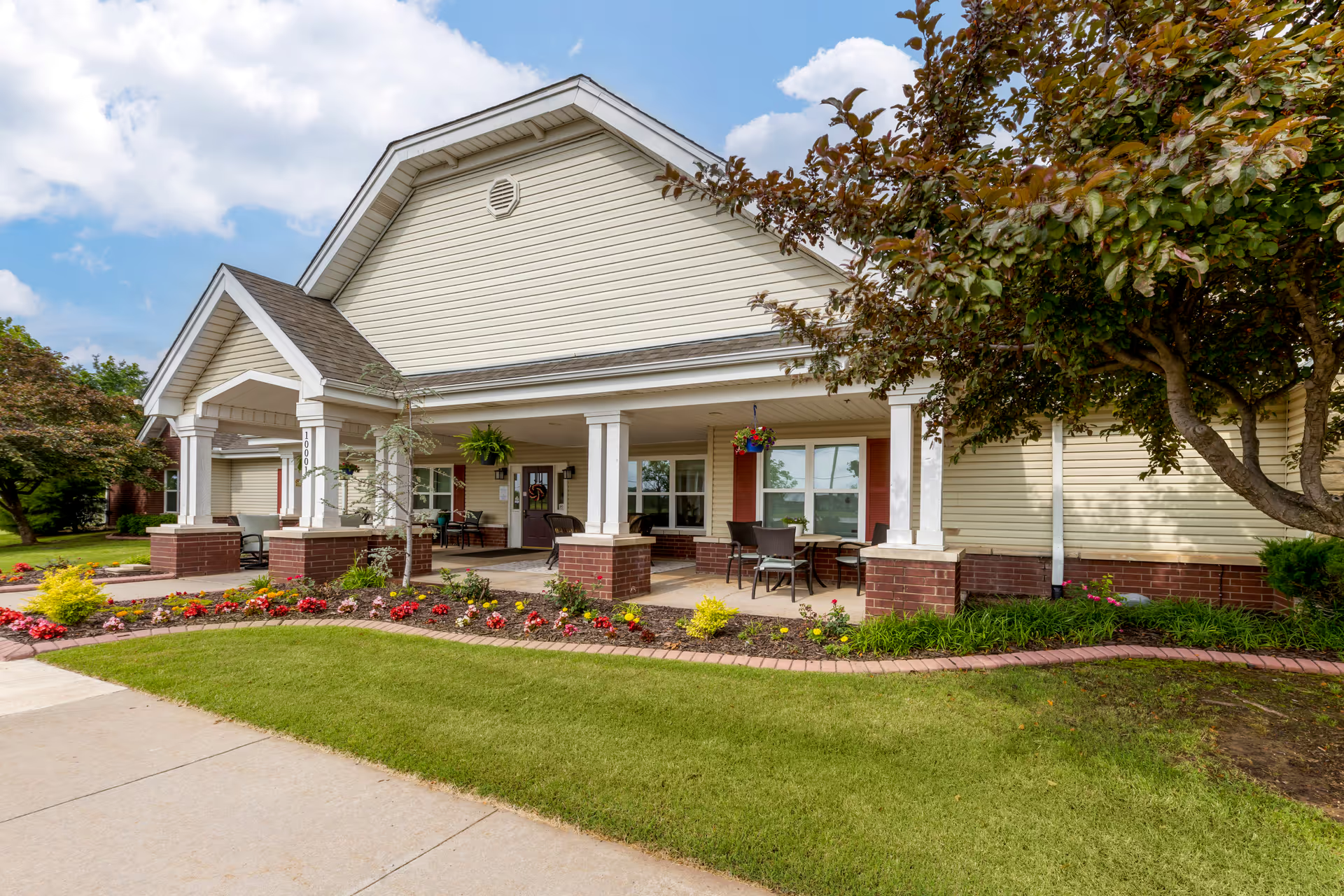
The Bradford elicits a mixed but coherent pattern: many reviewers describe a welcoming, close‑knit community with active social programming and upgraded shared spaces, while others describe operational and maintenance weaknesses tied to recent ownership changes. Strengths commonly noted include a remodeled clubhouse and updated interior units, an active calendar of events (Bible study, game days, line dancing, community dinners), and an overall peaceful atmosphere with friendly residents. Several reviewers also emphasized helpful nursing and medical staff, on‑site meal service with balanced menus, and convenient access to the nearby town.
Care and staff: Staff-related comments skew positive. Reviewers repeatedly describe friendly, approachable leasing and maintenance personnel, helpful nurses and doctors, and staff who facilitate activities and community events. At the same time there are consistent concerns about responsiveness — including delays in addressing resident needs and difficulties reaching management during limited office hours — which appear more pronounced during and immediately after ownership changes.
Dining: Dining experiences are mixed. Some residents report timely meals and well‑balanced menus served on site; others note that meal availability is inconsistent or not experienced firsthand. Prospective residents should confirm current dining offerings and whether meal plans are included with specific unit types.
Activities: The Bradford’s social programming is a clear attraction for many residents. The clubhouse hosts a range of activities (Bible study, games, line dancing, fellowship events), and reviewers describe a welcoming environment for family gatherings and resident interaction. However, activity frequency and the range of offerings are described as variable in some accounts, and participation is generally portrayed as voluntary and flexible.
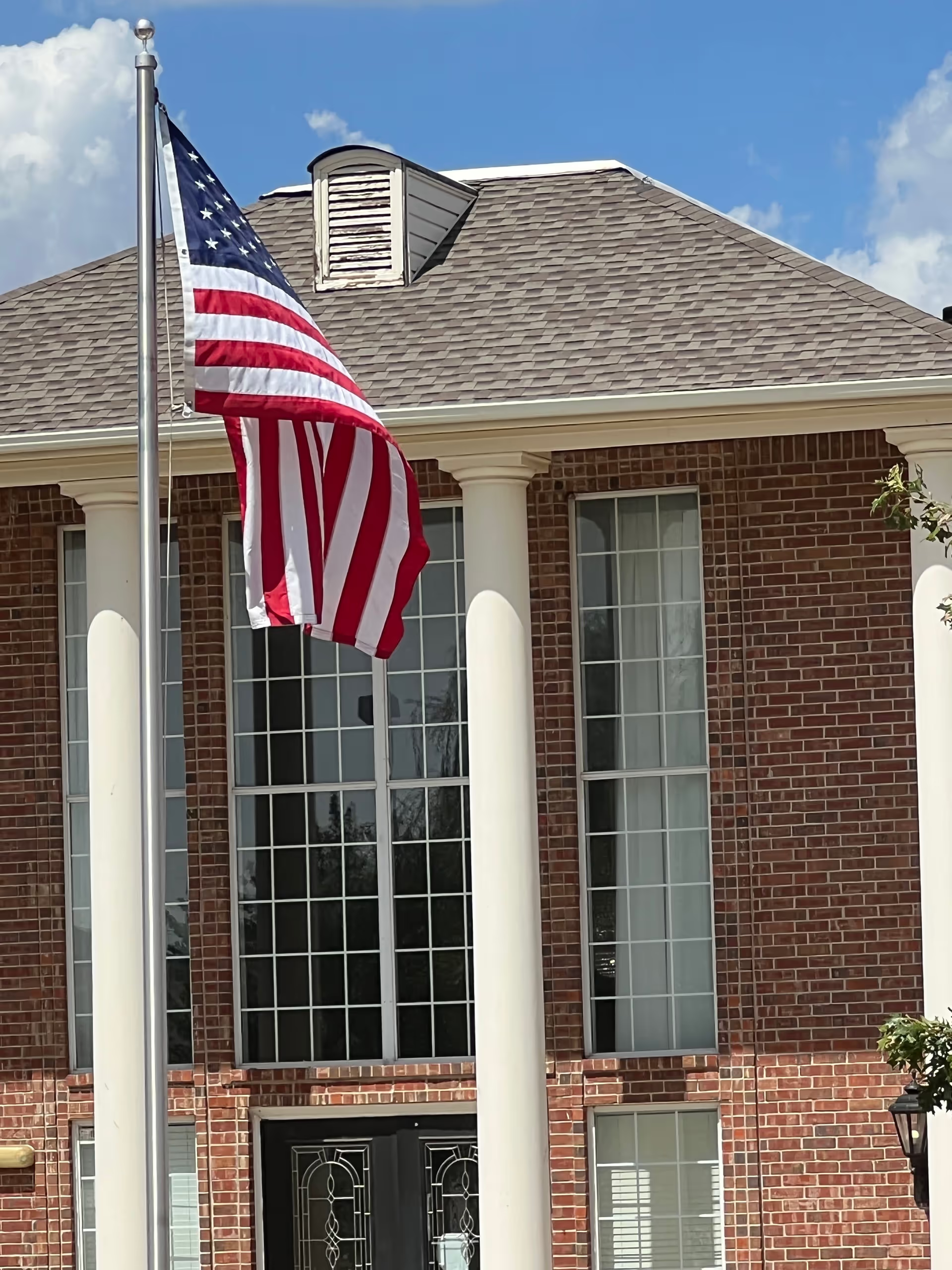
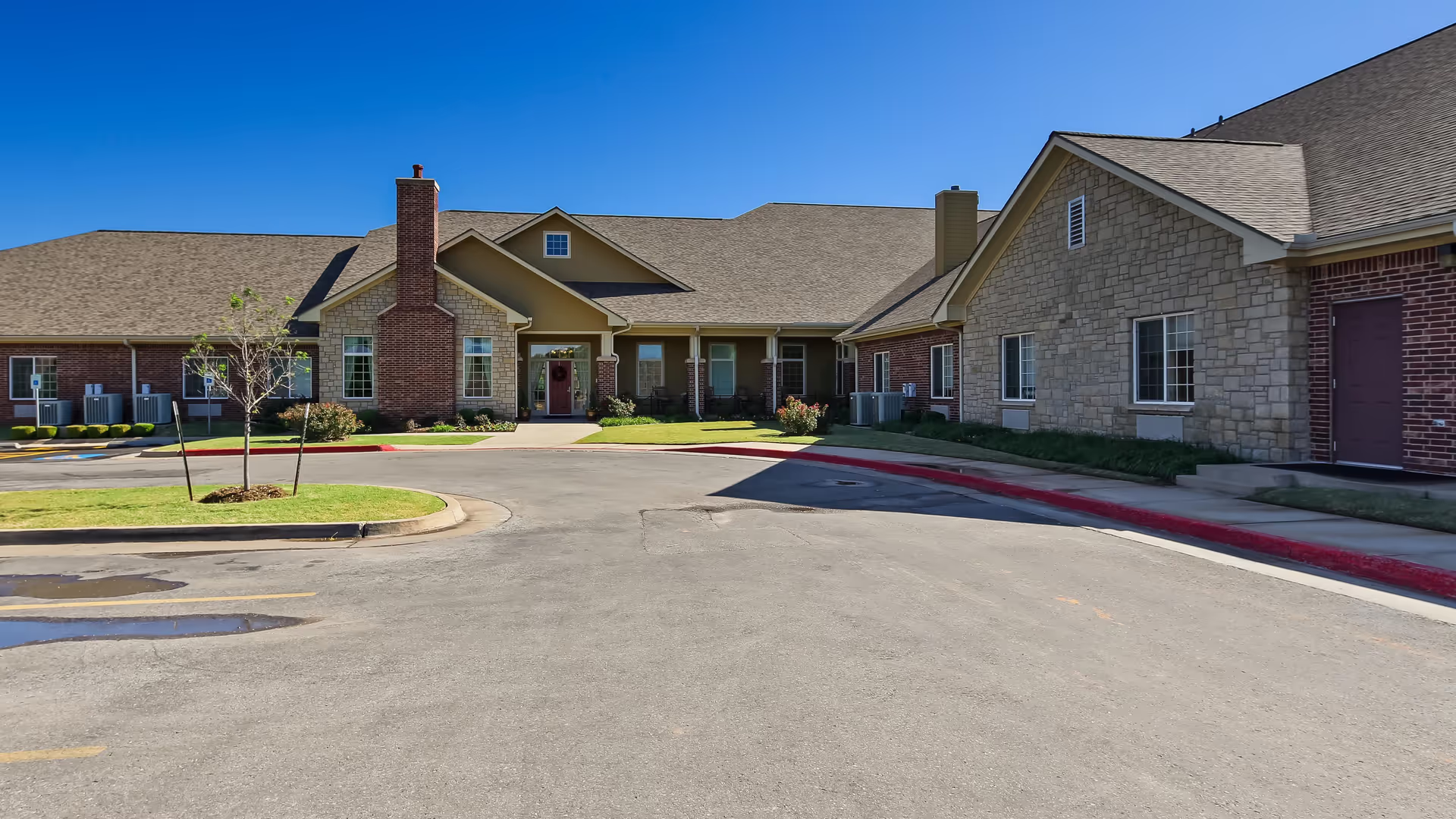
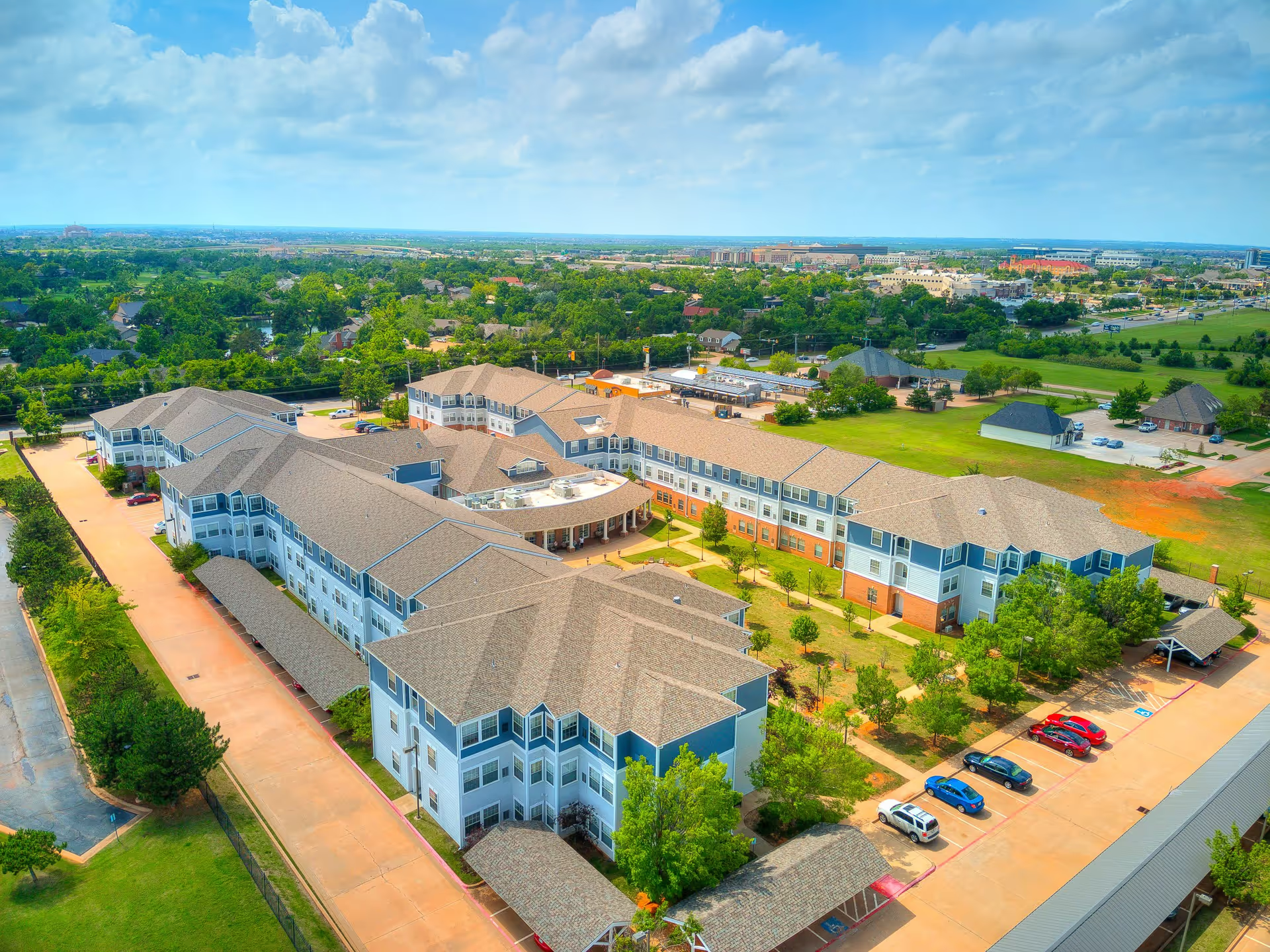
Facilities and maintenance: Physical assets are a mixed picture. Positive elements include remodeled common spaces, updated unit interiors, private yards, and attached garage options. Conversely, multiple reviewers describe declining exterior upkeep (uncut grass, neglected landscaping), issues with curbside trash handling, and unit‑level sanitation and maintenance concerns including mold and water damage in some apartments. Several comments indicate maintenance responses that are slow or result in temporary fixes rather than permanent repairs.
Management and financial practices: A notable pattern concerns management and ownership transitions. Earlier professional management earned praise for cleanliness and responsiveness; newer ownership prompted concerns about reduced oversight, limited office hours, inaccessible contact, and rent increases — one reviewer cited a substantial rent hike without corresponding upgrades. There are also examples of a positive turnaround when a new manager or reinstated professional management improved communication and responsiveness.
Notable patterns and guidance for families: Experiences at The Bradford appear to vary with unit type, timing, and current management. The facility offers many features attractive to active older adults — social programming, updated communal spaces, and a peaceful community feel — but operational weaknesses (property maintenance, waste handling, maintenance responsiveness, and recent rent increases) warrant careful vetting. Prospective residents and families should inspect units for evidence of maintenance issues, ask about current management practices and office hours, confirm dining and activity schedules, and review lease terms and recent rate history before committing.