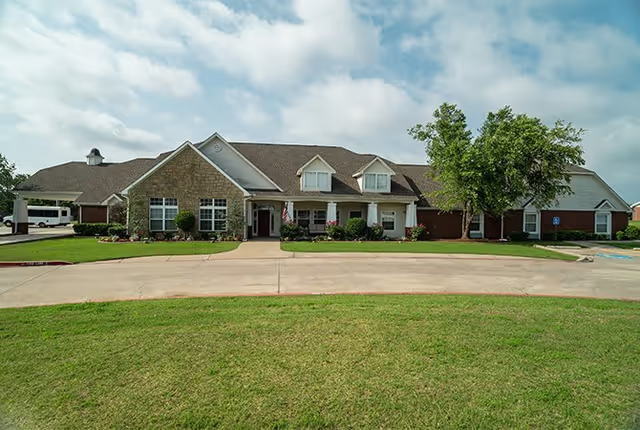
The available reviews present a highly mixed picture of 24th Place. Many families and residents praise individual caregivers, night-shift staff, and hospice/Alzheimer’s teams for compassionate, attentive interactions and for creating a comfortable resident experience in private rooms. The facility also appears to have invested in physical upgrades in some areas, and several accounts describe helpful administrative support with admissions or paperwork as well as well-prepared meals on occasion.
Alongside those positive accounts, a number of operational concerns recur. Reviewers describe inconsistent personal-care practices (including missed or delayed bathing and assistance with toileting), long delays responding to call lights, and problems initiating or progressing physical therapy. Several accounts raise clinical concerns related to diabetes management and emergency monitoring, indicating gaps in timely clinical response and medication oversight that in some cases led to hospitalization.
Staffing and workplace culture emerged as another clear pattern. Families note high turnover and chronic understaffing that appear to strain daily care; conversely, many individual staff members are described as caring and dedicated. Reviews also raise issues around privacy and handling of residents’ belongings, and there are serious allegations of staff taking residents’ property. Some reviewers describe a punitive environment that discourages complaints and an administrative approach that can be dismissive or unresponsive.
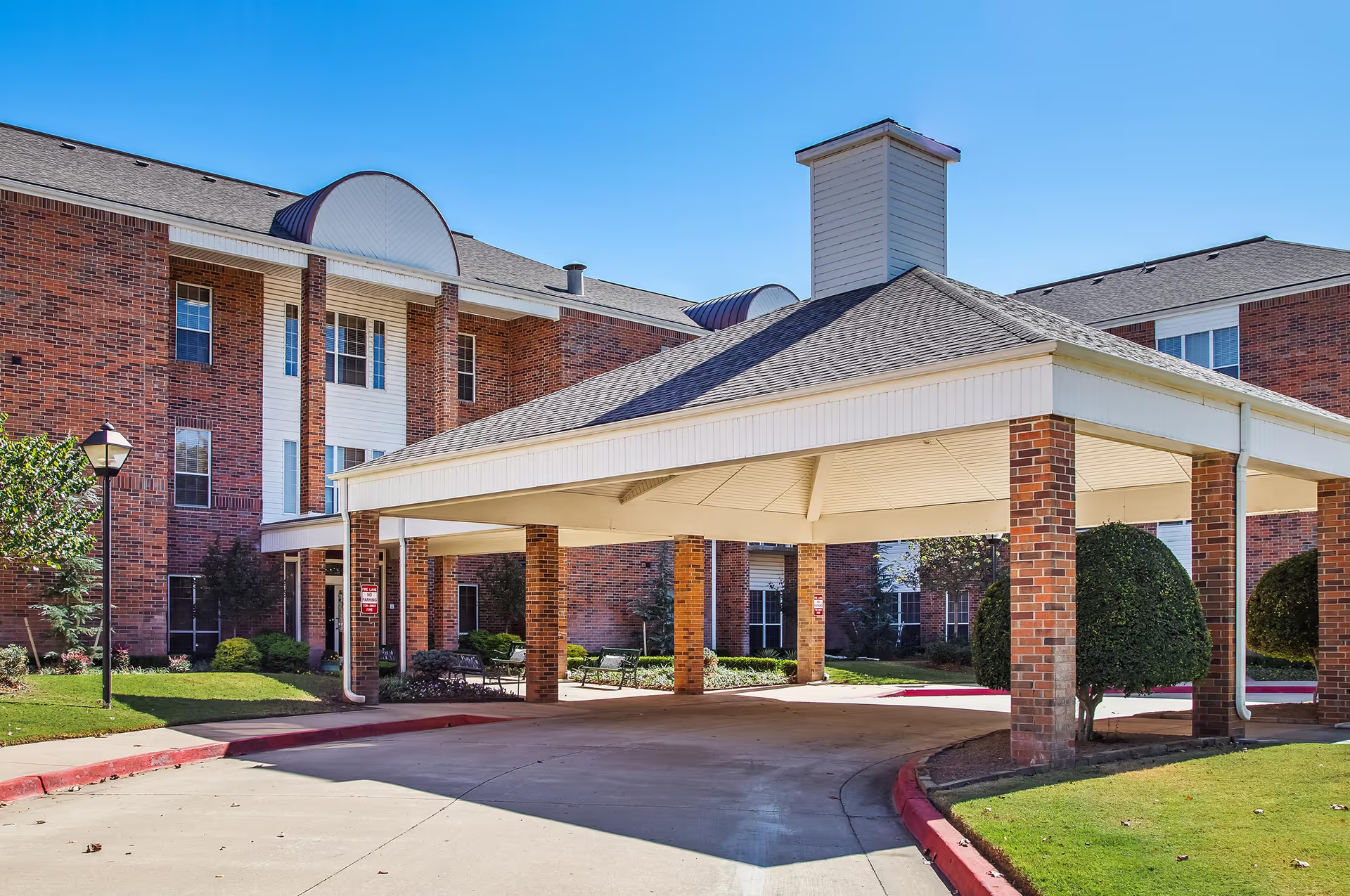
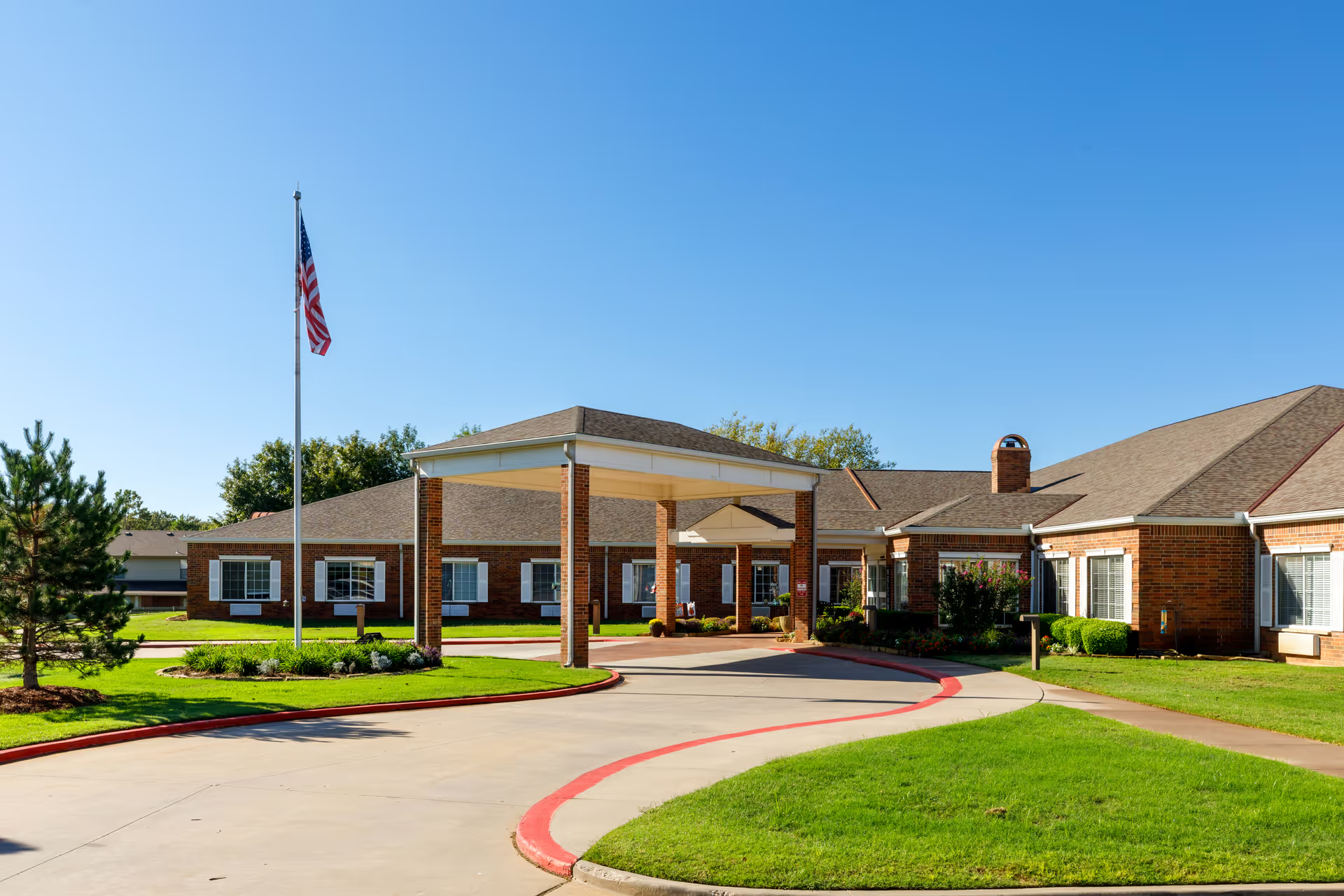
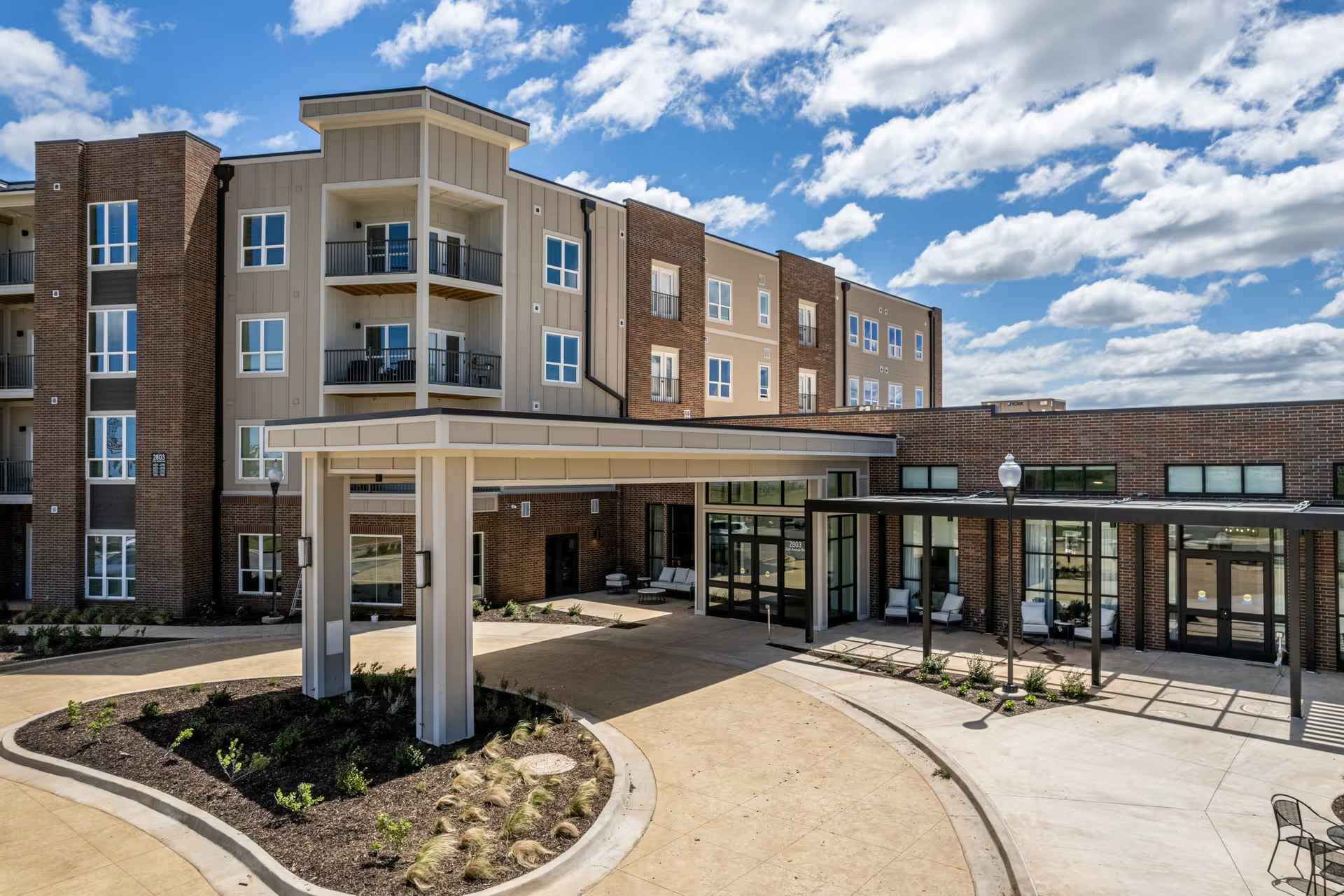
Facility-level issues are inconsistent as well. While some rooms and common areas are described as clean and updated, other accounts cite sanitation concerns and odor issues in shared spaces and around incontinence care. Dining is described variably — from excellent meals to instances of undercooked or contaminated food and supply shortages. Visitation and activities have improved for some residents following renovations and infection-control relaxations, and several families note residents enjoying renewed visits.
Management and oversight are a recurring area of concern. Reviewers describe poor communication from administration, unexplained internal investigations or terminations, and state-level complaints with unclear follow-up. Given the mix of positive caregiver experiences and serious operational allegations, prospective residents and families should conduct an in-person assessment and ask specific, documented questions about staffing levels and turnover, bathing and toileting schedules, call-light response times, medication-management protocols (especially for diabetes), property-safekeeping procedures, food-safety practices, and the facility’s recent regulatory history and infection-control policies. Observing mealtime, visiting during shift changes, and requesting recent inspection or incident logs can help clarify whether the facility’s strengths or the operational concerns are most relevant to your loved one’s needs.