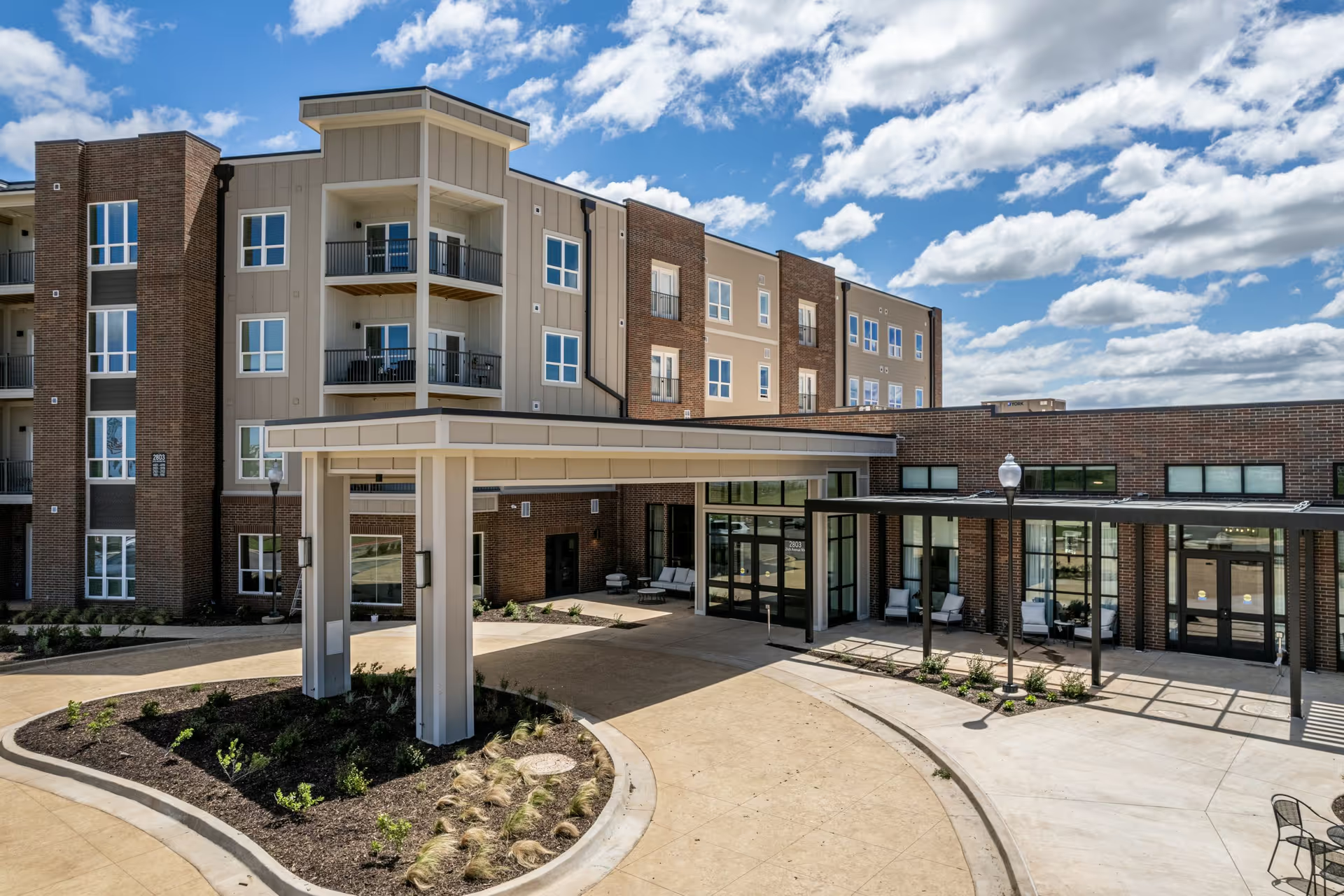
Medical Park West Rehabilitation and Skilled Care elicits strongly polarized experiences. Many families and patients praise the facility's rehabilitation services, noting effective physical and occupational therapy, measurable functional gains, and individualized therapy plans. The building and therapy spaces are frequently described as modern, bright, and well equipped, and several reviewers singled out positive interactions with kitchen, housekeeping, and social-services staff. Multiple comments highlight specific staff members and administrators who provide hands-on attention, strong communication, and compassionate end-of-life support.
At the same time, a consistent set of operational concerns appears across reviews. Nursing and bedside-care quality is described as highly variable: while some caregivers are characterized as attentive and skilled, others are associated with delayed responses, poor bedside assistance, and inconsistent hygiene practices. Call-button response delays, missed or late medication doses, and lapses in documentation are recurring themes. Reviewers also raised issues with staffing levels and turnover, which appear linked to the inconsistent experience of care and to gaps in weekend and after-hours registered-nurse coverage.
Dining and activities represent a mixed picture. Many patients and families praised the food, menu variety, and positive dining interactions; however, there are repeated accounts of late, incorrect, or cold meal service and of meals missed during staffing gaps. Recreational programming such as bingo, live music, and courtyard access is noted positively and contributes to quality-of-life for several residents.
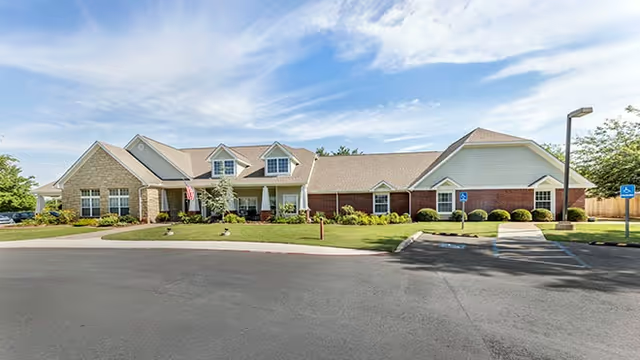
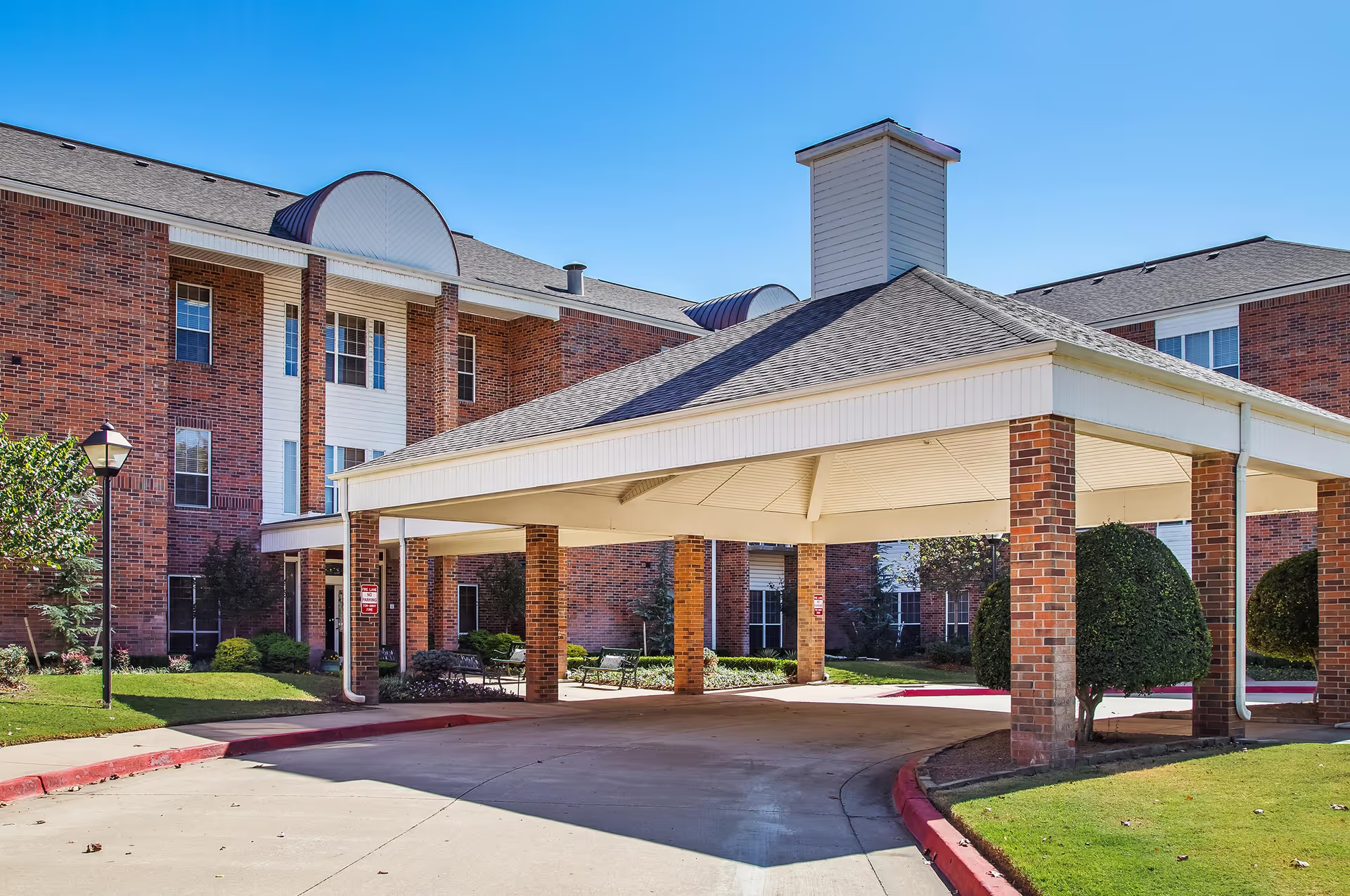
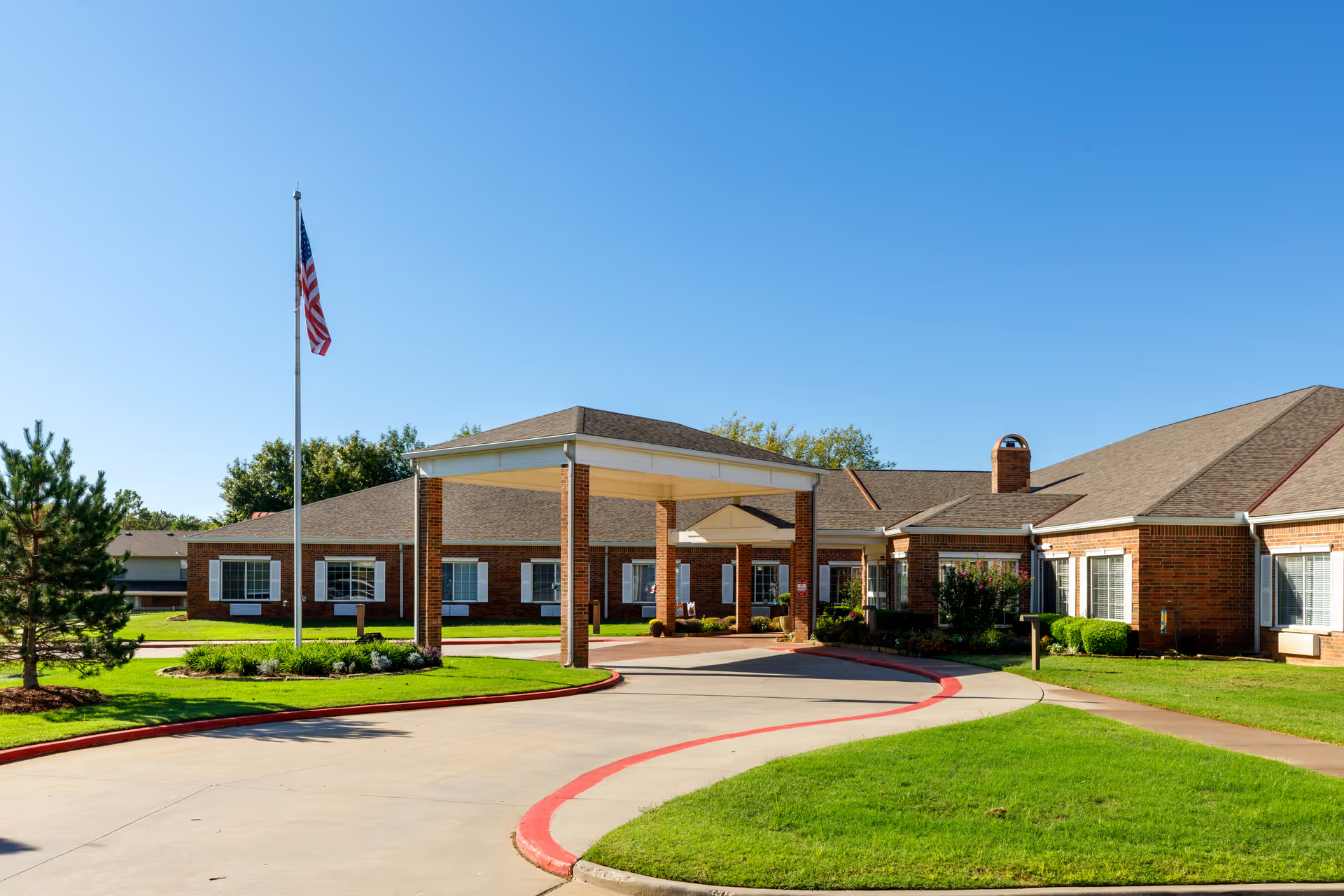
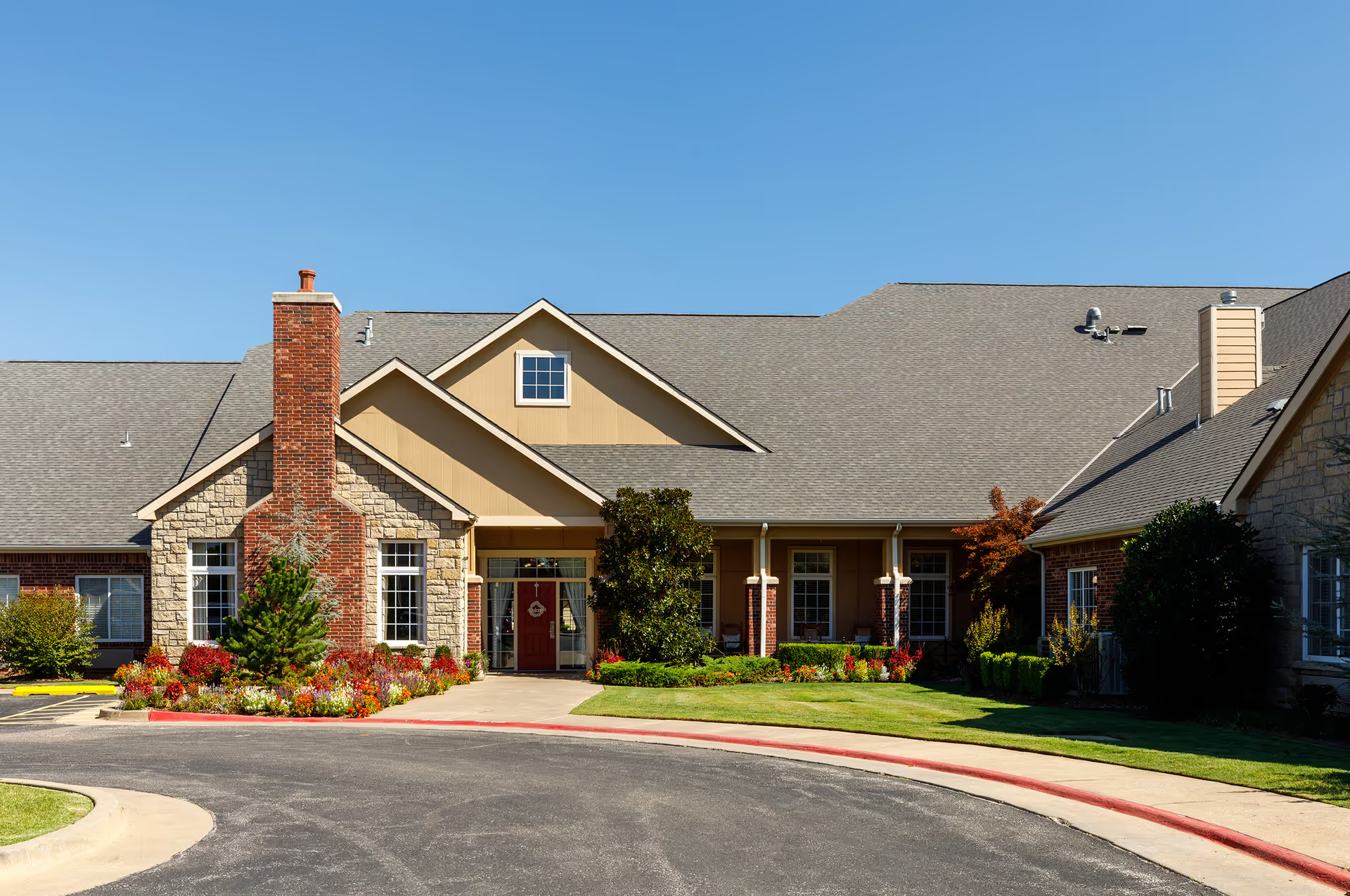
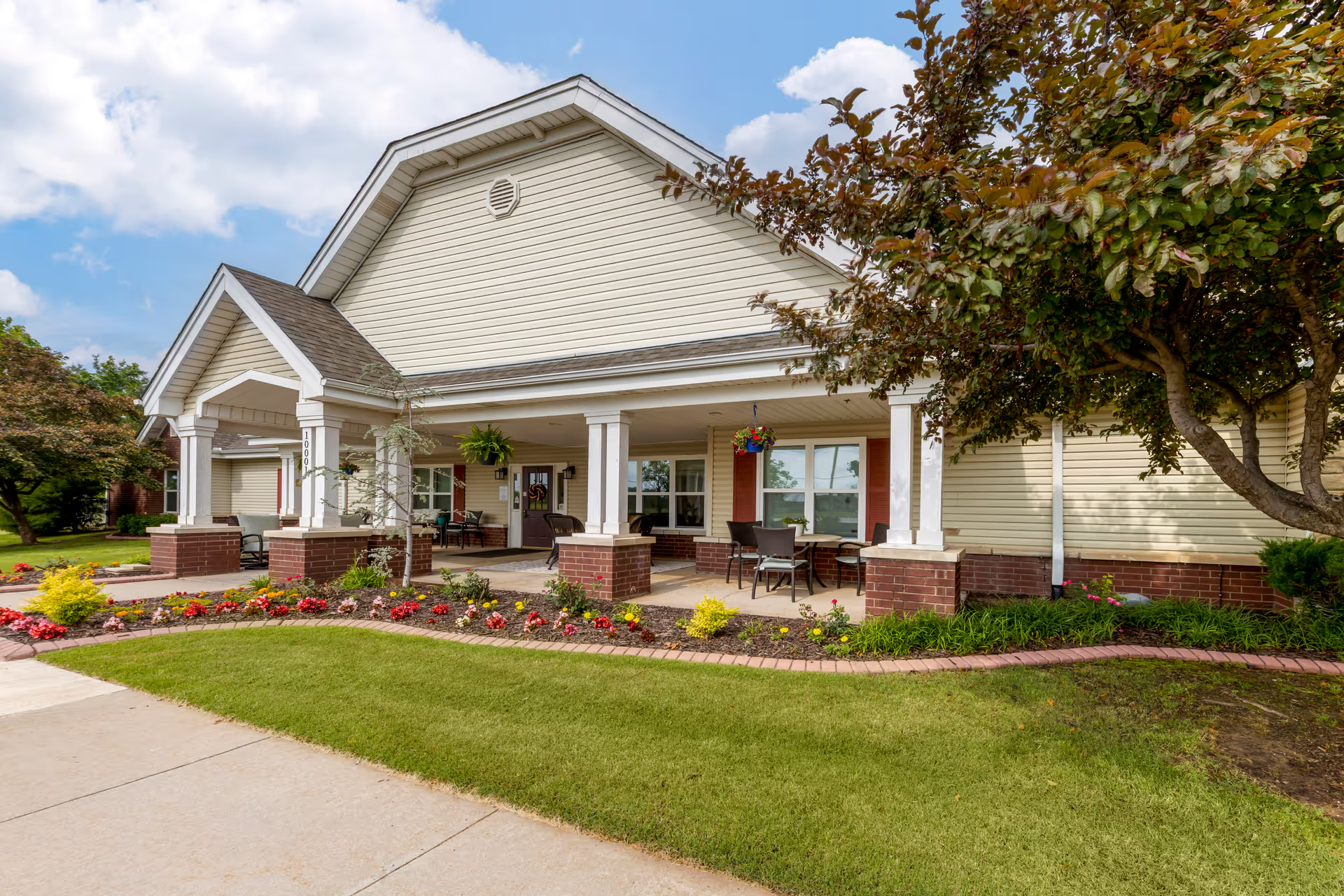
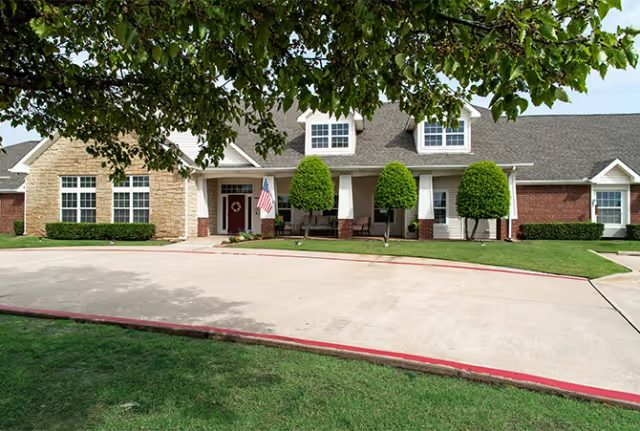
Facility condition and infection control are similarly mixed: the exterior, therapy gym, and private rooms are often described as attractive and clean, yet reviewers also described sanitation concerns and odor issues in select units and inconsistent infection-control practices during outbreaks. Safety and supervision issues are present in multiple accounts, including delayed assistance after falls, lapses in monitoring, and coordination problems with transport and discharge planning. Several families referenced more serious allegations and a state-level inquiry related to care incidents.
Management impressions vary considerably. Some reviewers report proactive, visible leadership that does daily rounds and responds to family concerns; others describe difficulty reaching administrators, delayed complaint resolution, and inconsistent follow-through. This variability suggests that experience may depend strongly on unit staffing, shift, and which leadership is on duty.
Overall pattern: the facility offers notable strengths in rehabilitation, therapy resources, and a number of highly committed staff and administrators, but it also exhibits systemic operational weaknesses—primarily inconsistent nursing care, staffing shortages, communication gaps, and sanitation/infection-control lapses. Prospective residents and families may benefit from targeted questions during a tour (staffing ratios by shift, RN coverage on weekends, medication-administration protocols, infection-control policies, and complaint escalation pathways) and from asking for names/contacts of day‑to‑day clinical leads to help set expectations and monitor care continuity.