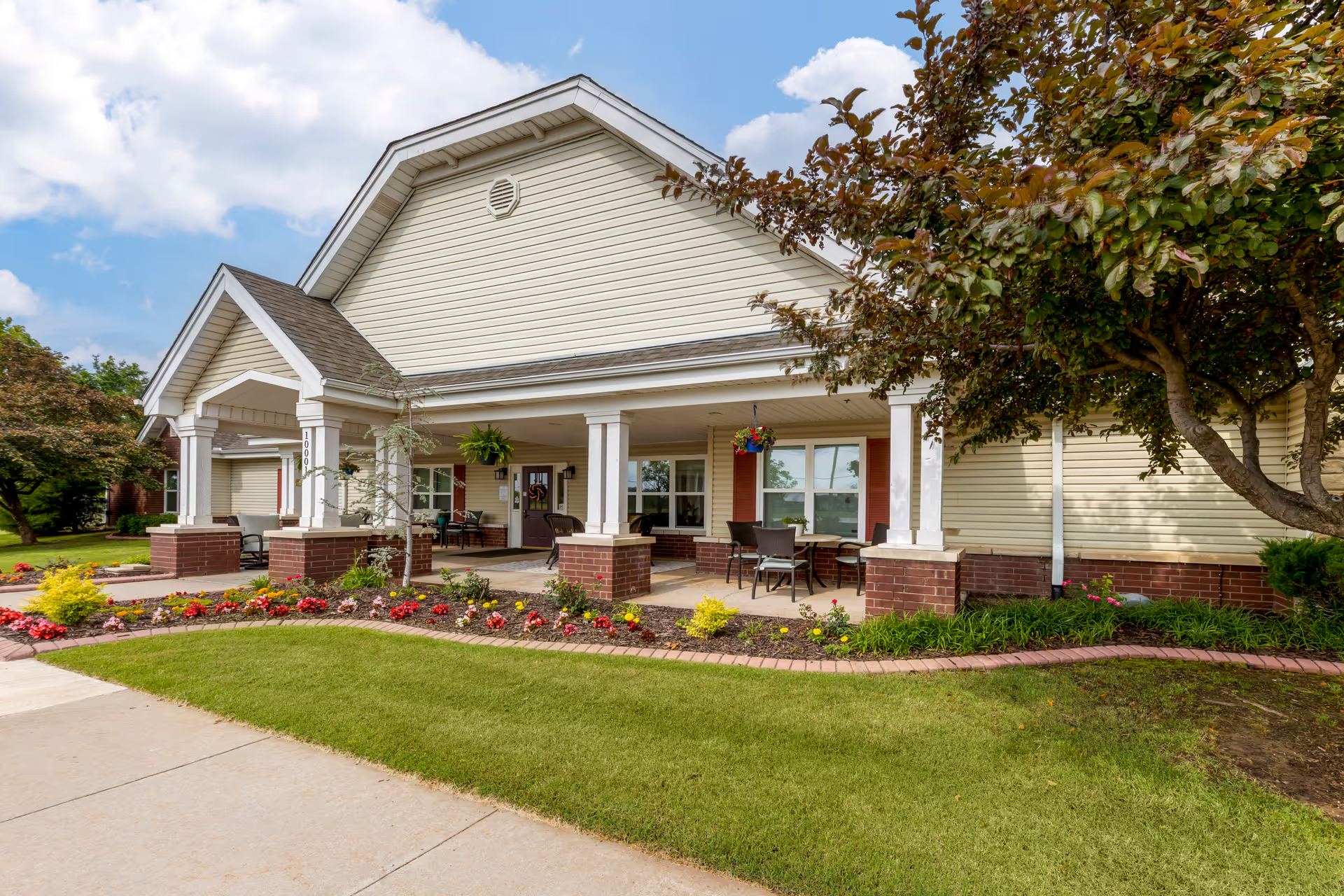
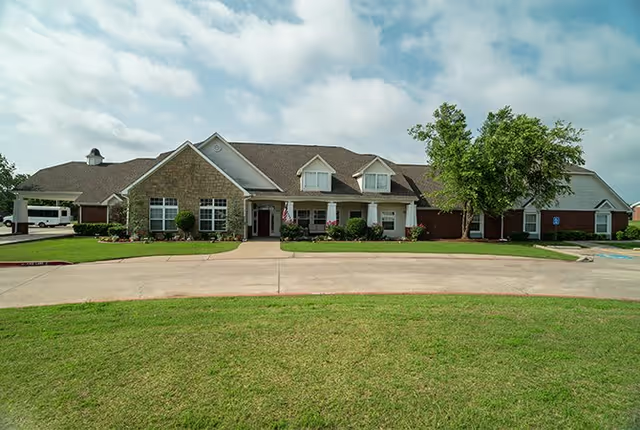
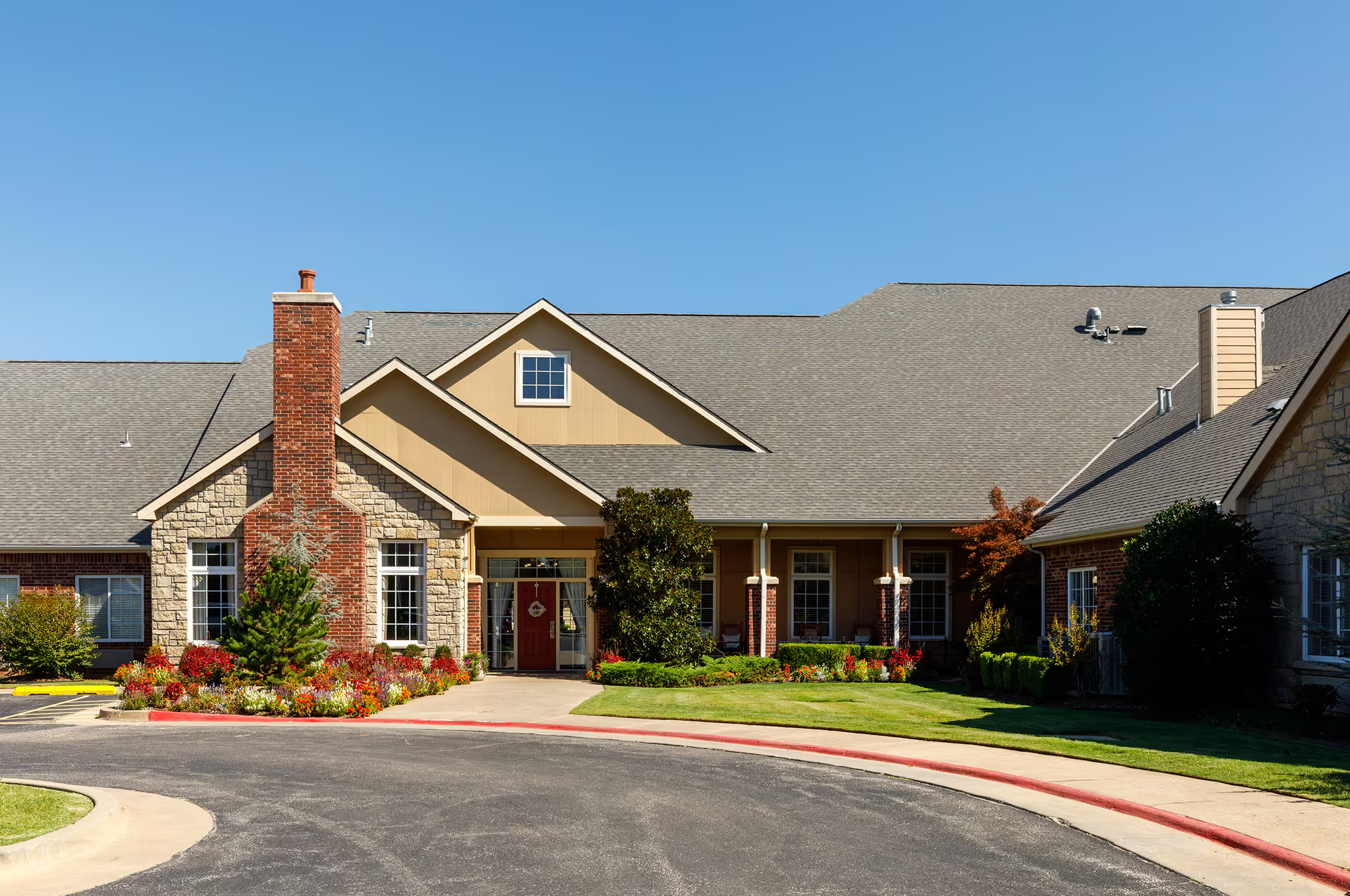
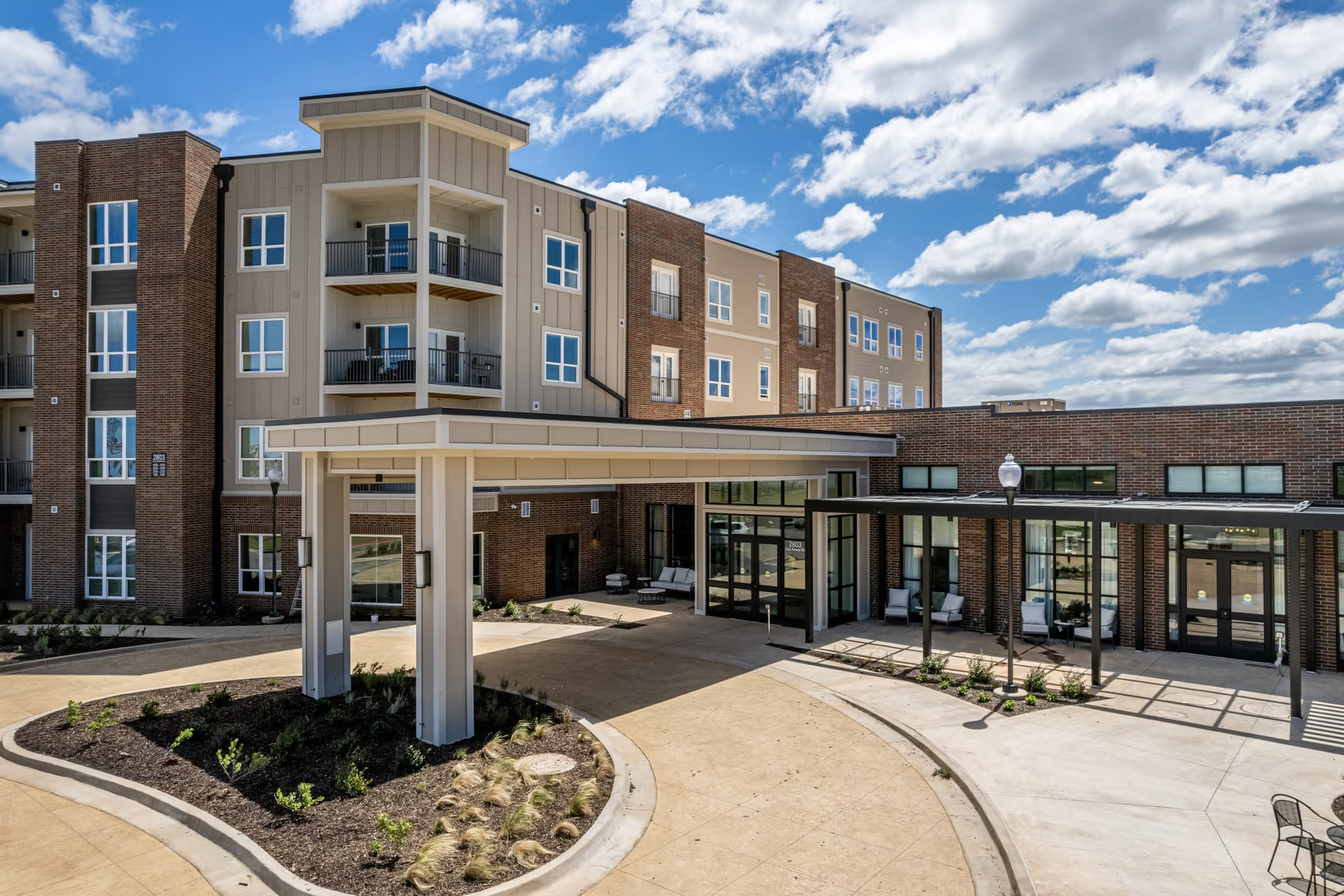
Jasmine Estates of Oklahoma City is consistently described as a community with a strong focus on person-centered care, particularly for residents living with dementia or Alzheimer’s disease. Families commonly praise the compassionate, attentive nature of many caregivers and highlight steady caregiver assignments that support familiarity and continuity for residents. Several reviewers emphasized that the facility provides a home-like atmosphere with clean, attractive common areas, active social engagement, and a program of daily activities that encourages resident participation and socialization.
Clinical and day-to-day care are highlighted as strengths: nursing and caregiving staff are often characterized as patient, kind, and responsive, with many families noting improvements in eating, mood, and social involvement after placement. Memory-care programming and staff training receive positive mention. Operational features that add to family confidence include regular family nights, weekend front-desk coverage, facility-wide monitoring, and active leadership presence that many families find reassuring.
Dining and activities are prominent positives but show variability. A number of families describe restaurant-quality, varied meals and plentiful snacks, while a smaller number describe average or inconsistent meal experiences. Activities programming is frequently praised for being energetic and creative—led by an engaged activities director—and for offering a range of social events, group games, music sessions, and family functions. However, some families felt that specific promised offerings (for example, certain memory activities or services) were not always consistently delivered, and a few described limited variety at times.
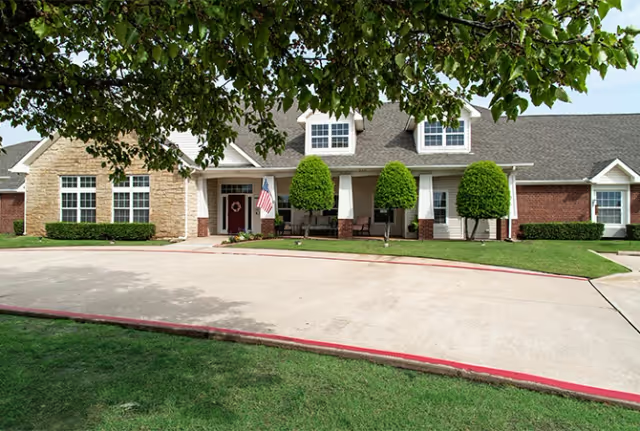
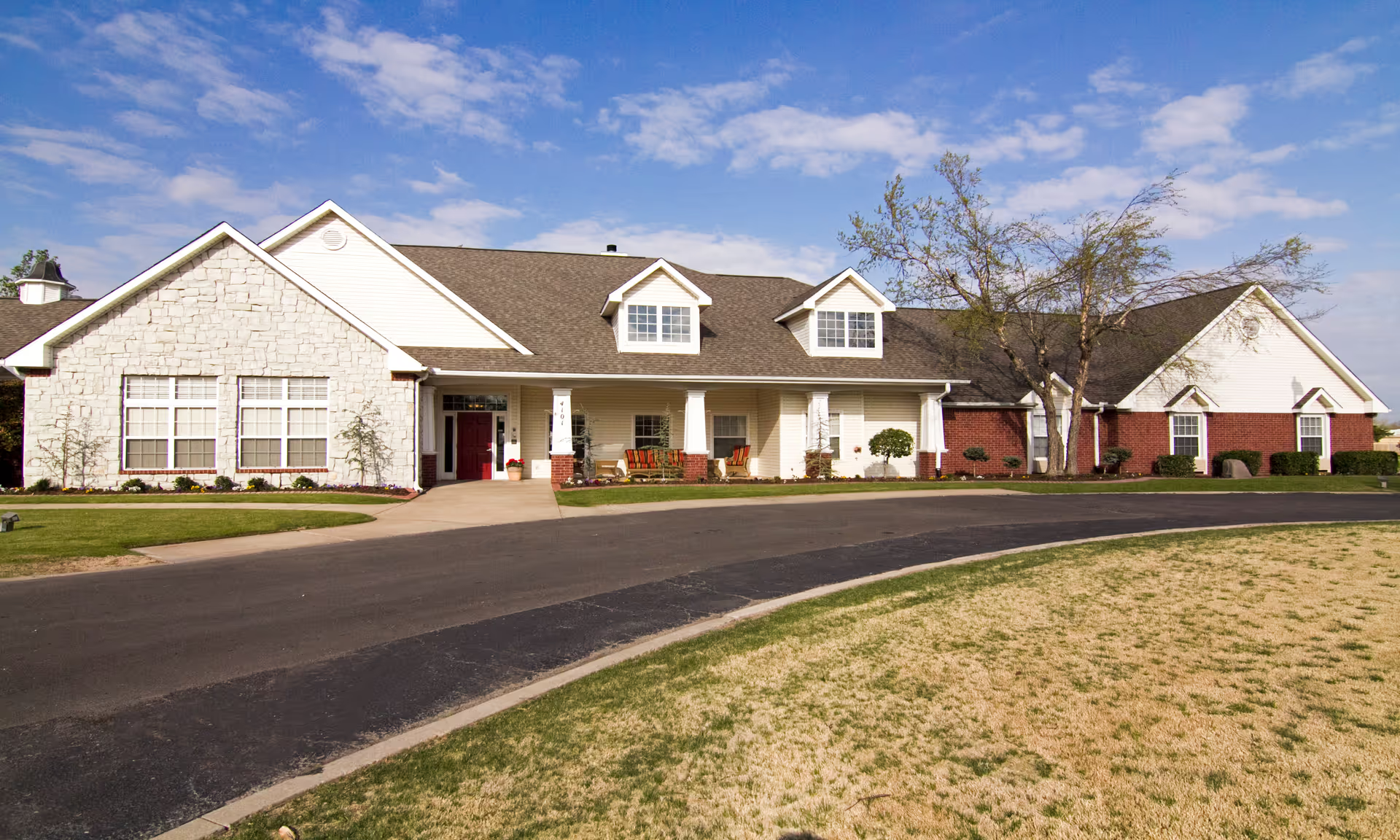
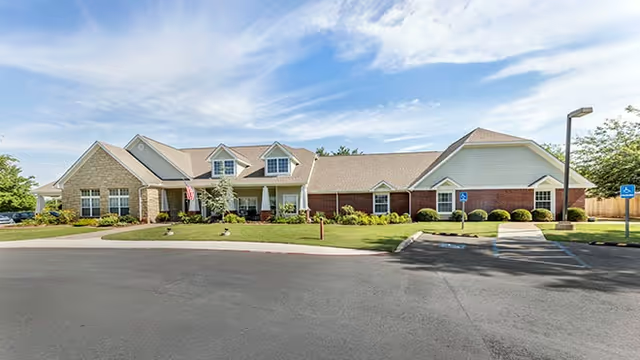
Facilities and environment are generally evaluated favorably: reviewers note a clean, well-kept building with appealing common spaces and comfortable resident rooms. Housekeeping and assigned laundry are cited as appreciated services, though there are reports of variability in cleanliness standards in private rooms and bathrooms that indicate inconsistency in sanitation practices rather than a universal problem.
Management and operational patterns show mixed signals. Several families praised strong leadership, helpful admissions processes, and effective transitions. Conversely, recurring concerns include staffing turnover, variability in the amount of time caregivers can spend with residents, and uneven responsiveness when families raise issues. Financial and contract management emerged as a notable area of concern for some families, including billing disputes and challenges resolving contract or refund questions; at least one family described a post-mortem billing dispute that heightened their dissatisfaction. Safety follow-up and fall-prevention processes were otherwise adequate for many, though isolated safety-related concerns were reported and point to opportunities for strengthening incident-response protocols.
Overall, Jasmine Estates appears to deliver high-quality, dementia-capable care with strong social programming and many engaged, compassionate staff members. Prospective families should weigh those strengths against operational variability in staffing continuity, occasional inconsistencies in room-level housekeeping and meal service, and the facility’s approach to billing and dispute resolution. A recommended step for families considering placement is to tour the community during multiple times of day, ask about caregiver continuity and staffing patterns, review the contract and refund policies carefully, and discuss specific activity and memory-care offerings to ensure they align with family expectations.