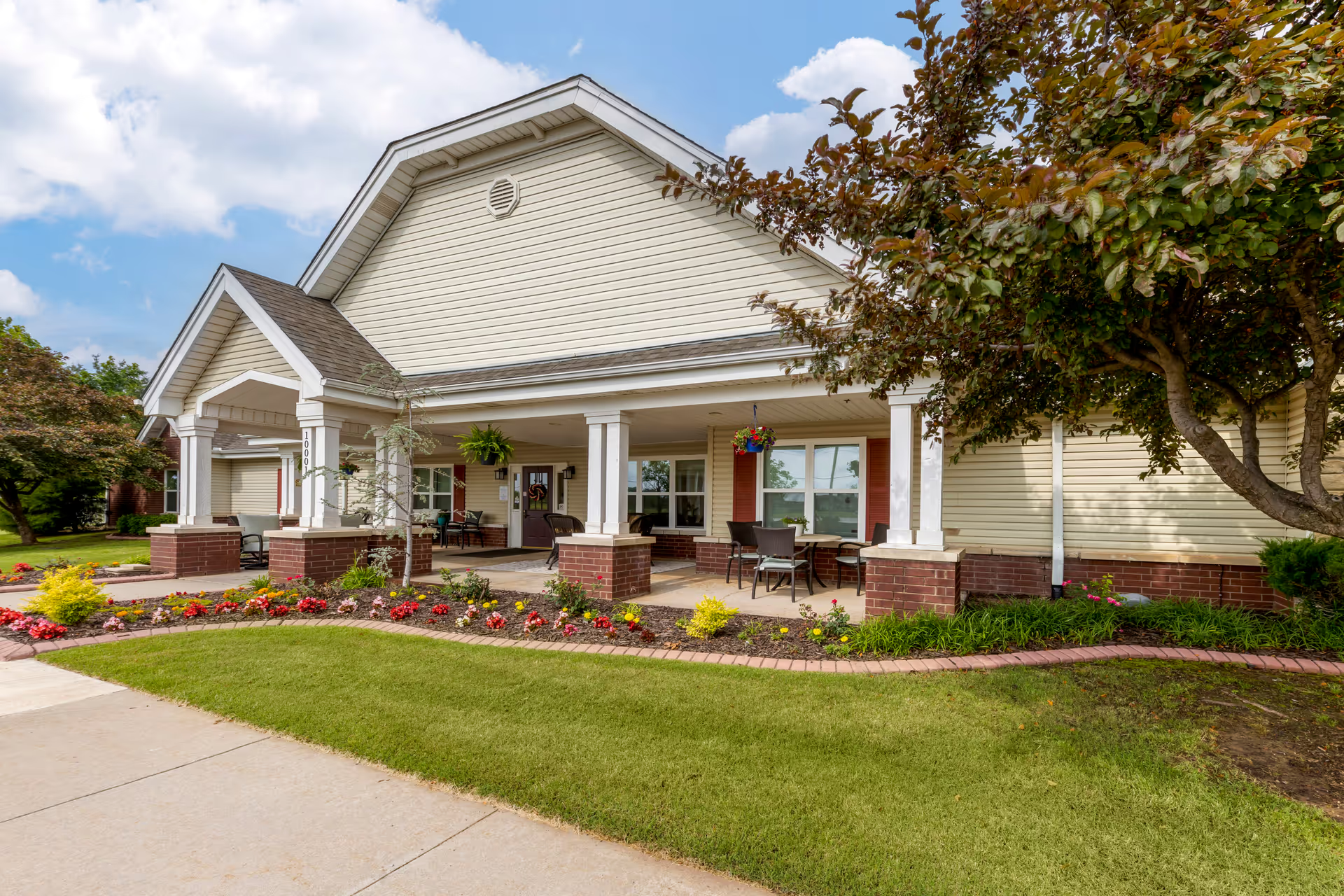
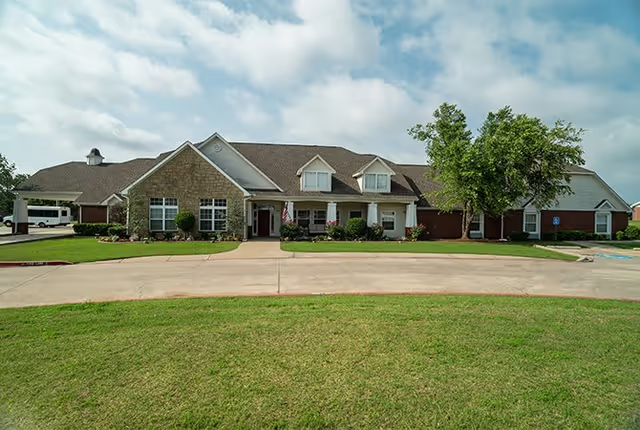
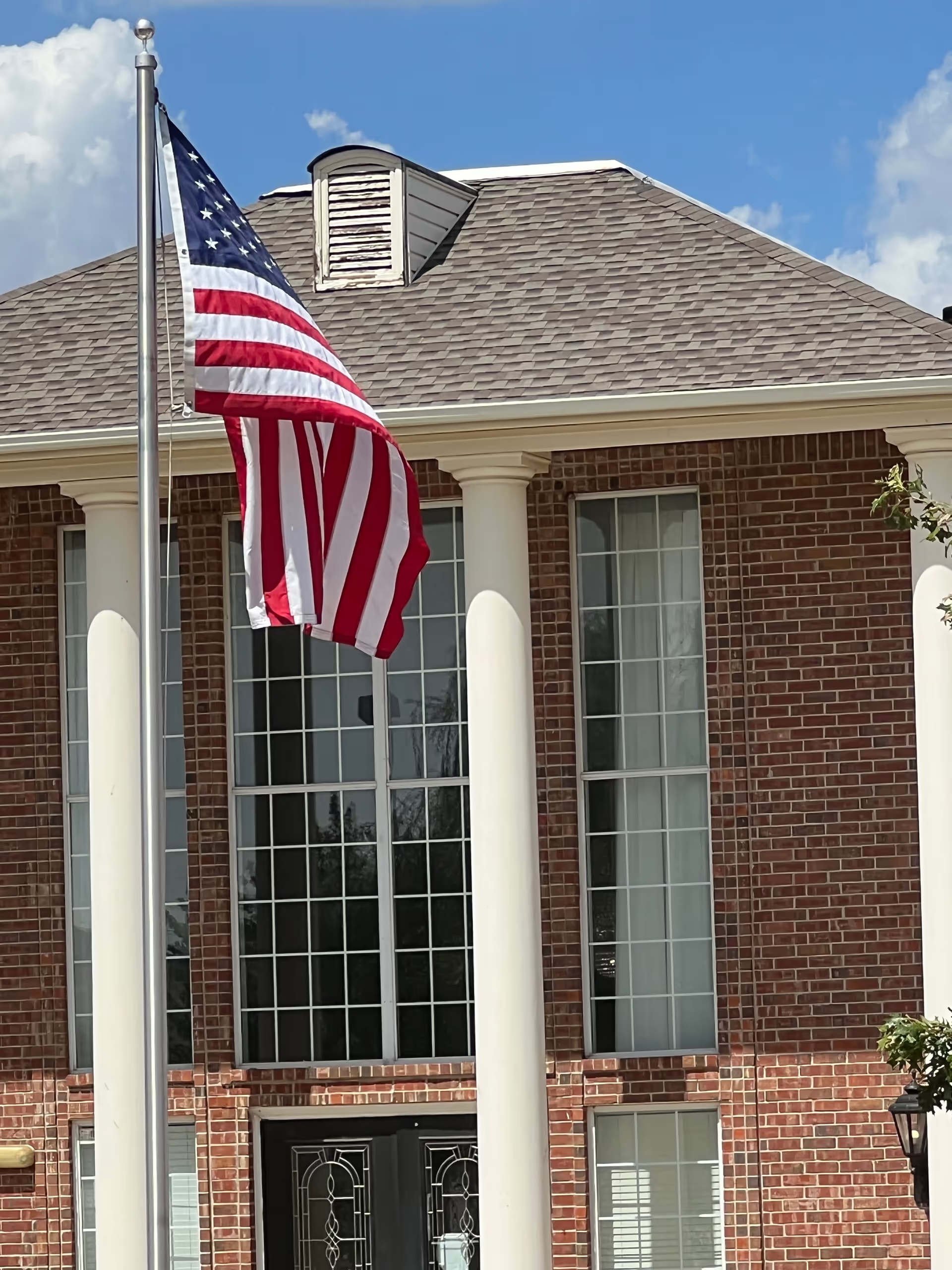
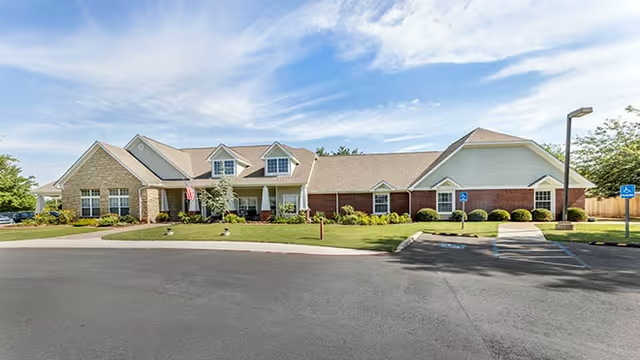
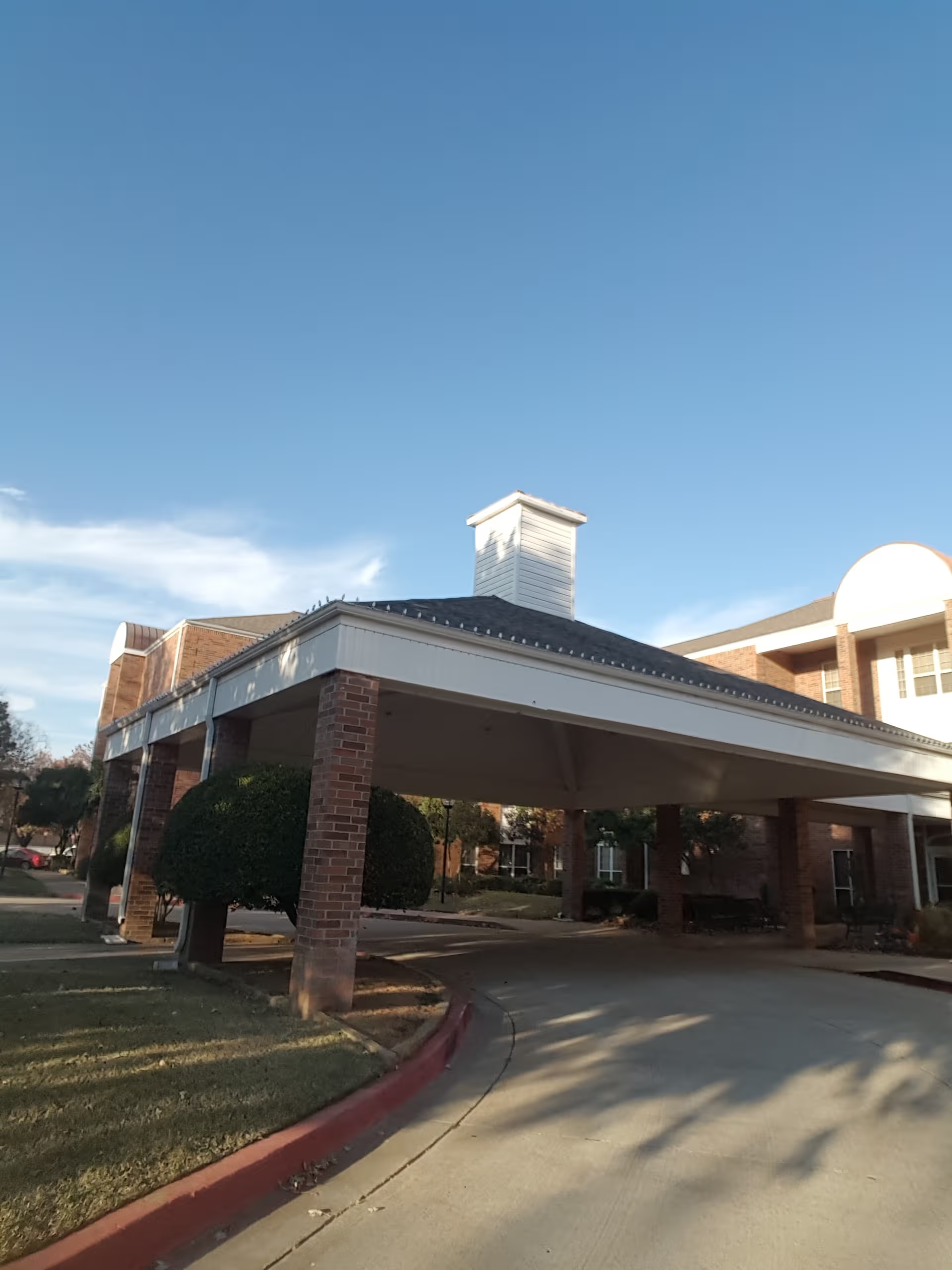
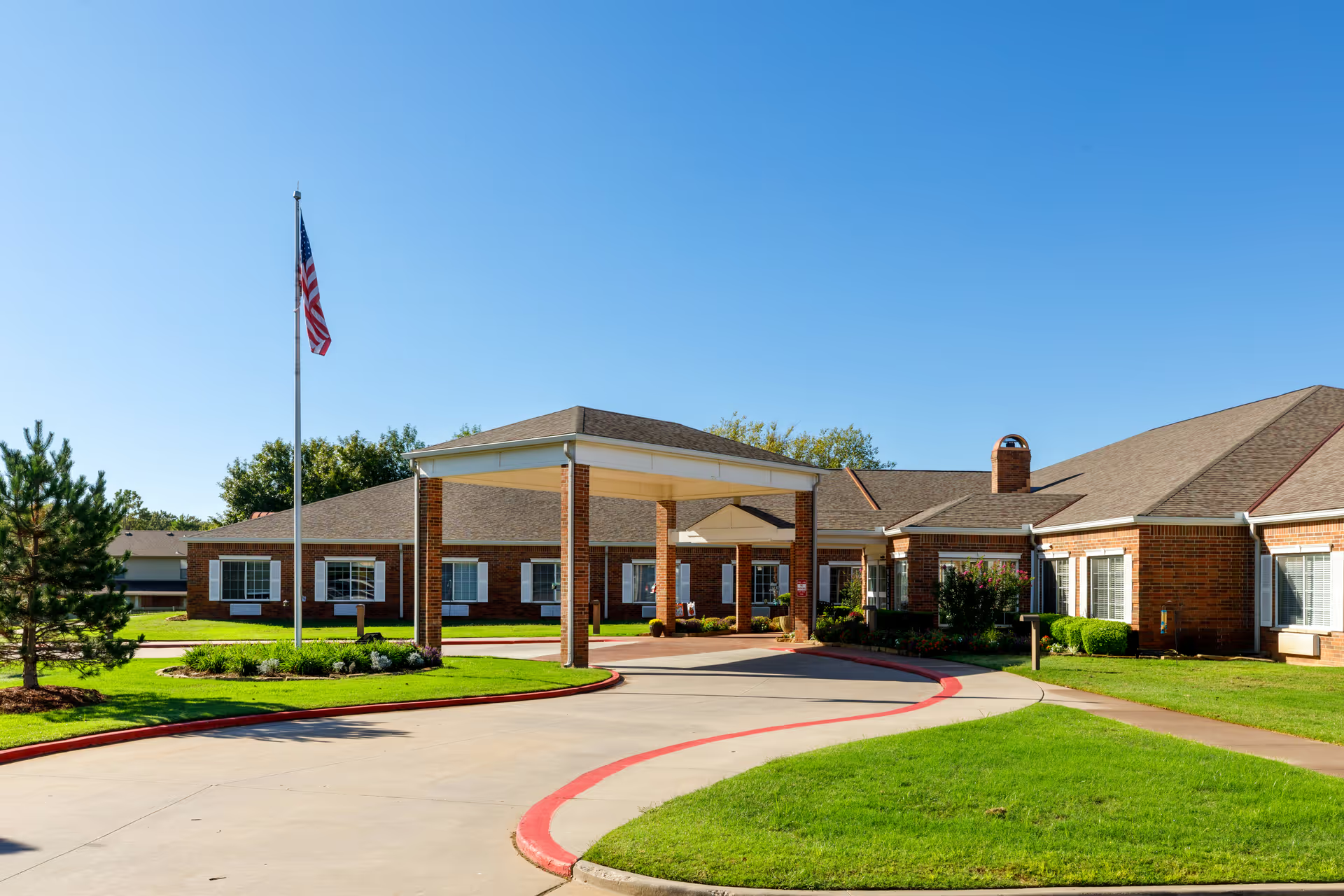
Legend Memory Care at Rivendell is generally described by families as a well-maintained, dementia-focused community with a strong emphasis on life enrichment and personalized transitions. Reviewers consistently praise direct-care staff, activity leadership, and local clinical supports: caregivers are described as compassionate and experienced with memory issues, the life-enrichment program offers frequent, level-based groups and outings, and on-site therapists and physicians reduce the need for external travel. The physical environment is repeatedly noted as clean, pleasant, and intentionally designed for residents with cognitive impairment, with small neighborhoods, secure outdoor areas, and multiple quiet spaces.
Clinical and day-to-day care receive mixed but mostly positive comments. Several families commend nursing communication, medication administration, hospice coordination, and hands-on engagement during important transitions. At the same time, there are operational concerns tied to care consistency: families reported lapses in timeliness for certain clinical responses and pressure-injury prevention, and some noted weaker coverage during particular shifts. These issues appear linked in several accounts to workforce constraints rather than to the training or commitment of on-site staff.
Dining and activities are clear strengths for many residents. Food quality and portions are frequently praised, and activity programming is diverse — ranging from tabletop games and themed parties to museum outings and sensory programming. Some reviewers found menu variety or meal scheduling uneven at times, but the overall consensus is that mealtime and enrichment offerings contribute positively to resident quality of life.
Operational and management patterns show a split between strong local leadership and systemic challenges. Numerous families highlight accessible, responsive residence directors and proactive sales or transition staff; several accounts also describe noticeable improvement after leadership changes. Conversely, recurring themes include dependence on temporary agency staff, inconsistent weekend or shift coverage, gaps in aide accountability and follow-through, equipment maintenance problems (for example, emergency pull-cord reliability), and difficulties resolving billing and personal-property issues. A few reviewers described poor responsiveness from corporate-level contacts when escalations occurred.
For prospective families this profile suggests clear strengths in person-centered dementia programming, a clean and secure environment, and staff who are often caring and engaged. At the same time, it would be prudent to assess operational risk areas during a tour: ask about current staffing ratios and agency usage, training and supervision of aides, weekend and night coverage, incident-reporting and follow-up practices, pressure-injury prevention protocols, maintenance schedules for safety equipment, and billing/credit resolution procedures. Many families who chose Rivendell felt the community offered meaningful improvement over prior placements; weighing those experiential strengths against the identified operational variability will help determine fit for an individual resident’s needs.