Reviews for The Harrison of Oklahoma City present a mixed but consistent pattern: the frontline caregiving team and the physical community receive substantial praise, while management, administrative processes, and operational consistency are frequent sources of concern.
Care and staff: Numerous accounts describe caregiving staff as compassionate, attentive, and warm. Memory-care staff are often singled out for continuity and individualized attention, and families cite staff who develop close, familial relationships with residents. These strengths are linked to outcomes such as improved appetite, mobility gains, emotional well-being, and peaceful end-of-life experiences for some residents. However, that frontline strength is offset by recurring issues with staff continuity and leadership turnover. Reviewers describe frequent personnel and director changes that appear to contribute to variability in daily care and occasional gaps in clinical responsiveness, including medication-distribution timing and incident follow-up.
Dining and activities: Dining is frequently praised — several reviewers call the food restaurant- or resort-style, with appealing dining rooms and individualized meal choices. At the same time, there are operational concerns around meal delivery (cold plates, delays) and a lack of an explicit menu in some memory-care settings. Activity programming is broadly seen as robust and varied, with live musicians, exercise, games, and family-focused events. Yet some reviews indicate that activity availability and engagement can be inconsistent in memory-care units compared with the general population areas.
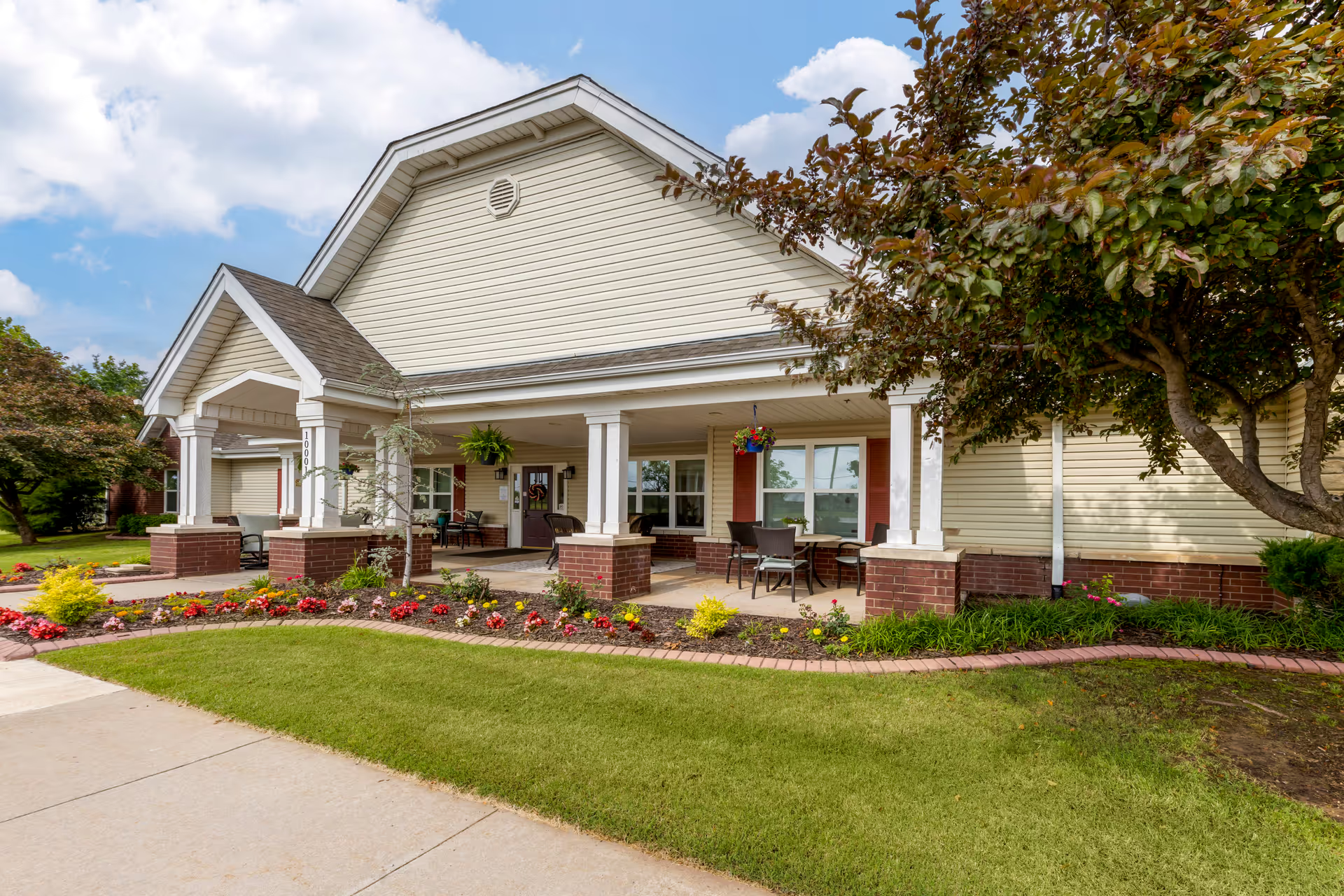
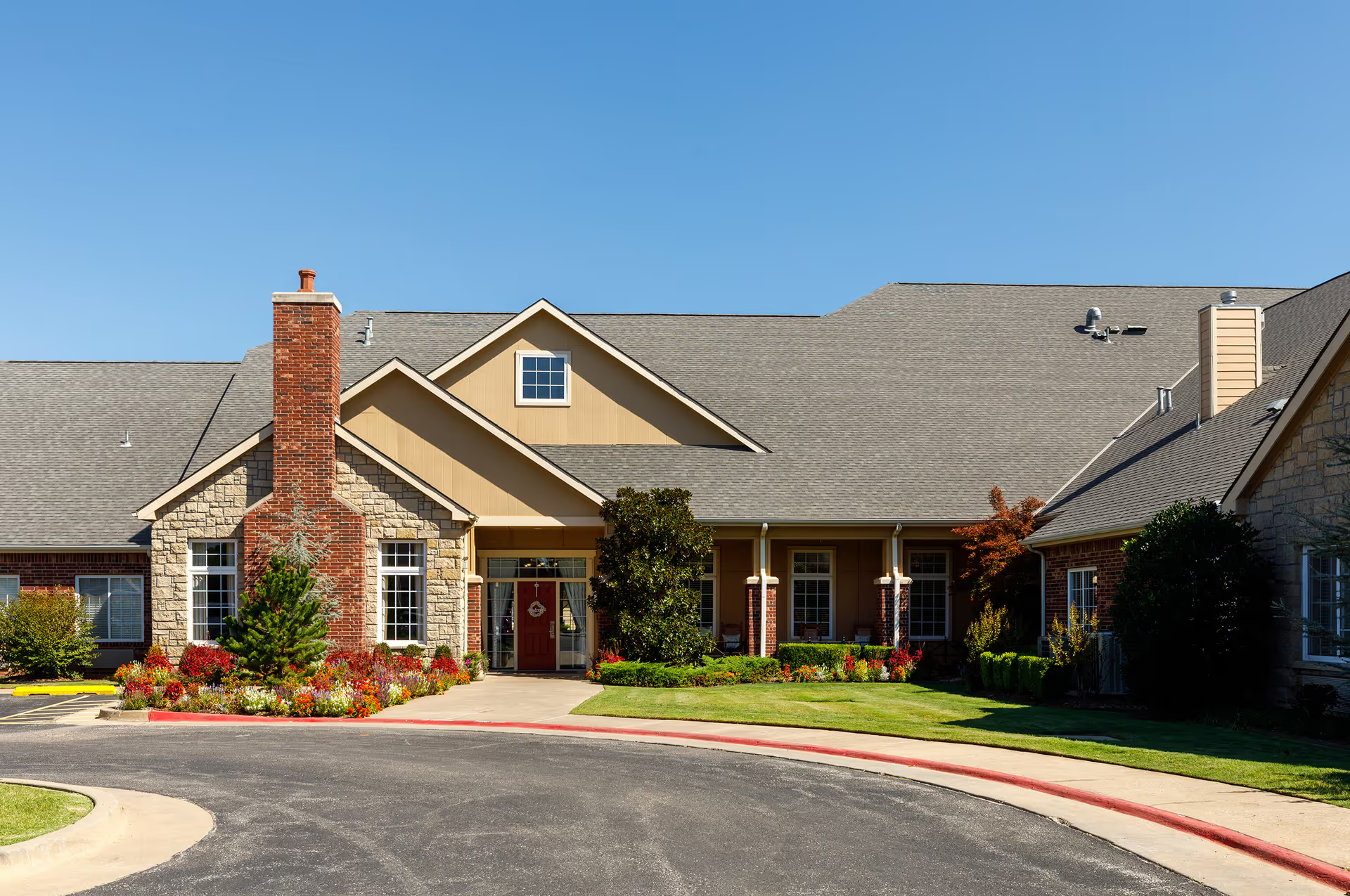
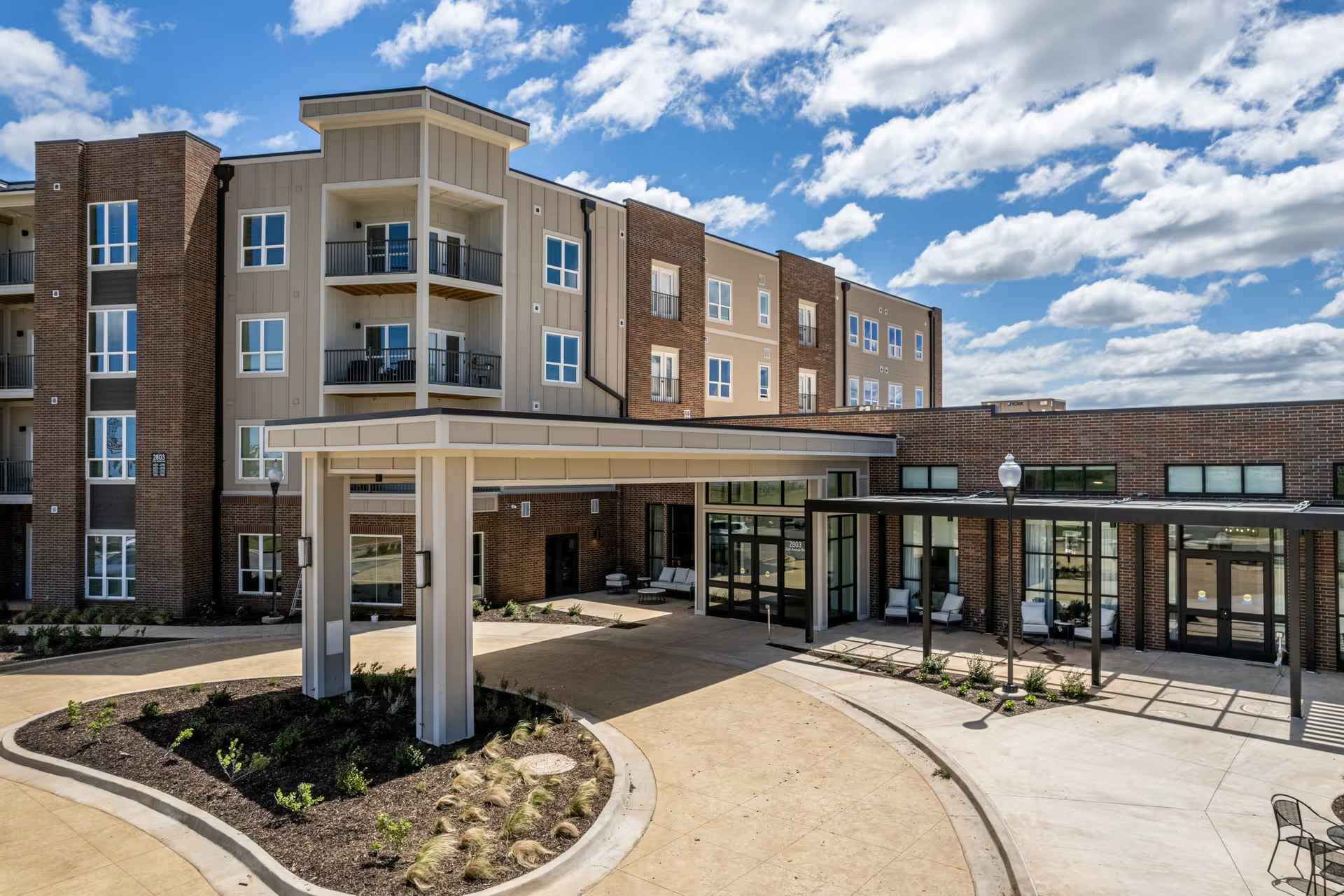
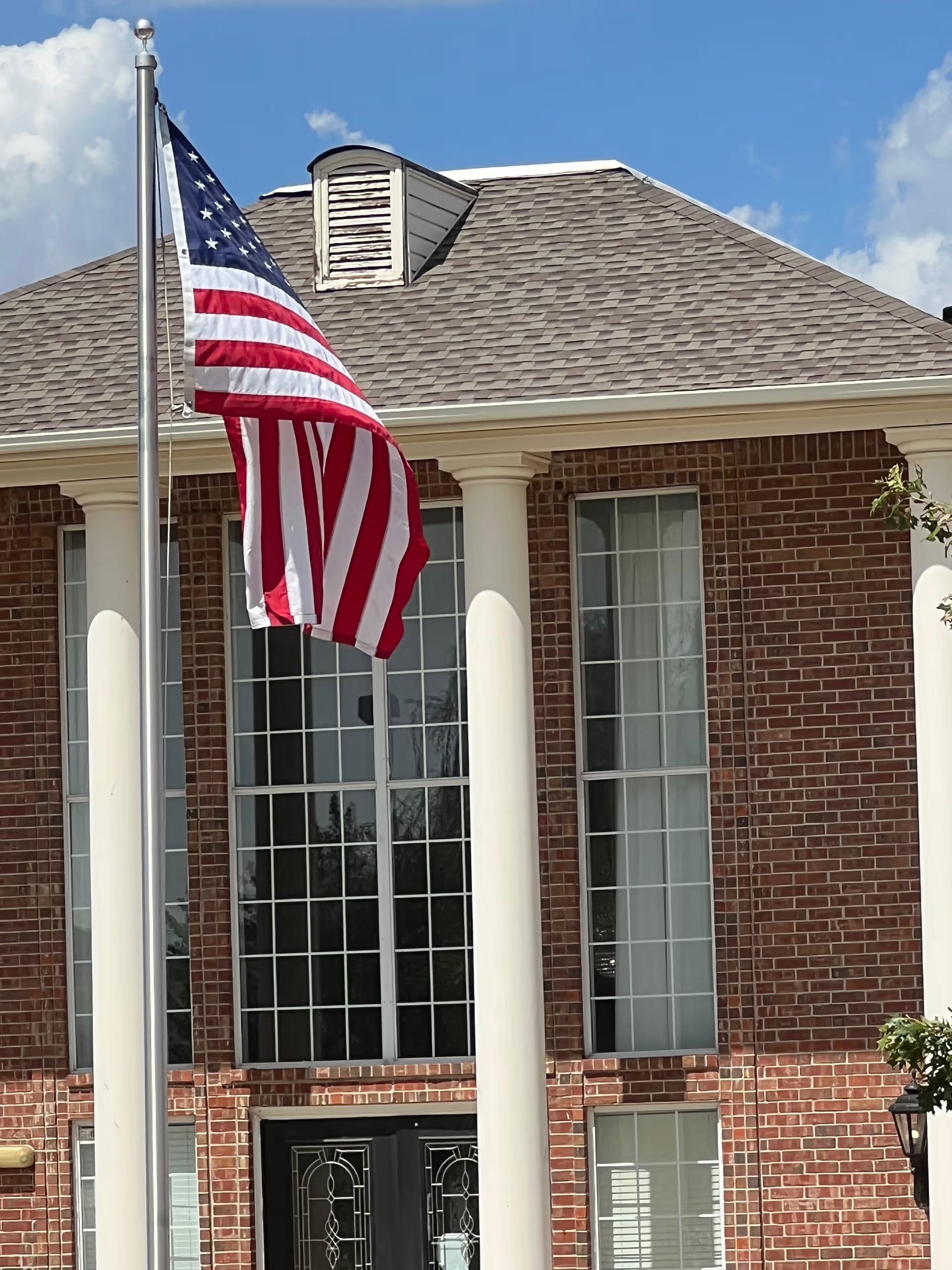
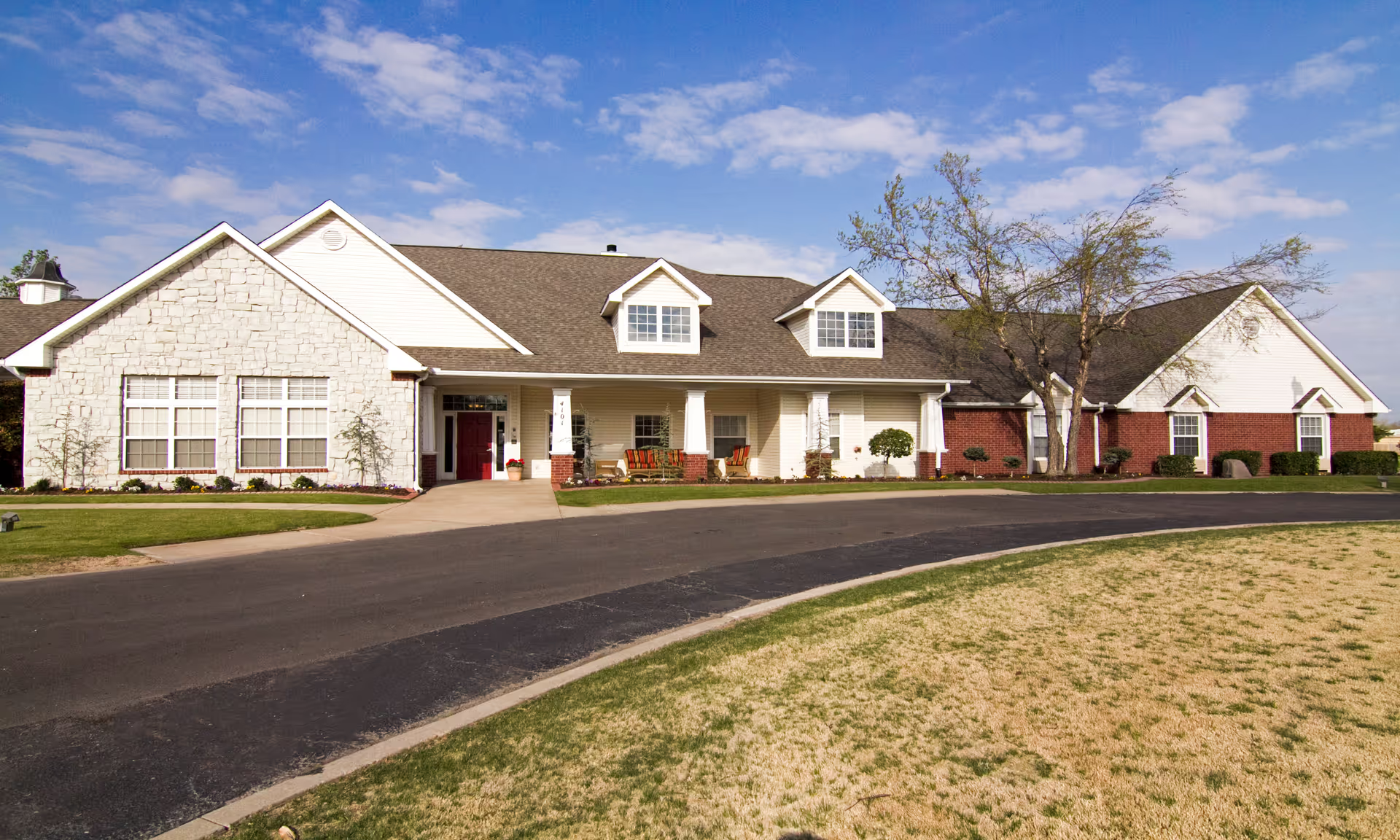
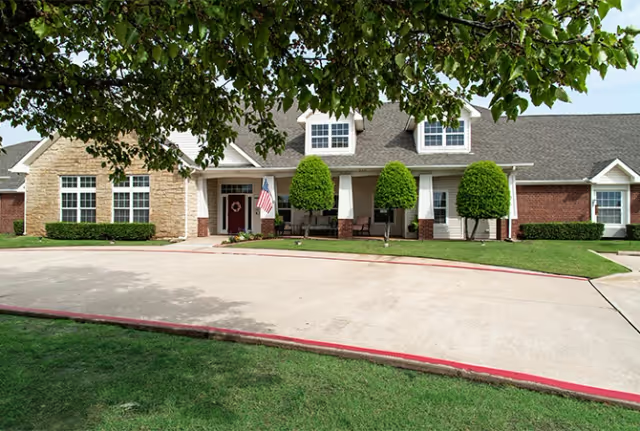
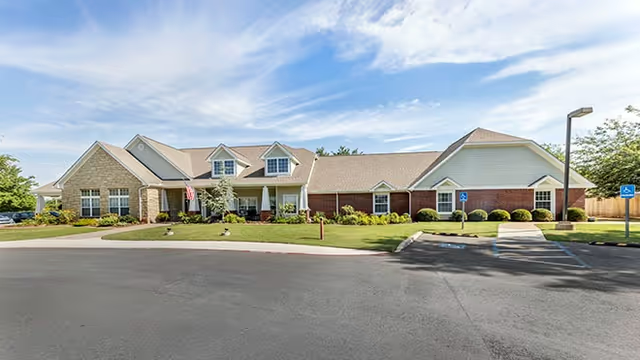
Facilities and amenities: The community is consistently described as well-maintained, clean, and hotel-like, with roomy one-bedroom apartments, inviting common areas, and family-friendly visiting rooms. Positive notes include smooth move-in support, helpful front-desk/concierge staff, and on-site spiritual options. A subset of reviews mention early maintenance or construction issues (for example, hot-water availability at move-in) and occasional maintenance lapses, suggesting variability in facilities commissioning and follow-through.
Management, communication, and operations: The most recurrent concerns center on management and administrative systems. Reviewers indicate high management turnover, slow corporate responsiveness, billing and contract changes or errors, and gaps in family notification practices — including instances where families felt they were not adequately informed about clinical changes or end-of-life planning. There are also comments about restrictive visitation policies during infection-control periods and uneven enforcement or flexibility around visits. Together these issues point to weaknesses in operational oversight, family communication protocols, and consistency in policy implementation.
Notable patterns and guidance for prospective families: If you are considering this community, weigh the demonstrated strength of direct care staff and the high-quality physical environment against the operational risks tied to leadership instability and administrative inconsistency. During a tour or contracting discussion, ask specific questions about current leadership tenure and turnover rates, staff-to-resident ratios and continuity plans, written communication and incident-notification protocols (including POA processes and end-of-life decision communication), billing and contract-change procedures, dining delivery protocols for special diets, and programming in memory care. These targeted inquiries can help determine whether the community’s strong caregiving culture aligns with reliable administrative oversight and consistent service delivery for your loved one.