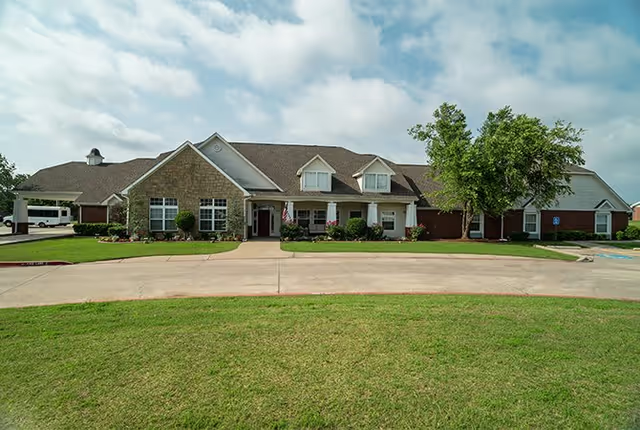
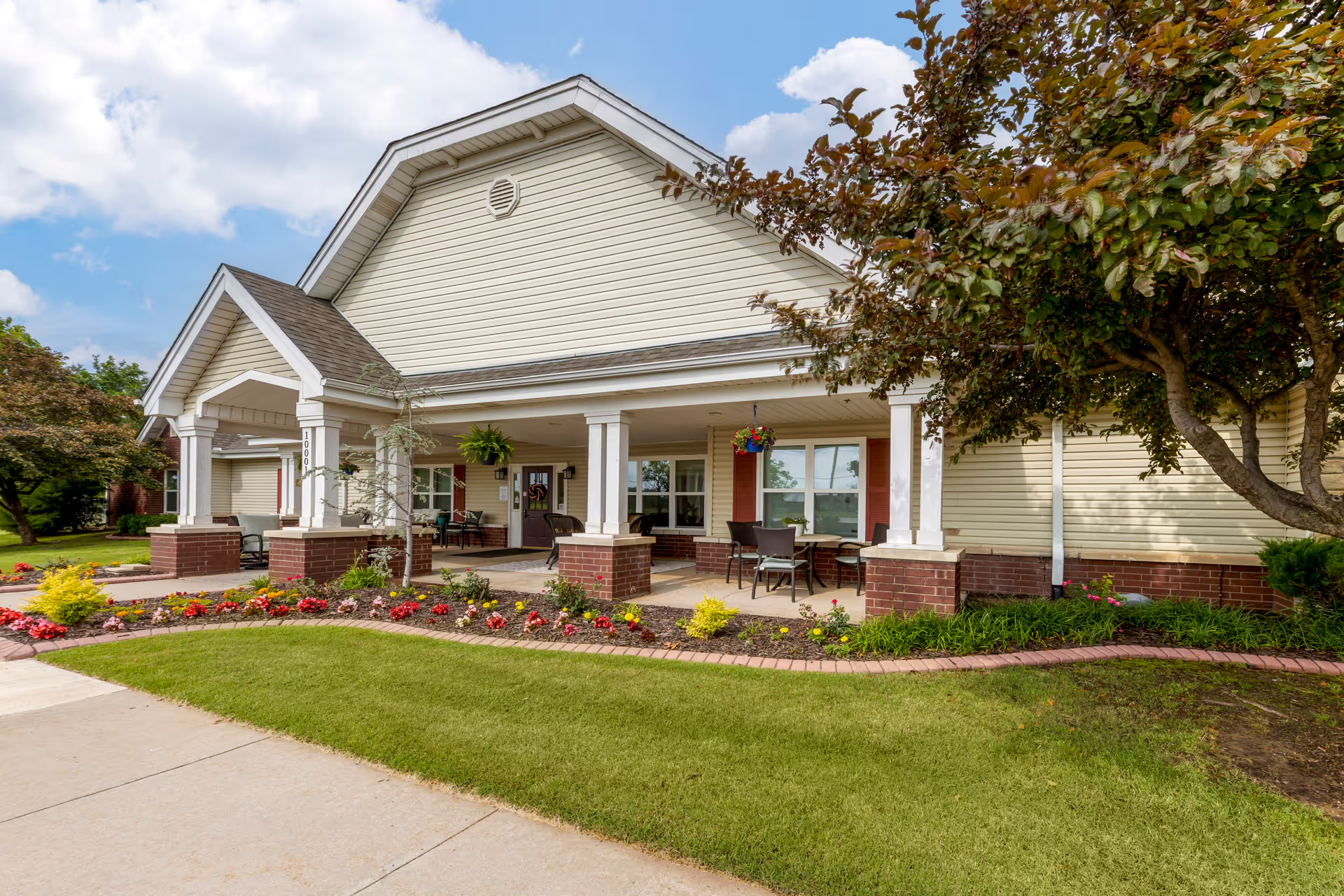
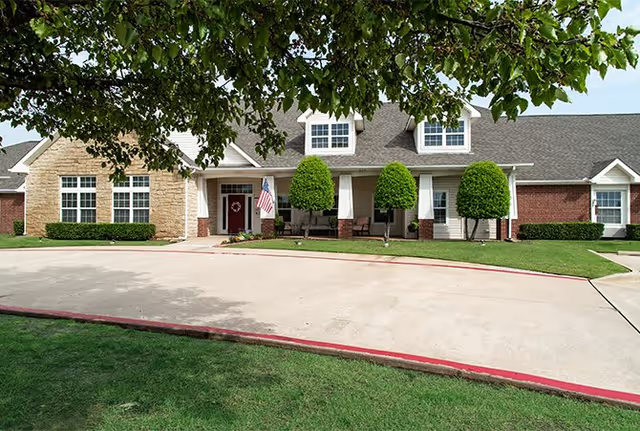
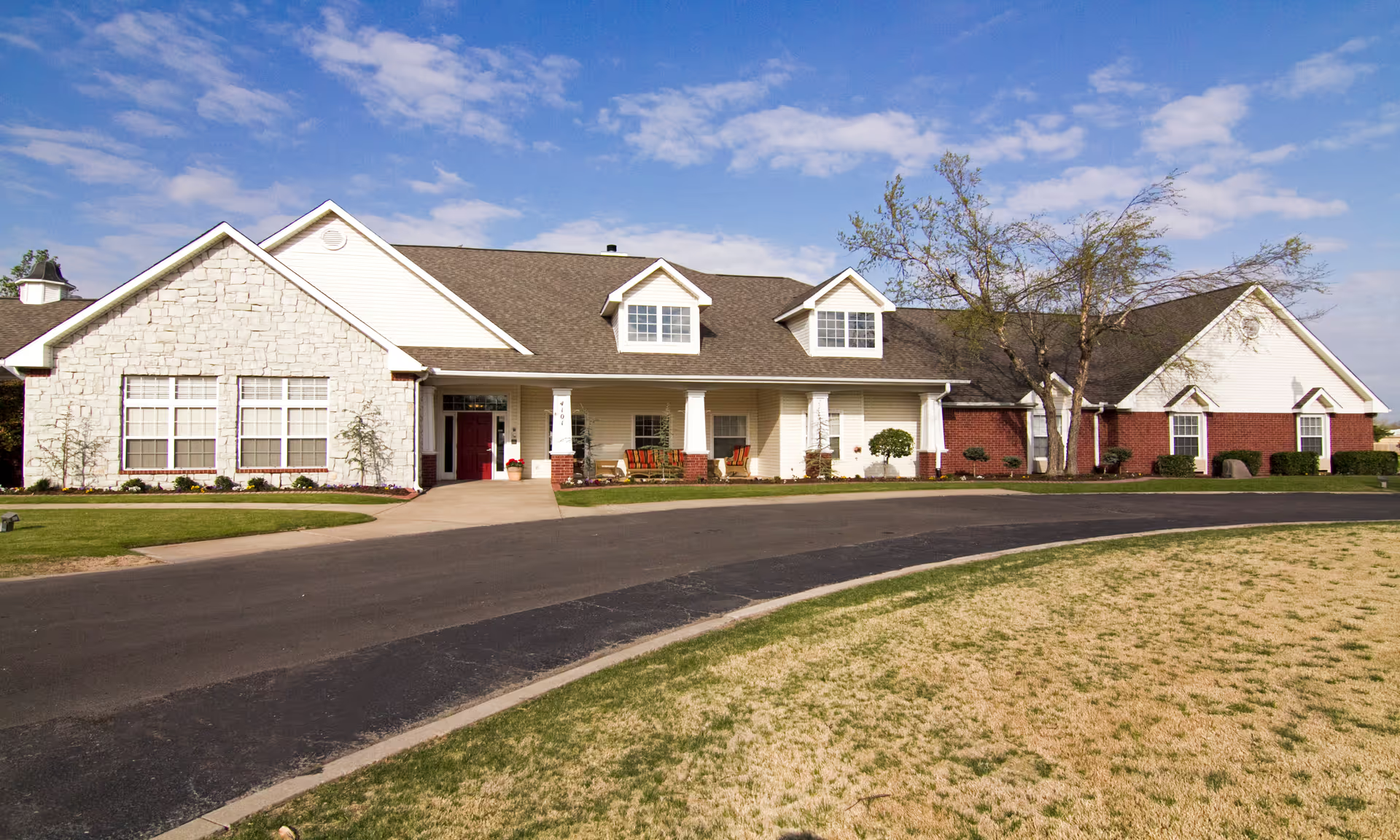
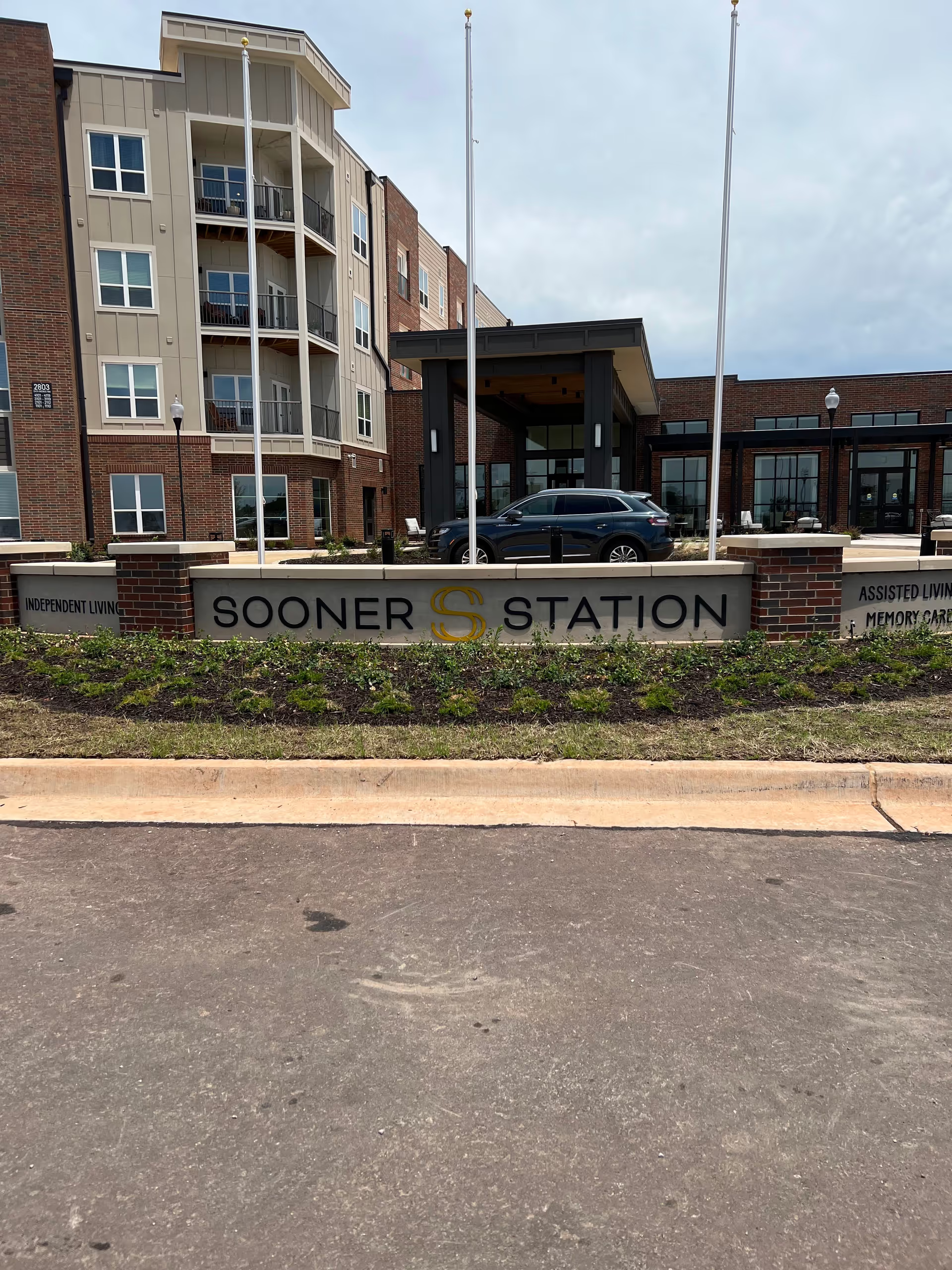
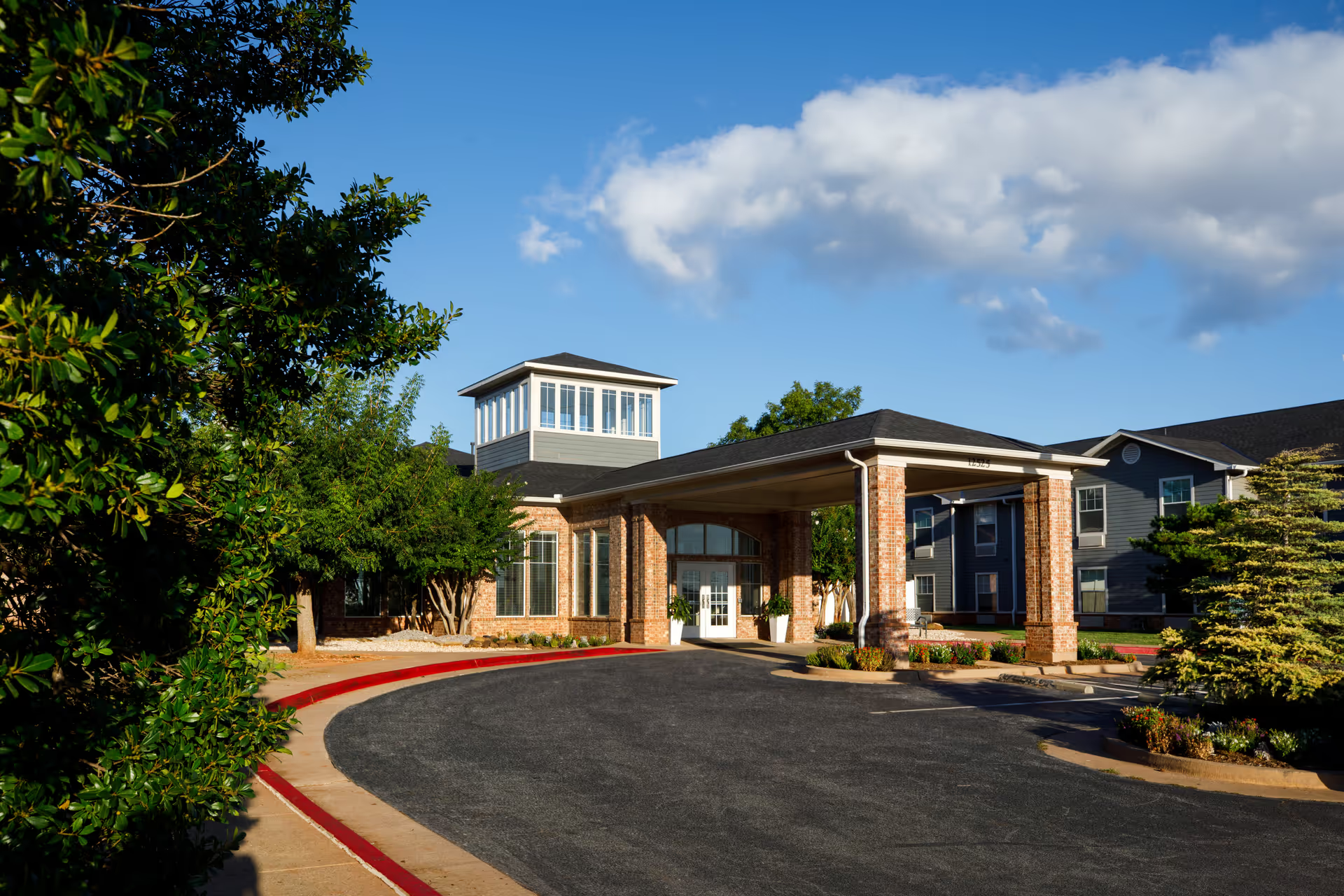
Feedback indicates strong strengths in care, staffing, programming and basic operations. The facility is consistently described as clean and well maintained, with regular housekeeping and laundry, proactive maintenance, and visible updates to apartments and common areas. On-site clinical resources — including nursing, a PA and geriatric providers — and 24/7 staffing contribute to a sense of medical oversight. Many descriptions emphasize compassionate, attentive staff who provide personalized attention and who know residents by name.
Dining and activities are prominent positive features. The dining program is characterized as restaurant-style with three meals daily, flexible dining hours, an extensive menu and readily available snacks. The activity program is broad and varied, including social games, crafts, faith-based services, exercise options, live music and group outings; transportation is available for off-site trips. These elements contribute to a lively social environment for residents and are often cited as value drivers.
Facility amenities add to the appeal: a salon/beauty service, library, private dining rooms, fitness spaces and occasional spa/whirlpool facilities are available on site. Apartments range in size but many units include full bathrooms, walk-in showers and space for personal furnishings. Security features such as controlled access and an on-site guard, plus proximity to hospital services, support resident safety and access to care.
At the same time, several operational patterns merit consideration. Outdoor space is limited and in some areas described as unattractive or constrained; this has implications for residents who require safe outdoor walking areas, including those with memory impairment. Common-area dining and lounge spaces are sometimes described as small or crowded. Availability and usability of certain amenities (for example, salon, snack shop or spa) appear variable, and some ancillary spaces have been described as cluttered or underused.
Communication and management patterns are mixed. Financial-staff interactions are generally described as helpful and detail-oriented, but there are isolated concerns about transparency in resident funds handling that prospective families should clarify during tours and contract review. Some feedback points to inconsistent staff communication or accessibility practices (for example, challenges in serving residents with hearing needs) and occasional variation in staff demeanor. Dietary accommodations are generally broad but there are isolated comments about gaps for special diets that warrant direct discussion with the dining manager.
In summary, the facility presents a strong option for families seeking affordable, medically supported assisted living with an active activities program, attentive staff and a clean, well-maintained environment. Prospective residents should confirm unit size and storage for the specific apartment they are offered, evaluate outdoor/ walking access relative to mobility needs, review dietary accommodation policies for chronic conditions, and discuss financial-management and accessibility practices during admission to ensure they align with the resident's requirements.