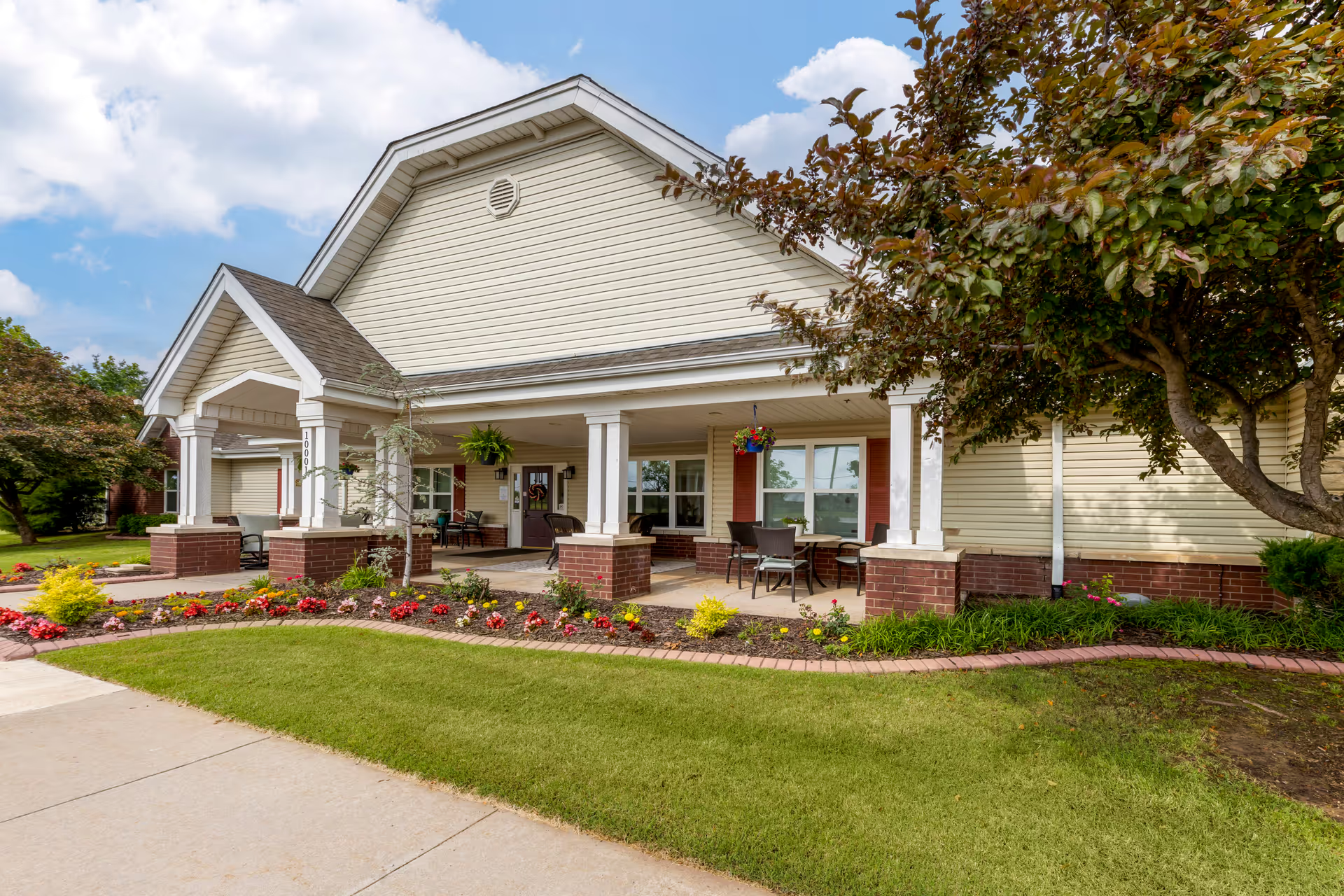
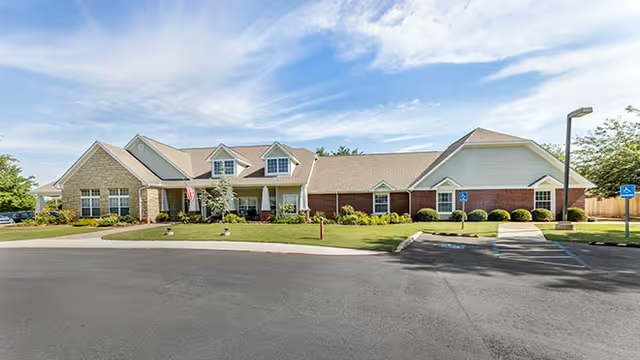
Village on the Park presents as a large, campus-style senior living community with many features families look for: attractive grounds, a range of housing choices (independent cottages, apartments, assisted living, and a memory‑care neighborhood), on-site amenities, and a full calendar of social and enrichment programming. Reviewers consistently highlight a warm, family‑like culture, frequent social events (bingo, live music, trips, themed activities), therapy-animal visits, and proactive efforts by activity staff to keep residents engaged. Transportation services, meal offerings that can include fine-dining options, and regular housekeeping/maintenance are commonly cited as conveniences that support independent and assisted residents.
Staffing and caregiving are the community's most frequently noted strengths. Many families describe compassionate, personable employees across dining, activities, maintenance, and administration who learn residents' names and go beyond job descriptions. Several specific staff members and leadership figures were named positively, and families frequently credited staff responsiveness and continuity with residents' improved wellbeing. This strong staff-resident rapport contributes to a pronounced sense of community and resident satisfaction, particularly in independent‑living settings.
At the same time, reviews reveal variability in operational consistency. Dining receives mixed feedback: some reviewers praise chef-driven meals, desserts, and personalized options, while others report limited daily choices and intermittent declines in food quality or menu accuracy. Housekeeping and sanitation practices are likewise inconsistent by area—many described clean, bright common spaces, but some reviewers raised sanitation concerns and incontinence-care delays in certain units. These observations cluster most often around assisted‑living and memory‑care areas rather than independent living.
More serious operational themes appear in several accounts and should be addressed proactively by prospective families. There are mentions of resident property security gaps and at least one documented regulatory finding related to assisted‑living operations; these point to potential weaknesses in oversight, property safeguards, and incident-response protocols. Families also noted occasional staff presence variability and slower response times in non-urgent maintenance or care tasks. The memory‑care neighborhood is described as relatively small and physically tucked away from main activity areas, which may affect social access and visibility.
Financial and availability considerations are also recurring. The community is perceived by many as higher cost than alternatives; reviewers mention fee increases after the first year and a required lease structure. There is also frequent commentary about long waiting lists and limited immediate openings, which can affect planning timelines.
Recommendation: Village on the Park appears to offer a strong social environment, well-regarded frontline staff, and extensive programming that suits active independent-living residents and many assisted-living needs. Prospective residents and families should prioritize direct, specific questions during a tour about the community's recent regulatory history, sanitation and incontinence‑care protocols in assisted and memory care, property‑safeguarding procedures, staffing ratios and shift coverage, dining menu rotation and quality control, and detailed fee escalation policies. Those steps will help determine whether the facility's operational practices and memory‑care environment align with a family's expectations and clinical needs.