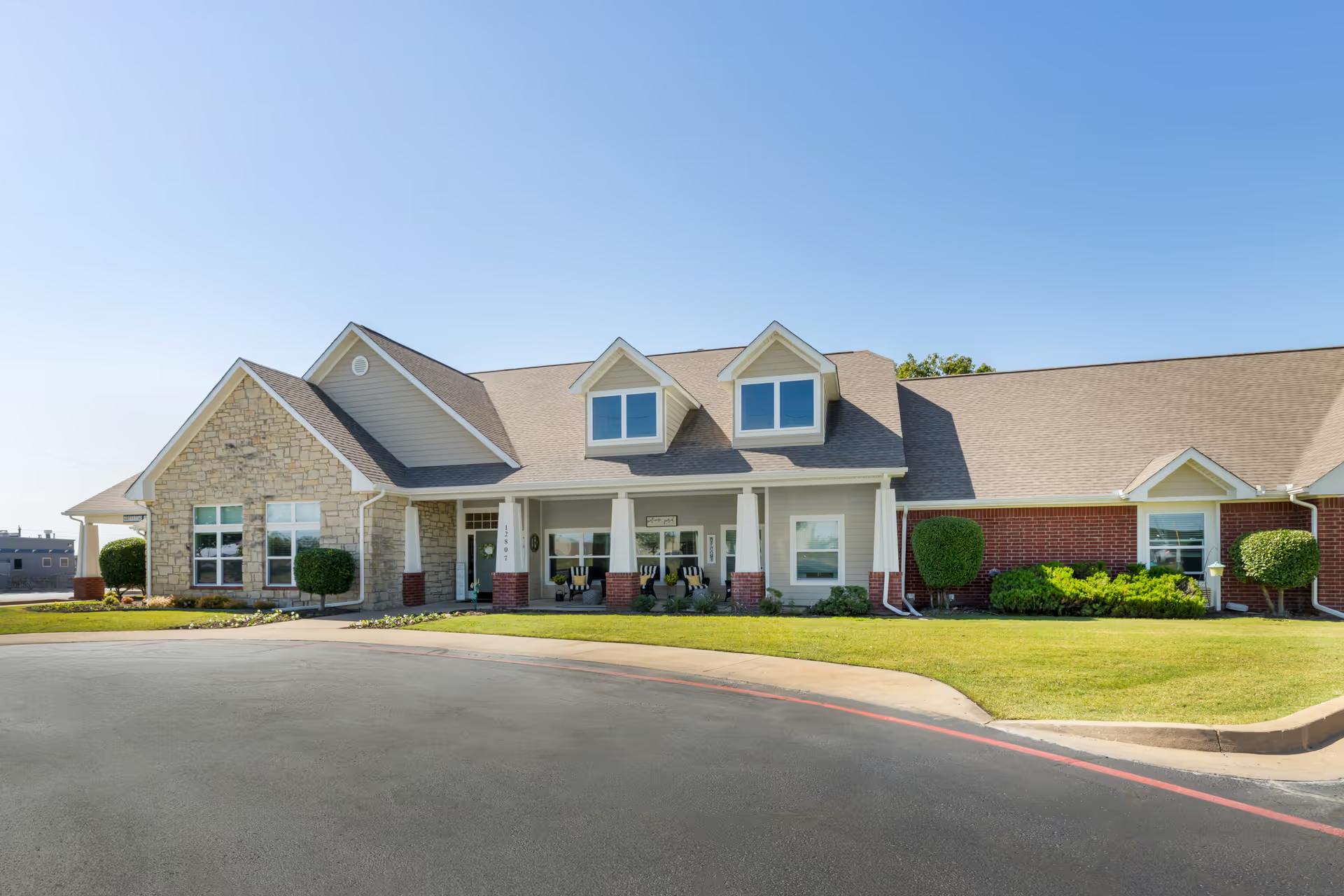
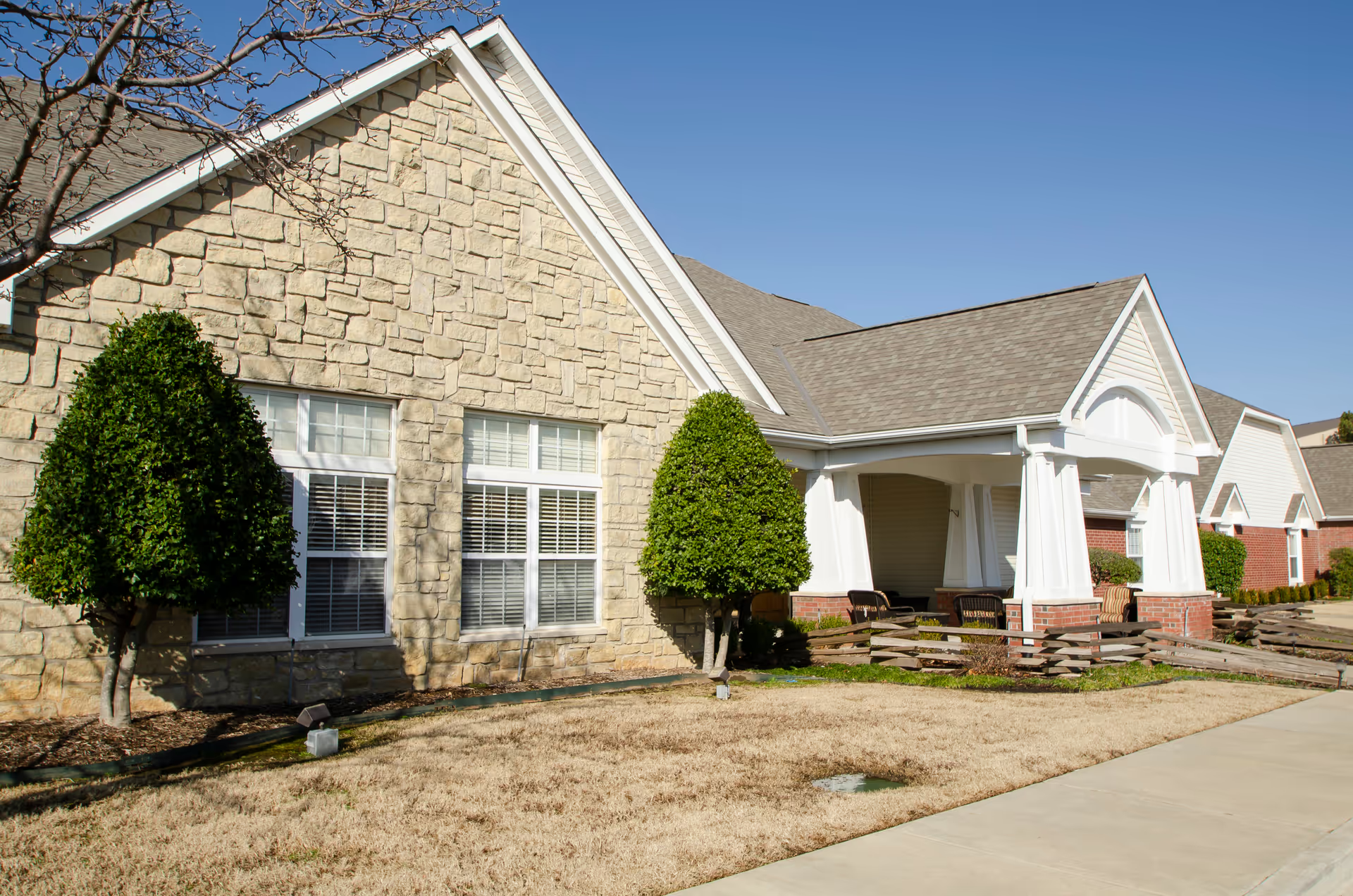
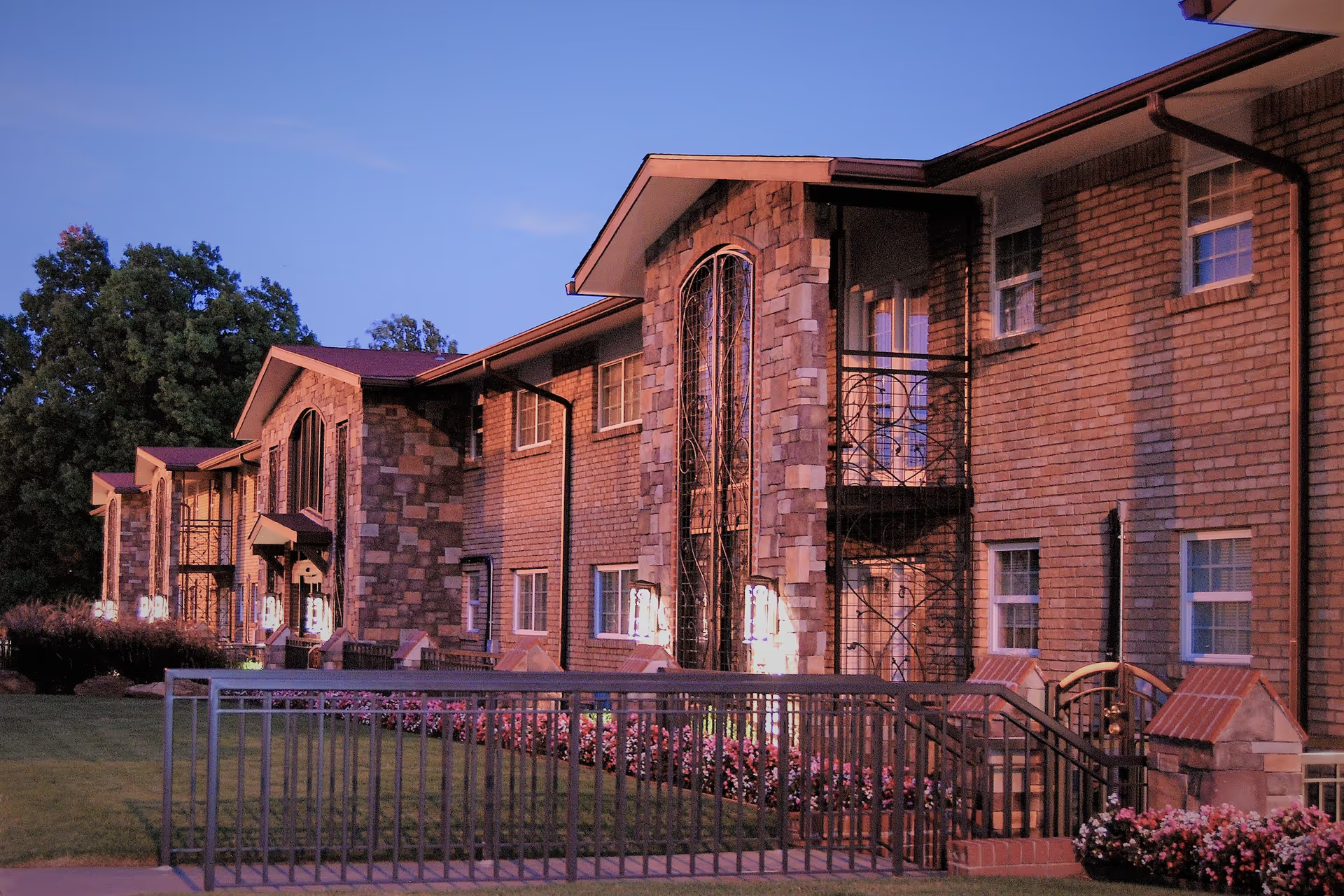
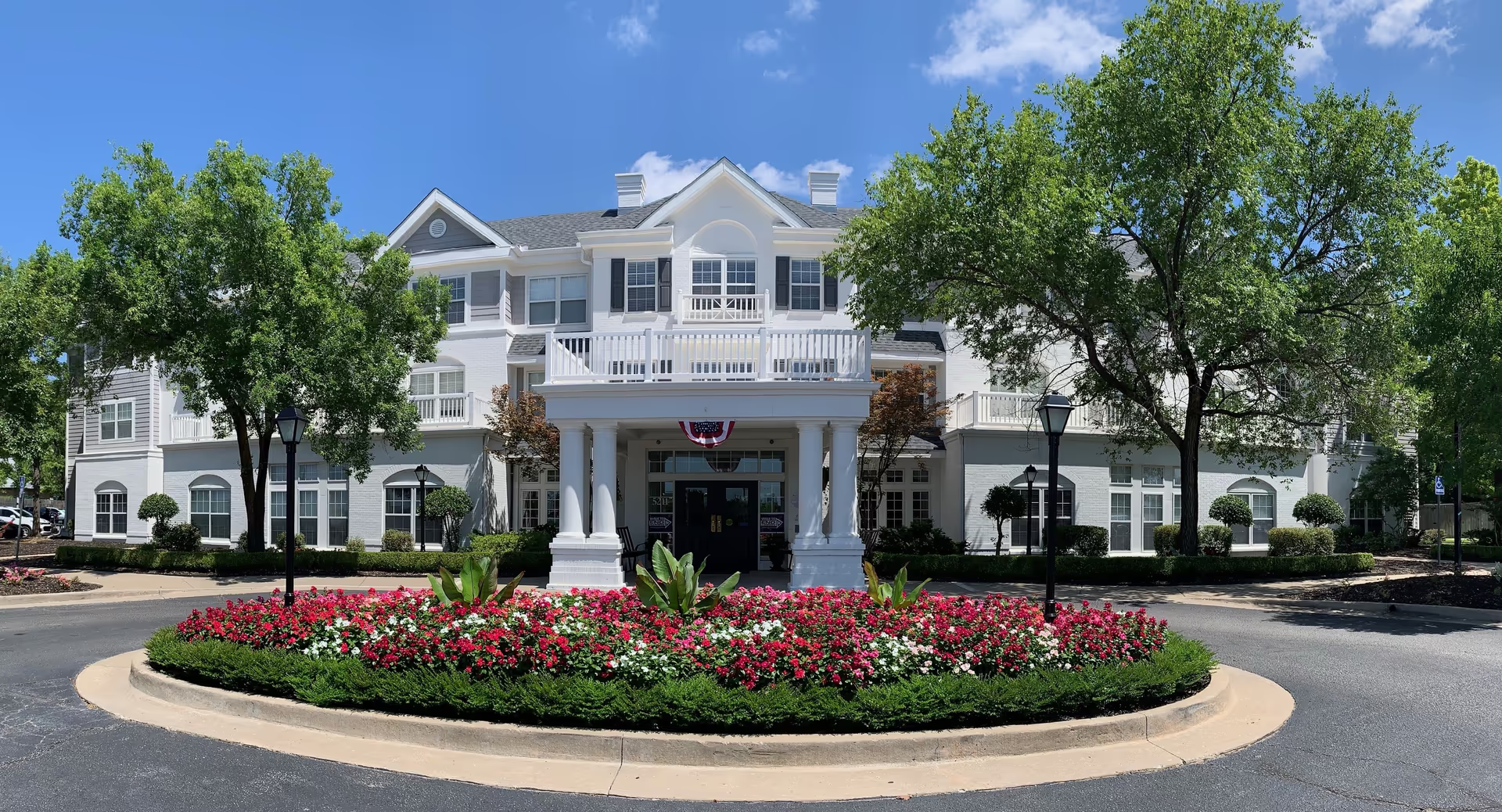
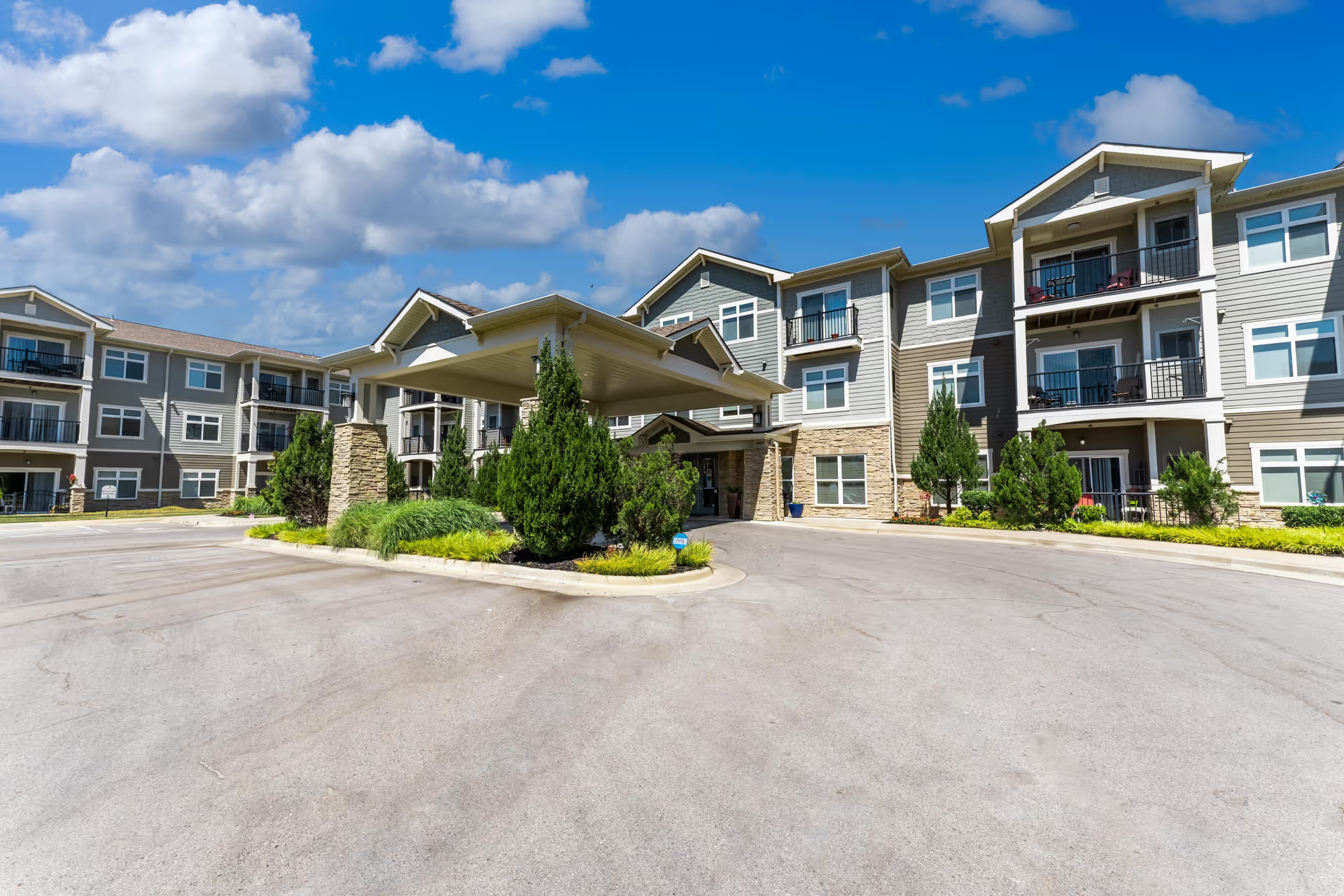
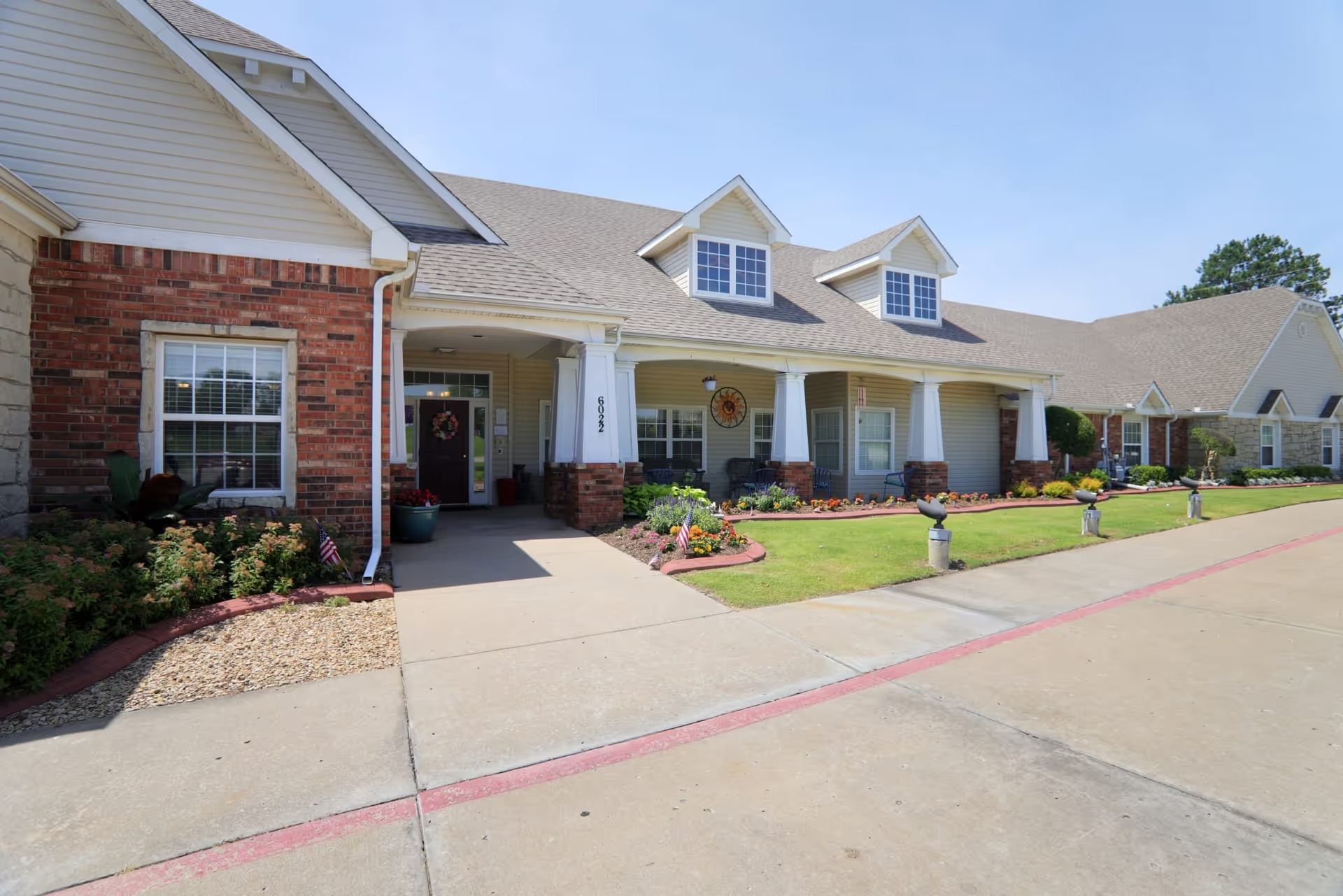
Homestead Assisted Living & Memory Care of Owasso presents a mixed profile: the physical environment and many day-to-day services receive strong, consistent praise while operational and clinical reliability are uneven. The building and apartments are frequently described as clean, bright and home-like, with apartment-style units that feature kitchenettes, larger layout options and common spaces such as a courtyard, fireplace, piano and salon. On-site maintenance and housekeeping are regularly noted as responsive, and the facility maintains a locked, dedicated memory-care unit and secured entry features that support safety and infection-control protocols.
Families commonly describe caregiving staff as warm, helpful and personally engaged; several reviews highlight attentive, compassionate caregivers and moments of individualized attention (help with grooming, social engagement, and hospice coordination). In parallel, however, a substantive set of reviews describe inconsistent care practices — including missed medications or documentation issues, delays in attending to resident needs, and particular challenges when residents require higher-acuity or bedridden care. These clinical and medication-management concerns appear to correlate with staffing levels and turnover, and several comments tie declines in consistency to recent leadership or staffing changes.
Dining and activities are another area of mixed feedback. Many residents and families appreciate home-style meals, the option to dine in-room, and occasional family meal offerings; others find food quality uneven or unappealing at times. Activity programming exists (bingo, dominos/canasta, church services, outings, weekly breakfasts, movies and garden walks are all mentioned) and the facility’s layout supports social engagement, but multiple reviewers report that activities are sometimes minimal, cancelled, or inconsistently staffed — leaving days that feel long for some residents.
Operationally, management impressions vary. Several reviews praise specific administrators and frontline leaders for responsiveness, clear communication, and above-and-beyond assistance during move-in and care transitions. Conversely, other families note slow or inconsistent follow-up on billing, phone/cable or entry-access problems, and difficulty getting timely responses. High staff turnover and gaps in staff training are recurring themes that can affect both front-line conduct and continuity of care.
For prospective residents and families: the facility offers many tangible strengths — a well-maintained, pleasant environment; a secured memory-care unit; on-site salon and hospice partnerships; and staff who, at their best, provide compassionate, resident-centered care. At the same time, the observed variability in staffing, medication processes, activity consistency and administrative responsiveness suggests it is important to verify current staffing ratios, medication-administration and documentation procedures, activity schedules and contingency plans for higher-acuity needs during a tour. Meeting current leadership, asking for recent staffing metrics, and speaking with families of long-term residents can help assess whether the operational patterns align with your expectations for reliable day-to-day care.