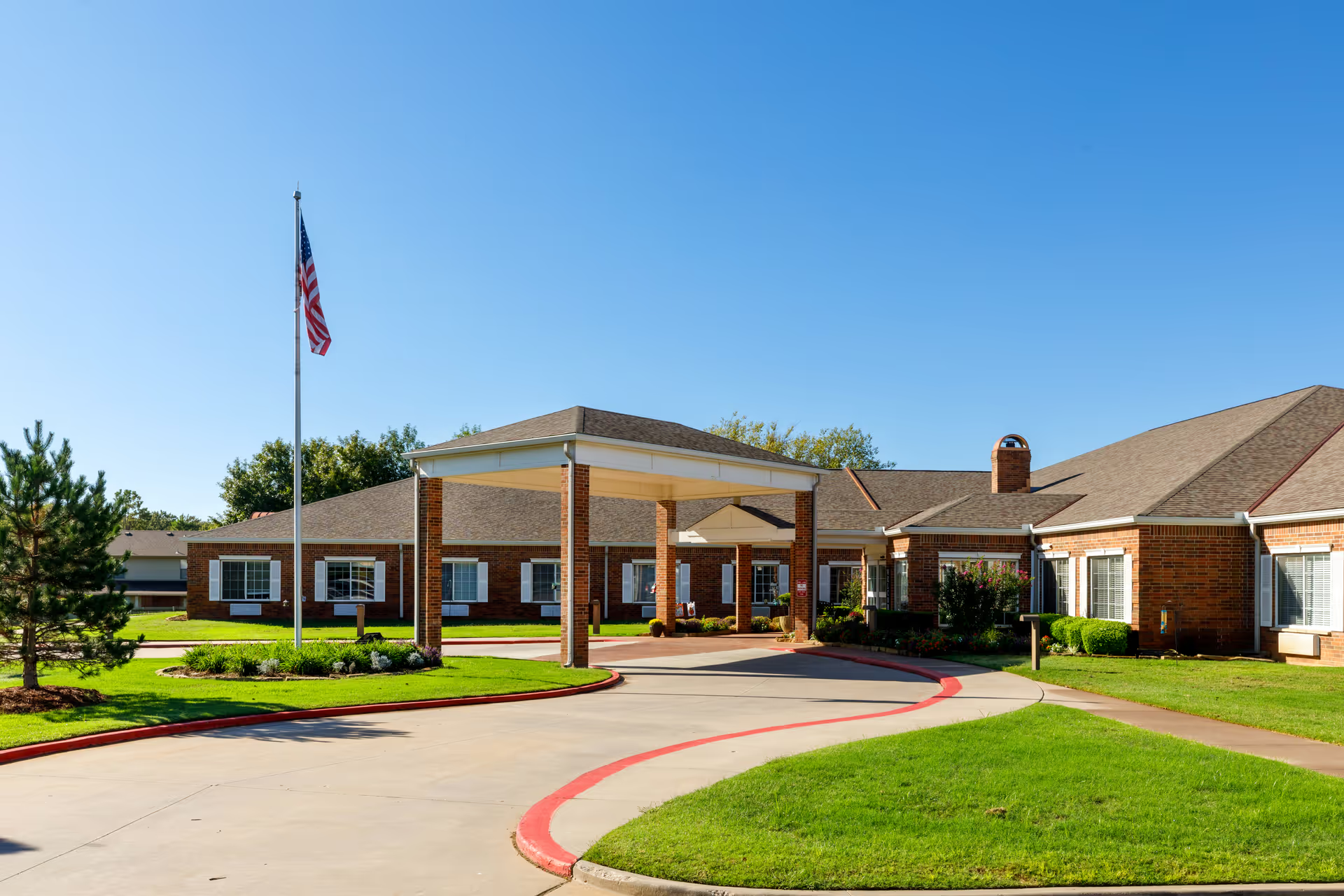
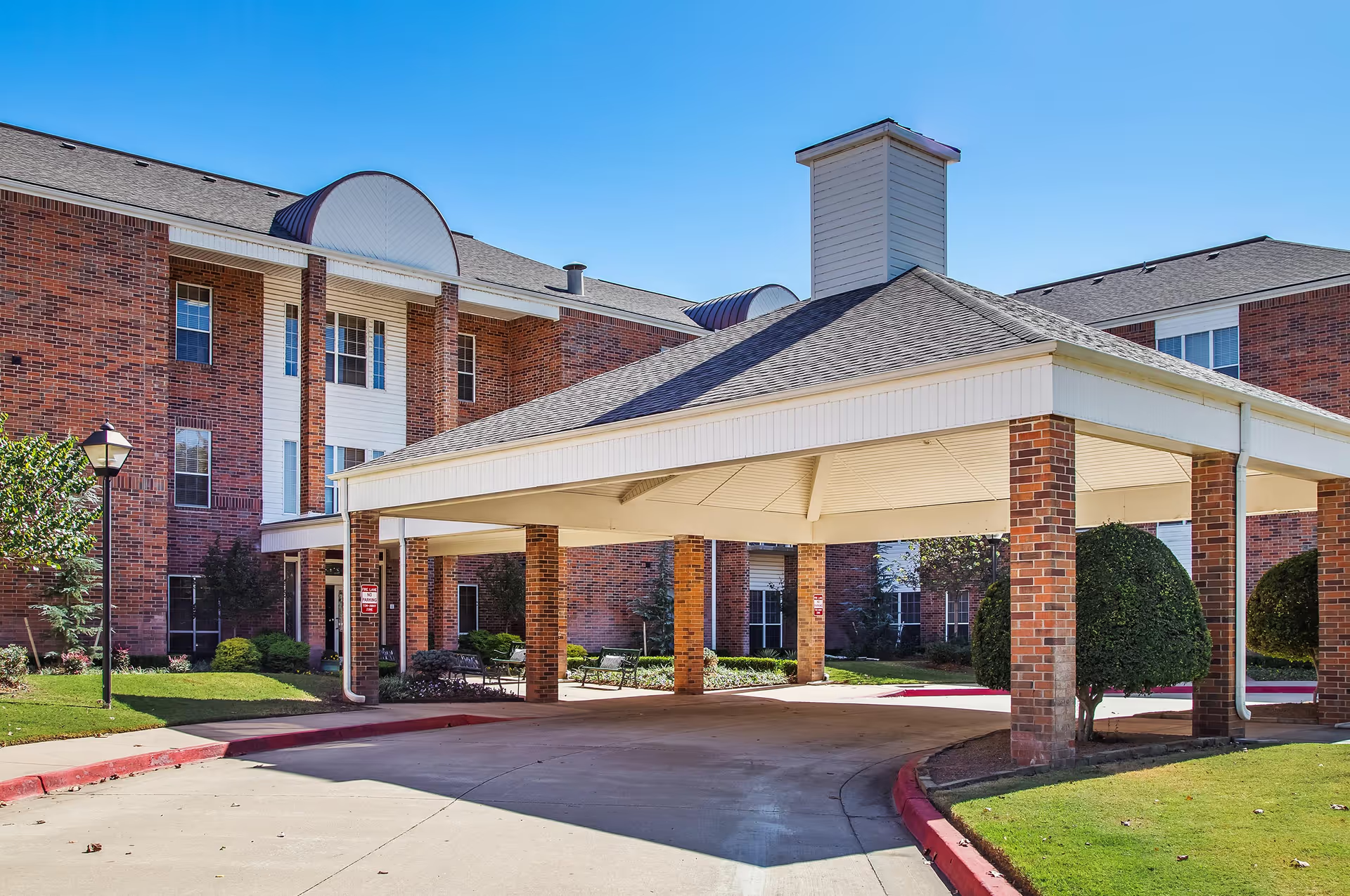
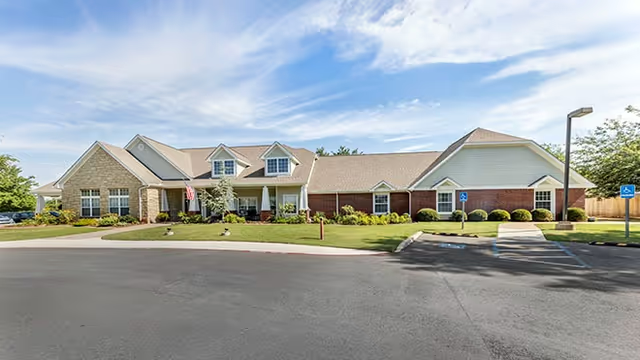
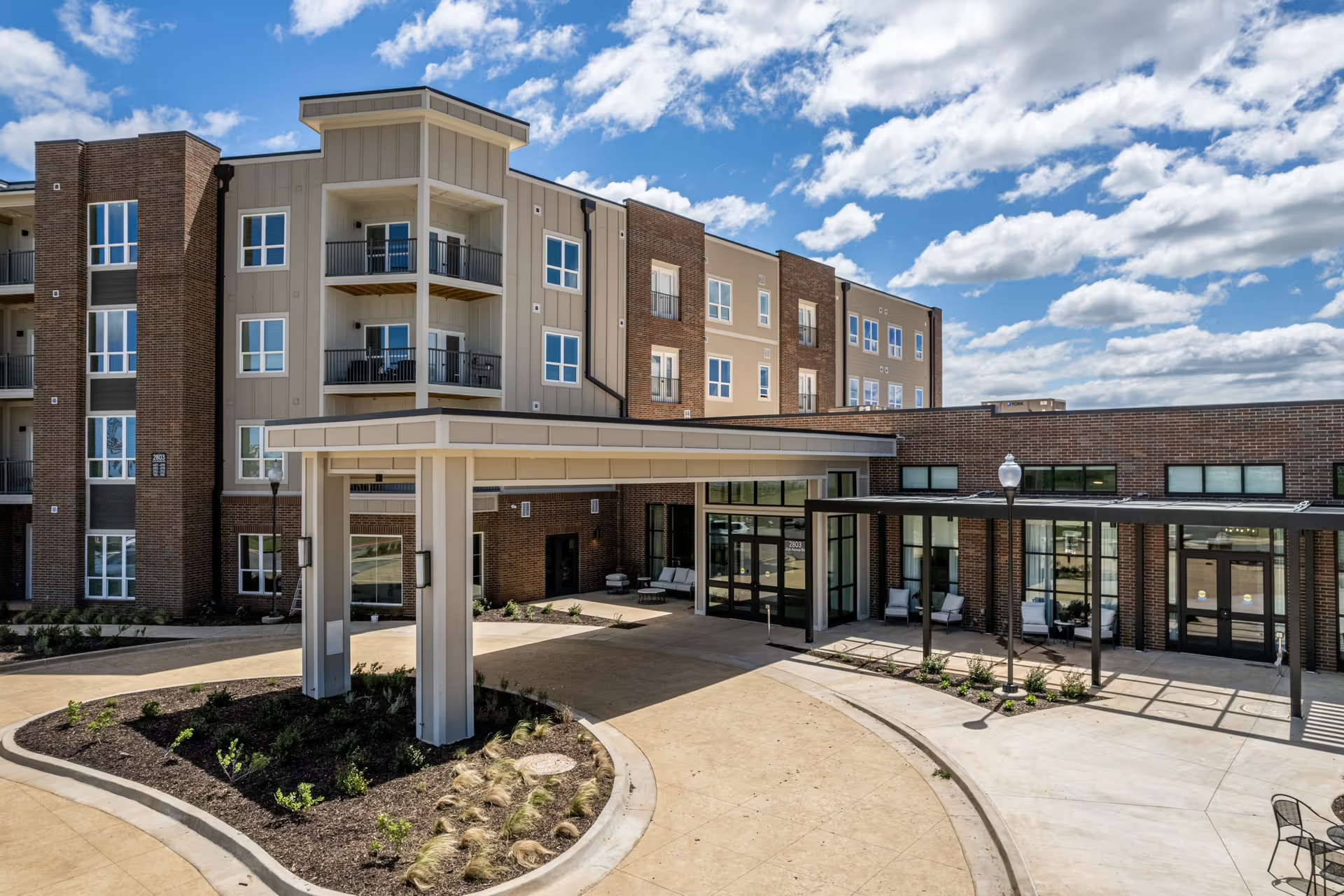
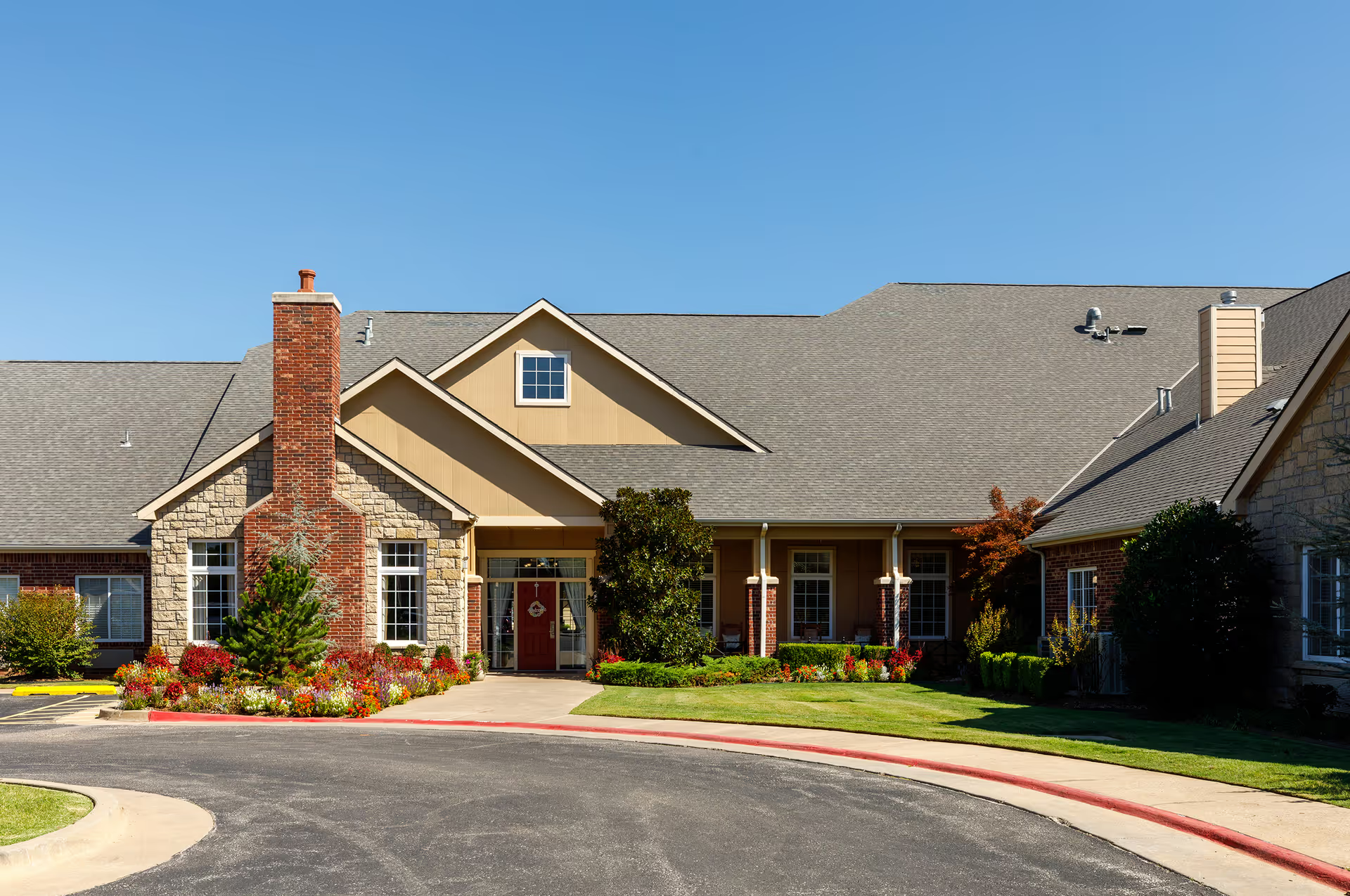
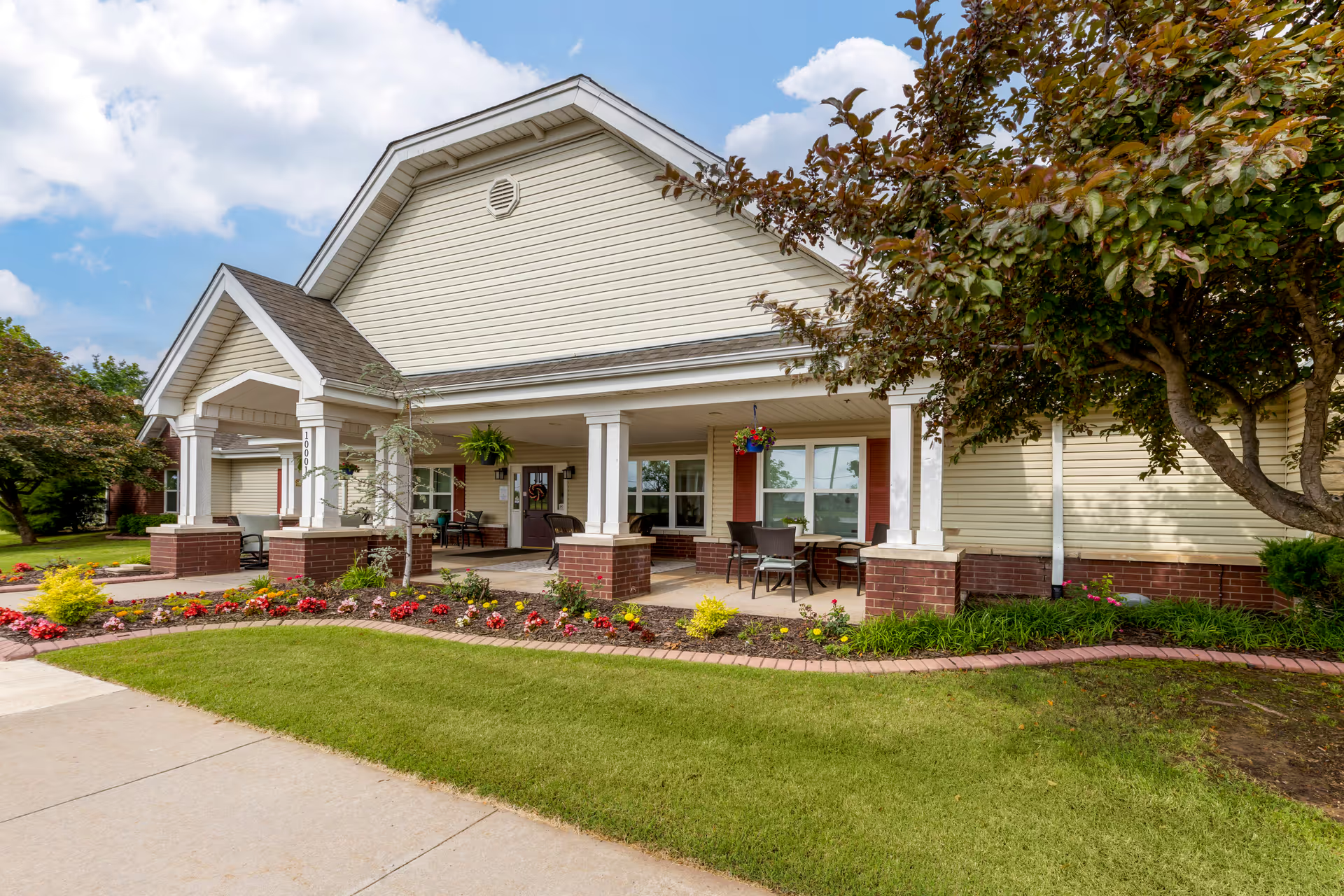
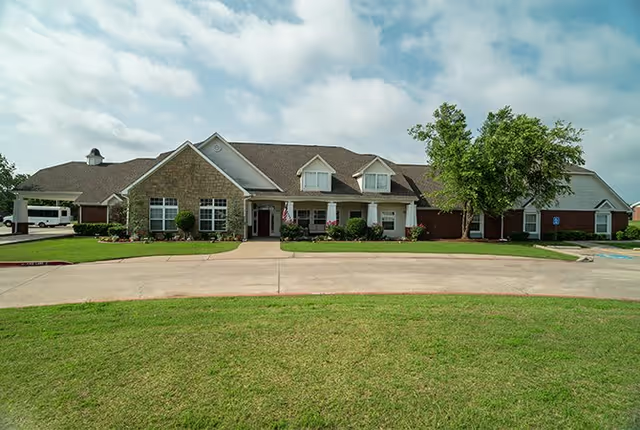
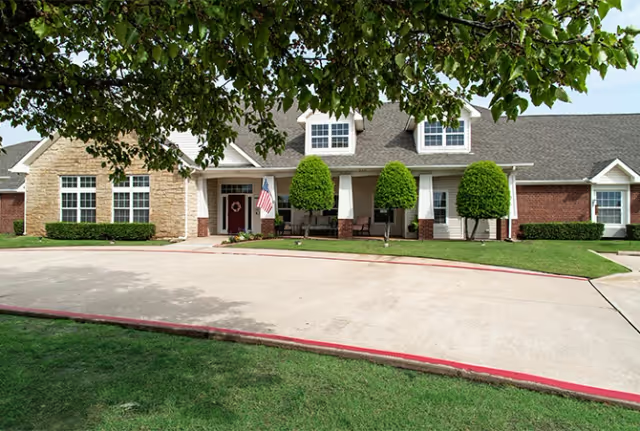
The reviews paint a mixed but informative picture. Many families and residents praise the facility's frontline strengths: staff are often described as caring, professional, and welcoming; accommodations are clean and have been recently remodeled; there are a variety of activities (cards, dominoes, bingo, exercise classes, outings and shopping trips); and amenities such as laundry service, an exercise room, an on-site beautician, and regular physician visits are available. Dining is frequently characterized positively, with several comments about good or “amazing” food and three-meal service, and routine housekeeping is noted as part of the daily operation.
At the same time, a set of recurring operational concerns appears across reviews. Clinical and care-quality issues include inconsistent medication administration and gaps in dementia-focused programming, which reviewers linked to boredom and unmet needs for residents with cognitive impairment. Some accounts describe delays or failures in incident response and escalation; these should be interpreted as potential gaps in clinical protocols and emergency-transfer practices rather than isolated language. Staffing levels and supervision are mentioned as variable, which reviewers associated with inconsistent service and occasional cancellations of family meetings or activities.
Communication and management practices show mixed signals. Several reviewers commend specific leaders and find administration responsive and easy to reach, while others describe cancelled family meetings, abrupt discharge timelines, and unclear fee increases when care needs intensify. This pattern suggests uneven family engagement and discharge-planning processes. Financial considerations appear important for prospective families: there are perceptions of high cost, additional charges for higher levels of care, and limited clarity around pricing and what triggers higher fees.
Other operational concerns include insufficient dietary customization for residents with special needs (for example, diabetic diets), and allegations related to personal-property control and privacy-protocol adherence—items disappearing from rooms and at least one account of a privacy breach were noted. Infection-control restrictions (such as COVID-related cancellations) were linked to reduced activity availability and resident boredom in some reports.
Overall, Westbrook Gardens demonstrates many strengths typical of an engaged senior living community—friendly staff, active programming, and maintained facilities—but the reviews also point to several areas needing attention: consistent clinical practices (medication and dementia care), clearer family communication and discharge policies, stronger property/privacy controls, and transparent fee structures. Prospective residents and their families should consider touring the community, asking specific questions about staffing ratios, dementia care staffing and programming, medication administration protocols, incident escalation and hospital-transfer policies, activity schedules during infection-control events, and a detailed explanation of fees and when they change.