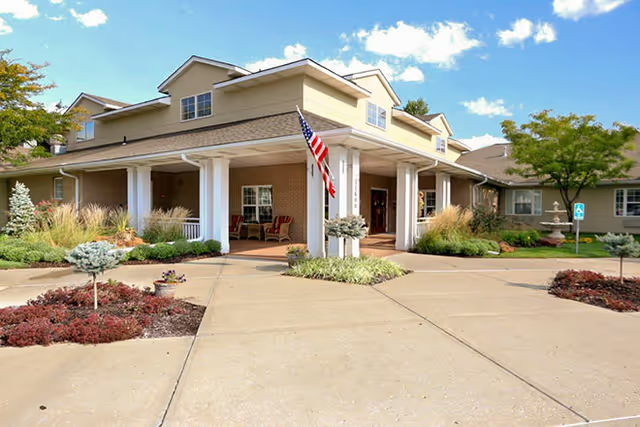
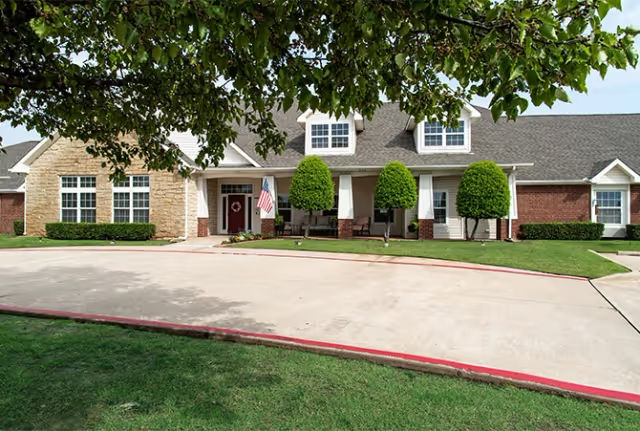
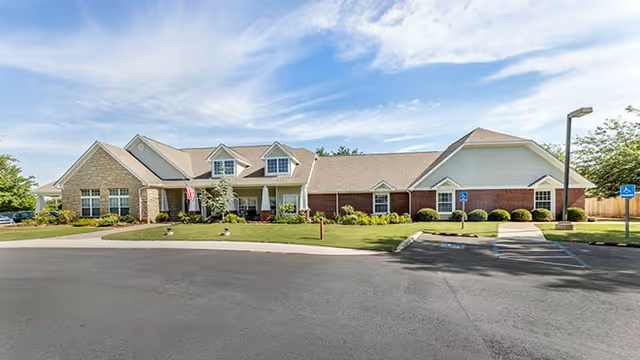
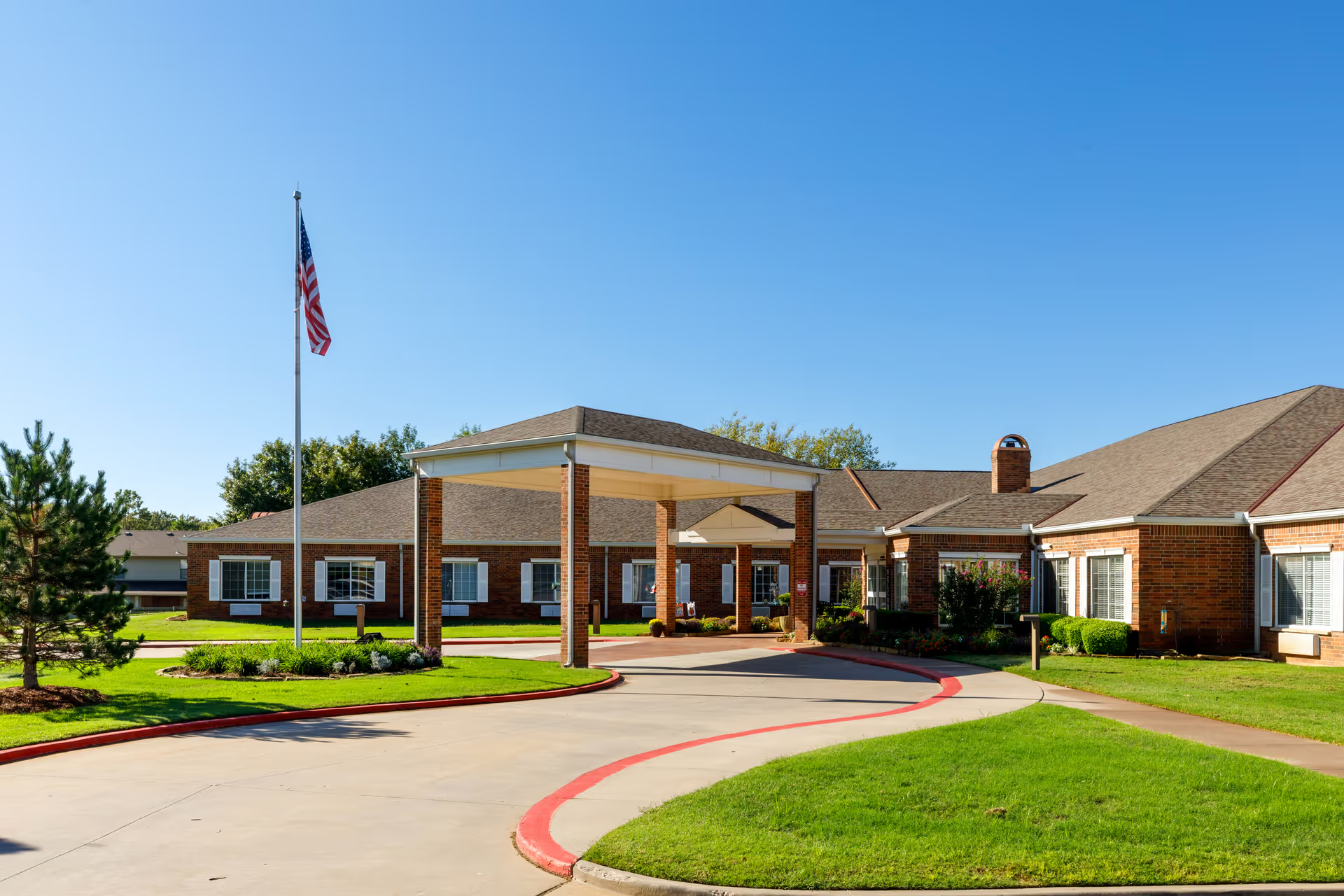
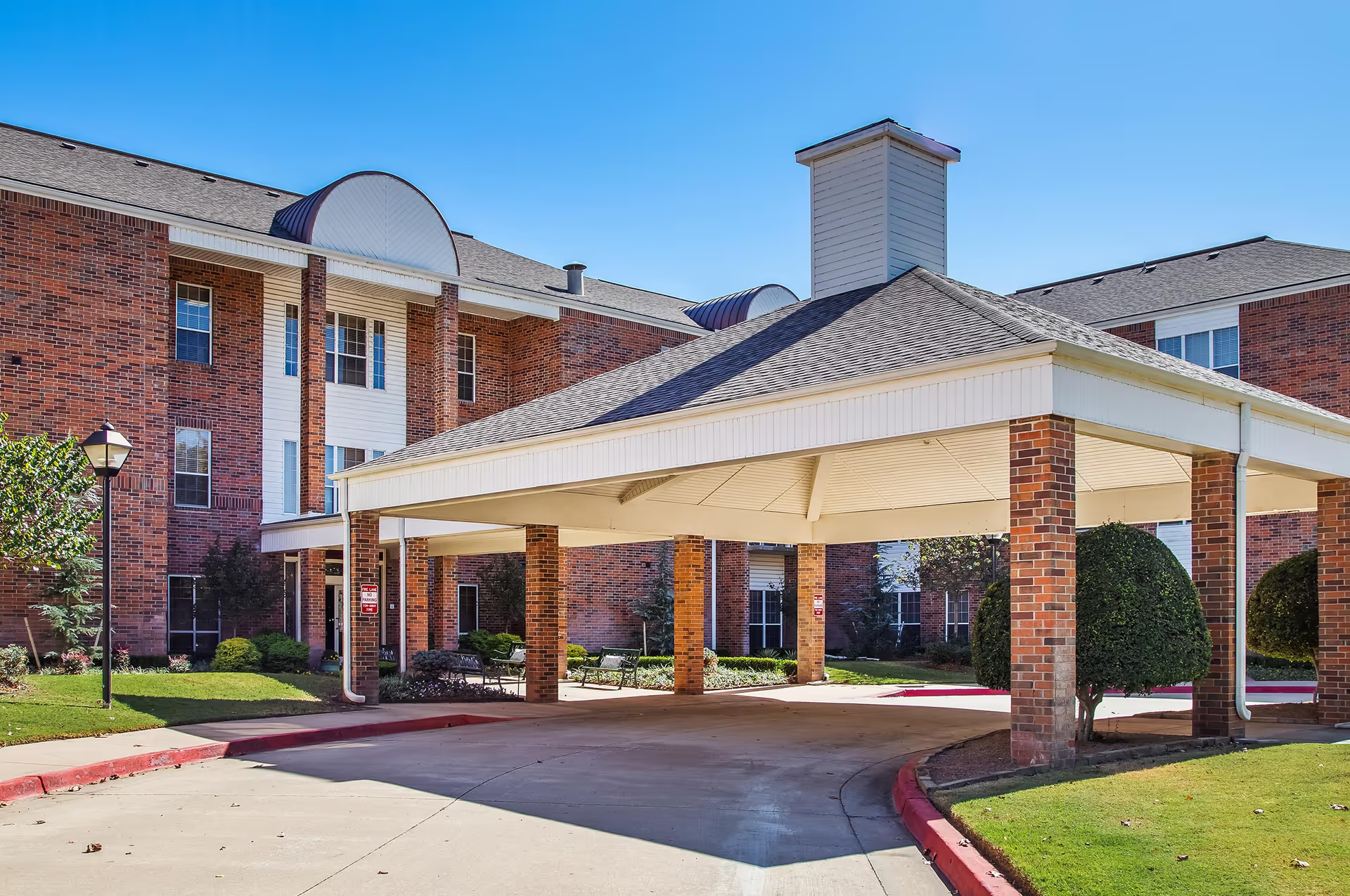
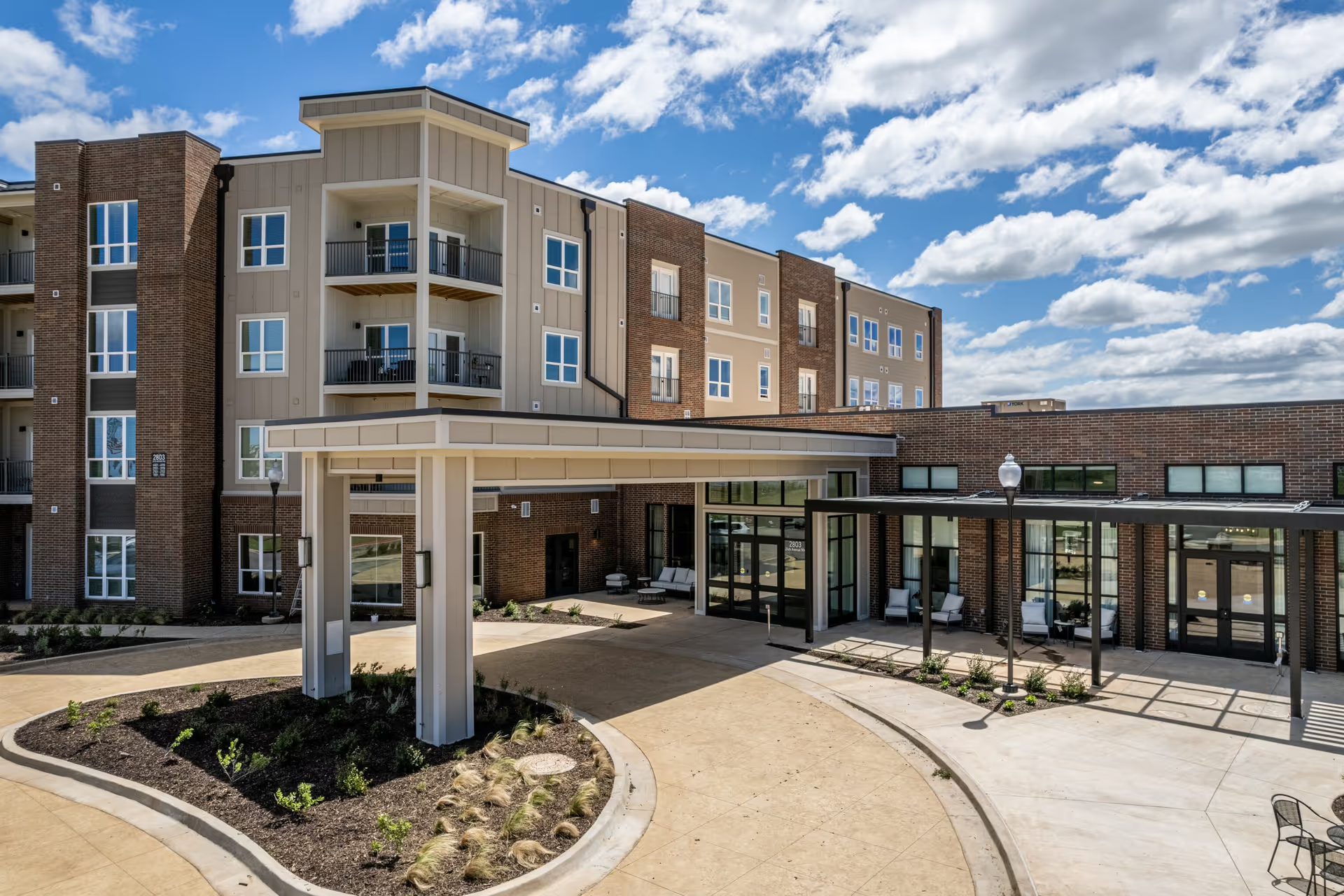
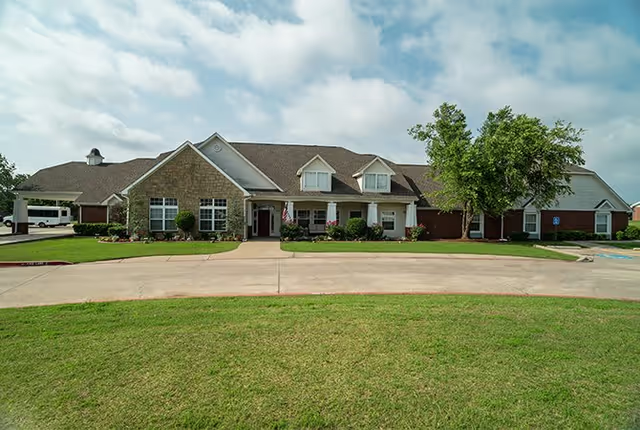
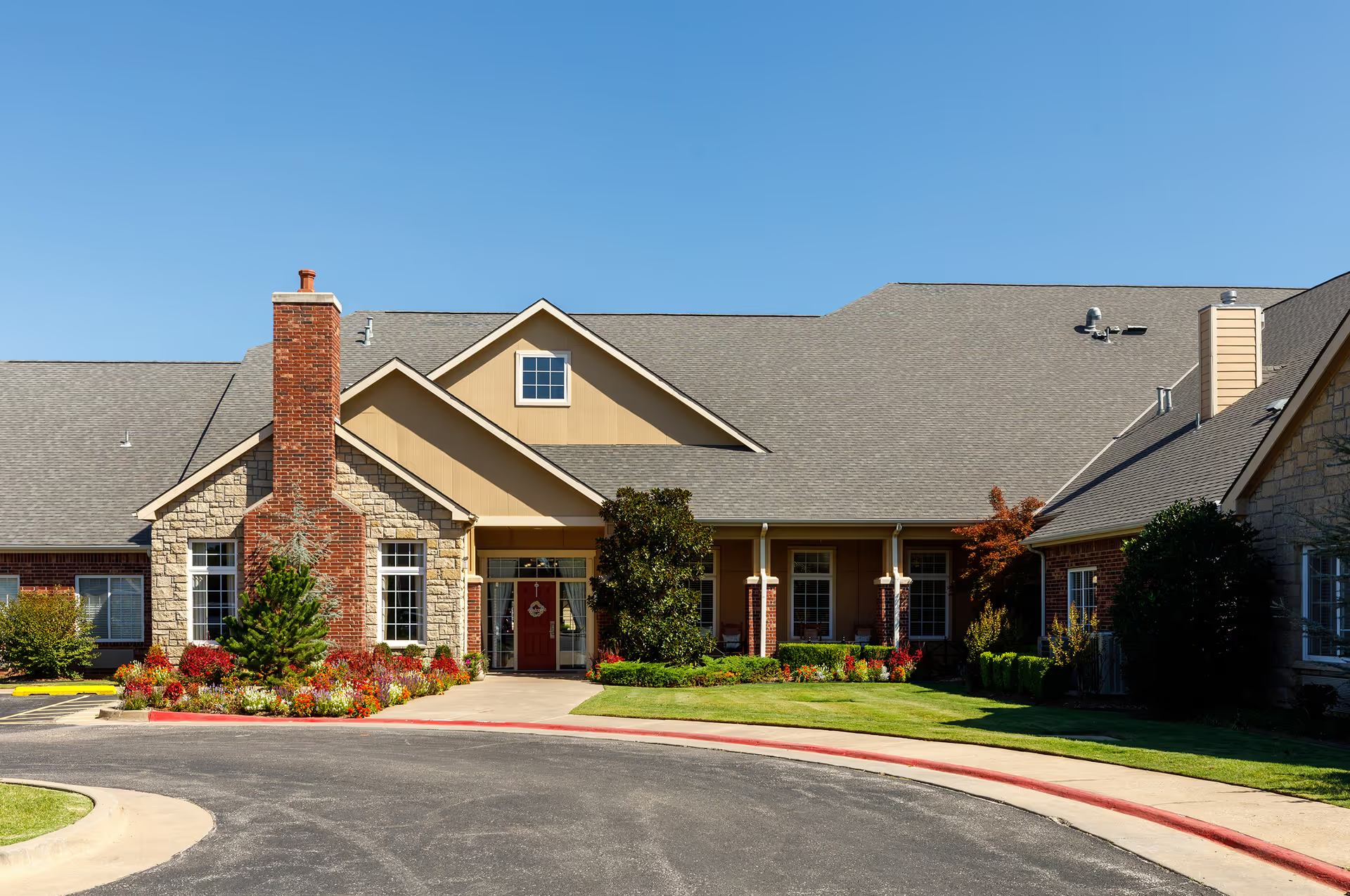
Shawnee Memory Care receives a mix of strongly positive and critical observations. Strengths commonly described include a clear focus on memory-care needs, a secured and attractive campus, and a consistently clean, hotel-like interior with continuous housekeeping. Dining is widely praised for its home-style presentation, varied menu, daily specials and fresh-baked items; staff support during meals and a family-style atmosphere are frequently noted. Activity programming is robust, with daily social, creative, and outing opportunities that many families say help residents remain engaged and socially connected.
Care and caregiving staff are often highlighted as compassionate, personable, and relationship-oriented. Several accounts point to knowledgeable clinical leadership on site, including nursing leadership and an involved director of nursing, which families cite as contributing to reassurance and good communication in many cases. The facility’s secure design elements, such as controlled access, a secured courtyard, and designated safe rooms, are positive features for memory-care residents and for families concerned about wandering and severe-weather safety.
Alongside these strengths, there are recurring operational concerns that prospective families should weigh. The most common issues center on staffing: shortages, high turnover, and variable staff competency—particularly around dementia-specific training—are mentioned as contributing factors to inconsistent personal-care delivery and occasional supervision lapses during night shifts. Several comments also raise concerns about medication and clinical-incident handling, fall follow-up, and the timeliness of responses to care needs. Sanitation and intermittent odor concerns are reported in some areas despite many other accounts of a clean facility.
Management and human-resources practices draw mixed evaluations. Some families praise transparent, proactive communication and individualized attention from administrators, while others describe inconsistent follow-through on personnel matters and occasional unprofessional conduct. Financial/HR issues such as unpaid sign-on incentives and perceived underpayment of staff are cited as drivers of retention problems.
Overall, Shawnee Memory Care appears to offer many of the environment-, dining-, and social-engagement features families seek in a memory-care community, with numerous accounts of caring staff and strong resident connections. At the same time, the pattern of staffing variability and gaps in dementia-specific training and clinical incident response suggests that tours and decision-making conversations should include targeted questions about staffing ratios, staff training programs, night-shift supervision, clinical-incident protocols (falls, medication administration, infection response), and recent staff turnover. Observing meal service and an activity period, asking for references from current families, and clarifying contractual and HR practices may help prospective residents and their families assess fit and operational reliability.