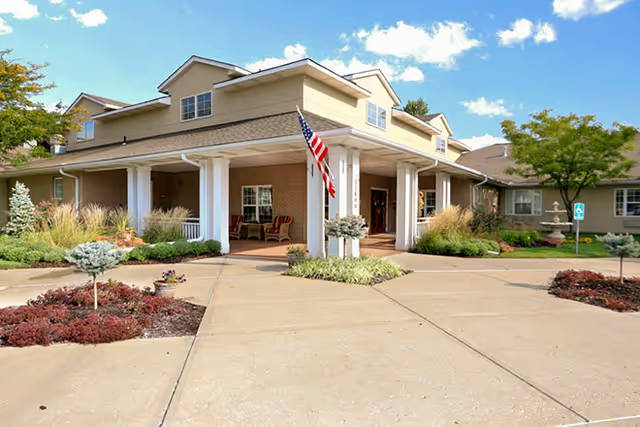
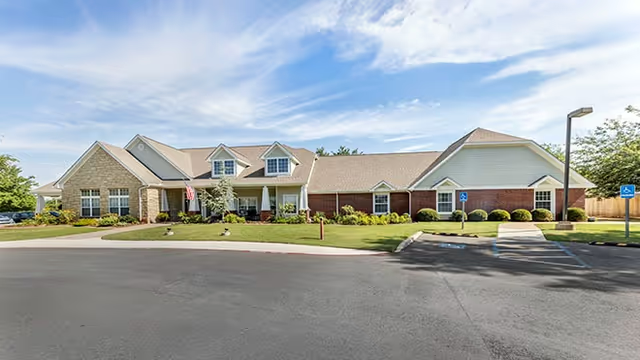
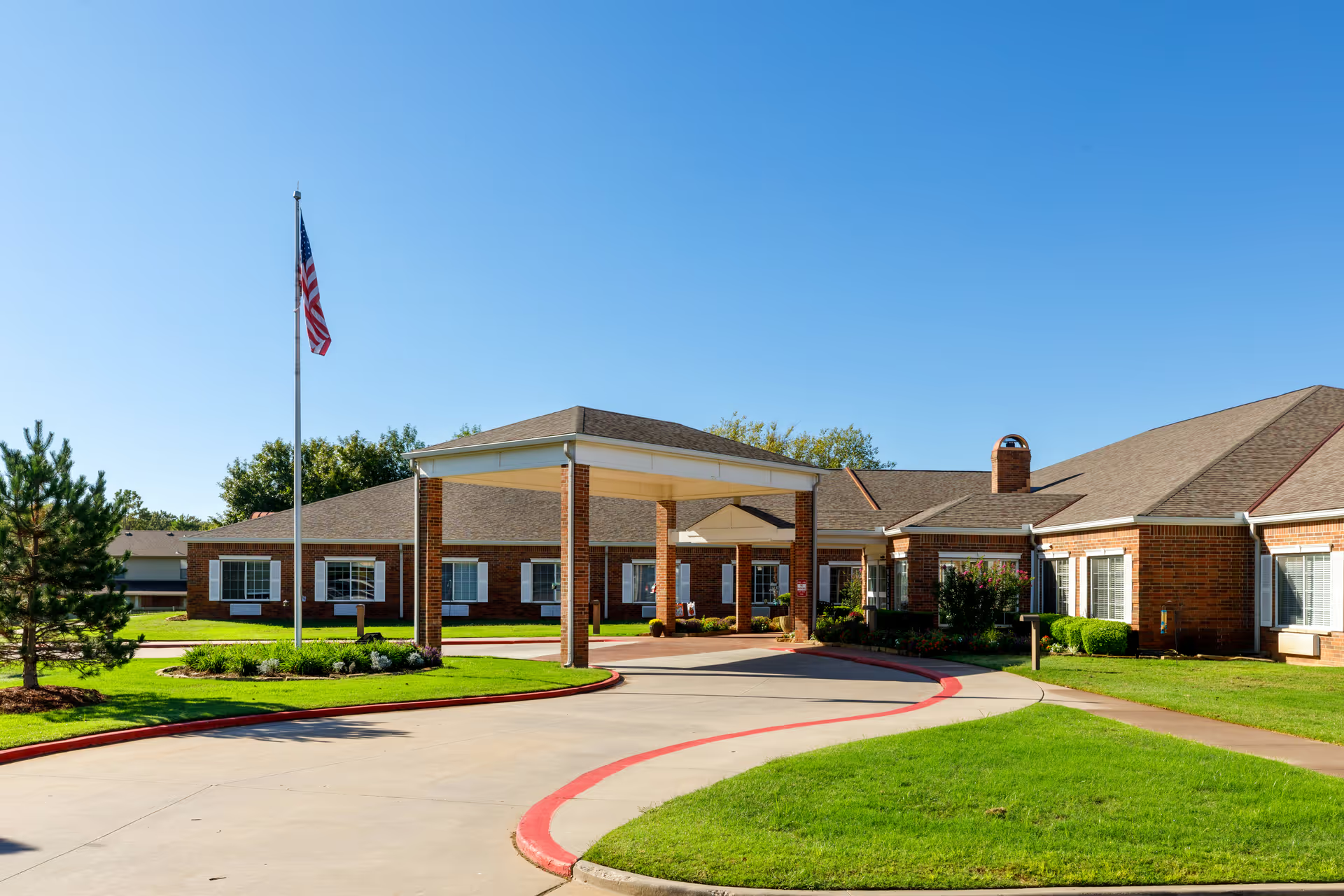
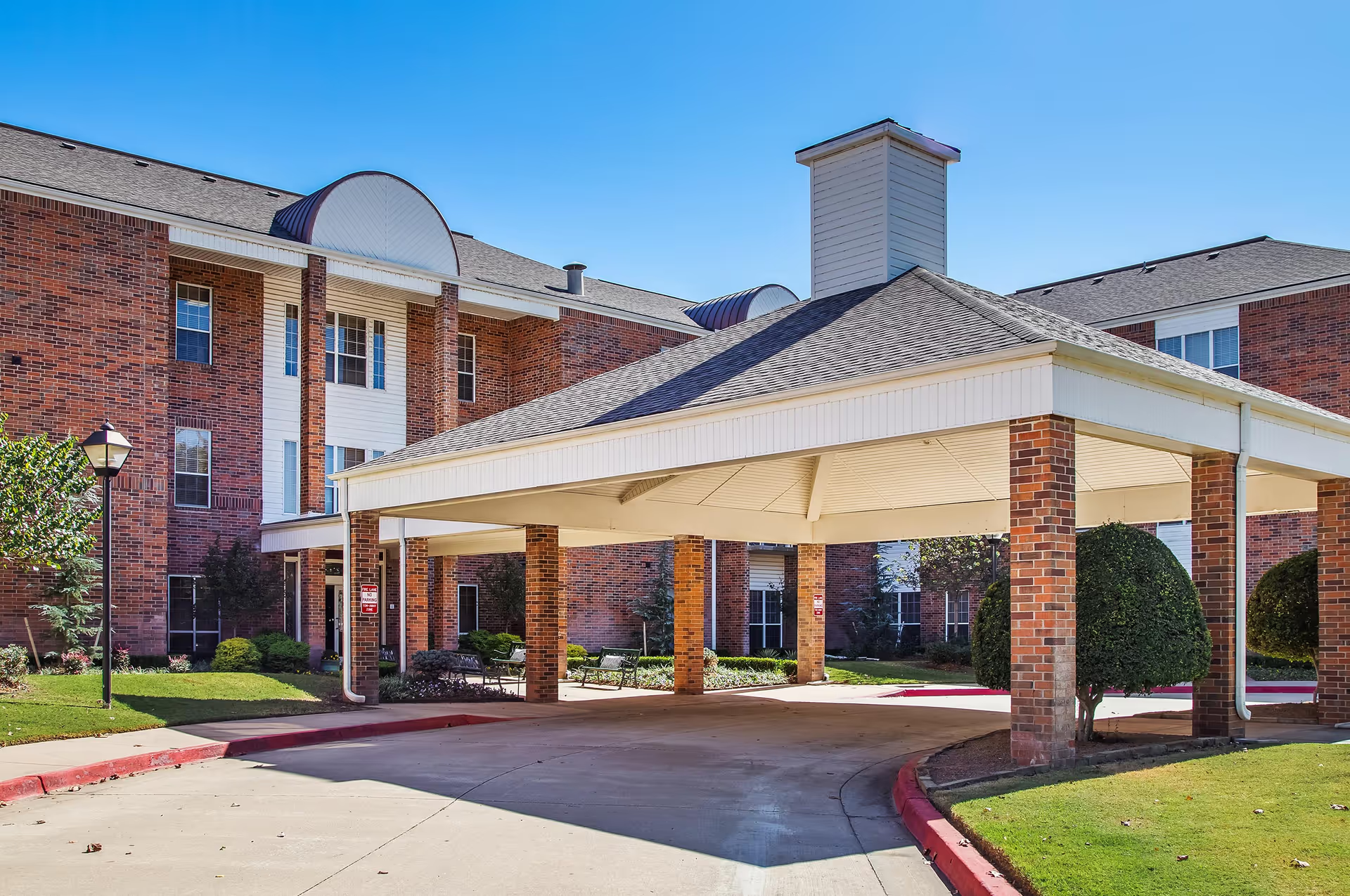
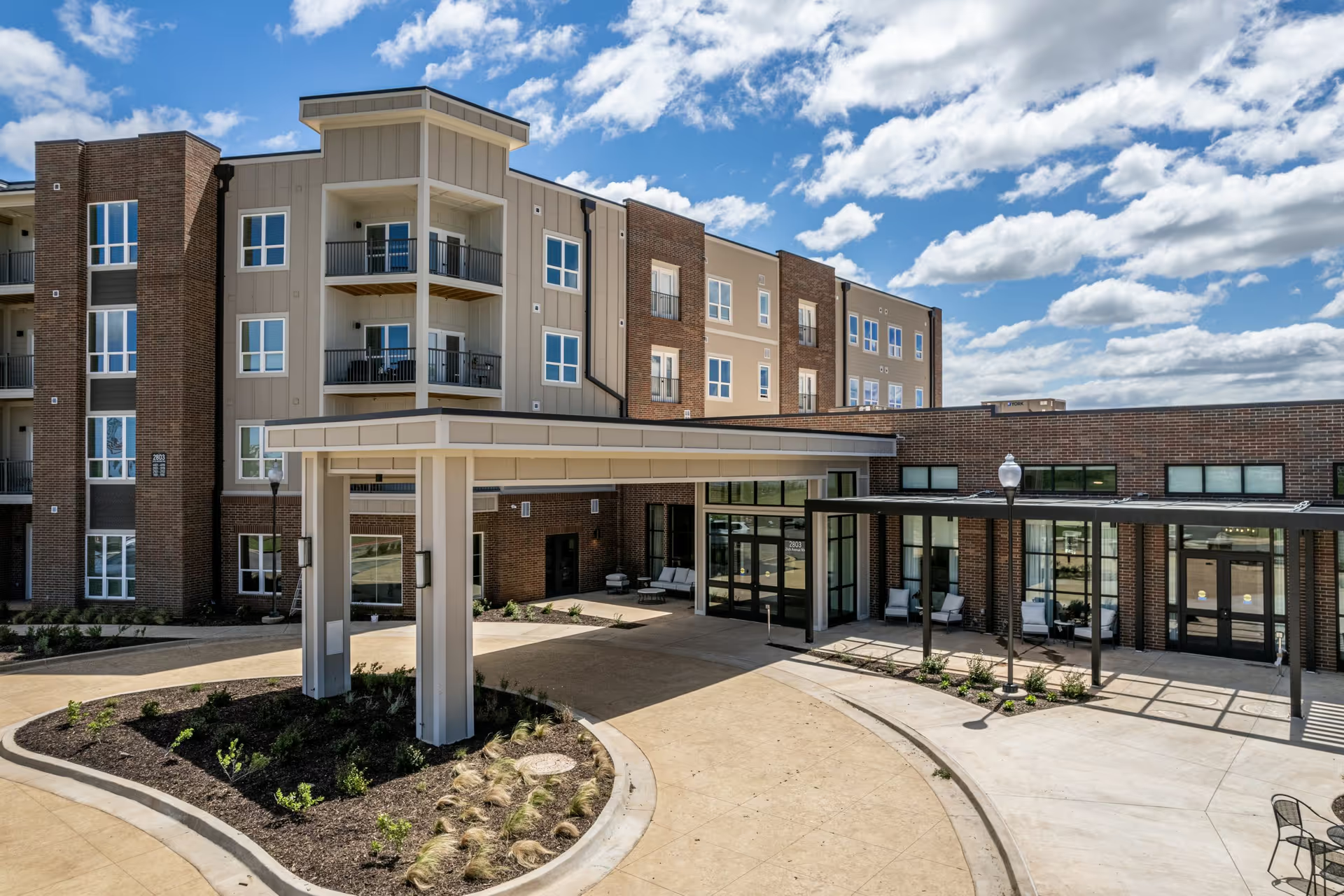
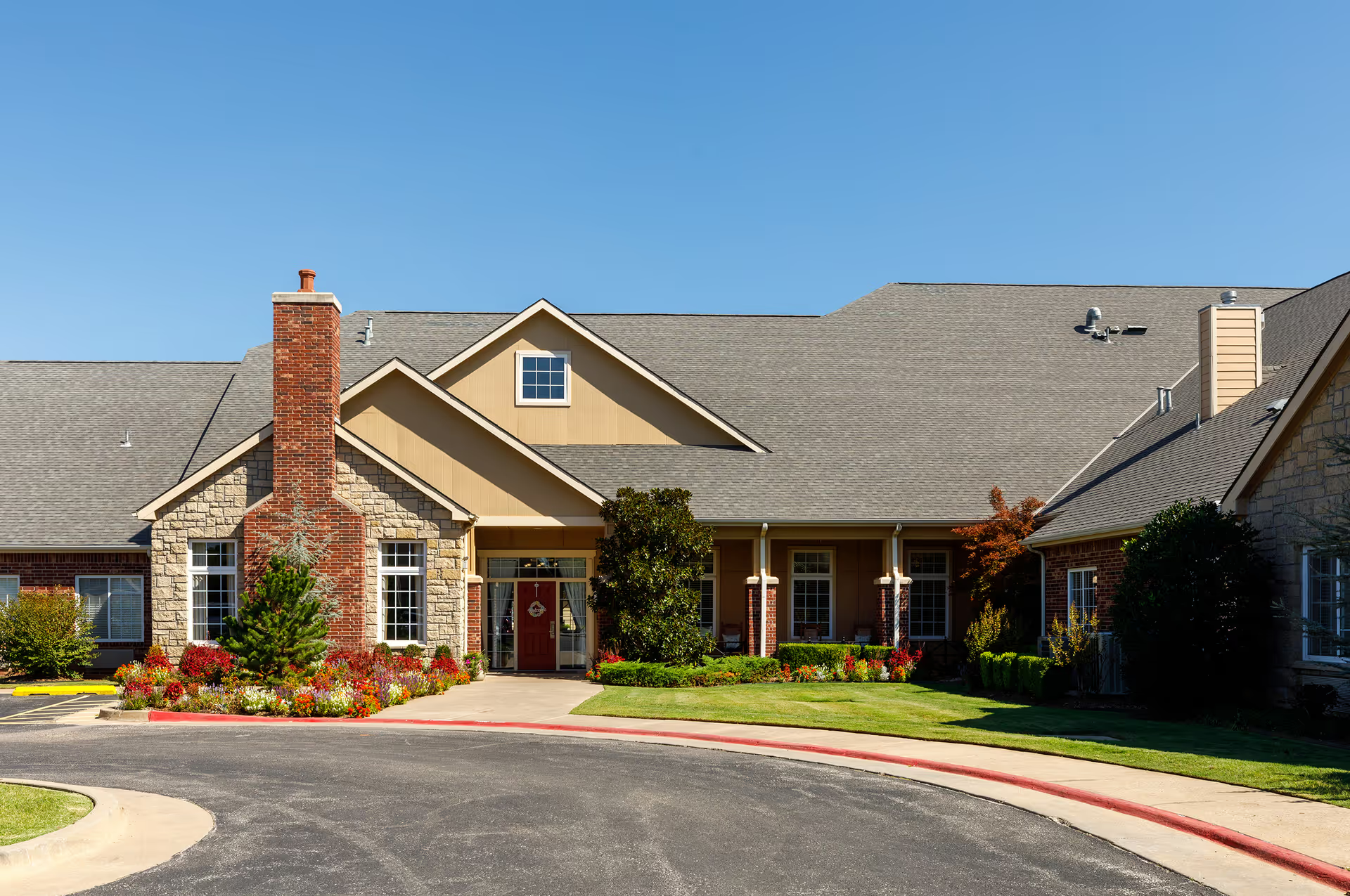
The reviews describe a facility with clear strengths in hands-on caregiving, rehabilitation, dining, and environment, alongside recurring operational weaknesses that families should weigh. Positive comments focus heavily on CNAs, aides, and therapy staff: many families cited compassionate, attentive aides and effective physical and occupational therapy that contributed to successful discharges home. The dining program, communal activities, and the facility’s modern, well-kept appearance received frequent praise; reviewers also appreciated pet-friendly visitation, active social programming, and supportive case-management or admissions staff who facilitated transitions.
However, the overall picture is polarized. A recurrent theme is inconsistent nursing performance and variability in staff conduct: while many nurses and aides were singled out for exceptional care, other families described poor bedside manner, delayed responses to call lights, and lapses in basic assistance. Understaffing and shift-to-shift variability were commonly cited as contributors to delayed care, missed vitals, and inadequate assistance with transfers or feeding. These operational staffing gaps also dovetail with critiques of leadership and communication; several accounts point to management and corporate-level decisions that families felt prioritized efficiency or revenue over continuity of care.
Medication and clinical-safety concerns appear repeatedly. Reviews indicate gaps in medication reconciliation at discharge, missing medications, and troubling accounts involving opioid administration that families felt occurred without proper consent. There are also descriptions of delayed or inconsistent chronic-condition monitoring (for example diabetes management) and instances that led to emergency-department transfers. These items suggest room for improvement in medication-administration controls, informed-consent practices, and clinical-incident communication with families.
Cleaning, incontinence care, and meal-service consistency showed mixed feedback: many reviewers praised cleanliness and housekeeping as excellent, but others noted sanitation and incontinence-care issues in some units, inconsistent meal timing, and limited therapeutic-menu options for residents with special dietary needs. Security and access-control were also raised as pragmatic concerns (for example doors that do not secure promptly), which may affect resident safety and family confidence.
In summary, prospective residents and families will find both strong positives and notable risks at this facility. It appears to deliver high-quality rehabilitation and to employ many committed caregivers who create a warm, engaging environment. At the same time, variability in nursing performance, staffing levels, medication controls, and management communication represent recurring operational weaknesses. Families considering placement should ask targeted questions about nurse staffing patterns, medication reconciliation procedures, therapy scheduling guarantees, infection-control and sanitation audits, and visitation/security protocols; when possible, request recent staffing ratios, medication reconciliation policies, and examples of management responses to clinical incidents to better assess how the facility addresses the concerns reflected in the reviews.