Gracewood Health & Rehab elicits strongly mixed impressions. Several families and former residents describe consistently attentive caregiving, a capable memory-care unit, and effective short-term rehab and therapy services; these strengths are cited as reasons some would recommend the facility. At the same time, numerous operational and environmental concerns recur across accounts, producing a polarized overall picture.
Care quality and staff: most positive comments center on individual caregivers, therapists, and occupational staff who provide hands-on assistance, attentive rehabilitation, and emotional support. Reviewers specifically praised staff who went "above and beyond," helped residents regain strength, and provided comfort when home care was no longer sufficient. Counterbalancing this are repeated observations of chronic understaffing, inconsistent shift coverage, and delays in attending to residents' needs. Multiple accounts describe concerns about staff professionalism and communication tone, including confrontations and unprofessional interactions. These patterns suggest variability in staff performance and occasional breakdowns in timely response and family communication.
Dining and activities: experiences with meals are mixed. Some residents gained weight and praised the food as enjoyable and nourishing, and several reviews singled out particularly good dining experiences. Conversely, other families reported inconsistent meal quality and problems with kitchen staff behavior. Activity descriptions are limited in these summaries; those who noted programming tended to emphasize the memory-care unit's supportive environment rather than a broad activity schedule.
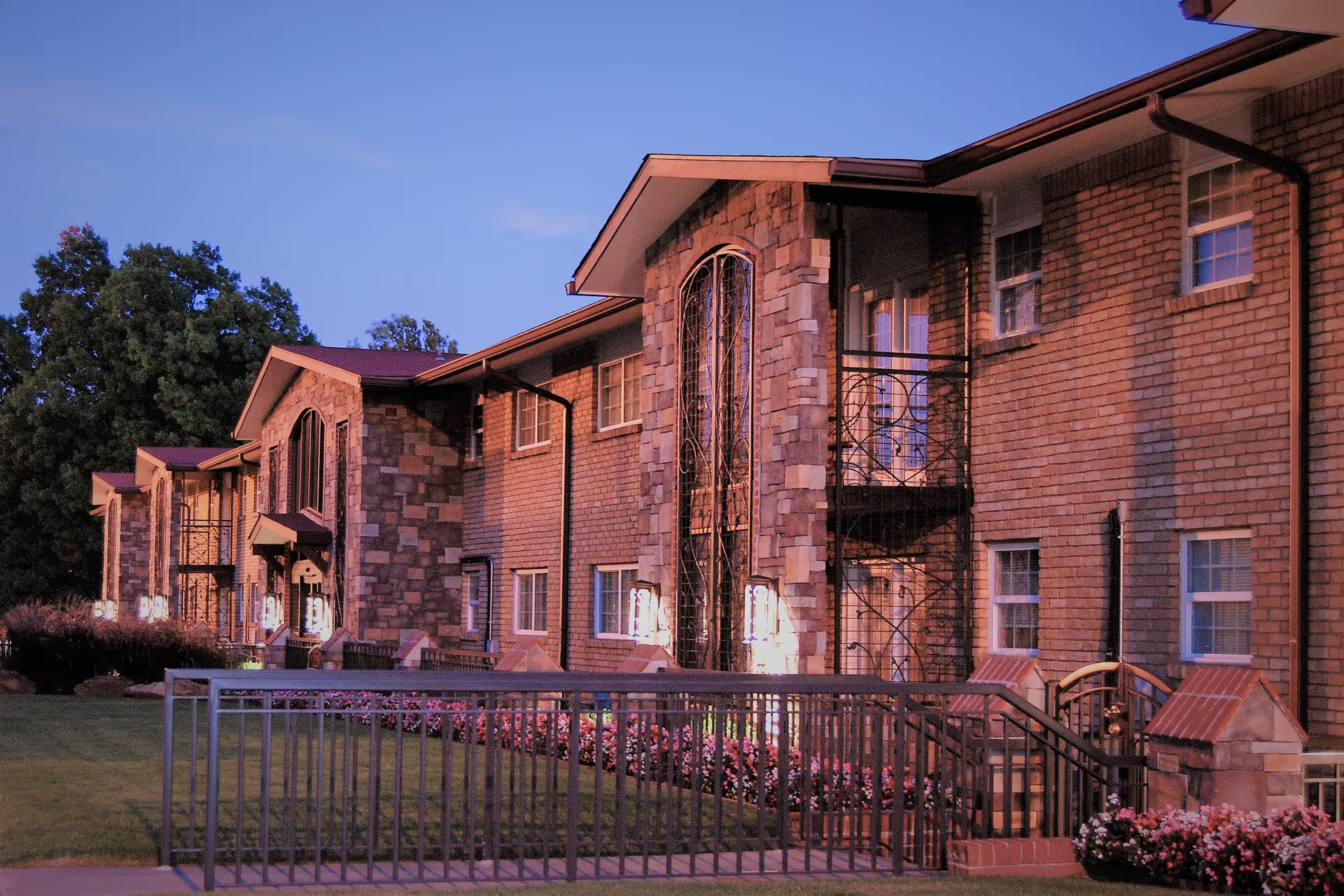
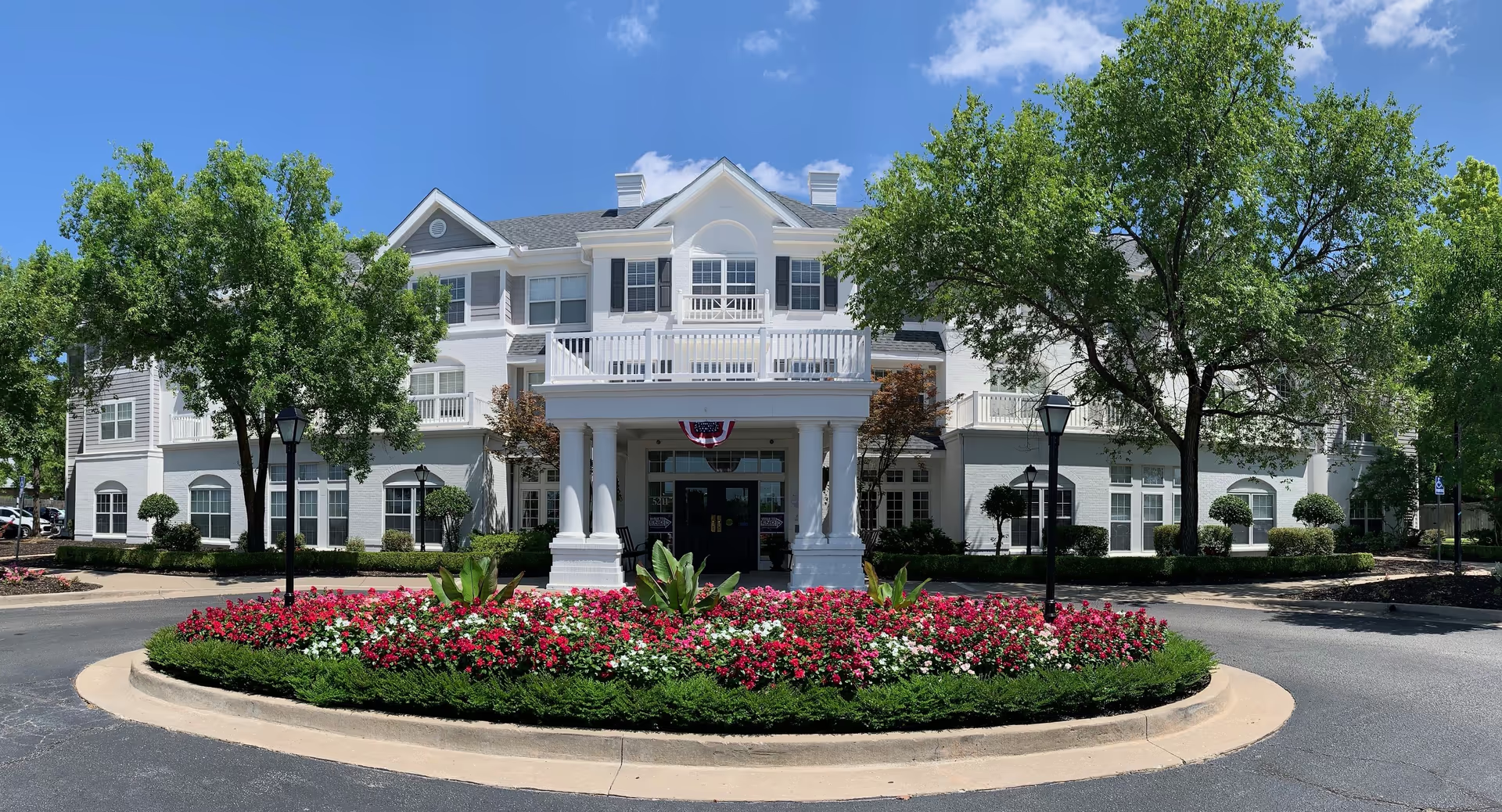
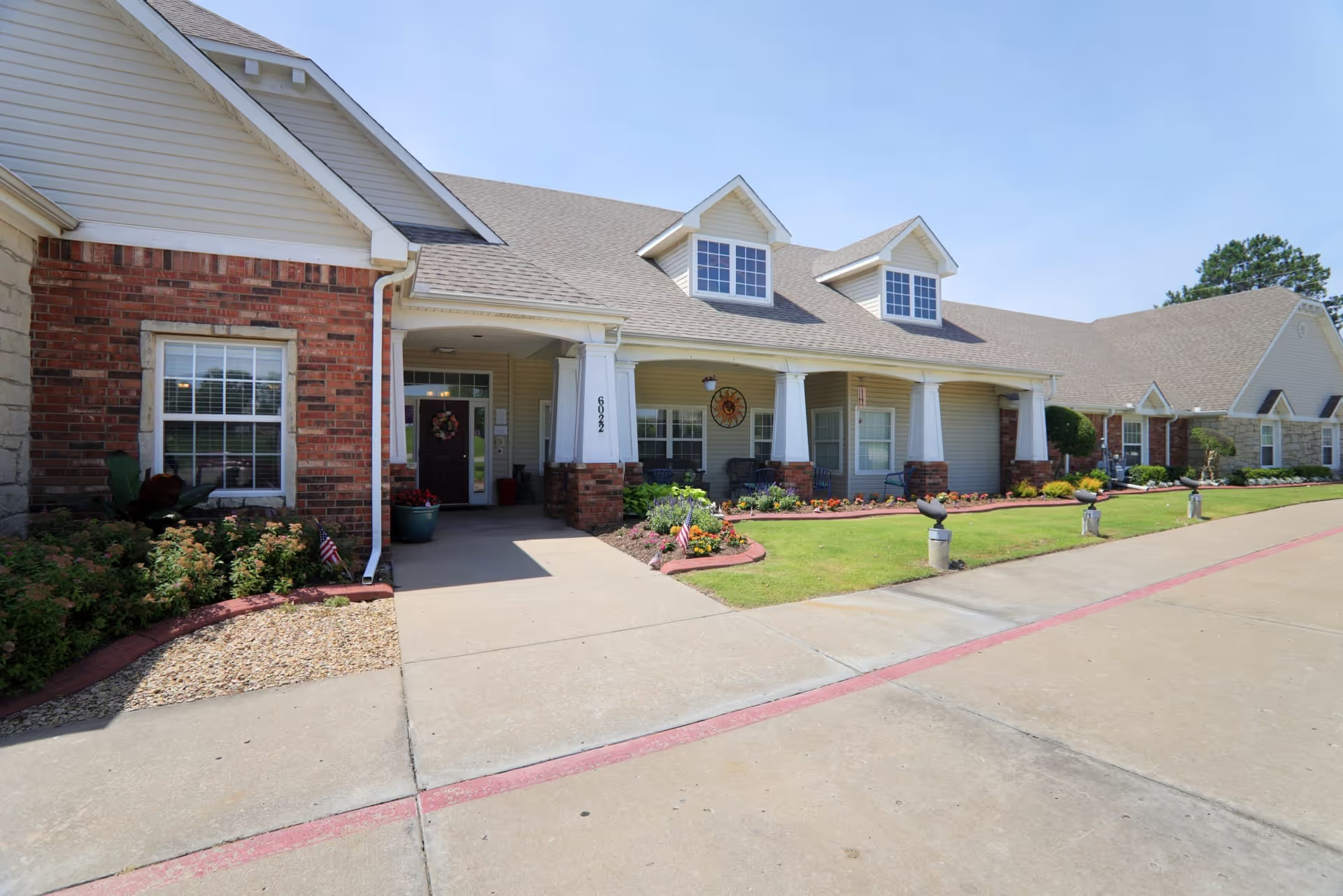
Facilities and safety: reviewers describe a facility in partial transition — there are mentions of remodeling, painted walls, new tile, and potted plants in some areas. However, a number of serious building-maintenance concerns were raised: visible damage (holes, ceiling issues, worn floors), aging equipment, and uneven housekeeping standards. Shared rooms with one bathroom serving two rooms and reports of missing or unreliable in-room emergency-call systems are highlighted as structural safety limitations. Several accounts raised odor concerns and inconsistent sanitation practices in parts of the building. Transportation safety was another notable pattern: descriptions of unsafe driving behavior during resident transport indicate a need for clearer transport protocols and supervision.
Management and notable patterns: impressions of leadership are mixed. Some reviews reference active improvements and staff who are responsive; others describe evasiveness about occupancy, a weak front-desk presence, and inadequate escalation following serious incidents. There are also mentions of infection-control and end-of-life care process concerns, which several families found important when considering the facility for advanced-care needs. Taken together, the pattern is one of uneven performance: areas of strength in individual caregiving and therapy coexist with systemic operational weaknesses in staffing, maintenance, and administrative oversight.
Recommendations for prospective families: conduct an in-person tour that includes the memory-care unit and any specific rooms under consideration; ask about current staffing ratios and recent staffing changes; verify presence and functionality of in-room call systems and bathroom arrangements; request details about transport policies, driver training, and vehicle supervision; review cleaning schedules and infection-control procedures; and ask management about recent maintenance and renovation plans. These targeted inquiries will help clarify whether Gracewood’s cited strengths align with your priorities and whether the operational issues noted by other families have been addressed.