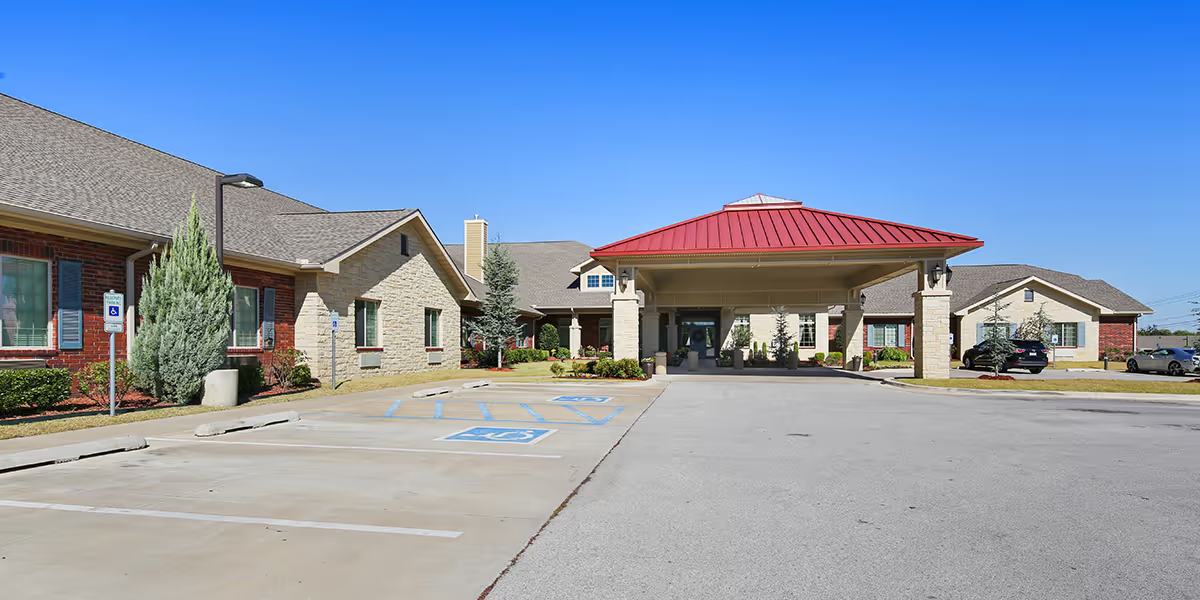
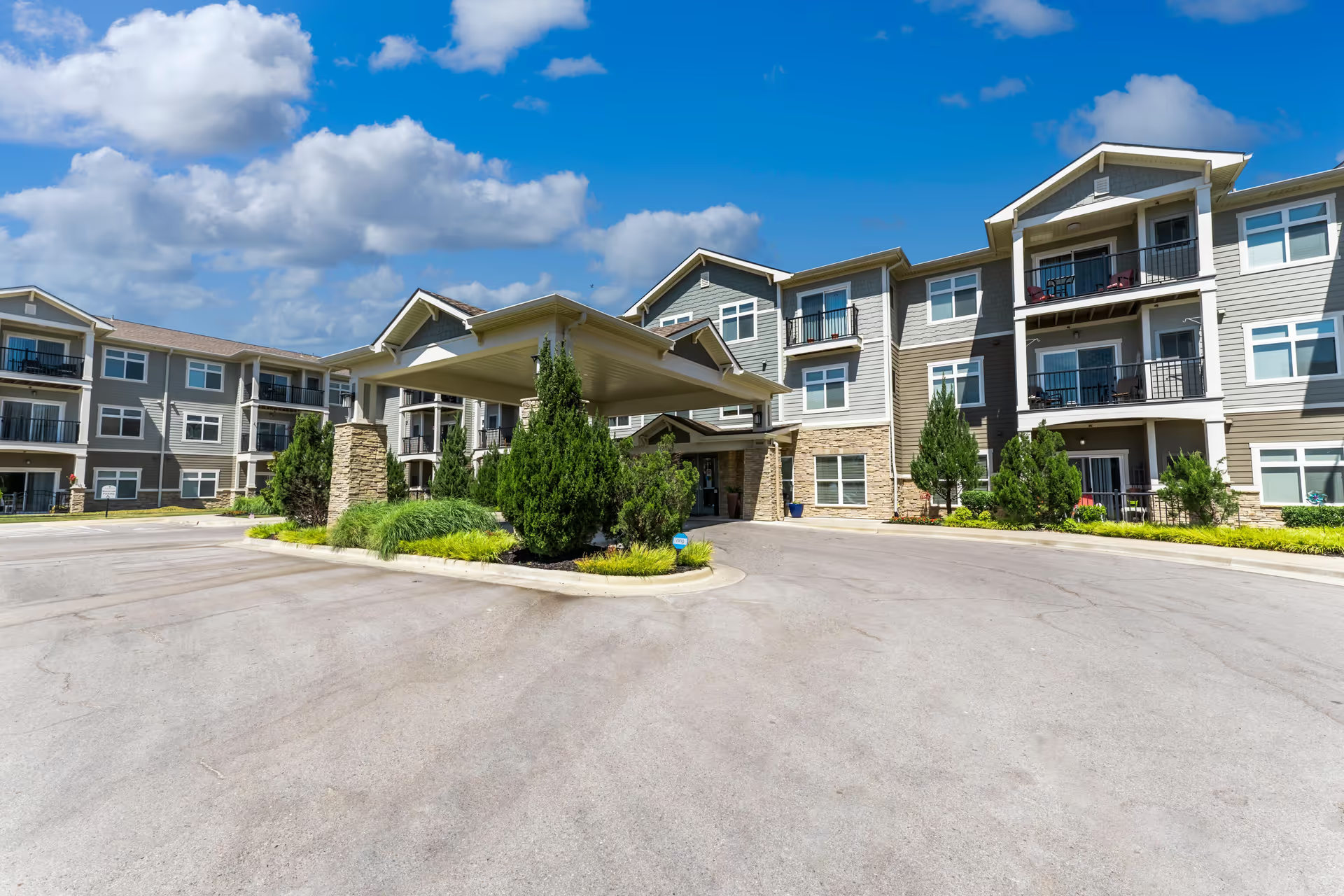
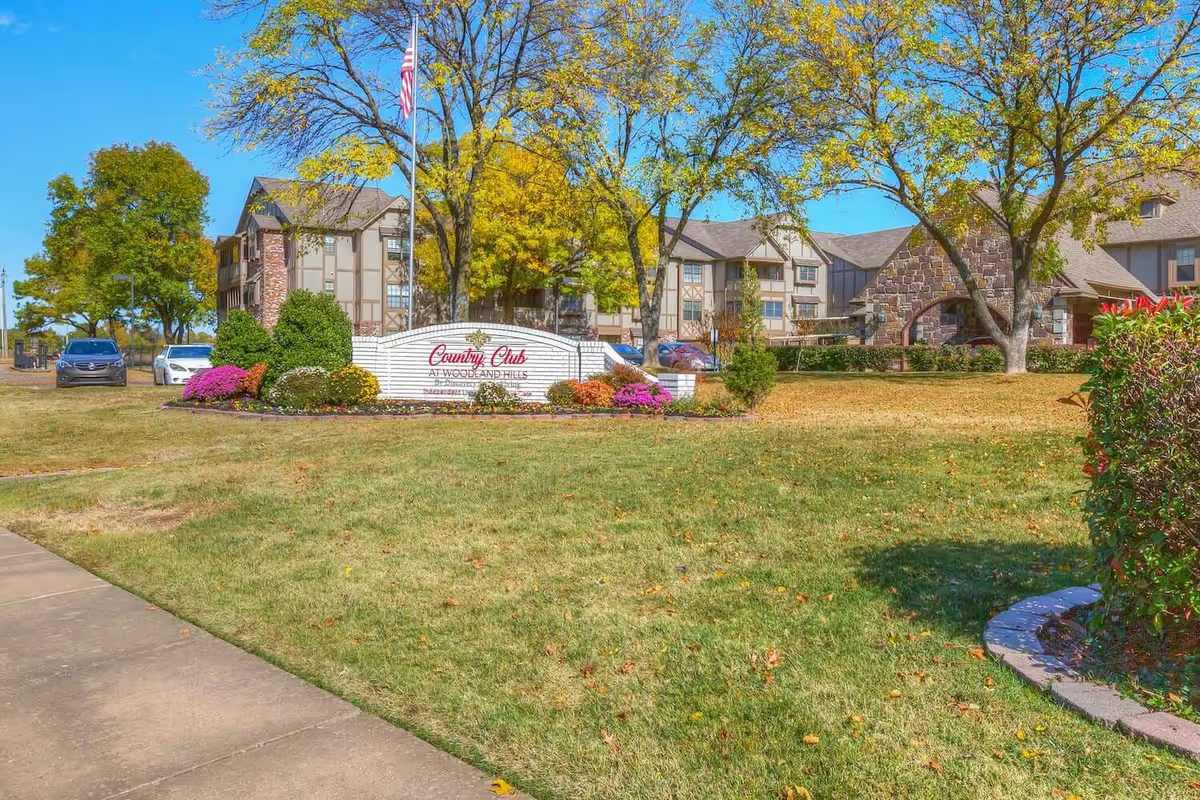
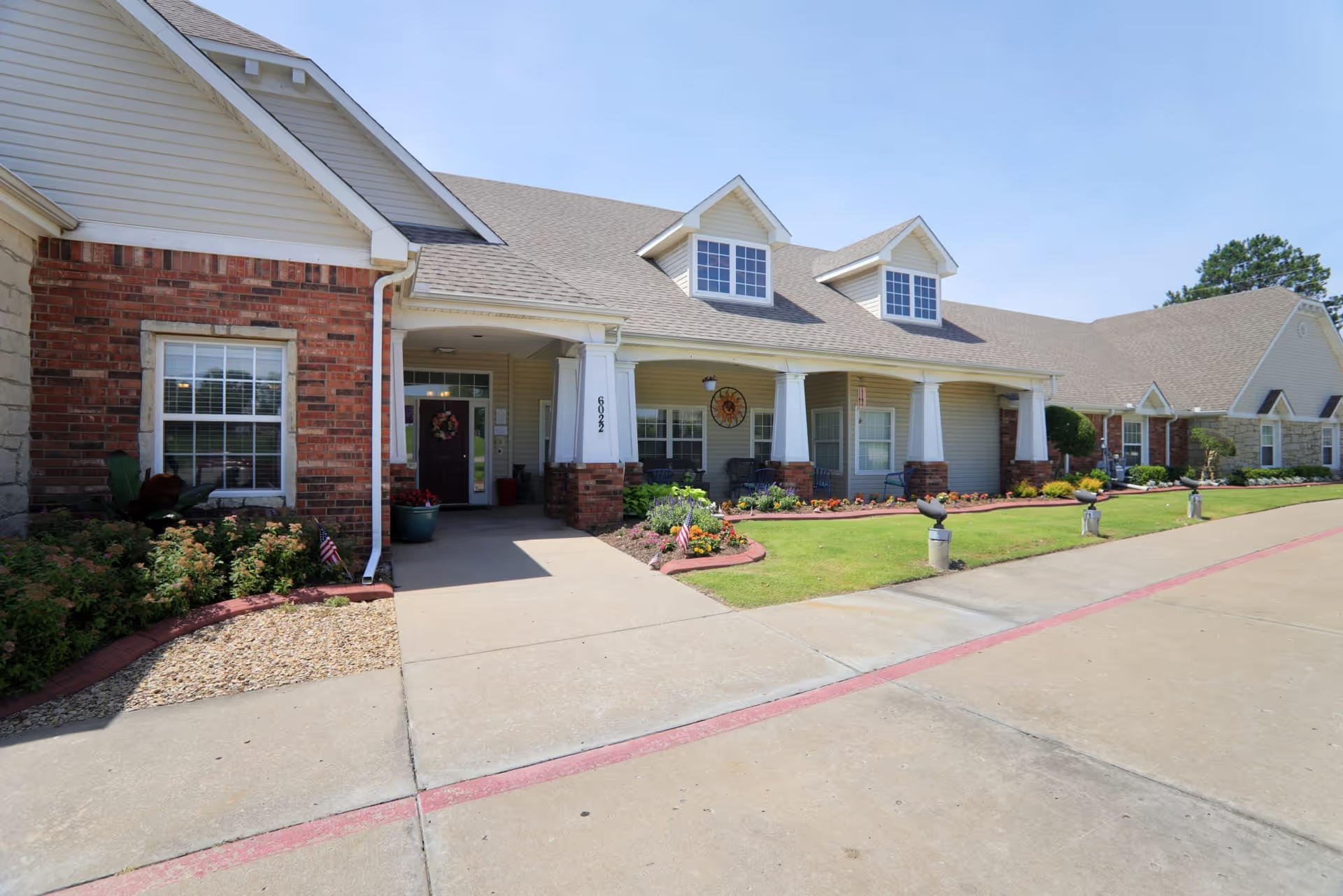
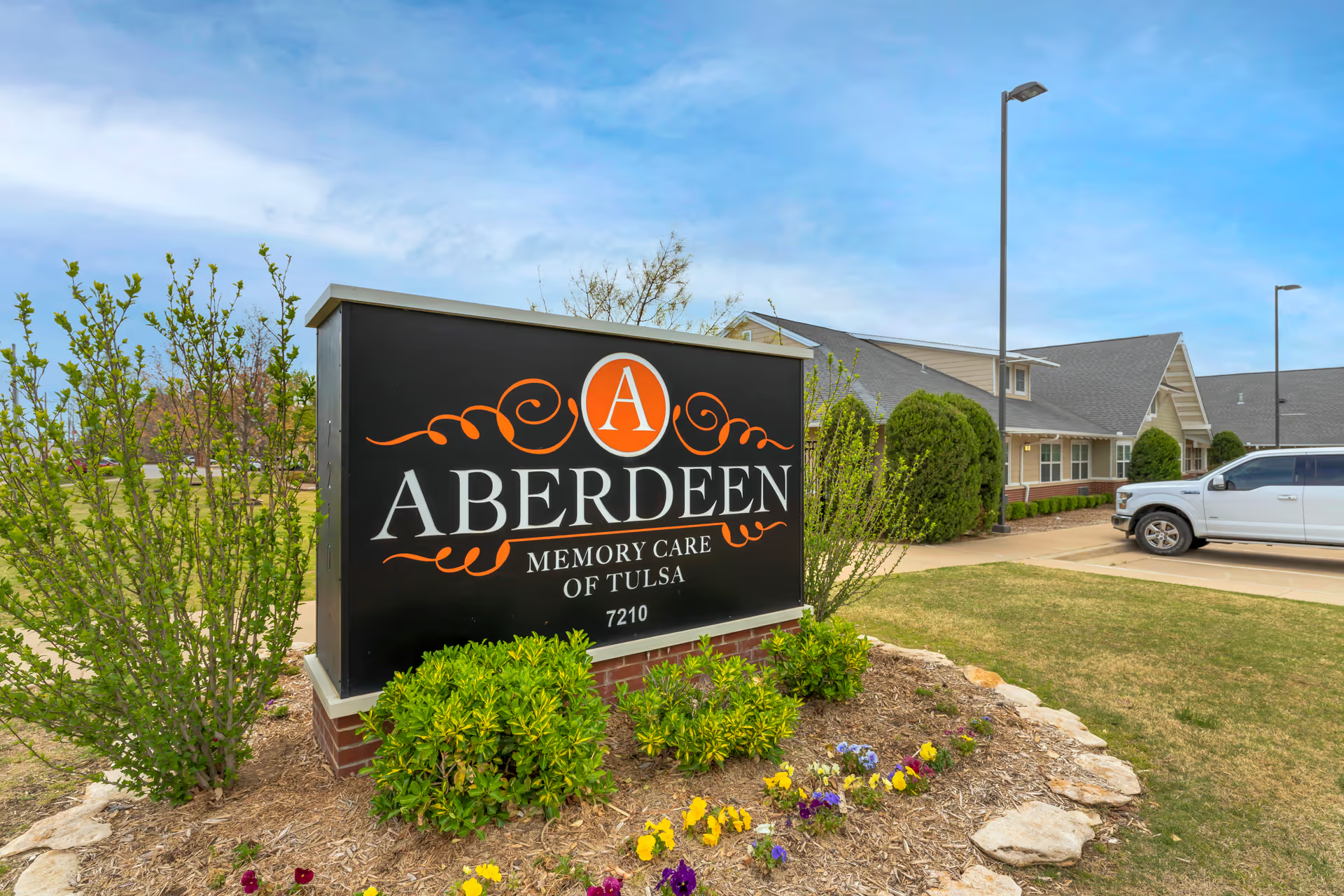
Known Memory Care elicits a strongly mixed set of impressions. Many families praise the community for its dementia focus, clean and recently renovated environment, spacious rooms, and an upbeat activity program. Repeated positive themes include compassionate caregiving, a skilled activities director, on-site clinical oversight (Resident RN/health director and periodic physician visits), secure entry procedures, and an approachable front office. For visitors and family members, the facility often presents as well-maintained with a pleasant scent, tidy public areas, and a broad selection of floor plans.
Care quality is uneven across reviews. Positive accounts emphasize respectful, relationship-based caregiving, consistent engagement in activities, successful reduction of sedative medications in some residents, and attentive clinical staff who provide timely responses. Contrasting accounts raise operational concerns such as inconsistent personal-care delivery (including bathing and linen changes), sanitation and laundry management lapses, and occasional pressure-injury or wound-related issues. These latter concerns tend to cluster with descriptions of staffing shortages and schedule disruptions rather than with the facility’s clinical leadership when present.
Staffing and management show a notable pattern of variability. Several reviews describe long-tenured, committed office and activities staff and an excellent health director; others describe high turnover at the caregiver and leadership levels, frequent use of agency personnel, and periods without regular nursing coverage. This inconsistency appears to correlate with reports of service declines—missed laundry cycles, delayed responses to call lights, and less familiarity by temporary staff with resident needs. Families also raised concerns about how complaints and incidents are handled, citing slow or unsatisfactory resolution in some cases. There are recurring comments about management changeovers and uneven follow-through on refunds or billing questions, so prospective families should closely review contract terms and escalation pathways.
Dining and activities are often listed as strengths but not universally so. Many residents and families note fresh, balanced meals, restaurant-style presentation, and a full calendar of social, creative, and religious offerings that promote engagement. Conversely, other reviewers describe inconsistent meal quality, portioning issues, and staffing gaps during meal service that affect resident monitoring and assistance. Activity engagement appears robust for many residents—particularly those who are ambulatory and social—but a subset of families found programming less effective for residents who are withdrawn or who require one-on-one engagement.
Facilities and safety considerations: the community’s physical plant is frequently described as clean, remodeled, and pleasant, with roomy accommodations and a welcoming lobby. At the same time, some reviewers identified navigational challenges in the layout that can complicate supervision and increase fall risk for residents with advanced dementia. A number of reviews also flagged inoperative or absent in-room emergency call devices and inconsistent fall-prevention follow-through. There are a few serious operational concerns in the record—most notably allegations of missing personal property and inconsistent handling of resident belongings—which warrant targeted questions during a tour.
Overall recommendation and practical steps for families: experiences at this community range from very positive, long-term placements to instances of significant dissatisfaction tied to staffing and operational failures. Prospective families should weigh the facility’s strong memory-care orientation, activities program, and physical environment against the documented variability in staffing, laundry/sanitation practices, medication timing, and management stability. When evaluating this community in person, consider the following: visit during different shifts (including evenings), observe mealtime service, ask for current staff-to-resident ratios and agency-staff usage, review laundry and linen policies, request documentation of medication-administration protocols and emergency-call functionality, clarify billing and post-occupancy charges in writing, and ask how the facility escalates and documents incidents. Those steps can help determine whether the facility’s strengths align with a particular resident’s needs and risk profile.