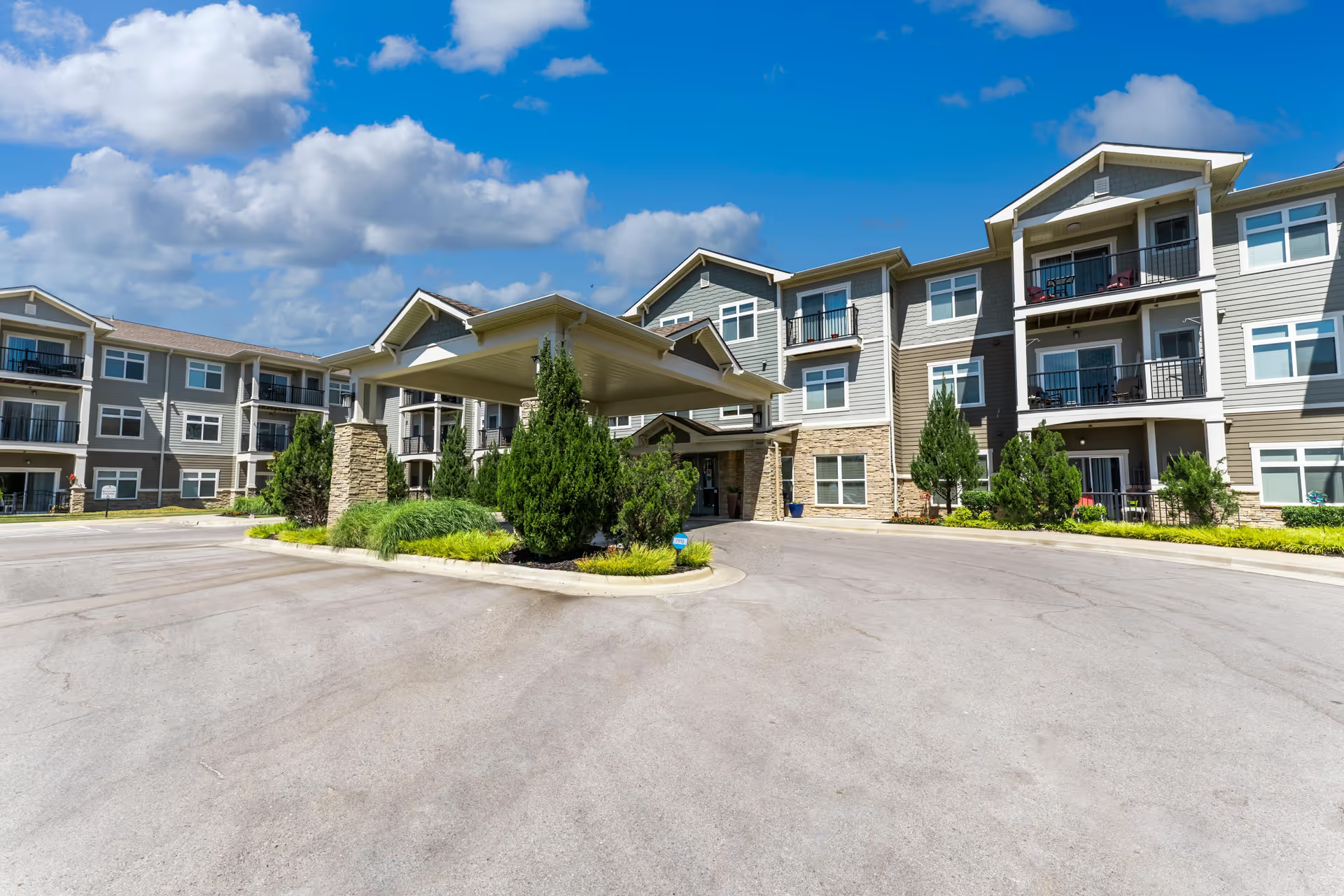
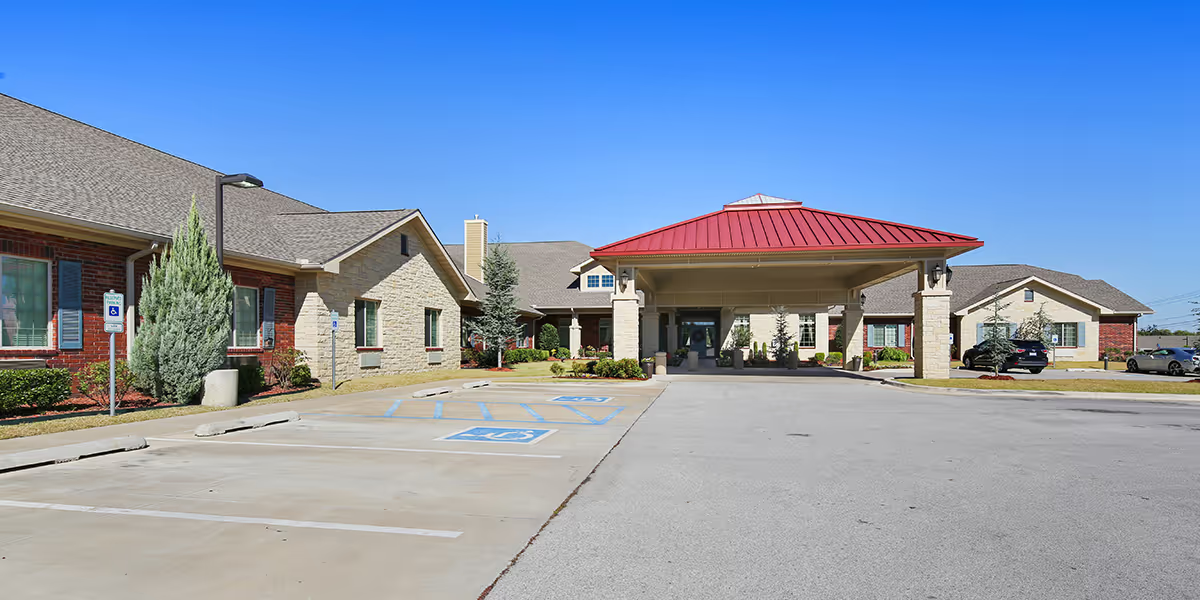
Reviewer feedback for Leisure Village Health Care is mixed, with distinct positive elements alongside recurring operational concerns. Strengths frequently cited include attentive nighttime nursing assistants, effective physical and occupational therapy, a secure enclosed courtyard that facilitates outdoor access, and a homelike room environment. Several reviewers praised specific staff members and activities — from casual games and pet visits to individualized therapy — and some families highlighted strong value and cost-saving support from staff.
Care quality appears to vary by shift and circumstance. Positive accounts describe timely, compassionate bedside care and therapy that helped residents return home. Conversely, other accounts describe delayed responses to call lights, slow restroom assistance, and weekend variability that has contributed to falls and emergency transfers. There are specific concerns about medication and oxygen-management processes, including delays in administering respiratory medications and problems with oxygen supplies; these point to protocol and training gaps rather than single isolated occurrences.
Staffing and staff conduct present a mixed picture. Nighttime certified nursing assistants are consistently praised, while daytime and weekend staffing levels and behavior are described as inconsistent. Reviewers indicate both professional, supportive employees and instances of unprofessional conduct, including complaints about tone, communication style, and inadequate supervisory intervention. Several comments describe frontline caregivers as overworked and inadequately supported by management, suggesting staffing-model and supervisory-support issues.
Dining and activities receive polarized assessments. Some residents and families report enjoyable, nourishing meals and varied activities; others cite repetitive menus, frequent duplication of the same entrée for days, meals that do not accommodate specific dietary needs (for example GERD-friendly options), and a meal service rhythm that sometimes leaves residents dissatisfied. Activities are generally described as casual, social, and accessible, with repeated positive mention of outdoor courtyard access and pet-related engagement.
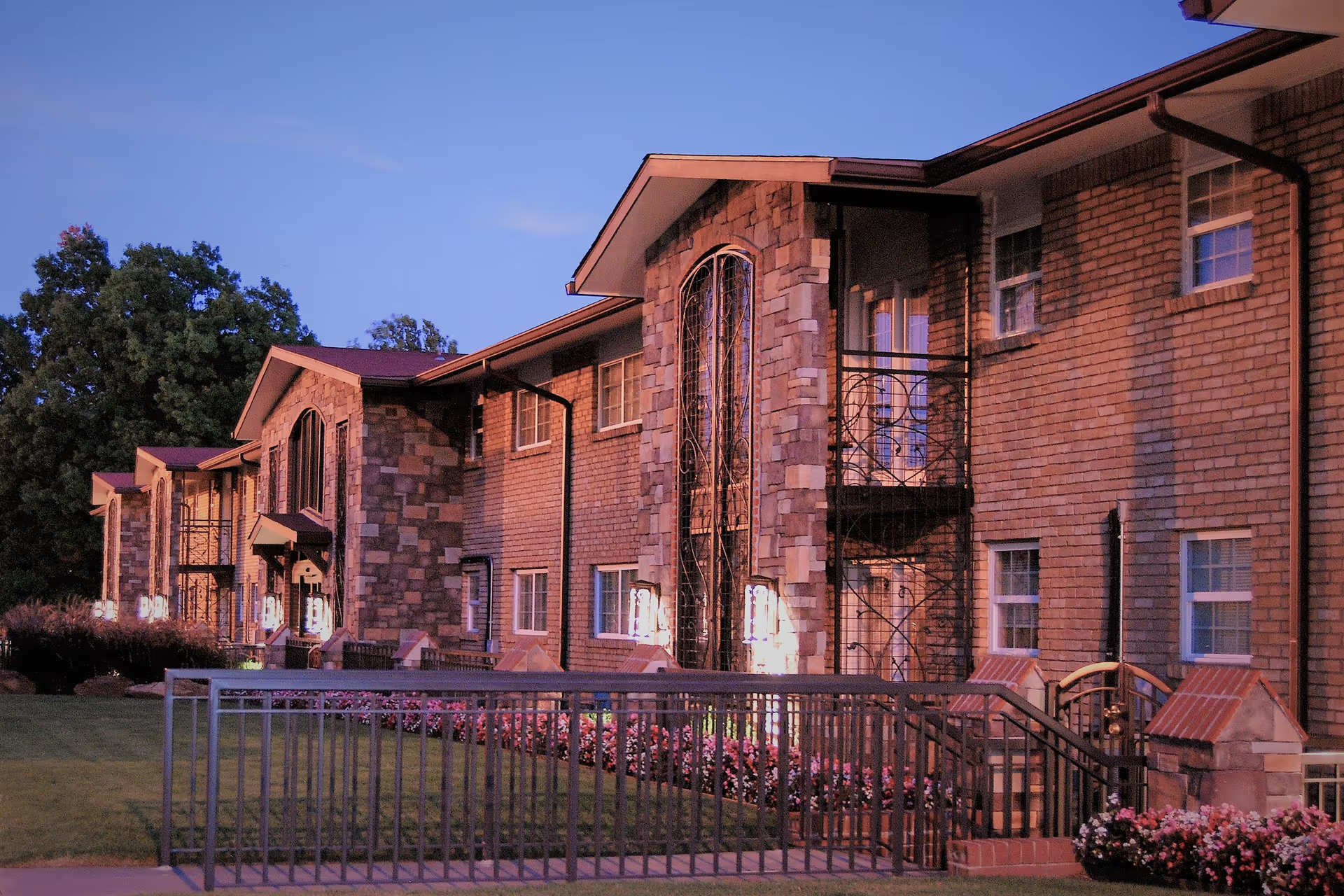
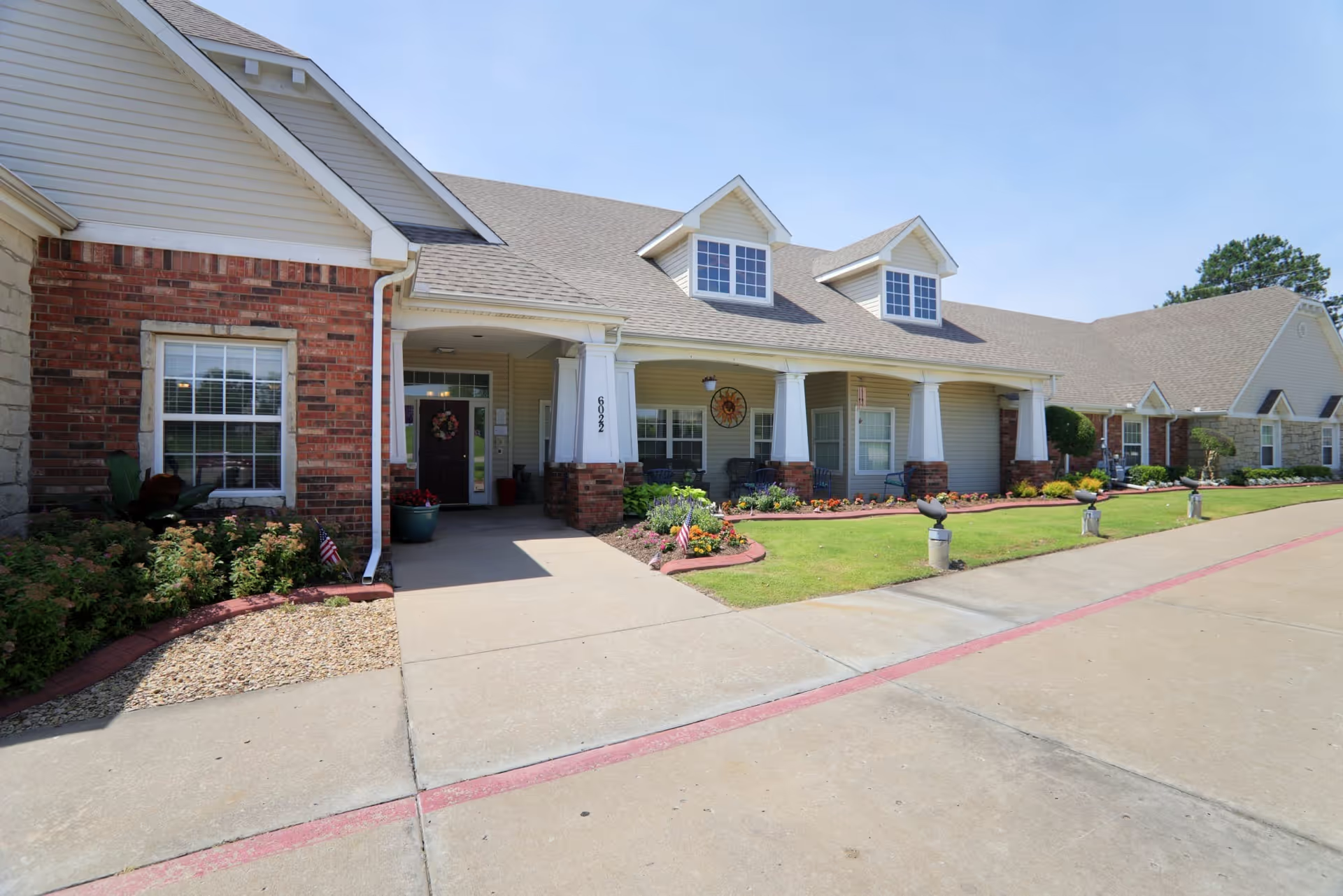
Facility condition and operations show variability. The property is described as older but comfortable, with an attractive courtyard and easy outdoor access for many rooms. However, reviewers also note maintenance needs, sanitation concerns and intermittent odor issues in common areas, and laundry and personal-belongings control weaknesses — including missing clothing and dentures. These operational gaps point to process and oversight weaknesses in housekeeping and resident-property management.
Communication and management are recurring themes. Several families praised an involved administrator and courteous front-desk personnel, while others experienced long phone hold times, unanswered calls, abrupt transfers or short stays with limited explanation, and concerns about disclosure of infection status. There are also a small number of serious individual allegations involving staff conduct and social-service actions; these are not reflected as overarching policy statements in the reviews but warrant direct inquiry by prospective families.
Notable patterns for prospective families to evaluate in person include time-of-day and weekend differences in staffing and care quality, responsiveness to call lights, medication and respiratory-care protocols, laundry/belongings procedures, meal sampling and accommodation for special diets, the condition and maintenance of common areas, and the facility’s family-communication and discharge policies. Observing these operational elements and asking targeted questions about staffing ratios, supervisory presence, and clinical protocols will help families determine whether the facility’s strengths align with their expectations and care needs.