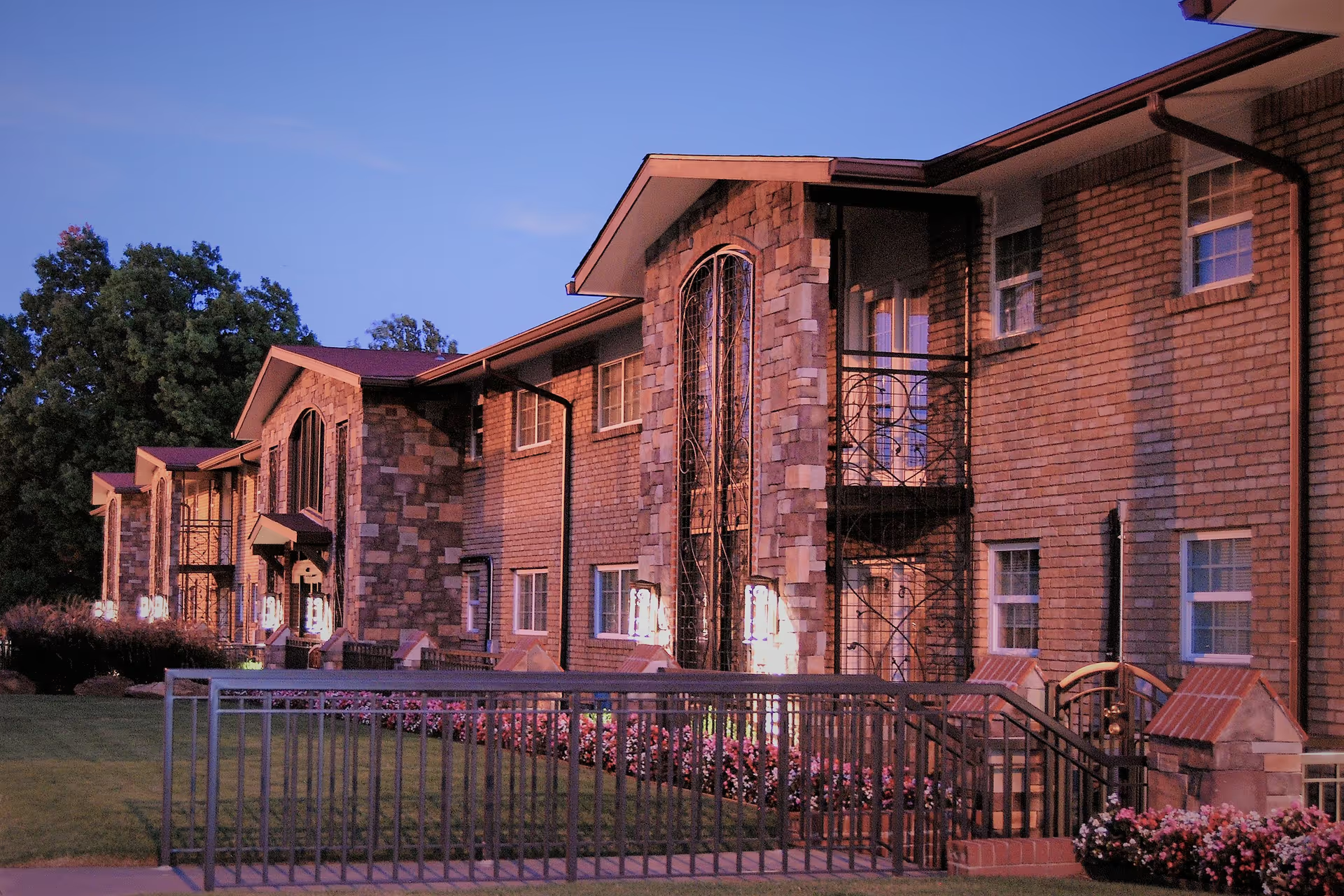
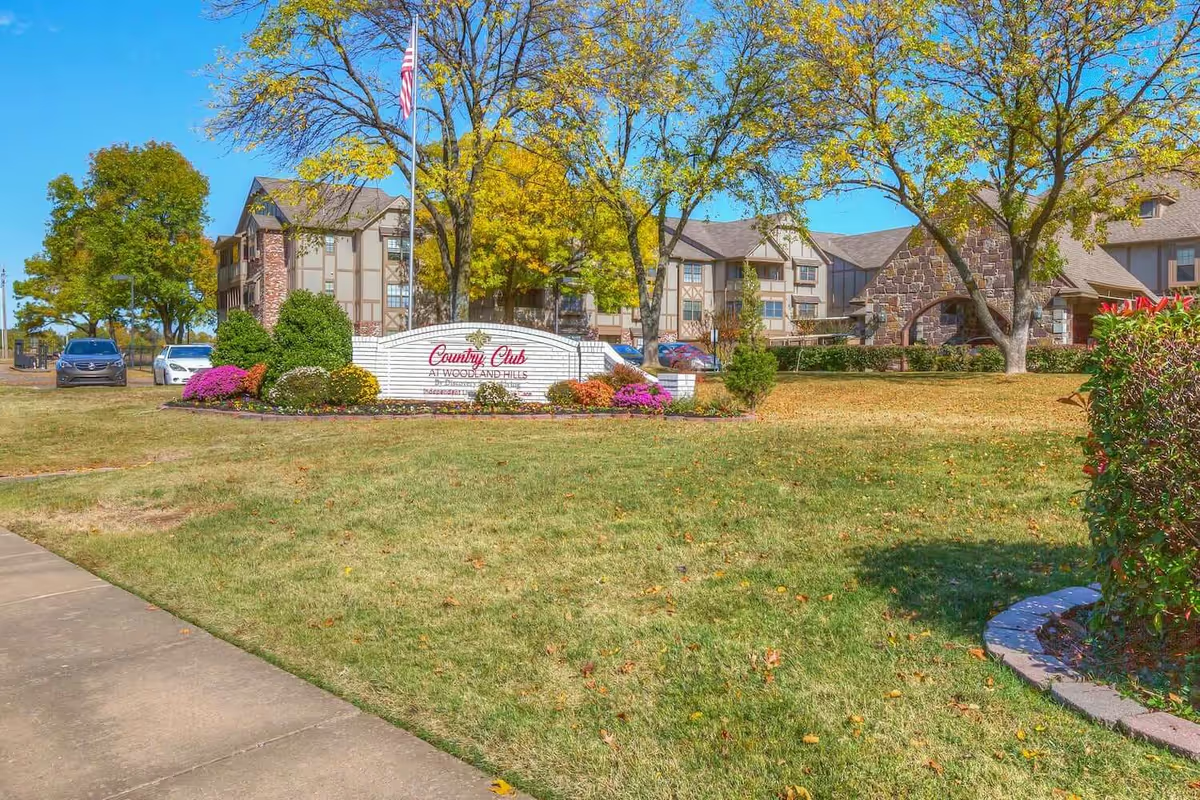
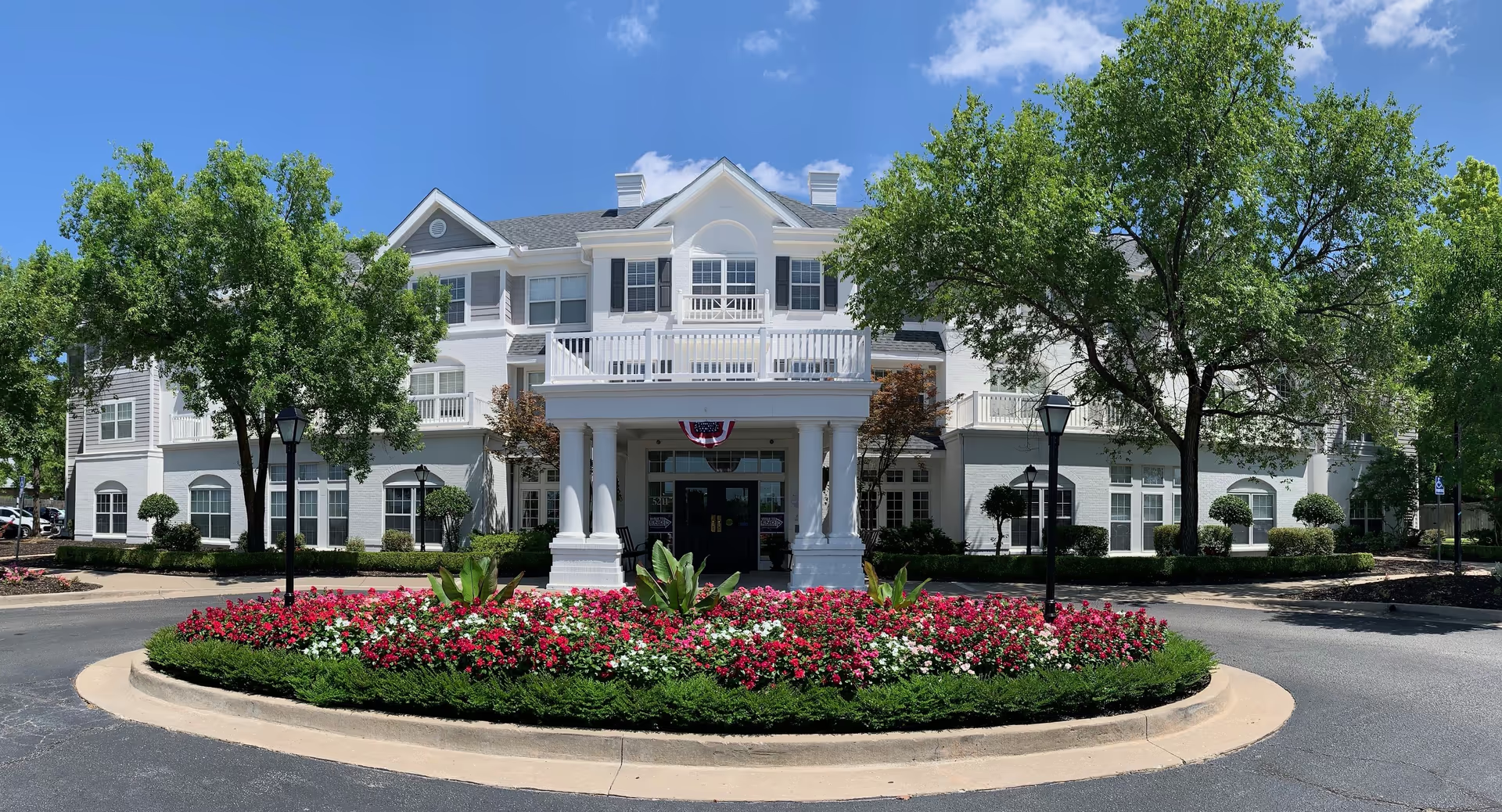
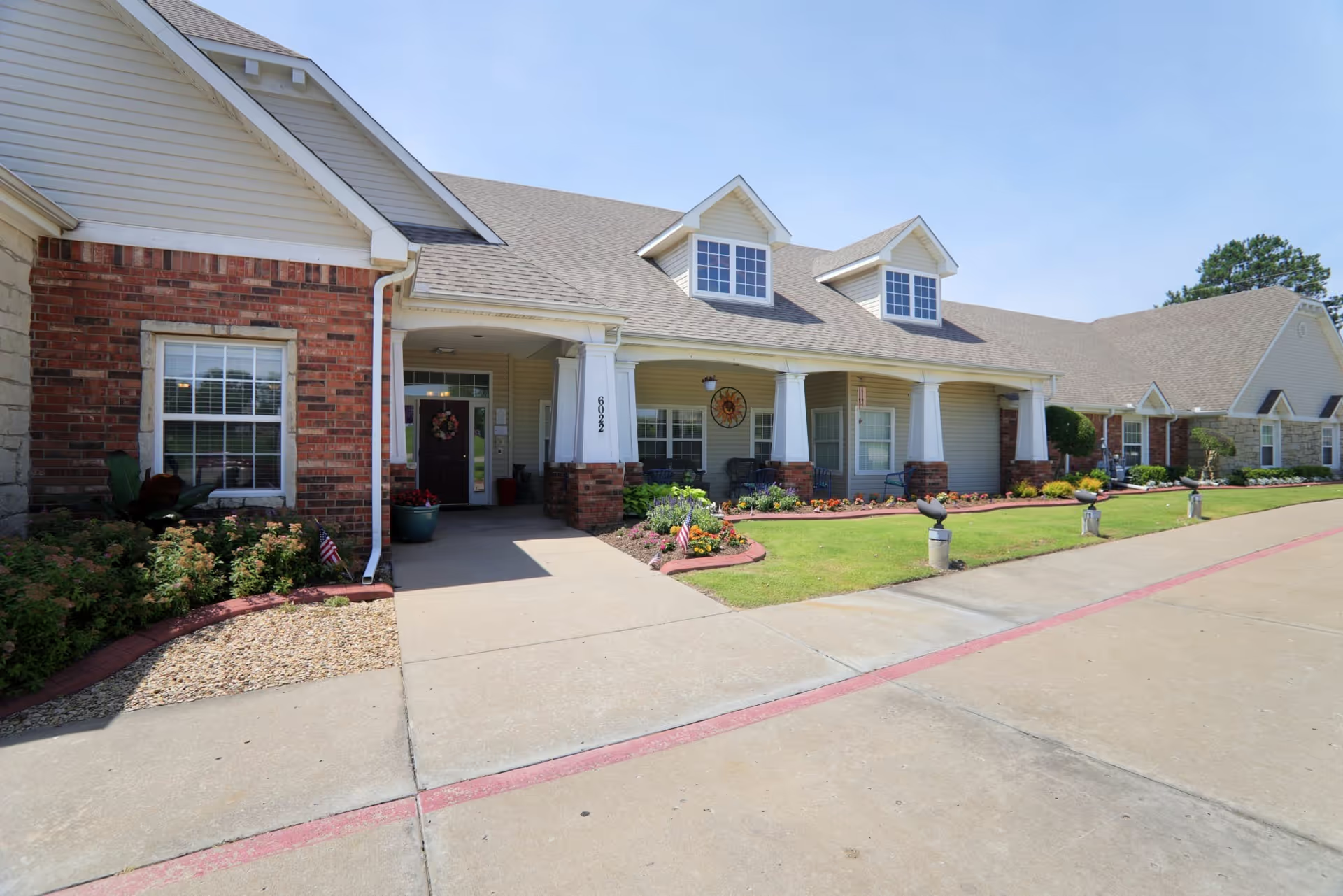
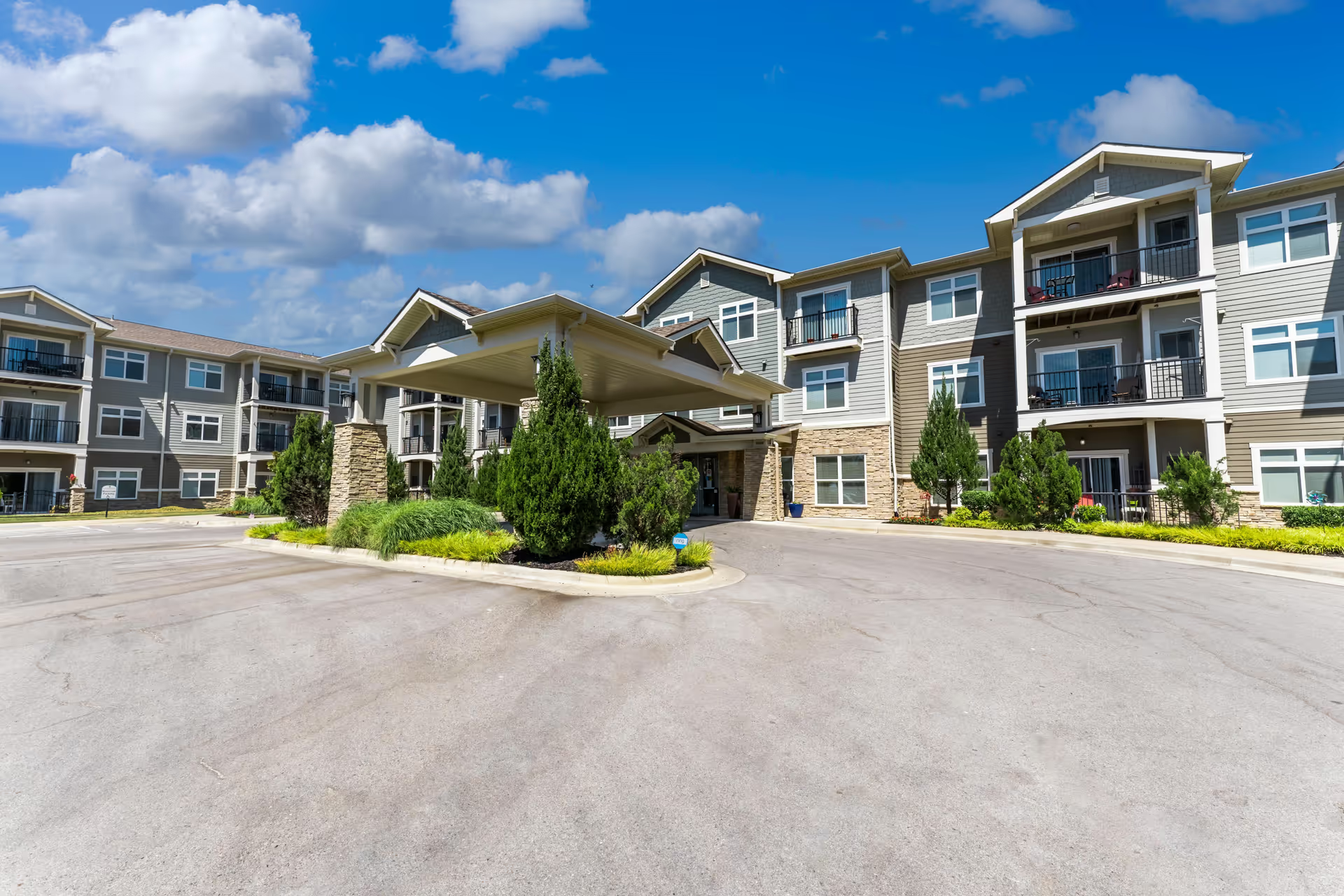
Broadmoor Retirement Community elicits a mixed but patterned set of impressions. Strengths cited consistently include a welcoming staff culture, roomy apartments, pleasant grounds, and convenient on-site services such as laundry pickup. Many notes praise the appearance of individual units, the social atmosphere among residents, and the availability of three home-style meals per day served in a pleasant dining room. Programming such as bingo, movie nights, bus outings, Wii bowling and a fitness room contributes to resident engagement for those with independent or assisted living needs.
Care quality and staffing appear to be a central axis of variability. Numerous accounts describe staff who are caring, consistent, and willing to go beyond expectations; these reports often mention specific staff members and consistent caregiver assignments that supported long stays and successful transitions. Conversely, other accounts describe gaps in direct hands-on care, delays responding to call bells, and a general understaffing impression—particularly in dining and assistance-intensive tasks. Taken together, the pattern suggests the community can meet the needs of residents with low-to-moderate support requirements but may not reliably provide higher-dependency clinical or hands-on personal care.
Dining receives both praise and criticism. Several families describe enjoyable, home-cooked meals and a pleasant dining environment. At the same time, there are repeated complaints about inconsistent food temperature and portioning, last-minute menu changes, and menu repetition. Dining-service staffing constraints were highlighted as a contributor to service delays. Prospective residents should evaluate meal quality during a mealtime visit and ask about menu rotation and kitchen staffing.
Activities and daily life are generally adequate for social engagement, with scheduled programs and occasional outings. However, reviewers also described variability in activity frequency and instances of cancellations or limited offerings. Facility condition reports are mixed: many reviewers describe clean, updated apartments and well-kept grounds, while others perceive uneven maintenance or a decline following ownership or management transitions. These contrasts point to variability across buildings or units and possible effects of recent operational changes.
Management and ownership stability is another notable pattern. Several families raised concerns about inconsistent communication from management, unfulfilled promises, and instances of short-notice move-out or discharge processes. References to ownership transitions and a desire for greater corporate oversight suggest administrative instability has influenced resident experience for some households.
In summary, Broadmoor presents as a community with clear strengths in resident-facing hospitality, apartment size, and social programming for residents who are relatively independent. The main operational risks are inconsistent direct-care capacity, understaffing pressures that affect both assistance and dining, and variability tied to management/ownership changes. Families considering Broadmoor should assess current staffing levels for the level of care required, observe a mealtime and an activity session, ask about recent ownership or management changes and their impact, and clarify policies on move-out/discharge notification and response times to assistance requests.